The Ultimate Guide to Choosing the Best Interior Design for Your Lifestyle
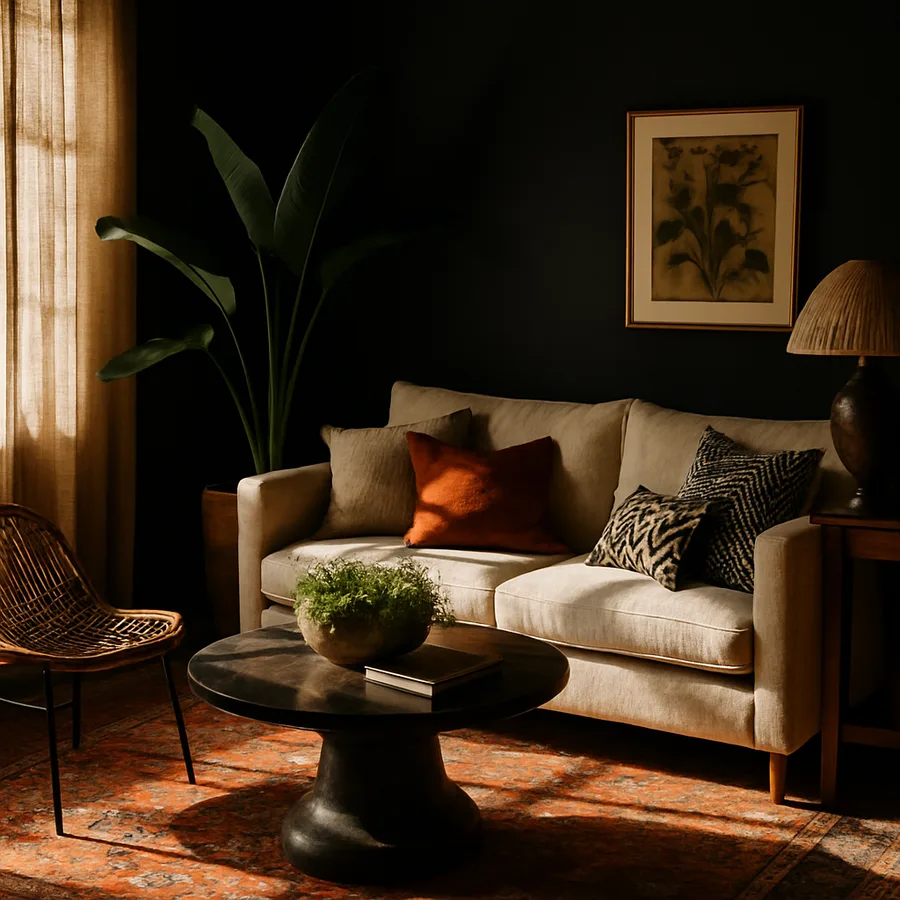
Choosing the right interior design for your home is not merely about picking colors and furniture. It is a deeply personal process that reflects your daily habits, values, and the way you move through your living spaces. According to the American Society of Interior Designers (ASID), over 78% of homeowners who work with professional designers report significantly higher satisfaction with their living environments compared to those who take a purely DIY approach. The question is not whether good design matters but rather how to align your design choices with the life you actually live. Understanding this connection between lifestyle and aesthetics is the first step toward creating a home that truly works for you.
The interior design industry has evolved dramatically over the past decade, shifting away from rigid stylistic rules toward a more flexible, lifestyle-centered approach. The International Interior Design Association (IIDA) has championed this movement, advocating for spaces that prioritize human well-being alongside visual appeal. Whether you are a busy professional who needs a serene sanctuary to decompress, a growing family that requires durable and functional spaces, or an entertainer who wants open-plan areas designed for hosting, your lifestyle should dictate your design direction. This guide will walk you through every consideration you need to make that happen.
Have you ever walked into someone's home and felt an immediate sense of harmony, as though every element belonged exactly where it was? That feeling is not accidental. It is the result of intentional design choices rooted in an understanding of how the space will be used. Throughout this guide, we will explore how to assess your lifestyle needs, match them to design philosophies, and execute a cohesive plan that brings lasting satisfaction. Let us begin by understanding what your daily life demands from your home.
Understanding Your Lifestyle Needs Before Selecting a Design Style
Before you browse a single design magazine or open a Pinterest board, you need to conduct an honest assessment of how you live in your home. This means looking at your daily routines, your household composition, and your long-term plans. The National Council for Interior Design Qualification (NCIDQ) emphasizes that a successful interior design project begins with a thorough needs assessment, not with aesthetic preferences. Start by documenting how you use each room throughout a typical week. Do you eat at the kitchen counter or a formal dining table? Do you work from home and need dedicated office space? Do your children play in the living room, or do they have their own designated areas?
Consider the flow of your day and how your home either supports or hinders it. A Houzz survey found that 63% of homeowners who renovated their kitchens did so primarily to improve functionality rather than appearance. This statistic underscores a crucial truth: beautiful design that does not serve your practical needs will ultimately disappoint. Make a list of pain points in your current home. Perhaps the entryway has no storage for coats and shoes, or the living room layout forces an awkward traffic pattern. These functional deficiencies should be addressed before any stylistic decisions are made, because even the most gorgeous room fails if it does not support daily life.
Think also about your sensory preferences and emotional needs. Some people find energy in vibrant, maximalist environments filled with pattern, color, and texture. Others need calm, minimalist spaces to feel grounded and focused. There is no universal right answer here. What matters is self-awareness. Ask yourself: what environments make me feel most productive, most relaxed, most like myself? Your answers to these questions will guide every design decision that follows, from color palettes to furniture selection to spatial layout. The goal is a home that feels like an extension of your identity, not a showroom designed for someone else.
Exploring Major Interior Design Philosophies and Their Lifestyle Fit
The world of interior design offers a rich spectrum of philosophies, each suited to different lifestyles and temperaments. Minimalism, perhaps the most discussed style of the modern era, centers on the principle that less is more. Rooted in Japanese aesthetics and Scandinavian functionality, minimalist design emphasizes clean lines, neutral palettes, and the deliberate reduction of possessions. This style works exceptionally well for individuals who value order, find clutter stressful, and prefer to invest in a smaller number of high-quality pieces. ASID research indicates that minimalist environments can reduce perceived stress levels by up to 25%, making this style particularly appealing to professionals in high-pressure careers.
On the opposite end of the spectrum, maximalism celebrates abundance, layering, and bold self-expression. Maximalist interiors feature rich color combinations, eclectic furniture mixing, gallery walls, and generous use of pattern and texture. This style suits creative personalities, collectors, and those who view their homes as evolving canvases for personal expression. The IIDA has noted a significant resurgence of maximalist design in recent years, driven partly by a cultural backlash against the perceived sterility of extreme minimalism. If you are someone who loves telling stories through objects and art, maximalism may be your natural design home.
Between these poles lie numerous other design philosophies, each with its own lifestyle implications. Transitional design blends traditional warmth with contemporary clean lines, making it ideal for households where different family members have different aesthetic preferences. Industrial design, with its exposed materials and raw textures, suits urban dwellers who appreciate authenticity and architectural character. Biophilic design, which integrates natural elements like plants, natural light, and organic materials, has been shown by IIDA research to improve cognitive function by up to 15% and is particularly well-suited to those who prioritize wellness and connection to nature. The key is to explore these philosophies not as rigid categories but as starting points for your own personalized approach.
How to Match Your Budget to Your Design Ambitions
One of the most common mistakes homeowners make is choosing a design direction without honestly assessing their financial capacity to execute it. Interior design costs vary enormously depending on style, scope, and materials. According to Houzz's annual State of Home Spending report, the average homeowner spends between $15,000 and $50,000 on a significant interior redesign project. However, these figures can be misleading because they aggregate vastly different project types. A more useful approach is to establish a room-by-room budget based on your priorities, allocating more resources to high-impact spaces like kitchens and living rooms while accepting simpler treatments in secondary areas.
Budget constraints do not have to mean compromised design. In fact, some of the most compelling interiors are created through resourceful, creative approaches rather than lavish spending. The ASID has published guidelines suggesting that homeowners allocate roughly 7% to 10% of their home's value to interior design and furnishing over the life of ownership. This includes both initial setup costs and ongoing updates. Shopping vintage and secondhand is one powerful strategy, as unique older pieces often have more character than mass-produced new furniture at a fraction of the cost. Mixing high-investment anchor pieces with affordable accent items is another effective approach endorsed by professional designers at NCIDQ-certified firms.
What areas of your home would benefit most from a concentrated investment? For most people, the answer involves the rooms where they spend the most waking hours. A thoughtfully designed home office can pay for itself in productivity gains, while a well-planned kitchen can transform your relationship with cooking and family meals. Consider also the long-term cost implications of your choices. Higher-quality furniture, flooring, and fixtures may cost more initially but last dramatically longer, reducing the total cost of ownership over time. This lifecycle perspective is central to responsible interior design and helps ensure that your budget delivers maximum lasting value.
Room-by-Room Design Strategies That Adapt to Real Life
Every room in your home serves a different function, and your design strategy should reflect this reality. The living room, as the primary social space in most homes, deserves particular attention to traffic flow, seating arrangement, and lighting versatility. NCIDQ-certified designers recommend creating multiple functional zones within open-plan living areas, using rugs, lighting changes, and furniture groupings to define spaces for conversation, reading, entertainment, and relaxation. This zoned approach allows a single room to serve multiple purposes throughout the day without feeling chaotic or cluttered.
The kitchen requires a design approach that balances aesthetics with rigorous functionality. The classic work triangle concept, which positions the sink, stove, and refrigerator at optimal distances from one another, remains a foundational principle endorsed by the IIDA. However, modern kitchen design has evolved beyond this simple model to accommodate how families actually use their kitchens today. Kitchen islands have become multifunctional hubs for food preparation, homework, casual dining, and socializing. Storage solutions should be designed around your specific cooking habits and inventory rather than generic templates. If you bake frequently, for example, you need dedicated space for stand mixers, baking sheets, and specialty ingredients that a non-baker would not require.
Bedrooms and bathrooms, as private retreats, should prioritize comfort and personal rejuvenation. Research published by the International Interior Design Association shows that bedroom design significantly impacts sleep quality, with dark, cool-toned rooms promoting better rest than bright, warm-toned ones. The bathroom has increasingly become a space for wellness rituals rather than mere hygiene, with features like walk-in showers with rain heads, freestanding soaking tubs, and integrated mood lighting transforming these rooms into personal spa environments. Do not overlook transitional spaces like hallways, entryways, and staircases, which set the tone for the entire home and offer opportunities for practical storage solutions that reduce clutter in main living areas.
Integrating Technology and Sustainability Into Your Design Plan
Modern interior design cannot ignore the growing role of technology in daily life. Smart home systems, integrated lighting controls, automated window treatments, and built-in charging stations are no longer luxury features but expected components of a well-designed home. The key is integrating technology seamlessly so that it enhances your living experience without dominating the aesthetic. Houzz reports that 45% of renovating homeowners now include smart home technology in their projects, a figure that has doubled in just five years. Cable management, discreet speaker placement, and furniture with built-in power access are all practical considerations that should be addressed during the design planning phase rather than as afterthoughts.
Sustainability has moved from a niche concern to a mainstream design priority. The ASID's Impact of Design report found that 72% of consumers now consider environmental impact when making home furnishing purchases. Sustainable interior design encompasses material choices, such as reclaimed wood, recycled metals, and low-VOC paints and finishes, as well as energy efficiency measures like LED lighting, proper insulation, and Energy Star-rated appliances. Choosing local artisans and manufacturers reduces transportation emissions while supporting community economies. These choices do not require sacrificing aesthetics. In fact, many of the most visually striking design elements, from live-edge wood tables to hand-thrown ceramic fixtures, are inherently sustainable because they are produced in small batches with natural materials.
How can you ensure that your design choices remain relevant and functional as technology continues to evolve? The answer lies in building flexibility into your infrastructure. Install conduit pathways in walls during renovation so future cabling can be added without demolition. Choose furniture with modular configurations that can adapt to changing needs. Opt for timeless base materials and finishes while allowing trendy elements to appear in easily swappable accessories like cushions, artwork, and decorative objects. This approach, sometimes called "bones and jewelry" by professional designers, ensures that your home can evolve with you without requiring wholesale redesign every few years.
Working With Professionals Versus the DIY Approach
One of the most consequential decisions in your design journey is whether to hire a professional interior designer or tackle the project yourself. Both approaches have legitimate advantages depending on your circumstances. Professional designers, particularly those who hold NCIDQ certification, bring specialized training in spatial planning, building codes, material performance, and project management that most homeowners simply do not possess. The ASID reports that professionally designed projects typically come in closer to budget and timeline than DIY projects, largely because experienced designers anticipate problems before they occur and have established relationships with reliable contractors and suppliers.
However, working with a professional designer is itself a significant investment. Full-service interior design fees typically range from 10% to 25% of the total project budget, or an hourly rate between $100 and $500 depending on the designer's experience and location. For homeowners with limited budgets, a hybrid approach can be highly effective. Many designers now offer consultation-only services where they provide a comprehensive design plan, material specifications, and source lists that the homeowner then executes independently. This model, endorsed by both ASID and IIDA as a way to make professional design more accessible, gives you expert guidance at a fraction of the full-service cost.
If you choose the DIY route, invest time in education before spending money on materials. Online platforms like Houzz, design-focused YouTube channels, and courses offered through ASID's continuing education programs can significantly improve your design literacy. Create mood boards for each room, establish a realistic timeline, and order materials with adequate lead time to avoid costly rush charges. Most importantly, know your limits. Structural changes, electrical work, plumbing modifications, and anything involving building permits should always involve licensed professionals regardless of your confidence level. The goal is not to prove you can do everything yourself but to create the best possible outcome within your means.
Conclusion: Designing a Home That Grows With You
The best interior design is never truly finished. It evolves as you do, adapting to new life stages, shifting priorities, and changing tastes. The principles outlined in this guide, from lifestyle assessment to budget planning, from room-by-room strategy to sustainability integration, provide a framework for making informed design decisions at every stage. Remember that the most important measure of success is not whether your home looks like a magazine spread but whether it genuinely supports and enriches the way you live each day.
Take the first step today by conducting an honest lifestyle audit. Walk through your home with fresh eyes and document what works, what frustrates you, and what you wish were different. Use those observations to identify your top three design priorities, and begin researching approaches that address them. Whether you engage a professional designer or embark on a DIY journey, the foundation of great design is always the same: deep understanding of your own needs, honest assessment of your resources, and willingness to make thoughtful choices rather than impulsive ones.
Your home is not just a collection of rooms. It is the setting for your life's most important moments, from quiet morning routines to joyful celebrations to restorative evenings of rest. It deserves the same intentionality and care that you bring to any other significant investment. Start with clarity about who you are and how you live, and let that clarity guide every design decision that follows. The result will be a home that is not only beautiful but profoundly, personally yours.
More Articles You May Like



Comments
Post a Comment