Embrace Sustainability: Eco-Friendly Interior Design Trends You Need to Know
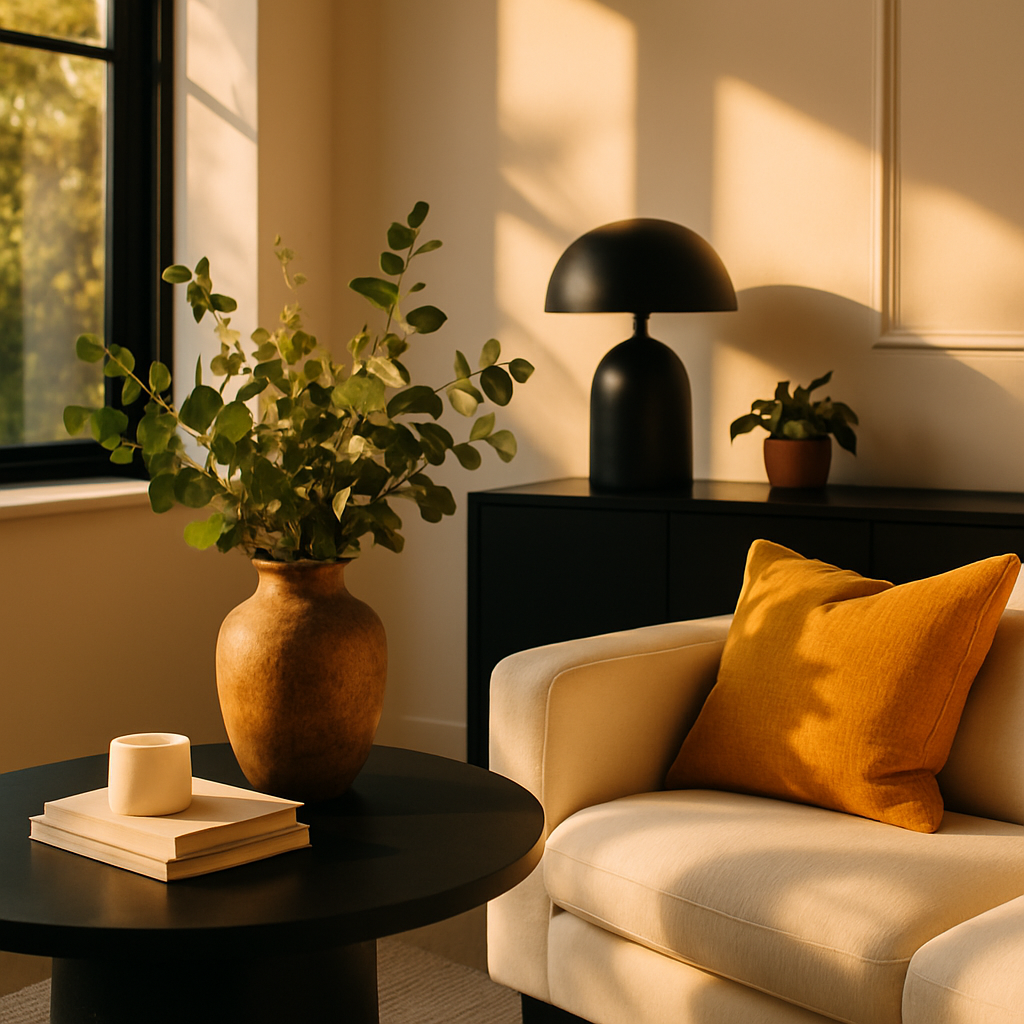
Imagine walking into a room that not only captivates with its aesthetics but also contributes positively to the environment. This is the promise of eco-friendly interior design, a movement gaining momentum as homeowners and designers alike recognize the profound impact of sustainable choices. According to a recent Houzz survey, nearly 70% of homeowners are prioritizing sustainability in their renovation projects. This trend is not merely a fleeting fad but a transformative approach that combines style with environmental responsibility.
In this exploration of sustainable design, we'll delve into foundational concepts that underpin eco-friendly interiors, analyze data that demonstrates the effectiveness of these practices, and provide actionable strategies for incorporating sustainability into your own home. We'll also examine expert insights from leading organizations and explore additional layers of depth, ensuring you have a comprehensive understanding of how to create a sustainable haven. Are you ready to transform your living space while making a positive impact on the planet?
Understanding the Foundations of Eco-Friendly Design
At the core of eco-friendly interior design is a commitment to reducing environmental impact through thoughtful choices in materials, processes, and practices. This begins with selecting materials that are either sustainably sourced or recycled, minimizing the depletion of natural resources. For example, bamboo and reclaimed wood are popular choices due to their rapid renewability and reduced carbon footprint compared to traditional hardwoods.
Another critical component is energy efficiency. By incorporating energy-saving appliances and lighting solutions, you can significantly reduce a home's energy consumption. The use of LED lighting, for instance, can cut energy use by up to 75% compared to incandescent bulbs, while smart thermostats help optimize heating and cooling, further conserving energy. These choices not only benefit the environment but also offer significant cost savings on energy bills.
Moreover, eco-friendly design often includes biophilic elements, which integrate natural components into the built environment to enhance occupant well-being. This might involve maximizing natural light, incorporating indoor plants, or using materials that mimic natural textures and colors. These elements not only create aesthetically pleasing spaces but also contribute to improved indoor air quality and psychological comfort.
As we move forward, let's explore how these foundational concepts are supported by data and insights from industry leaders, reinforcing the importance of sustainability in design.
Data-Driven Insights into Sustainable Interiors
Industry surveys and studies underscore the growing importance and impact of sustainable design practices. According to the American Society of Interior Designers (ASID), 82% of designers reported a noticeable increase in client demand for sustainable design in recent years. This shift is supported by data showing that well-designed eco-friendly interiors can enhance property values by 5-15%, a compelling argument for their adoption.
Furthermore, research by the International Interior Design Association (IIDA) highlights that sustainable design practices can lead to significant reductions in a building's carbon footprint. For instance, using recycled materials and low-VOC (volatile organic compounds) paints can reduce emissions and improve indoor air quality, benefiting both the environment and occupant health.
Experienced professionals often note that integrating sustainability into design is not only about environmental benefits but also about meeting the evolving expectations of clients who are increasingly eco-conscious. This trend is reflected in the proliferation of eco-certifications, such as the Leadership in Energy and Environmental Design (LEED) and the WELL Building Standard, which provide frameworks for achieving sustainability in design and construction.
Armed with this data, let's turn to practical strategies for implementing these insights in your own home.
Actionable Strategies for a Sustainable Home
Creating a sustainable home begins with thoughtful planning and informed choices. Start by conducting an energy audit to identify areas where you can improve efficiency. Simple changes, such as replacing old windows with energy-efficient models or installing solar panels, can yield substantial energy savings and reduce your carbon footprint.
When selecting materials, prioritize those with certifications indicating sustainable sourcing, such as FSC-certified wood or Cradle to Cradle certified products. These certifications ensure that materials are responsibly sourced and manufactured, reducing environmental impact. Additionally, consider investing in durable, high-quality furnishings that are designed to last, thereby minimizing waste over time.
Integrating smart home technology can further enhance your home's sustainability. Automated lighting and climate control systems allow for precise energy management, ensuring that energy is used efficiently and effectively. Many homeowners find that these technologies not only reduce energy use but also improve comfort and convenience.
With these strategies in mind, let's delve into expert-level insights that can elevate your approach to sustainable design.
Expert Insights on Leading Sustainable Practices
Professionals in the field of interior design emphasize the importance of considering the entire lifecycle of materials and products used in a space. This holistic approach ensures sustainability from production to disposal. For example, choosing furniture made from recycled materials and designed for disassembly allows for easy recycling or repurposing at the end of its lifespan.
Another key insight from experts is the value of local sourcing. By choosing locally made products, you reduce the carbon footprint associated with transportation and support local economies. This practice not only benefits the environment but also often results in unique, high-quality pieces that add character to a space.
Designers also advocate for the use of natural and organic textiles, such as organic cotton, linen, and wool, which are grown without harmful pesticides and chemicals. These materials not only contribute to a healthier indoor environment but also offer luxurious comfort and style. Incorporating these textiles into your design enhances both sustainability and aesthetic appeal.
Armed with expert insights, we can now explore additional depths to ensure your sustainable design efforts are comprehensive and effective.
Expanding Your Knowledge of Eco-Friendly Design
To deepen your understanding of eco-friendly interior design, consider engaging with resources and communities dedicated to sustainability. Platforms like Houzz offer a wealth of inspiration and case studies showcasing successful sustainable projects. Additionally, joining professional networks such as the NCIDQ (National Council for Interior Design Qualification) can provide access to educational resources and industry best practices.
Attending workshops and seminars focused on sustainable design is another excellent way to stay informed about the latest trends and technologies. These events often feature leading experts who share insights and strategies for implementing sustainability effectively. By actively engaging with these opportunities, you can continually refine and enhance your design approach.
Finally, embracing a mindset of continuous learning and adaptation is crucial in the evolving landscape of interior design. As new materials and technologies emerge, staying informed and flexible will ensure that your designs remain at the forefront of sustainability.
With this expanded knowledge, let's bring our exploration of sustainable design to a thoughtful conclusion.
Final Perspectives on Sustainable Interior Design
As we conclude our exploration of eco-friendly interior design trends, it's clear that sustainability is not just a trend but a necessary evolution in how we approach our living spaces. By prioritizing sustainable materials, energy efficiency, and mindful design practices, you can create environments that are both beautiful and responsible.
Remember, the journey to sustainability is ongoing and involves continuous learning and adaptation. As you implement these strategies, consider the long-term impacts of your choices and how they contribute to a more sustainable future. How can you further integrate sustainability into your design practices? What new technologies or materials might enhance your efforts?
Ultimately, embracing sustainable design is about making informed choices that benefit both the planet and the people who inhabit these spaces. As we look to the future, the commitment to sustainability will continue to shape the way we design and live in our homes.
Conclusion
Incorporating eco-friendly interior design trends into your home is more than a stylistic choice; it's a commitment to a sustainable future. By understanding foundational concepts, leveraging data-driven insights, and implementing actionable strategies, you can transform your living space into a model of sustainability.
As you embark on this journey, consider starting with a simple step: browse designer portfolios on platforms like Houzz. Spend even 20 minutes this week exploring sustainable design ideas and noting elements that resonate with you. This initial research will sharpen your vision and guide your sustainable design efforts.
Ready to make a difference? Begin your sustainable design journey today and create a home that reflects your values and aspirations for a better world.



Comments
Post a Comment