The Ultimate Guide to Choosing the Best Interior Design Services for Your Needs
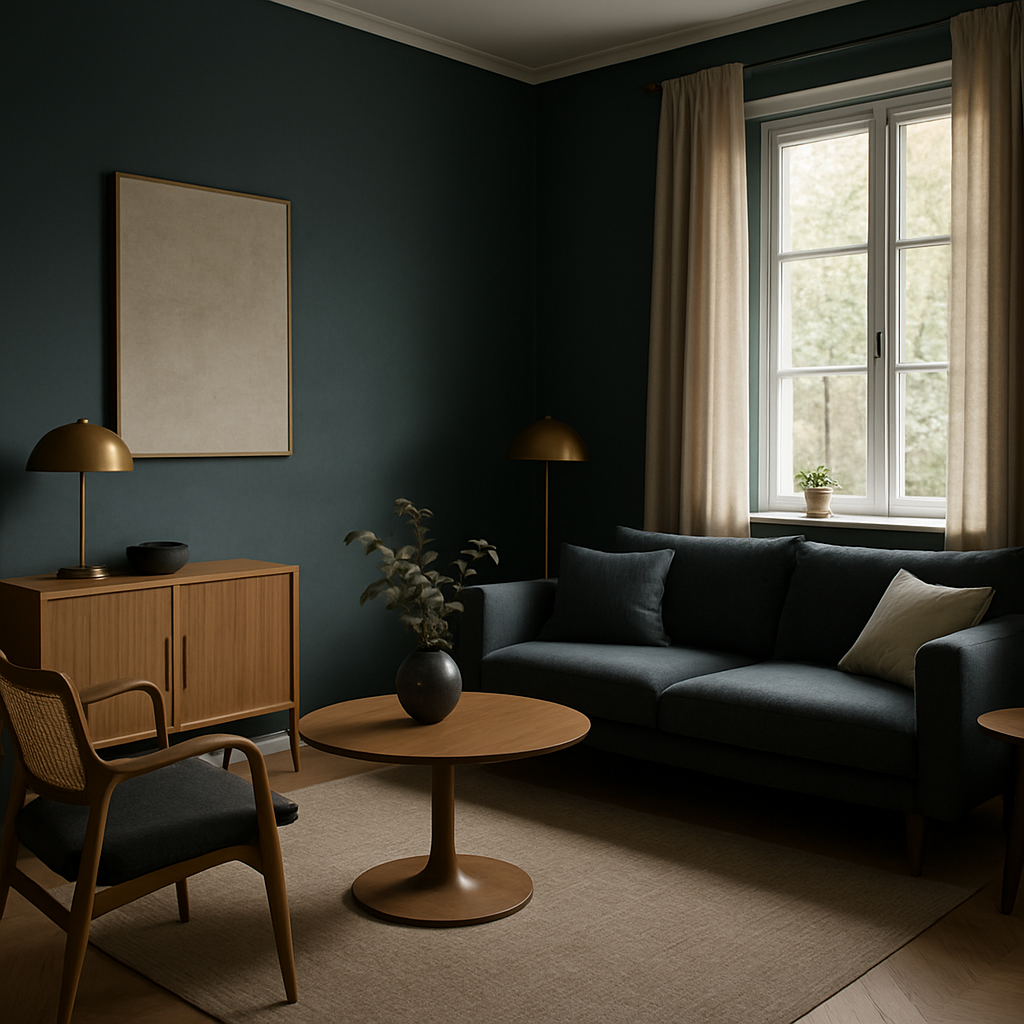
Have you ever walked into a room and felt an immediate sense of calm and belonging? The power of interior design lies in its ability to transform spaces, turning them into personalized sanctuaries. According to Houzz's annual survey, a well-designed interior can increase a home's resale value by 5-15%. But how do you choose the best interior design services to achieve this transformation? In this guide, we will explore the critical factors to consider, from understanding industry credentials to grasping current design trends and budgeting effectively. By the end, you'll be equipped with the knowledge to make informed decisions that align with your vision and budget.
Understanding the Basics of Interior Design Services
Before diving into the selection process, it's crucial to understand the foundational aspects of interior design services. Interior design is not just about aesthetics; it involves a strategic approach to functionality, safety, and enhancing the quality of life through space planning and design elements. Professionals in this field often hold credentials like the NCIDQ (National Council for Interior Design Qualification), recognized as the gold standard in the industry. Certified interior designers possess the technical and creative skills necessary to transform spaces effectively.
When considering interior design services, it's important to distinguish between certified interior designers and decorators. Certified designers have formal education and credentials, while decorators may not. This distinction can significantly impact the outcome of your project, especially if structural changes are involved. Organizations like the ASID (American Society of Interior Designers) and IIDA (International Interior Design Association) can be valuable resources for finding qualified professionals.
Another foundational aspect is understanding the typical project phases, which include concept development, design presentation, procurement, installation, and styling. Each phase requires a unique set of skills and expertise, and knowing what to expect at each stage can help you communicate more effectively with your designer. As you begin your search, consider what specific needs your project may have and how different services can address them.
Analyzing Costs and Budget Considerations
One of the most significant factors in choosing interior design services is understanding the associated costs. The fees can vary widely, depending on several factors, including the designer's experience, the complexity of the project, and the location. According to industry surveys, designers may charge a flat fee, an hourly rate ranging from $150 to $500, or a percentage of the total project cost, typically between 10% and 25%. Additionally, some designers apply a procurement markup on furniture, which can affect your overall budget.
When planning your budget, it's essential to consider not only the design fees but also the cost of materials, furnishings, and potential structural changes. For a single room redesign, you might expect to spend between $5,000 and $15,000, while a full-home renovation can range from $50,000 to $150,000 or more. Are you prepared to invest in quality design that enhances your home's functionality and aesthetic? Understanding these numbers can help you set realistic expectations and avoid financial surprises.
It's also wise to discuss budget constraints openly with potential designers. Experienced professionals often note that transparent communication about finances can lead to more creative and cost-effective solutions. They can guide you in prioritizing elements that deliver the most impact and suggest alternatives that align with your style and budget. As you move forward, think about what aspects of your project are most important and where you might be willing to compromise.
Strategies for Selecting the Right Designer
Choosing the right interior designer involves more than just reviewing portfolios and credentials; it's about finding someone whose vision aligns with yours. Begin by researching designers who specialize in the style or type of project you're interested in. Platforms like Houzz and Architectural Digest's AD PRO network offer extensive directories and project photos that can help you identify potential candidates.
Once you have a shortlist, schedule interviews to discuss your project in detail. During these conversations, pay attention to how well the designer listens to your ideas and how they propose to bring them to life. Are they asking insightful questions that show they understand your needs and lifestyle? This interaction can give you a sense of their communication style and whether they will be a collaborative partner throughout the process.
References and past client reviews are invaluable resources when evaluating a designer's work ethic and reliability. Don't hesitate to ask for references and follow up with them to learn about their experiences. Were there any challenges, and how were they resolved? Understanding a designer's approach to problem-solving and client satisfaction can provide peace of mind as you make your final decision. As you assess your options, consider which designer's vision and approach resonate most with you.
Embracing Current Design Trends and Innovations
Incorporating current design trends can significantly enhance the appeal and functionality of your space. One such trend is biophilic design, which emphasizes natural materials and indoor-outdoor flow to improve well-being. This approach can be seen in the use of living walls, large windows, and organic textures that create a soothing environment.
Another emerging trend is the concept of quiet luxury, which focuses on understated elegance and high-quality materials. This style prioritizes timeless pieces and a neutral color palette, offering a sophisticated yet comfortable atmosphere. Are these trends something you can see fitting into your home? Discussing these ideas with your designer can lead to a cohesive plan that meets your taste and needs.
Technology also plays a significant role in modern interior design. Smart home integration, such as automated lighting and climate control, offers convenience and efficiency. Many designers now use AR/VR room visualization tools to help clients envision the final outcome before any physical changes occur. This innovative approach can provide greater confidence in decision-making and ensure that the final design aligns with your expectations. As you explore these trends, think about which elements could enhance your daily life and how they might be incorporated into your project.
Expert Insights on Working with Designers
Experienced professionals often emphasize the importance of establishing a clear scope of work and timeline from the outset. This clarity helps manage expectations and keeps the project on track. A detailed contract outlining responsibilities, deadlines, and deliverables can prevent misunderstandings and ensure that both parties are aligned on objectives.
Another key insight is the value of flexibility and openness to new ideas. While it's important to have a vision, being receptive to your designer's suggestions can lead to innovative solutions you might not have considered. Designers bring a wealth of experience and creativity to the table, and their expertise can help you achieve a result that's both functional and aesthetically pleasing.
Finally, maintaining open lines of communication throughout the project is crucial. Regular check-ins and updates allow for adjustments as needed and keep the momentum going. Are you prepared to engage actively in the process and provide feedback? A collaborative approach can lead to a more successful and satisfying outcome. As you prepare to embark on your design journey, consider how you can foster a productive partnership with your designer.
Final Thoughts and Considerations
Choosing the best interior design services for your needs requires careful consideration of several factors, from credentials and costs to design trends and communication styles. By doing your research and asking the right questions, you can find a designer who aligns with your vision and can bring it to life.
As you navigate this process, remember that the goal is to create a space that reflects your personality and enhances your lifestyle. Are you ready to transform your home into a place of comfort and inspiration? With the right guidance and partnership, it's entirely possible to achieve a stunning result that exceeds your expectations.
Ultimately, the key to a successful interior design project lies in collaboration and open communication. By engaging actively in the process and being open to new ideas, you can create a space that truly feels like home.
Conclusion
In summary, selecting the best interior design services involves understanding the intricacies of the industry, from credentials and costs to current trends and collaborative strategies. By taking the time to research and engage with potential designers, you can ensure that your project aligns with your vision and budget. Ready to start your journey towards a beautifully designed home? Start by browsing portfolios on Houzz this week - even 20 minutes of research will sharpen your eye for what you want. Remember, the right design can transform not just your space, but your entire living experience.
More Articles You May Like



Comments
Post a Comment