Behind the Scenes: How an Interior Design Studio Brings Your Vision to Life
Have you ever walked into a room and felt an indescribable sense of harmony and beauty? This seamless experience doesn't happen by accident. It is the result of a meticulous interior design process that transforms abstract ideas into tangible, well-crafted spaces. According to the American Society of Interior Designers (ASID), a well-designed interior can increase the resale value of a home by 5-15%. This eye-opening statistic underscores the importance of engaging a professional design studio. In this article, we will explore the step-by-step journey of how an interior design studio brings your vision to life. From foundational concepts and deeper analysis to actionable strategies and expert insights, each phase of the process is crucial to achieving the perfect balance of form and function.
Understanding Foundational Concepts
The first step in the interior design process is understanding your vision and needs. This foundational stage involves initial consultations where designers gather essential information about your lifestyle, preferences, and budget. Certified interior designers, often with credentials such as NCIDQ (National Council for Interior Design Qualification), use these consultations to align their expertise with your desires. During these discussions, designers may ask pointed questions: How do you use your space daily? Are there specific elements you want to highlight? This dialogue ensures the design will be both aesthetically pleasing and functional.
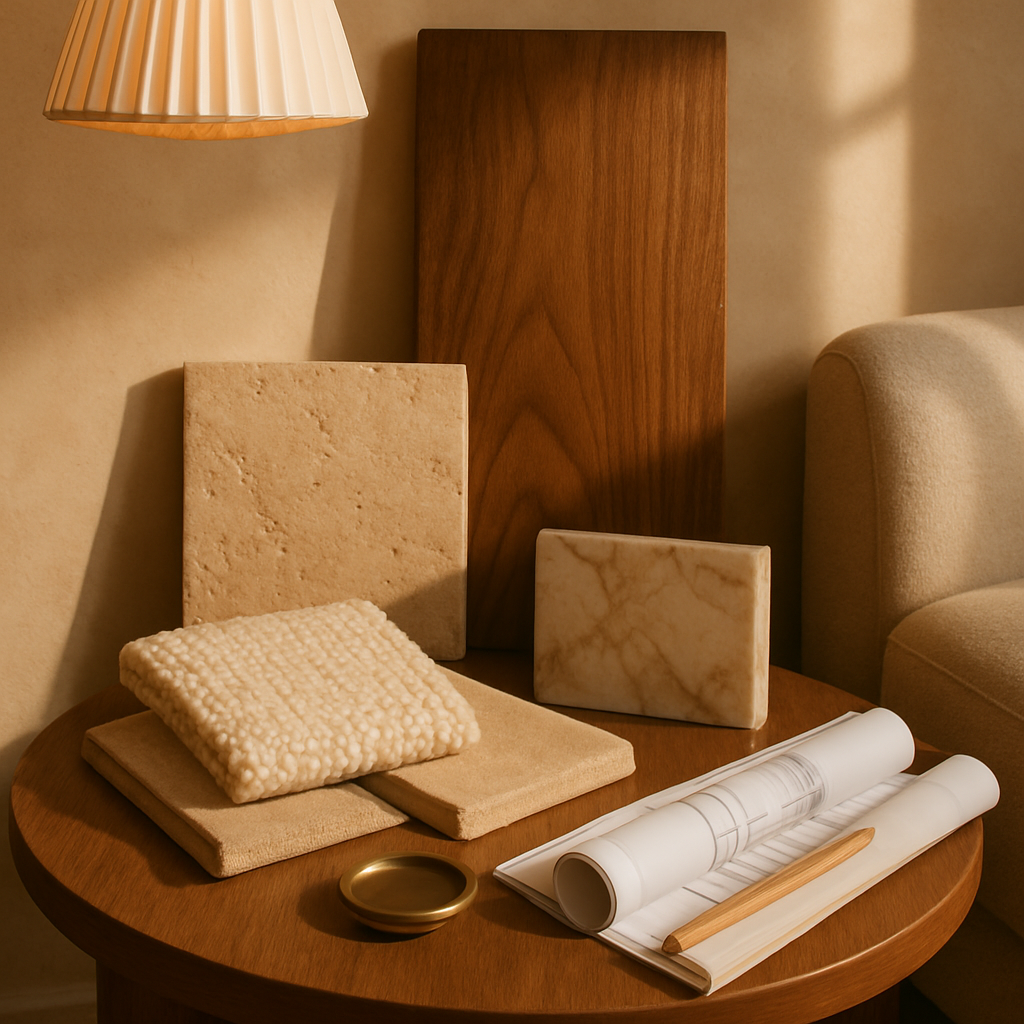
Concept development follows, where designers brainstorm and create initial sketches or mood boards. This stage is crucial as it provides a visual representation of the ideas discussed. Platforms like Houzz offer valuable resources for designers and clients alike, offering a plethora of design inspirations and portfolio examples. This phase is not just about aesthetics but also about practicality. Designers consider elements like lighting, color schemes, and materials that align with your lifestyle and preferences.
Finally, a preliminary budget is set. Typically, a single room redesign can range from $5,000 to $15,000, while full-home projects may start at $50,000 and extend upwards of $150,000. It's vital to establish a budget early on to guide the selection of materials and furnishings. This foundational stage ensures that the project starts on the right foot, setting clear expectations and guidelines. As we move forward, we'll delve into how these initial concepts evolve into detailed plans.
Deeper Analysis Through Design Presentation
Once the foundational concepts are established, the design presentation phase begins. This is where your vision starts to take shape in more concrete terms. Designers utilize advanced tools and software to create detailed 3D renderings and floor plans, providing a more immersive and tangible representation of the project. According to Houzz's annual survey, 87% of homeowners report a higher satisfaction rate when they can visualize their space before any physical changes occur. It's a testament to how visualization tools enhance communication between designers and clients.
During the design presentation, designers will also introduce you to the latest trends and materials. In 2026, biophilic design, which incorporates natural elements into interiors, and Japandi, a fusion of Japanese minimalism and Scandinavian aesthetics, are gaining popularity. These trends not only enhance the aesthetic appeal but also promote well-being and sustainability. By integrating these elements, designers ensure your space is both stylish and forward-thinking.
Feedback is integral at this stage. Your input helps refine the designs, ensuring they align with your expectations. Are there specific features you feel passionate about? Do the proposed materials resonate with your style? This collaborative process allows for adjustments and ensures that the design is tailored to your liking. As we transition to the next phase, we'll explore actionable strategies that facilitate the execution of these plans.
Actionable Strategies for Procurement and Installation
With the design presentation finalized, the next step is procurement and installation. This phase involves sourcing the materials and furnishings that will bring the design to life. Experienced professionals often note that maintaining a balance between design quality and budget is a delicate task. It's essential to prioritize which elements of the design deserve more investment and where cost-effective alternatives can be used without compromising the overall aesthetic.
Design studios typically navigate various fee structures, including flat fees, hourly rates (ranging from $150 to $500 per hour), or a percentage of the total project cost (usually 10-25%). These fees cover not only the designer's expertise but also the procurement process. Designers have access to trade-only suppliers, allowing them to source unique and high-quality furnishings that may not be available to the general public. This access ensures your space is distinctive and tailored to your taste.
Installation is where the magic happens. This phase requires precise coordination and timing, often involving multiple tradespeople, from carpenters to electricians. A well-executed installation phase ensures that every piece fits perfectly within the space, transforming the design into a reality. As we delve deeper into this intricate process, we will discuss how expert-level details are addressed to enhance the design further.
Expert-Level Detail: Customization and Finishing Touches
Customization is a hallmark of expert interior design. This phase involves tailoring elements to fit your space perfectly, from custom cabinetry to bespoke furniture pieces. The National Council for Interior Design Qualification (NCIDQ) emphasizes the importance of customization in creating a cohesive and personalized environment. Designers work closely with craftsmen and artisans to ensure every piece reflects your style and fits the intended space seamlessly.
Finishing touches are what elevate a space from ordinary to extraordinary. These include selecting the right accessories, artwork, and textiles that complement the overall design. Platforms like Pinterest and Instagram serve as valuable resources for finding inspiration and discovering trending decor items. Designers often incorporate sustainable and reclaimed materials, adding an eco-friendly dimension to the design. This not only aligns with current trends but also promotes environmental responsibility.
This stage also involves a keen attention to detail. Designers ensure that lighting fixtures are installed to enhance the ambiance, and automated systems, such as smart lighting and climate control, are integrated for convenience. These elements add layers of functionality and luxury to the space, ensuring it meets both aesthetic and practical needs. As we approach the final section, we'll reflect on the overall process and its impact on creating your dream space.
Additional Depth: The Role of Technology and Innovation
Technology plays an increasingly vital role in modern interior design. Advanced tools like augmented reality (AR) and virtual reality (VR) are becoming standard in design studios, allowing clients to virtually walk through their redesigned spaces before any physical changes occur. This technology offers an unparalleled level of engagement and helps clients make informed decisions about their projects.
Smart home integration is another area where technology intersects with interior design. Automated window treatments, smart lighting, and climate control systems are just a few examples of how designers incorporate technology to enhance functionality and convenience. These innovations not only make daily life more comfortable but also add a touch of luxury to any space.
As the design industry evolves, staying ahead of these technological trends is crucial for both designers and clients. It fosters a collaborative environment where ideas can be explored and refined in a highly interactive way. As we conclude, let's consider the final perspectives on this transformative journey.
Final Perspectives: Reflecting on the Design Process
The journey from concept to completion in interior design is both complex and rewarding. Each phase, from initial consultations to the final installation, is meticulously planned and executed to ensure the client's vision is brought to life. As we've seen, the integration of technology, customization, and expert knowledge plays a critical role in achieving design excellence.
One of the key takeaways from this process is the importance of collaboration between clients and designers. It's a partnership that relies on open communication, trust, and a shared vision. Are you ready to embark on this transformative journey? Understanding what goes on behind the scenes equips you with the insights needed to actively engage in the design process.
As you consider working with an interior design studio, remember the value of a well-designed space extends beyond aesthetics. It enhances your quality of life and can even increase the value of your home. Now that you're equipped with an understanding of the process, you're ready to take the next step in creating your ideal environment.
Conclusion: Bringing Your Vision to Reality
In summary, the process of bringing your vision to life through an interior design studio is a meticulous yet rewarding endeavor. It involves a series of carefully orchestrated phases, each contributing to the creation of a space that reflects your style and meets your needs. From foundational concepts to expert-level details, every step is crucial in achieving a harmonious and functional environment.
Are you eager to see how a professional design studio can transform your home? Start by browsing portfolios on Houzz this week - even 20 minutes of research will sharpen your eye for what you want. With the right team and a clear vision, your dream space is within reach. Embrace the possibilities and take the plunge into the world of professional interior design.



Comments
Post a Comment