Transform Your Space: Expert Tips for Modern House Interior Design
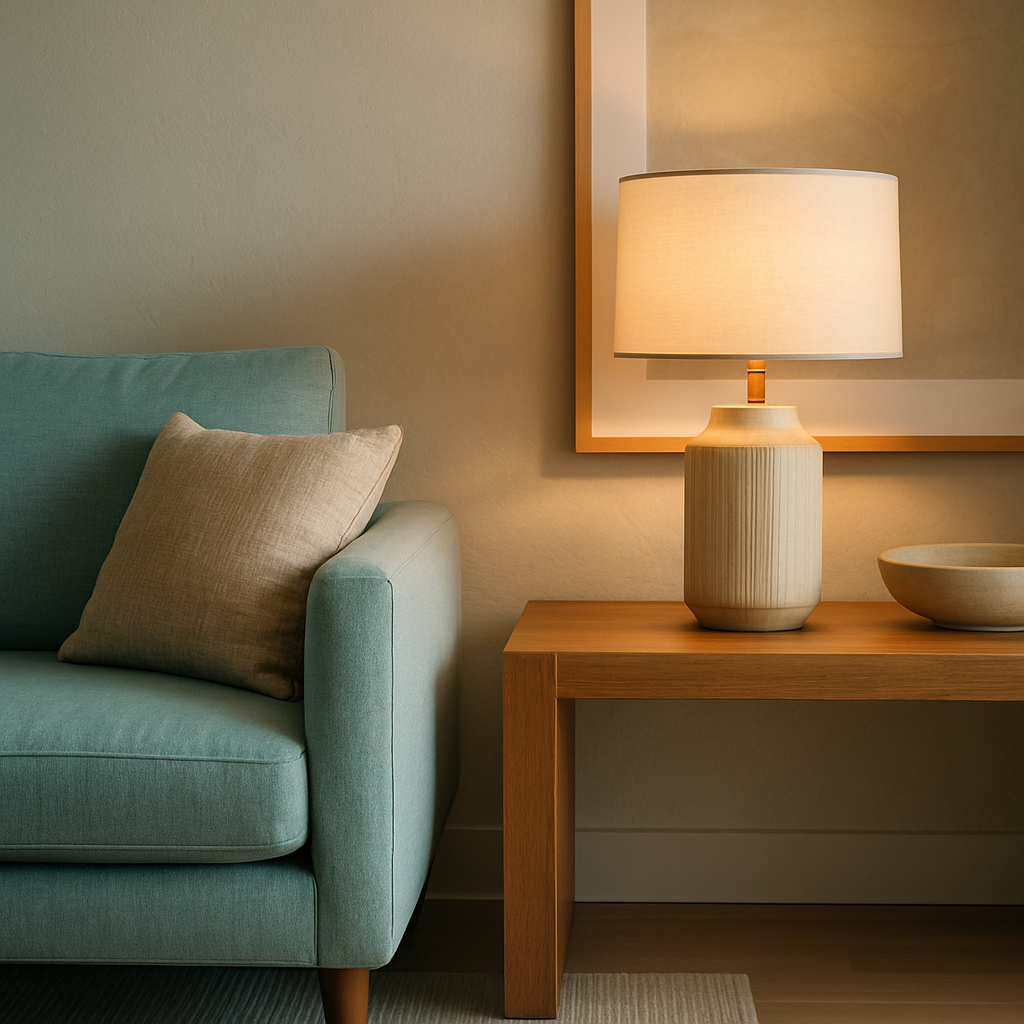
Have you ever walked into a room and felt an unexplainable sense of calm and harmony? This is the magic of expert interior design. According to a Houzz survey, 87% of homeowners reported that their home environment significantly impacts their well-being. Transforming your space into a modern sanctuary requires more than just a keen eye for aesthetics; it involves strategic planning and expert insight. In this article, we will explore foundational concepts of modern interior design, delve into deeper analyses with data, and offer actionable strategies to help you create a space that is both stylish and functional. From understanding industry trends to incorporating expert-level details, this comprehensive guide is designed to elevate your design approach and inspire transformation.
Understanding the Foundational Concepts of Modern Interior Design
Modern interior design is often characterized by clean lines, minimalistic elements, and a focus on functionality without sacrificing beauty. Central to this concept is the idea of biophilic design, which integrates natural materials and elements into interior spaces. This approach not only enhances the aesthetic appeal but also promotes a sense of well-being by fostering a connection to nature. The use of wood, stone, and indoor plants are common examples of biophilic design that can transform a mundane space into a calming retreat.
Another foundational concept is the idea of open spaces. Modern designs often favor an open floor plan, which eliminates unnecessary walls and barriers, creating a seamless flow from room to room. This not only maximizes the use of space but also allows for greater flexibility in furniture arrangement and decor. When you think about your space, consider how you can open it up to enhance both movement and visual breadth.
Lighting also plays a crucial role in modern interior design. Natural light is highly valued, often complemented by smart lighting solutions that adjust based on the time of day or activity. Imagine a living room that transitions from bright, energizing light in the morning to a warm, soft glow by evening. This dynamic lighting not only enhances functionality but also adds a layer of sophistication to your interior.
Together, these foundational concepts set the stage for a modern interior that is both inviting and practical-a perfect balance of form and function.
Analyzing Modern Interior Design Trends with Data
Home design trends are constantly evolving, and staying informed can give you an edge in creating a timeless yet contemporary space. According to the American Society of Interior Designers (ASID), sustainability is at the forefront of design considerations, with homeowners increasingly opting for sustainable and reclaimed materials. This trend is driven by a growing awareness of environmental impacts and a desire for eco-friendly living spaces.
The use of technology in interior design is another trend gaining momentum. Smart home integration, including automated window treatments, climate control, and lighting systems, makes it easier to manage and enjoy your home environment. Industry surveys suggest that homes with integrated smart technology see a 10-15% increase in market value, reflecting the demand for high-tech, efficient living spaces.
Additionally, the Japandi trend, a fusion of Japanese minimalism and Scandinavian warmth, is making waves in the interior design community. This style emphasizes simplicity, functionality, and natural materials, offering a tranquil and balanced environment. Are you drawn to the calm and clean aesthetics of Japandi? Incorporating elements of this style can refresh your space with a modern yet serene vibe.
Understanding these trends not only keeps your design current but also enhances the livability and resale value of your home.
Actionable Strategies for Modernizing Your Home
Now that we've explored the foundational concepts and current trends, let's dive into actionable strategies you can implement. Start by decluttering your space; a minimalist approach is central to modern design. This doesn't mean you need to strip your home bare but rather focus on keeping only what adds value and joy. Consider Marie Kondo's philosophy of surrounding yourself with items that spark joy, and let go of the rest.
Next, invest in quality over quantity. Opt for a few well-chosen pieces of furniture that stand out for their design and craftsmanship. According to the International Interior Design Association (IIDA), investing in timeless, high-quality pieces can actually save you money in the long run by avoiding frequent replacements. Wouldn't you prefer a single, stunning sofa over multiple mediocre ones?
Finally, personalize your space with art and accessories that reflect your personality. Instead of following trends blindly, incorporate elements that resonate with you personally. This could be through bold artwork, unique textiles, or travel mementos. Remember, your home should tell your story, so choose pieces that you love and that speak to who you are.
These strategies will not only modernize your home but also make it uniquely yours.
Expert-Level Details for a Standout Design
For those looking to elevate their design to an expert level, consider the impact of texture and layering. Experienced professionals often note that a room lacking texture can feel flat and uninspired. Incorporate a variety of materials such as velvet, linen, and metal to add depth and interest. Imagine the subtle elegance of a velvet armchair against a cool metal coffee table-it's these contrasts that create visual intrigue.
A color palette is another powerful tool in your design arsenal. Select a cohesive color scheme that complements your overall aesthetic. The NCIDQ (National Council for Interior Design Qualification), a gold-standard credential, suggests using a neutral base with pops of color to keep the space dynamic yet harmonious. Have you considered how a splash of bold color could transform your space?
Additionally, consider spatial arrangement and balance. The flow of a room can significantly affect its functionality and feel. Use furniture and decor to guide movement and create zones for different activities. The American Institute of Architects (AIA) often emphasizes the importance of designing with purpose, ensuring each area serves a specific function without overcrowding the space.
Integrating these expert details can truly set your design apart, making it both visually appealing and highly functional.
Additional Depth: The Role of Professional Help
While many homeowners enjoy the process of DIY design, there are times when professional expertise can make all the difference. Certified interior designers, holding credentials from organizations like NCIDQ, ASID, or IIDA, bring a wealth of knowledge and experience to your project. They can offer solutions that you may not have considered and ensure that every aspect of your design is cohesive and well-executed.
Professional designers also have access to exclusive resources, from high-end furniture showrooms to bespoke fabric options. Their industry connections can streamline the procurement process, saving you both time and potential headaches. Are you considering hiring a designer for your next project? Knowing their fee structures-whether a flat fee, hourly rate, or percentage of the total cost-can help you budget effectively.
Ultimately, the decision to hire a professional depends on your personal preferences and the scope of your project. However, their expertise can be invaluable, especially for complex or large-scale renovations.
Understanding when to seek professional help ensures that your design vision is realized with precision and style.
Final Perspectives on Modern Interior Design
As we wrap up, it's important to remember that modern interior design is about more than just aesthetics; it's about creating a space that enriches your life and enhances your well-being. Whether you're drawn to biophilic elements or smart technology, the key is to design a home that reflects your lifestyle and aspirations.
By applying the strategies and concepts discussed, you can transform your space into a modern haven that is both functional and beautiful. Take the time to explore different styles, experiment with textures and colors, and don't be afraid to make bold choices. After all, your home is a reflection of you, and it should be a place where you feel truly at ease.
Conclusion: Take the First Step Today
In conclusion, modernizing your home is a journey that combines creativity, strategy, and expertise. From foundational concepts to expert-level details, each step plays a crucial role in transforming your space. As you embark on this journey, consider starting by browsing designer portfolios on platforms like Houzz. Even 20 minutes of research can provide valuable inspiration and sharpen your eye for what you want.
Are you ready to transform your space? Take the first step today by exploring new ideas and incorporating the tips shared in this guide. With careful planning and a touch of creativity, you can create a home that is not only modern but also a true reflection of your personal style.



Comments
Post a Comment