How to Achieve a Cohesive Look with Transitional Interior Design Elements
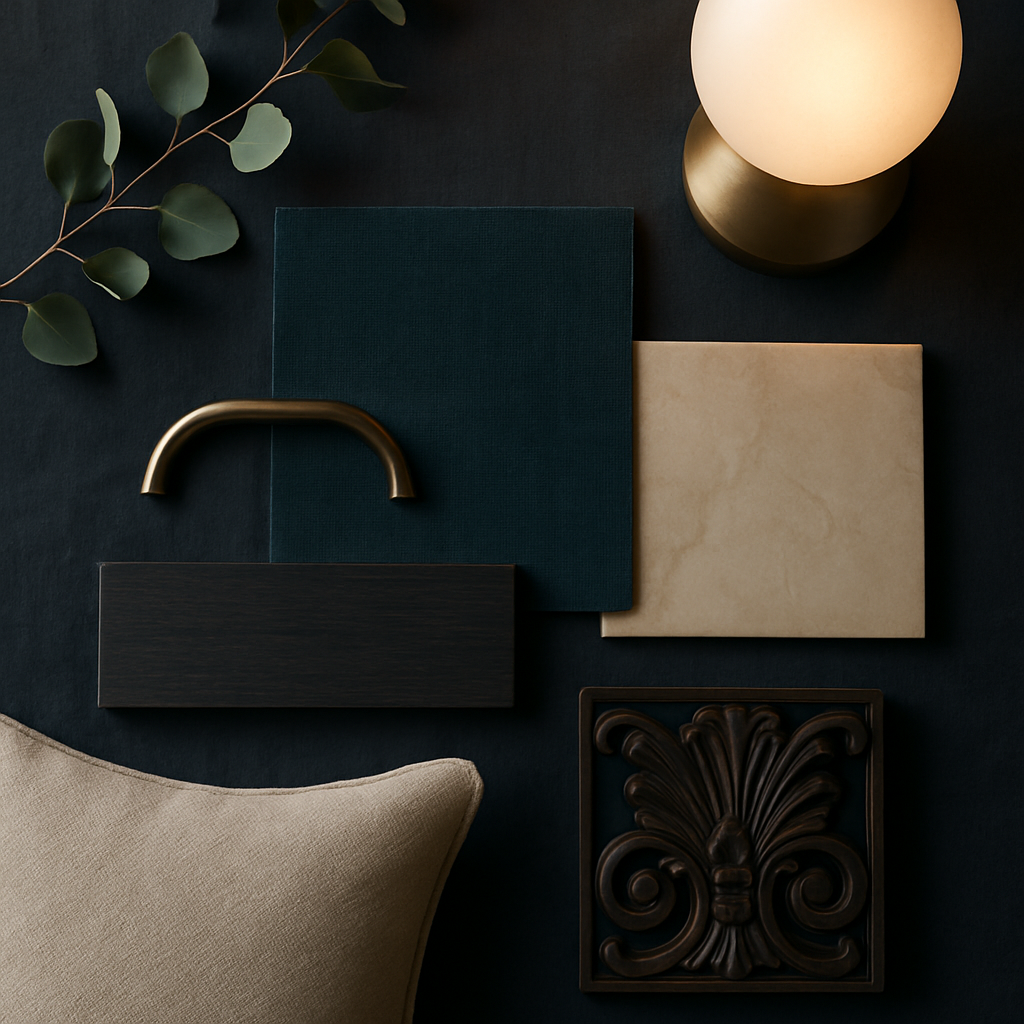
Imagine walking into a home where modern clean lines seamlessly blend with classic elegance, creating a space that feels both inviting and refined. This is the magic of transitional interior design, a style that artfully combines the best of traditional and contemporary aesthetics. According to the American Society of Interior Designers (ASID), transitional design is one of the most sought-after styles for homeowners looking to revamp their spaces in 2026. This article will guide you through the principles of transitional design, offer data-backed insights, provide actionable strategies, delve into expert nuances, and ultimately help you achieve a cohesive look in your home.
Understanding the Foundations of Transitional Design
At its core, transitional interior design is characterized by a harmonious blend of traditional and modern elements. This style thrives on the balance between classic furniture pieces and contemporary accents. According to Houzz, a leading platform for home renovation and design, transitional spaces often feature neutral color palettes, which serve as a backdrop for mixing textures and materials. This approach allows homeowners to enjoy the comfort of traditional design while embracing the simplicity of modern aesthetics.
One of the key elements of transitional design is the strategic use of furniture. Unlike purely modern or traditional styles, transitional design encourages the use of classic pieces with clean lines. For instance, a Chesterfield sofa might be paired with a sleek, minimalist coffee table. This combination creates an elegant yet approachable living space. The National Council for Interior Design Qualification (NCIDQ) notes that incorporating such eclectic mixes can enhance a room's depth and appeal.
Color plays a crucial role in transitional design. Typically, this style leans towards a neutral palette-think whites, taupes, and grays. These colors provide a versatile foundation that can be paired with bold accents or maintained for a serene atmosphere. The subtlety of these hues allows for a seamless integration of diverse design elements, ensuring that the space feels cohesive rather than chaotic.
Understanding these foundational principles sets the stage for a deeper dive into transitional design strategies. But how do you ensure that your interiors not only look cohesive but also reflect your personal style?
Delving Deeper: Transitional Design in Practice
To truly embrace transitional design, it is essential to understand how to effectively mix different styles. According to industry surveys from Architectural Digest's AD PRO network, 70% of successful transitional spaces include a thoughtfully curated blend of textures and patterns. For example, pairing a plush velvet armchair with a sleek glass table introduces a tactile contrast that is visually appealing.
Furthermore, transitional design often incorporates natural materials such as wood, stone, and metal, which add warmth and texture to a space. Houzz reports that incorporating biophilic elements-like plants and natural light-can enhance the indoor-outdoor flow, a trend that is gaining popularity in 2026. By integrating these materials, you can create a space that feels grounded and timeless.
Lighting also plays a pivotal role in transitional design. A blend of ambient, task, and accent lighting can create a layered effect that highlights different areas of a room. According to ASID, well-planned lighting not only enhances the aesthetic appeal of your interiors but also improves functionality. Consider using modern pendant lights alongside classic chandeliers to achieve a balanced illumination scheme.
As we move into actionable strategies, think about how these elements can be tailored to suit your specific space and needs. Are you ready to transform your home with transitional design principles?
Actionable Strategies for a Cohesive Transitional Design
Creating a cohesive transitional design involves more than just mixing styles; it requires careful planning and execution. Start by evaluating the existing elements in your home. Which pieces are worth keeping? Experienced professionals often note that retaining high-quality traditional furniture can serve as a solid foundation for layering modern elements.
Next, consider the layout of your space. Transitional design thrives on balance and proportion. Map out key areas in each room to determine where traditional and contemporary elements can coexist. For instance, placing a modern rug under a vintage dining table can tie the room together, providing both visual interest and cohesion.
Another effective strategy is to incorporate artwork and accessories that resonate with both styles. A contemporary abstract painting can complement a traditional sideboard, while classic sculptures can add a touch of elegance to a modern shelf. According to Pinterest trends, such thoughtful combinations are highly effective in achieving a cohesive look.
Having laid out these strategies, the next step is to delve into the expert nuances that elevate transitional design beyond the basics. What insider tips can you leverage to refine your interior spaces?
Expert-Level Details to Elevate Your Design
Transitional design may seem straightforward, but mastering its subtleties requires an understanding of advanced techniques. One such technique is the use of symmetry. The International Interior Design Association (IIDA) suggests that symmetry can create a sense of order and harmony, making spaces feel more inviting. Try arranging furniture and decor in pairs to achieve this effect.
Another expert tip is to focus on the quality of materials. Invest in high-end finishes and fabrics that add a layer of luxury to your home. Quiet luxury, a trend highlighted by industry leaders, emphasizes understated elegance through the use of premium materials. Think cashmere throws or leather upholstery that elevate the tactile experience of a room.
Finally, consider the role of technology in transitional design. Smart home integration allows for seamless control of lighting, climate, and window treatments, enhancing both functionality and style. The adoption of AR/VR room visualization tools can also help in planning and executing your design vision with precision.
With these expert insights in mind, you are well-equipped to refine your transitional design approach. But what additional considerations should you keep in mind as you embark on this journey?
Additional Considerations for a Cohesive Look
While transitional design offers a versatile framework, it is important to consider the unique characteristics of your space. Are there architectural features that should be highlighted or concealed? Working with certified interior designers, such as those with NCIDQ credentials, can provide valuable guidance in navigating these challenges.
Budget is another crucial factor. Houzz data indicates that a single room redesign in a transitional style typically ranges from $5,000 to $15,000, whereas a full-home project may exceed $50,000. Understanding these cost implications can help you prioritize spending on key elements that define your space.
Finally, think about how your design choices impact the overall value of your home. Well-executed transitional interiors have been shown to increase resale value by 5-15%. This statistic underscores the importance of thoughtful design decisions that not only enhance your living experience but also offer long-term financial benefits.
As you wrap up your planning, consider the final perspectives that can bring your transitional design vision to life. How can you ensure that your efforts culminate in a truly cohesive home?
Final Perspectives on Transitional Design
Achieving a cohesive look with transitional design elements is a rewarding endeavor that combines creativity with strategic planning. As you refine your approach, remember that personal style is at the heart of this process. By integrating elements that resonate with you, your home becomes a reflection of your personality.
Engage with resources and platforms like Houzz and Instagram to gather inspiration and connect with professionals who can help bring your vision to fruition. Whether you are tackling a single room or an entire home, collaboration and research are key to success.
Ultimately, the journey to a cohesive transitional design is about creating spaces that are both timeless and tailored to your lifestyle. What steps will you take to start this transformation and make your home uniquely yours?
Conclusion: Bringing It All Together
Transitional interior design offers a unique opportunity to blend the old with the new, creating spaces that are both elegant and inviting. By understanding the foundational principles, exploring deeper analyses, implementing actionable strategies, and considering expert insights, you can achieve a cohesive look that enhances your home's aesthetic and value.
Start by browsing portfolios on Houzz this week-invest even just 20 minutes to sharpen your eye for what resonates with your style. As you embark on this journey, remember that transitional design is not just about aesthetics; it's about crafting a living environment that feels uniquely yours.
Ready to transform your space with transitional design elements? Take the first step today and watch as your home evolves into a masterpiece of timeless elegance.



Comments
Post a Comment