The Art of Mixing Styles: How to Blend Modern and Vintage Interior Designs
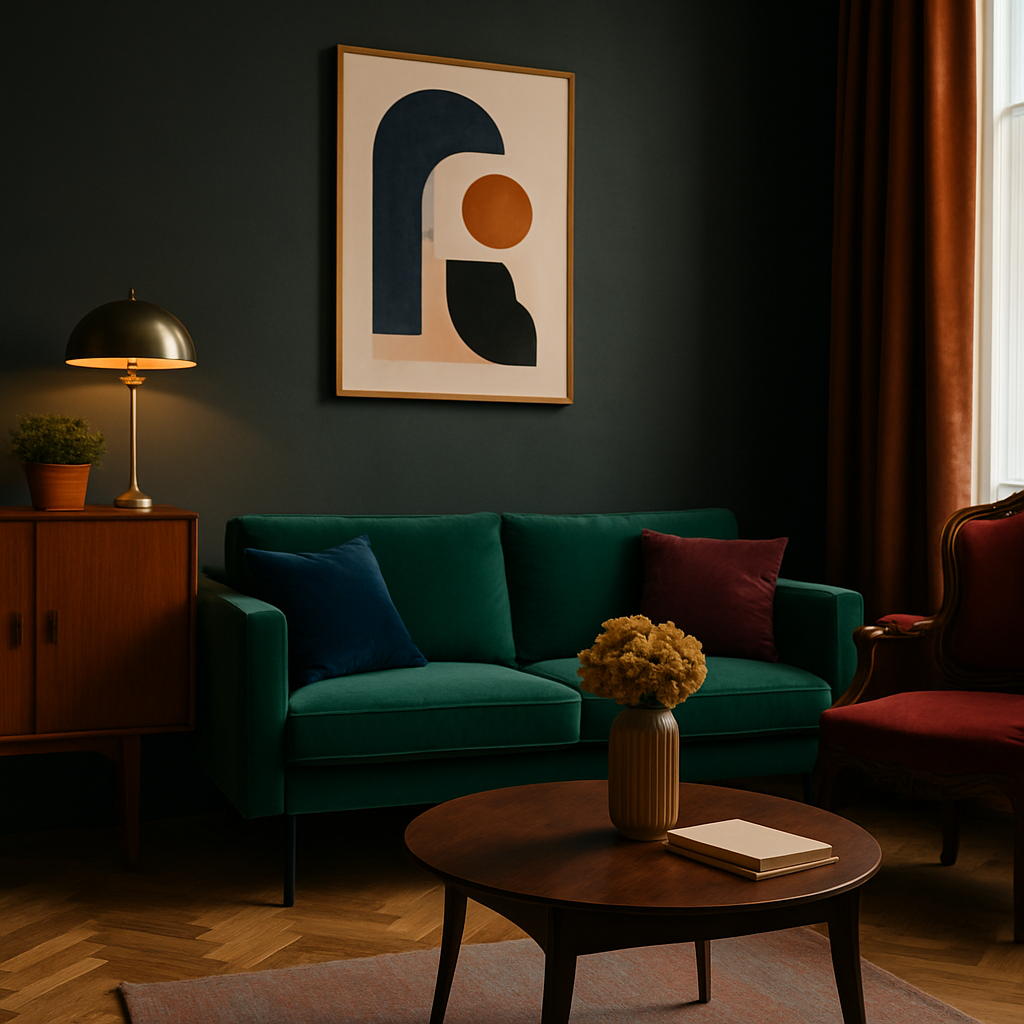
Imagine stepping into a room where sleek modern lines coexist harmoniously with the rich textures of vintage furniture. This fusion creates an environment that feels both innovative and timeless. According to a Houzz survey, many homeowners find value in mixing styles, with 42% citing a desire for a unique aesthetic as their primary motivation. Blending modern and vintage interior design styles not only satisfies this craving for individuality but also helps create a distinctive space that reflects personal taste and history. This article will explore foundational concepts, delve into deeper analyses with real data, provide actionable strategies, and offer expert-level insights into mastering this artful blend.
Foundational Concepts of Mixing Styles
To successfully blend modern and vintage styles, it's crucial to understand the core characteristics of each. Modern design is defined by simplicity, clean lines, and a minimalist approach. It often utilizes neutral color palettes and materials like glass, steel, and concrete. In contrast, vintage design encompasses a range of styles from different eras, often characterized by ornate details, rich textures, and warm colors. The key to merging these styles lies in balance and contrast, ensuring that neither style overwhelms the other.
One foundational principle is to establish a dominant style that serves as the backdrop for accents of the other. For instance, let a modern aesthetic form the room's structure with vintage elements introduced through furniture or decor. This approach provides a cohesive look while allowing individual pieces to stand out. Experienced designers often suggest starting with larger modern pieces and introducing vintage accessories to add depth and interest.
Another critical concept is to create visual harmony through repetition of color and texture. Consider choosing a limited color palette that incorporates elements from both styles. For example, a modern steel coffee table can be paired with a vintage rug that echoes the same color tones. This not only ties the room together but also highlights the unique qualities of each piece. With these foundational concepts, you can create a space that feels both cohesive and dynamic.
Deeper Analysis: Data and Trends
The blending of modern and vintage styles is not just a trend but a response to a deeper desire for authenticity and personalization in home design. According to the American Society of Interior Designers (ASID), there is a growing trend towards personal expression in interior spaces, with 60% of homeowners aiming for a mix of styles in their decor. This trend reflects a broader cultural shift towards valuing individuality and sustainability, as vintage items are often repurposed or upcycled.
Data from Architectural Digest's AD PRO network shows that this blend is most popular among millennials and Gen Z, who value sustainability and personalization. As these demographics become the primary homeowners, the demand for mixed-style interiors is expected to rise. Homeowners are increasingly turning to platforms like Houzz and Pinterest for inspiration, where they can explore endless possibilities of style combinations.
Moreover, the economic value of mixing styles can be significant. Homes with well-executed mixed interiors often see a higher resale value, typically 5-15% more according to real estate market analyses. This is because such designs appeal to a broader range of buyers, offering a unique selling point in a competitive market. As we transition into the next section, consider how this trend towards personalization and sustainability impacts your design choices.
Actionable Strategies for Blending Styles
Ready to start blending modern and vintage styles in your own home? Begin by assessing your space and existing furniture. Identify which pieces you love and want to keep, and which areas need a fresh touch. Experienced professionals often note that starting with a blank canvas allows for greater creativity in incorporating diverse styles. Don't be afraid to experiment with different combinations to find what resonates with your personal taste.
Next, focus on scale and proportion. A common mistake is to let one style dominate due to mismatched furniture sizes. Ensure that your modern and vintage pieces are proportionate to each other and the room. For example, a large modern sofa can be balanced with a vintage armchair of similar size, creating a harmonious seating area. Use rugs and lighting to define spaces and enhance the blend.
Lastly, incorporate statement pieces that tie the room together. A vintage chandelier in a modern room can serve as an eye-catching element that draws the styles together. Similarly, a modern art piece can add a contemporary touch to a vintage setting. Remember, the goal is to create a space where different styles not only coexist but complement each other. As we dive into expert-level details, think about how these strategies can be applied to your own design challenges.
Expert-Level Insights into Style Blending
When it comes to blending modern and vintage styles, understanding materiality is crucial. Materials can make or break a mixed-style design. Industry experts often recommend integrating natural materials like wood and stone, which can act as a bridge between modern and vintage elements. For instance, a reclaimed wood table can pair beautifully with modern acrylic chairs, creating an interplay of textures that feels intentional and cohesive.
Another expert tip is to pay attention to the era of vintage pieces. Mixing pieces from vastly different time periods can sometimes result in a disjointed look. Instead, aim to find common threads, such as similar color shades or motifs, to unify different elements. The International Interior Design Association (IIDA) suggests working with a color palette that incorporates tones from both modern and vintage items, creating a seamless transition between styles.
Finally, consider the use of technology in your space. Smart home integration, such as automated lighting and climate control, is a hallmark of modern design. These features can be subtly incorporated into vintage settings, enhancing functionality without detracting from the aesthetic. As we explore additional expert details, ponder how using these insights can elevate your interior design project to a professional level.
Additional Depth: Leveraging Design Tools
Incorporating modern and vintage styles can be greatly facilitated by leveraging digital design tools. Augmented Reality (AR) and Virtual Reality (VR) tools are gaining traction among interior designers for room visualization. These tools allow you to experiment with different style combinations in a virtual space before making any physical changes. Platforms like Houzz offer AR features that let you see how a vintage chair might look alongside your modern coffee table.
Furthermore, consider using mood boards to explore your style preferences. Pinterest is a fantastic resource for collecting inspiration and creating a visual representation of your design vision. By curating a collection of images that resonate with you, you can identify patterns and preferences that will guide your design choices. Mood boards also provide a useful tool for communicating your vision to a professional interior designer if you choose to hire one.
Finally, don't overlook the value of professional guidance. Certified interior designers, particularly those holding credentials like NCIDQ (National Council for Interior Design Qualification), have the expertise to seamlessly merge styles while considering factors like scale, balance, and functionality. Engaging a professional can help refine your vision and ensure a polished final result. As we wrap up, reflect on how these tools and resources can assist you in creating a space that is uniquely yours.
Final Perspectives on Style Blending
Blending modern and vintage styles is an art form that requires a keen eye and thoughtful execution. It's about creating a dialogue between the past and present, where each piece tells a story while contributing to a cohesive narrative. This approach not only results in a beautiful space but also one that feels deeply personal and inviting. Are you ready to embark on this creative journey?
Consider the emotional and practical benefits of a mixed-style home. While it offers aesthetic appeal, it also provides an opportunity to showcase personal history and values through design. The joy of mixing styles lies in the flexibility it offers, allowing you to continuously evolve your home as your tastes change. As you ponder these final thoughts, envision the potential your space holds.
Conclusion: Take the Next Step in Your Design Journey
Blending modern and vintage interior designs is a rewarding endeavor that can transform your home into a space that is both stylish and meaningful. By understanding foundational concepts, leveraging expert insights, and utilizing modern tools, you can create an interior that reflects your unique personality. Ready to start? Begin by browsing designer portfolios on Houzz this week - even 20 minutes of research will sharpen your eye for what you want. Remember, the perfect blend of styles is within your reach. Embrace the process and enjoy the journey of creating a home that truly resonates with you.



Comments
Post a Comment