The Art of Cooking: How Chicken Recipes Can Inspire Your Kitchen Design
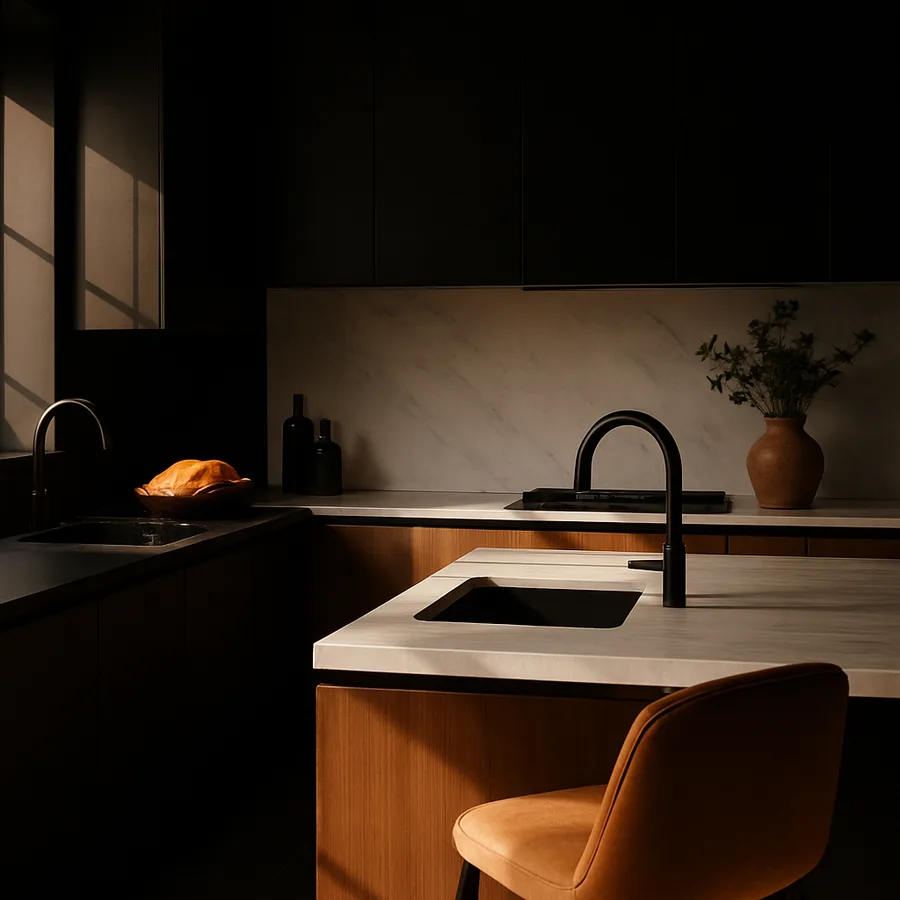
The kitchen has always been the heart of the home, a place where creativity flourishes and memories are forged over shared meals. What many homeowners overlook is the profound connection between the food we prepare and the spaces we design for preparation. Chicken recipes, among the most versatile and universally beloved dishes across cultures, offer a surprising wellspring of inspiration for kitchen design. From the warm golden hues of a perfectly roasted bird to the vibrant greens of herb-crusted preparations, culinary aesthetics translate beautifully into design choices. According to the American Society of Interior Designers (ASID), kitchens remain the most renovated room in American homes, with homeowners spending an average of $25,000 to $50,000 on mid-range remodels. This investment reflects a growing desire to create spaces that are not merely functional but genuinely inspiring. Have you ever considered how the dishes you love to cook might shape the kitchen you dream of building? The intersection of culinary passion and interior design offers a fascinating lens through which to reimagine your most important room.
Color Palettes Drawn from Culinary Traditions
The colors found in chicken dishes from around the world provide an extraordinary foundation for kitchen color schemes. Consider the deep saffron yellows and paprika reds of a Spanish paella, the earthy turmeric golds of an Indian butter chicken, or the fresh herb greens of a French poulet aux herbes. Each of these dishes carries a distinct color story that translates directly into wall paint selections, backsplash tile choices, and countertop material decisions. Interior designers affiliated with the International Interior Design Association (IIDA) frequently recommend drawing color inspiration from personal passions, and cooking ranks among the most personal activities in any home. The connection between food color and space color is not merely aesthetic but deeply psychological.
Research published by the National Kitchen and Bath Association indicates that warm-toned kitchens increase the perceived comfort of a space by nearly 40 percent compared to cooler alternatives. The golden tones associated with roasted chicken dishes -- think crispy skin glazed with honey and mustard -- create an atmosphere of warmth and welcome that few other palettes can match. Saffron-inspired walls paired with cream cabinetry evoke the richness of Mediterranean cooking without overwhelming the senses. Terracotta accents reminiscent of tagine-roasted chicken bring North African warmth into suburban homes. These color choices ground the kitchen in culinary tradition while maintaining contemporary appeal.
The quiet luxury trend currently sweeping interior design aligns perfectly with the subtle, sophisticated tones found in elevated chicken preparations. Muted sage greens inspired by herb-crusted roasts, soft butter yellows reminiscent of lemon-pepper preparations, and warm ivory tones echoing creamy sauces all contribute to a palette that feels both refined and approachable. Designers certified through the National Council for Interior Design Qualification (NCIDQ) emphasize that the most successful kitchens tell a cohesive story through color. When that story begins with the food you love to cook, the result is a space that feels authentically yours rather than borrowed from a magazine spread.
Texture and Material Selections Inspired by Ingredients
Beyond color, chicken recipes offer rich textural inspiration for kitchen material selections. The rough, rustic quality of a cast-iron-seared chicken thigh suggests raw-edge wood countertops or hand-thrown ceramic tile. The smooth, glossy finish of a perfectly glazed teriyaki breast points toward polished quartz surfaces and lacquered cabinetry. Texture in kitchen design serves the same purpose as texture in cooking -- it creates dimension, interest, and a sensory experience that engages beyond the purely visual. The interplay between rough and smooth, matte and glossy, creates the kind of dynamic environment that professional chefs and home cooks alike find inspiring.
Houzz reports that textural contrast is among the top three design priorities for kitchen renovations, with 67 percent of surveyed homeowners expressing a preference for mixed-material kitchens over uniform finishes. A kitchen inspired by rustic French rotisserie might combine rough-hewn reclaimed wood shelving with smooth marble countertops and hammered copper hardware. One drawing from the aesthetic of Japanese yakitori preparation could feature clean-lined bamboo accents alongside sleek stainless steel surfaces and handmade ceramic backsplash tiles. These material combinations create visual and tactile interest that transforms a kitchen from a mere workspace into an experiential destination.
The biophilic design movement, which emphasizes natural materials and organic forms, dovetails beautifully with ingredient-inspired material choices. Fresh herbs growing in a windowsill planter, wooden cutting boards displayed as art, and stone surfaces that echo the natural world all contribute to a kitchen that feels connected to the food prepared within it. What materials in your current kitchen reflect the cooking traditions you hold dear? Answering this question can unlock design possibilities that catalog shopping never reveals. The most resonant kitchen designs emerge from personal connection rather than trend-following, and the ingredients you handle daily offer the most intimate possible starting point.
Layout and Workflow Optimization for the Home Chef
The way you move through a chicken recipe -- from prep to seasoning to cooking to plating -- should directly inform your kitchen layout. Professional kitchen design has long been governed by the work triangle concept, connecting refrigerator, stove, and sink in an efficient pattern. However, modern interior design thinking, championed by organizations like ASID, has evolved beyond this simple model toward zone-based layouts that accommodate the full spectrum of cooking activities. A kitchen designed for serious chicken preparation might include a dedicated marinating station, a spice organization zone, and a carving area with proper lighting and drainage.
Consider the workflow of preparing a complex chicken dish like coq au vin. You need space for vegetable prep, a station for browning the meat, room for deglazing and sauce construction, and finally a serving area for plating. Each of these activities demands specific countertop space, proximity to particular tools, and appropriate lighting. The NKBA recommends a minimum of 158 inches of countertop frontage for a fully functional kitchen, but serious cooks often benefit from significantly more. Island configurations have become particularly popular because they provide the flexible workspace that multi-step recipes demand, allowing the cook to pivot between tasks without crossing the kitchen repeatedly.
Ergonomic considerations play a crucial role in kitchen layouts designed around actual cooking practices. Counter heights should accommodate the specific tasks performed at each station -- lower surfaces for kneading and rolling, standard height for general prep, and elevated surfaces for tasks that require precision like deboning or carving. Storage solutions should place frequently used items within arm's reach of their point of use. The kitchen that truly serves a passionate cook is one designed not from an abstract blueprint but from an honest assessment of how cooking actually happens in that specific household. Every recipe you master is a data point for better kitchen design.
Lighting Design That Enhances Both Cooking and Ambiance
Lighting in a cooking-inspired kitchen serves a dual purpose that demands careful consideration. Task lighting must be bright enough and properly positioned to illuminate knife work, temperature monitoring, and the subtle color changes that indicate doneness -- the difference between golden-brown and burnt is a matter of visual precision. Ambient lighting must create the warm, inviting atmosphere that makes the kitchen a gathering place. The challenge lies in achieving both without compromise. Layered lighting schemes that combine under-cabinet task lights, pendant fixtures over islands, and dimmable overhead options provide the flexibility that cooking-inspired kitchens require.
The Japandi design trend, which merges Japanese minimalism with Scandinavian warmth, offers particularly effective lighting solutions for culinary spaces. Clean-lined pendant fixtures in natural materials like wood and linen provide focused task illumination while contributing to the organic aesthetic. Recessed lighting on dimmer switches allows seamless transition from bright prep conditions to soft entertaining ambiance. According to the IIDA, proper kitchen lighting increases both safety and satisfaction, with well-lit kitchens receiving the highest comfort ratings in residential satisfaction surveys. The color temperature of bulbs matters enormously -- warm whites in the 2700K to 3000K range render food and finishes most accurately.
Natural light deserves special attention in any kitchen designed around culinary pursuits. The ability to assess the true color of ingredients, gauge the doneness of a roast by its appearance, and simply enjoy the process of cooking all benefit from generous natural illumination. Skylights, enlarged windows over prep areas, and glass doors leading to herb gardens or outdoor grilling spaces all enhance the connection between cooking and the natural world. Designers working with NCIDQ certification standards consistently emphasize that natural light is the single most impactful element in kitchen satisfaction. A kitchen that floods with morning light transforms the daily ritual of coffee and breakfast preparation into something genuinely uplifting.
Storage Solutions That Celebrate Culinary Tools
The tools and equipment used in chicken preparation deserve storage solutions that balance accessibility with aesthetic display. Open shelving has surged in popularity precisely because it allows beautiful cookware, artisanal cutting boards, and curated spice collections to become part of the kitchen's visual identity. A well-organized collection of cast iron skillets, each seasoned to a unique patina, tells a story that closed cabinetry conceals. The ASID has noted that display-oriented storage is a defining feature of the quiet luxury movement in kitchen design, where quality pieces are celebrated rather than hidden.
Specialized storage for cooking enthusiasts extends beyond basic cabinetry to include features that professional kitchens have long employed. Magnetic knife strips mounted on attractive wood backing, pull-out spice racks organized by cuisine type, and dedicated drawer inserts for thermometers and specialty tools all contribute to a kitchen that functions as efficiently as it appears. Pot racks suspended from the ceiling or mounted on walls serve dual duty as storage and decoration, particularly when populated with copper or enameled pieces that complement the kitchen's color palette. Every storage decision is simultaneously a design decision.
The smart home integration trend has introduced new possibilities for kitchen storage and organization. Inventory management systems that track pantry contents, motorized shelving that descends to accessible heights, and illuminated cabinet interiors that activate on opening all represent the intersection of technology and design. However, the most effective storage solutions remain those that respond to actual cooking habits rather than technological novelty. Do you reach for your roasting pan three times a week? It deserves prime real estate. Is your collection of specialty marinades growing? A dedicated pull-out rack near the refrigerator makes more sense than a distant pantry shelf. Function dictates form in storage design, and your recipes are the blueprint.
Bringing Outdoor Cooking Aesthetics Indoors
The popularity of outdoor grilling and smoking has created a fascinating cross-pollination between exterior and interior kitchen design. Chicken prepared over open flame -- whether rotisserie-roasted, wood-smoked, or charcoal-grilled -- carries a rustic aesthetic that translates powerfully into indoor kitchen spaces. Exposed brick walls, live-edge wood countertops, and industrial-style range hoods all evoke the primal appeal of cooking over fire. This design language, often described as modern rustic or industrial farmhouse, has become one of the most requested styles in residential kitchen renovation according to data from Houzz's annual kitchen trends survey.
Indoor grilling capabilities have expanded dramatically, allowing design elements inspired by outdoor cooking to serve genuine functional purposes. Built-in griddles, downdraft ventilation systems, and professional-grade range tops with open burner configurations bring the power and versatility of outdoor cooking into climate-controlled comfort. The ventilation requirements for these powerful cooking systems often dictate hood design, and savvy designers have turned this necessity into a design feature -- oversized copper hoods, custom steel vent surrounds, and statement-making chimney-style exhausts that anchor the kitchen's visual identity. The hood above your range is not merely functional equipment but the kitchen's equivalent of a fireplace mantle.
The connection between indoor and outdoor cooking spaces represents one of the most dynamic trends in residential design. Bi-fold doors that open the kitchen to an outdoor grilling terrace, pass-through windows between indoor prep areas and outdoor cooking stations, and consistent material palettes that flow from interior to exterior all create a seamless cooking environment. For the chicken enthusiast who loves both a perfectly controlled oven roast and a smoky charcoal preparation, this indoor-outdoor integration offers the best of both worlds. The kitchen becomes not a single room but a cooking ecosystem that adapts to the season, the recipe, and the occasion.
The intersection of culinary passion and interior design offers homeowners a deeply personal approach to creating their ideal kitchen. Rather than selecting finishes from a catalog or copying trends from social media, drawing inspiration from the dishes you love to cook produces spaces that are authentically meaningful. The colors, textures, layouts, and details that emerge from this approach reflect your actual life rather than an aspirational image. Whether your signature dish is a simple herb-roasted chicken or an elaborate multi-course feast featuring poultry in every course, the recipes you cherish contain a complete design vocabulary waiting to be translated into your kitchen's next chapter. Consult with an NCIDQ-certified interior designer who specializes in kitchen spaces to explore how your culinary passions can inform a renovation that feeds both body and soul. The kitchen you cook in should be as inspired as the food you create within it.
More Articles You May Like



Comments
Post a Comment