From Minimalist to Maximalist: Explore Diverse Kitchen Interior Design Styles
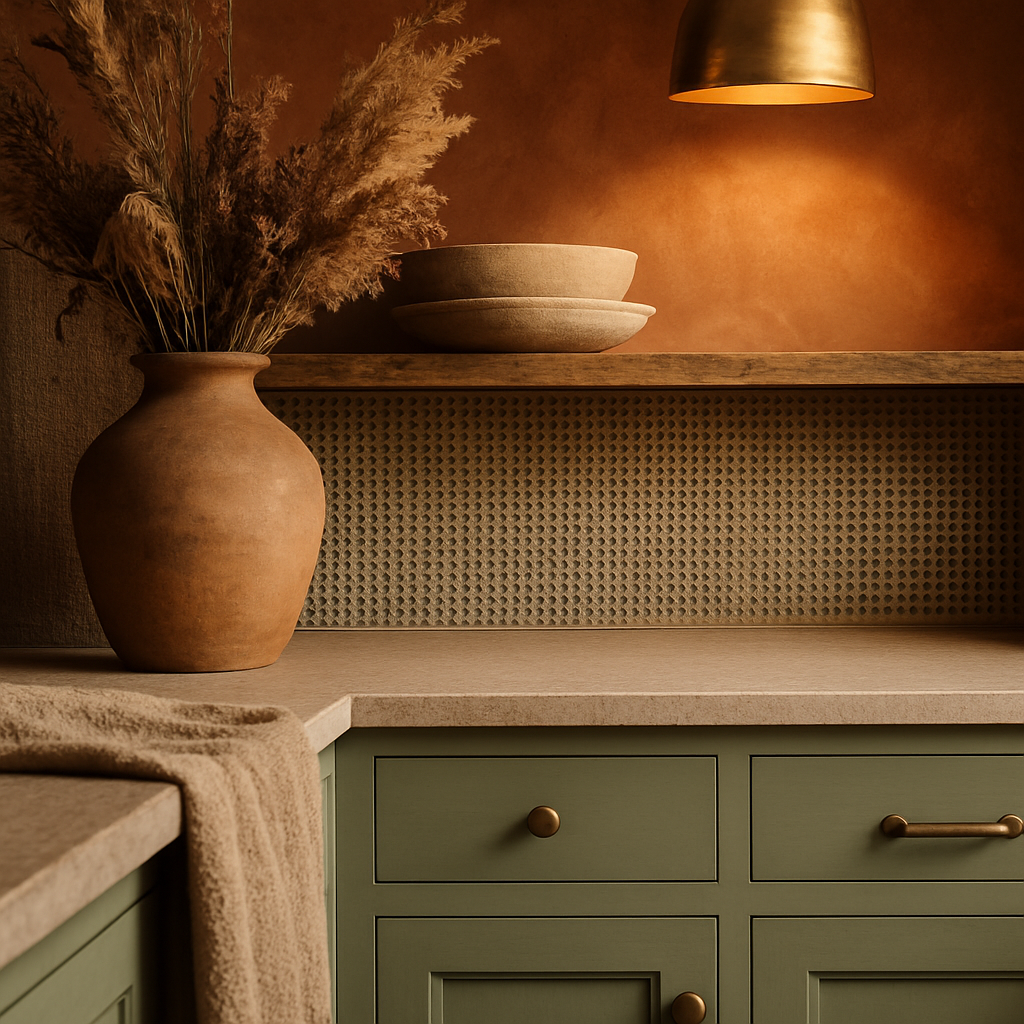
Did you know that a well-designed kitchen can increase your home's resale value by up to 15%? For many, the kitchen is more than just a place to cook; it's the heart of the home. As such, its design should reflect your personal style and meet functional demands. Whether you're drawn to the clean lines of minimalism or the vibrant layers of maximalism, understanding these diverse kitchen styles can help you create a space that truly resonates with your lifestyle. This article will guide you through the spectrum of kitchen interior design styles, from the understated elegance of minimalism to the bold expression of maximalism, offering insights and strategies to implement the perfect kitchen design for your home.
The Foundations of Minimalist Kitchen Design
Minimalist kitchen design is characterized by simplicity, clean lines, and a monochromatic palette. This style emphasizes a clutter-free environment, where each element serves a purpose. The goal is to create a serene space that promotes calm and order. According to the American Society of Interior Designers (ASID), minimalism is particularly appealing to those who appreciate efficiency and functionality in their spaces.
A typical minimalist kitchen features streamlined cabinetry, often handleless, to maintain a sleek appearance. Materials such as stainless steel, glass, and light woods are commonly used to enhance the airy feel. An open layout is essential, allowing for free movement and interaction without unnecessary barriers. Experienced professionals often note that minimalism can also be a sustainable choice, as it encourages the use of durable materials and discourages wasteful decor.
However, achieving a minimalist aesthetic doesn't mean sacrificing personality. You can introduce subtle elements of interest through textures or a singular accent item, like a piece of art or a striking light fixture. The key is to maintain the balance between simplicity and character, ensuring that the space remains functional. Transitioning from this foundational understanding, we can explore how data supports the popularity of minimalist designs.
Understanding the Appeal of Minimalist Kitchens
Industry surveys suggest that minimalist kitchen designs have been steadily gaining popularity over the years. According to a Houzz survey, over 40% of homeowners renovating their kitchens in recent years opted for a minimalist style. The primary reasons cited include the ease of maintenance and the timeless appeal of a minimalist aesthetic. The clean lines and uncluttered spaces are not only visually pleasing but also practical for busy lifestyles.
Minimalist kitchens often feature smart storage solutions that hide clutter and maintain a tidy appearance. Pull-out pantry shelves, integrated appliances, and concealed storage are common elements that contribute to the minimalist ethos. This not only keeps the kitchen looking pristine but also maximizes the use of available space, which is often a crucial consideration for urban dwellers dealing with limited square footage.
Moreover, the energy efficiency of minimalist kitchens cannot be overstated. By focusing on essential elements and eliminating superfluous ones, these designs often incorporate energy-efficient appliances and lighting solutions. This not only reduces the environmental footprint but also aligns with the increasing consumer demand for sustainable living. As we delve further, we'll uncover actionable strategies for integrating minimalist principles into your kitchen design.
Strategies for Implementing Minimalist Kitchen Design
If you're considering a minimalist kitchen, start by evaluating your current space. Map out how you actually use the room - where you prepare meals, where you dine, and where you store your kitchenware. This self-awareness will guide your decisions on which elements to keep and which to eliminate. Are there items you rarely use? Consider donating them or stowing them away to maintain a clean surface area.
Next, focus on investing in high-quality, multifunctional pieces. For example, a kitchen island that doubles as a dining table or a breakfast bar can be both space-saving and practical. When selecting materials, opt for those that are both durable and easy to maintain. Quartz countertops, stainless steel appliances, and high-gloss cabinetry are excellent choices for achieving a sleek, modern look.
Lighting plays a crucial role in minimalist design. Natural light should be maximized wherever possible, but when it's lacking, consider installing recessed lighting or under-cabinet LEDs to maintain a bright, inviting atmosphere. As you refine your minimalist kitchen, remember that less is often more. With these strategies in mind, let's transition to exploring the contrasting world of maximalist kitchen designs.
Diving into Maximalist Kitchen Design
Maximalist kitchen design embraces bold colors, eclectic patterns, and a mix of textures. Unlike minimalism's restraint, maximalism encourages you to fill your space with items that bring joy and express your personality. The International Interior Design Association (IIDA) highlights that maximalism allows for creative freedom and personal expression, making it a popular choice for those who love to showcase their unique tastes.
A typical maximalist kitchen might feature vibrant tiles, open shelving filled with colorful dishware, and an array of artwork. The use of various materials, such as marble, wood, and metal, adds depth and interest. This style thrives on the principle of 'more is more,' where layering different elements creates a rich tapestry of design.
Maximalism also supports the integration of vintage and modern pieces, providing a curated yet comfortable space. While it might seem chaotic to some, a well-executed maximalist kitchen is carefully coordinated to achieve a harmonious look. As we continue, we'll provide additional expert insights into mastering this bold design style.
Expert Insights on Balancing Maximalism
Experienced professionals often note that the key to a successful maximalist kitchen is balance. While it's tempting to go overboard with patterns and colors, maintaining a coherent theme ensures that your kitchen remains stylish rather than overwhelming. Start by selecting a color palette that includes both bold and neutral tones to ground your design.
Incorporating biophilic design elements, such as plant life or natural materials, can add a sense of calm and continuity in a maximalist kitchen. Houseplants or a living wall can serve as a natural counterpoint to the busyness of maximalist decor, creating an inviting and relaxed atmosphere. Meanwhile, using reclaimed materials can enhance the uniqueness of your kitchen while supporting sustainability.
Finally, consider how technology can complement your maximalist design. Smart home integrations, like automated lighting and climate control, can be seamlessly incorporated into a maximalist kitchen, providing functionality without detracting from the visual appeal. As you contemplate these insights, think about how the blend of maximalist and minimalist elements can lead to a truly personalized kitchen space.
Final Perspectives on Kitchen Design Styles
Whether you lean towards minimalist or maximalist design, the key is to create a kitchen that aligns with your personal and practical needs. Consider what elements make you feel most at home and how you can integrate those into your kitchen. Are you drawn to the simplicity of clean lines, or do you prefer the vibrancy of bold patterns?
Remember that these styles are not mutually exclusive. Many homeowners find a balance between the two, achieving a harmony that reflects both restraint and expression. This fusion allows for a dynamic space where functionality meets aesthetics, offering the best of both worlds.
As you embark on your kitchen design journey, keep in mind the insights shared here. By understanding the principles of both minimalist and maximalist styles, you can create a kitchen that is uniquely yours. To conclude, let's summarize the steps you can take to begin this transformation.
Conclusion: Begin Your Kitchen Design Adventure
In summary, the journey from minimalist to maximalist kitchen design offers a wide array of possibilities. By understanding the foundational principles of each style, analyzing their appeal, and implementing actionable strategies, you can create a kitchen that reflects your individuality. Whether you prefer the simplicity of minimalism or the boldness of maximalism, the choice is yours to make.
Ready to start designing your dream kitchen? Begin by browsing designer portfolios on platforms like Houzz and Instagram for inspiration. Even dedicating just 20 minutes a day to research can sharpen your eye for what you truly want. Remember, the perfect kitchen design is one that meets your needs and brings you joy every time you step into the room.
More Articles You May Like



Comments
Post a Comment