Eco-Friendly Kitchen Interiors: Sustainable Design Ideas to Inspire You
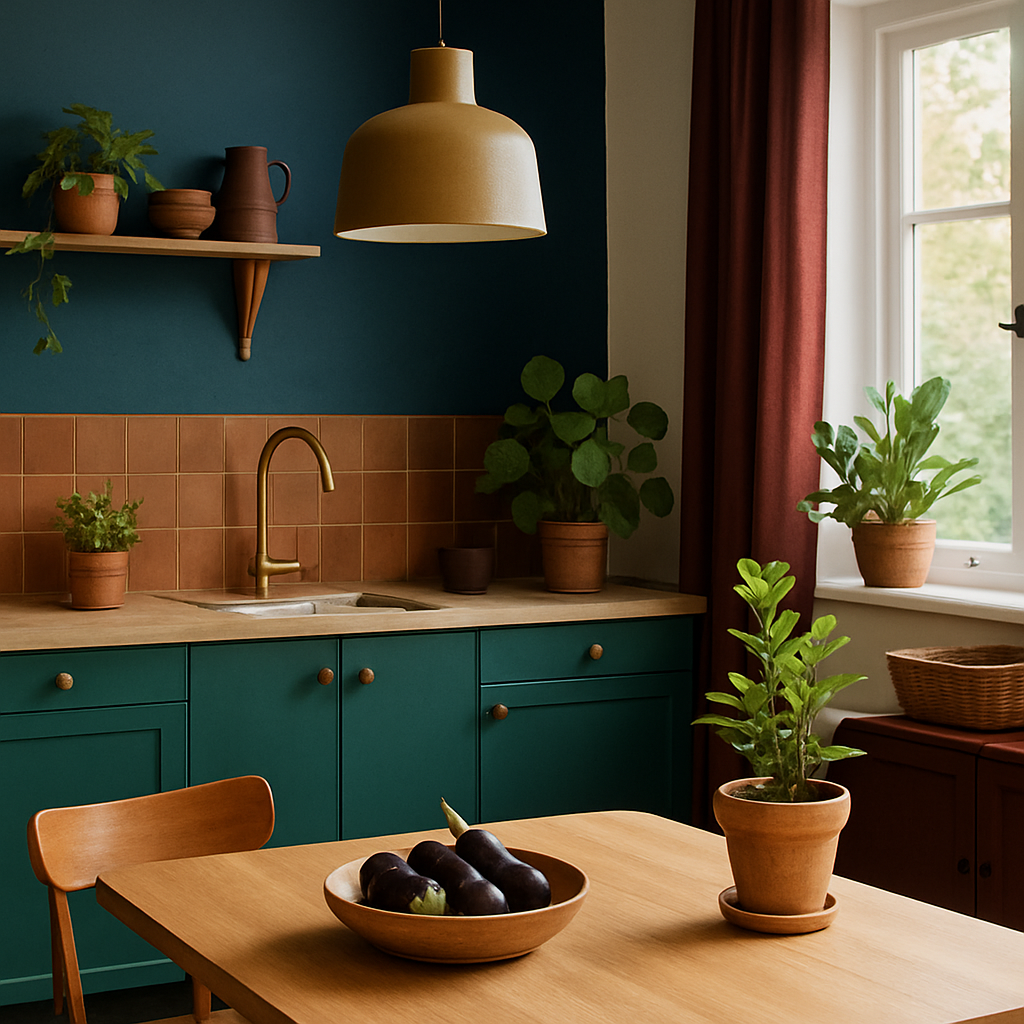
Imagine a kitchen that not only reflects your personal style but also contributes positively to the environment. With the rising awareness of climate change and the need for sustainable living, eco-friendly kitchen interiors are becoming a top priority for homeowners. According to a recent survey by Houzz, around 50% of homeowners prioritize environmentally friendly materials and energy-efficient appliances when renovating their kitchens. In this article, we'll explore foundational concepts of eco-friendly kitchen design, delve into the latest trends and data, and offer actionable strategies for creating a sustainable yet stunning space.
Understanding Eco-Friendly Kitchen Design
Eco-friendly kitchen design involves more than just choosing energy-efficient appliances; it's about a holistic approach to sustainability. The core principles include using sustainable materials, optimizing energy consumption, and reducing waste. For instance, materials like bamboo and reclaimed wood are popular among designers for their renewability and aesthetic appeal. Experienced professionals often note that choosing such materials can significantly reduce the carbon footprint of your renovation. Why settle for conventional options when you can make a positive impact?
Another crucial aspect is the use of non-toxic finishes. Many traditional paints and sealants release volatile organic compounds (VOCs), which can harm indoor air quality. Opting for low-VOC or VOC-free products not only contributes to a healthier environment but also enhances the well-being of your household. This small change can make a significant difference, especially in spaces where families spend a lot of time together.
The layout and design also play a pivotal role in creating an eco-friendly kitchen. Consider the natural flow of light and air in your space. Biophilic design, a trend that integrates nature into interior spaces, is increasingly popular. By maximizing natural light and ventilation, you not only reduce energy costs but also create a calming and refreshing environment. Do you know how your kitchen layout can affect its eco-friendliness?
Eco-Friendly Kitchen Trends and Data
The shift towards sustainable design is backed by compelling data. According to the American Society of Interior Designers (ASID), kitchens designed with eco-friendly practices can increase home resale value by up to 15%. This statistic highlights the growing market demand for environmentally conscious interiors. Moreover, a study by the National Kitchen & Bath Association (NKBA) found that 60% of homeowners are willing to pay more for sustainable kitchen solutions, underlining the importance of integrating these elements into your design.
One key trend is the integration of smart home technology. Smart appliances, such as refrigerators and ovens, can significantly reduce energy consumption through better temperature regulation and usage tracking. The International Interior Design Association (IIDA) notes that smart tech can reduce energy bills by 10-30% annually. Have you considered how incorporating smart technology can enhance the sustainability of your kitchen?
Reclaimed and recycled materials are also making a splash in the design world. From countertops made of recycled glass to cabinetry crafted from repurposed wood, these materials not only offer unique aesthetics but also reduce the demand for virgin resources. The sustainable design movement is about creativity and innovation-how can you incorporate these elements into your own kitchen?
Actionable Strategies for a Sustainable Kitchen
Ready to transform your kitchen into an eco-friendly haven? Start by conducting an energy audit of your current appliances. Identify outdated models and replace them with ENERGY STAR-certified alternatives. These appliances are designed to use less water and energy while providing the same level of performance. For example, an ENERGY STAR refrigerator uses roughly 15% less energy than non-certified models. This simple switch can lead to significant savings over time.
Next, focus on sustainable sourcing. Choose local materials to reduce transportation emissions and support your community. Seek out suppliers who provide sustainably harvested wood, eco-friendly paints, and recycled materials. Websites like Houzz offer directories that can connect you with local eco-conscious vendors. By making informed choices, you not only enhance your kitchen's sustainability but also contribute to a larger global effort.
Consider water conservation as well. Install low-flow faucets and water-saving dishwashers to minimize water usage. According to the Environmental Protection Agency (EPA), water-efficient kitchen fixtures can reduce water usage by 20-30%. What steps can you take to ensure your kitchen minimizes water waste?
Expert Insights on Eco-Friendly Design
Experienced professionals often emphasize the importance of planning and design in achieving a truly sustainable kitchen. The design phase should focus on maximizing efficiency and minimizing waste. For instance, modular cabinetry systems allow for flexibility and reduce the need for custom builds, which can be wasteful. Experts from the NCIDQ (National Council for Interior Design Qualification) suggest that investing in high-quality, durable materials can extend the lifespan of your kitchen, reducing the need for frequent remodels.
Lighting is another critical component of eco-friendly design. Incorporate LED lighting solutions, which use up to 80% less energy than traditional incandescent bulbs. Layer different types of lighting to enhance functionality and ambiance. This approach not only saves energy but also adds to the aesthetic appeal of your kitchen.
Finally, consider the long-term impact of your design choices. Sustainable design is not about temporary solutions; it's about creating lasting change. From selecting durable materials to incorporating timeless design elements, every decision should contribute to a kitchen that remains functional and stylish for years to come. How can you ensure your kitchen design stands the test of time?
Additional Considerations for Sustainable Kitchen Design
Beyond materials and technology, the overall philosophy of your kitchen design should embrace sustainability. This means considering the lifecycle of products and opting for those with minimal environmental impact. For example, choose countertops made from recycled materials that can be recycled again at the end of their life. This approach aligns with the concept of a circular economy, which aims to eliminate waste and the continual use of resources.
Furthermore, think about the functionality of your kitchen space. Efficient storage solutions can reduce clutter and increase the longevity of your kitchen's design. Integrated storage options help maintain a clean and organized space, which is essential for both sustainability and practicality. Effective storage solutions can also reduce the need for additional cabinetry, lowering material usage.
Community and environmental impact should also guide your decisions. Supporting local artisans and suppliers not only reduces carbon emissions associated with transportation but also fosters community resilience. By choosing locally made products, you contribute to a sustainable economy and support the livelihoods of those in your area.
Final Thoughts on Eco-Friendly Kitchens
Creating an eco-friendly kitchen is an achievable goal with thoughtful planning and conscious choices. It's about more than just aesthetics; it's about crafting a space that reflects your values and contributes positively to the environment. By integrating sustainable materials, smart technology, and efficient layouts, you can design a kitchen that serves both your lifestyle and the planet.
As you embark on this journey, consider the long-term benefits of your investment. Not only will you enjoy a healthier and more efficient space, but you'll also increase the value of your home. Remember, every small step contributes to a larger impact. What sustainable choices will you make in your next kitchen renovation?
Conclusion
In summary, eco-friendly kitchen interiors are more than a trend; they are a necessity for a sustainable future. By choosing renewable materials, integrating smart technology, and supporting local suppliers, you create a kitchen that is both beautiful and responsible. Start by browsing portfolios on Houzz or checking out local NCIDQ-certified designers this week. Even 20 minutes of research will sharpen your eye for what you want. Are you ready to transform your kitchen into an eco-friendly masterpiece? The time to act is now.



Comments
Post a Comment