Color Psychology in Bedroom Design: How to Choose the Right Shades for Peace
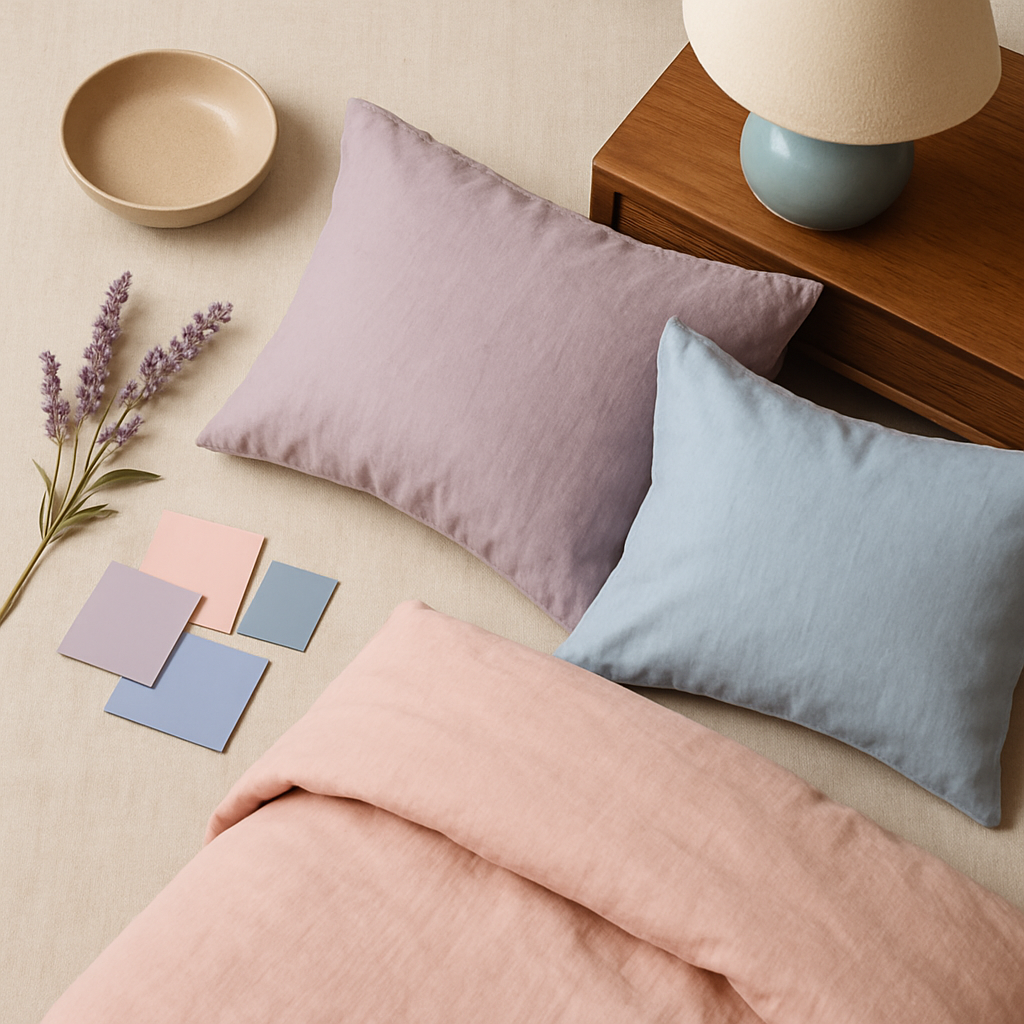
Have you ever walked into a room and immediately felt a sense of calm wash over you? That serene feeling may not be a coincidence, but rather a carefully orchestrated design choice influenced by color psychology. According to the American Psychological Association, colors can significantly impact our mood and behavior. In bedroom design, selecting the right shades can transform a space into a peaceful retreat. This article explores how color psychology can guide your choices to create a tranquil bedroom environment. From foundational concepts to expert-level details, you'll find actionable strategies to incorporate these insights into your next design project.
Understanding the Basics of Color Psychology
Color psychology is the study of hues as a determinant of human behavior. While the science is complex, the basic idea is that colors can evoke specific emotional responses. For instance, blue is often associated with calmness and stability, which makes it an ideal choice for bedrooms. According to research from the American Psychological Association, colors like blue and green can lower heart rates and reduce stress, contributing to a more restful sleep environment. Understanding the emotional triggers associated with different colors can help you make informed design choices.
In the realm of interior design, color psychology goes beyond mere aesthetics. It plays a functional role in how spaces are perceived and utilized. For example, warm colors like red and orange are energizing and can stimulate appetite, making them more suitable for dining spaces rather than bedrooms. In contrast, cool colors like blue and green promote relaxation and can make a bedroom feel like a serene oasis. The choice of color can influence not only the aesthetic appeal but also the functional experience of a space.
One fundamental aspect to consider is the cultural context of colors. While white signifies purity and cleanliness in Western cultures, it is often associated with mourning in others. Thus, when choosing colors for a peaceful bedroom, it's essential to consider not only the psychological impact but also the cultural meanings behind those colors. This holistic understanding ensures that your design choices are both psychologically sound and culturally appropriate.
The Science Behind Color Choices
Scientific studies have shown that color can profoundly impact the human brain. For instance, a study published in the Journal of Environmental Psychology found that exposure to specific colors can affect mood and even cognitive performance. In bedroom design, leveraging this knowledge can lead to environments that foster better sleep and relaxation. By selecting shades that align with the desired emotional outcome, you can create a space that naturally encourages peace.
Data from a Houzz survey suggests that homeowners who thoughtfully choose bedroom colors report higher satisfaction with their sleep quality. The survey indicated that 62% of respondents who painted their bedrooms in soothing tones like blue or green experienced improved rest and relaxation. This statistic underpins the idea that the right color choices can lead to tangible improvements in daily life. Such insights are invaluable for anyone looking to optimize their living space for tranquility.
Moreover, the use of color is not just about walls. Textiles, furniture, and even lighting can all contribute to the overall color scheme and its psychological effects. Soft blue bed linens or a muted green area rug can reinforce the calming atmosphere created by wall colors. Experienced professionals often note that consistency in color themes, extending to accessories and decor, amplifies the psychological benefits, making every design element count toward achieving a peaceful ambiance.
Strategies for Selecting the Right Bedroom Colors
When it comes to choosing colors for your bedroom, start by considering what emotions you want the space to evoke. Do you want a room that helps you unwind after a long day or one that energizes you in the morning? Once you've identified your goals, you can begin selecting colors that align with those intentions. For a calming effect, consider soft blues, greens, or pastel shades, which are known for their soothing properties.
Incorporating color psychology into your design doesn't mean you have to limit your palette. You can create depth and interest by using varying shades of the same color. This technique, known as monochromatic color schemes, involves using different tints, tones, and shades of a single hue. For example, pairing a light blue wall with navy bedding and sky-blue accents creates a cohesive look that maintains the desired calming effect. This approach can be particularly effective in smaller spaces, where too many contrasting colors might feel overwhelming.
Another strategy is to use accent colors to enhance the primary color scheme. While the dominant colors should promote peace, accents can add personality and interest. For example, a bedroom with cool gray walls can be accented with soft pink or lavender accessories, adding a touch of warmth and coziness without disrupting the overall tranquility. This balance ensures that the room remains a restful retreat while still reflecting personal style.
Expert Insights on Color Selection
Consulting with design professionals can provide additional insights into color selection. Certified interior designers, especially those with credentials such as NCIDQ (National Council for Interior Design Qualification), have the expertise to guide you through the complexities of color psychology. These experts can offer personalized advice based on your space's unique characteristics and your personal preferences.
According to the International Interior Design Association (IIDA), a well-designed space can increase a home's resale value by 5-15%. This statistic highlights the financial benefits of investing in thoughtful design choices, including color selection. Not only can the right colors enhance your living experience, but they can also add significant value to your property. Engaging a professional can ensure that your color choices are both aesthetically pleasing and financially rewarding.
Furthermore, platforms like Houzz and Architectural Digest's AD PRO network offer a wealth of resources, including designer portfolios and project photos, to inspire your color choices. Browsing these platforms allows you to see how different colors are applied in real-world settings, providing a practical context for your decisions. Whether you're working with a designer or undertaking a DIY project, these resources can be invaluable in helping you visualize the impact of color in your bedroom design.
Exploring Advanced Color Techniques
For those looking to delve deeper into color psychology, consider exploring advanced techniques like color zoning. This method involves using different colors to define various areas within the same room. In a bedroom, color zoning can be used to create a distinct sleeping area separate from a reading nook or workspace. By assigning specific colors to each zone, you can subtly influence the activities associated with those spaces, enhancing the room's overall functionality.
Another advanced approach is the use of biophilic design principles, which integrate natural elements into interior spaces. By incorporating colors found in nature, such as greens reminiscent of forests or blues inspired by the ocean, you can create a connection to the outside world. This connection can enhance the calming effects of your bedroom, promoting a sense of well-being and tranquility.
As technology continues to evolve, tools like AR/VR room visualization are becoming increasingly accessible. These tools allow you to experiment with different color schemes virtually, providing a clear picture of how your choices will look in your actual space. This capability can be especially helpful for those unsure about committing to a particular color or those looking to visualize complex palettes and combinations.
Final Thoughts on Creating a Peaceful Bedroom
Achieving a peaceful bedroom environment is more than just a design goal; it's a lifestyle choice that can significantly impact your quality of life. By leveraging color psychology, you can create a space that not only looks beautiful but also promotes relaxation and well-being. Whether you're starting from scratch or updating an existing space, the principles outlined in this article can guide you toward making informed, impactful decisions.
Consider what elements of your current bedroom contribute to or detract from a sense of peace. Are there colors that feel discordant or too intense? By identifying these aspects, you can begin to make small changes that cumulatively lead to a more harmonious environment. Remember that even minor adjustments, like changing the color of your bed linens or adding a new rug, can have a substantial effect on the room's overall vibe.
Ultimately, the key to successful bedroom design lies in aligning your color choices with your personal preferences and psychological needs. By doing so, you create a space that truly supports rest and rejuvenation, making your bedroom a sanctuary from the stresses of daily life.
Conclusion: Take the First Step Toward a Tranquil Bedroom
Incorporating color psychology into your bedroom design is a powerful way to create a peaceful and restorative space. By understanding the emotional impact of colors and applying expert strategies, you can transform your bedroom into a haven of tranquility. Whether you're consulting with a certified interior designer or exploring design resources online, the options for crafting your ideal space are limitless.
Ready to begin your journey toward a more peaceful bedroom? Start by browsing portfolios on platforms like Houzz or Instagram this week. Even 20 minutes of research can sharpen your eye for what resonates with you. With the right approach, you can create a bedroom that not only meets your aesthetic preferences but also supports your mental and emotional well-being. Take the first step today, and let your color choices pave the way to a more restful and rejuvenating home environment.



Comments
Post a Comment