Pet-Proof Sofa Fabrics: Performance Materials Cats Cannot Shred
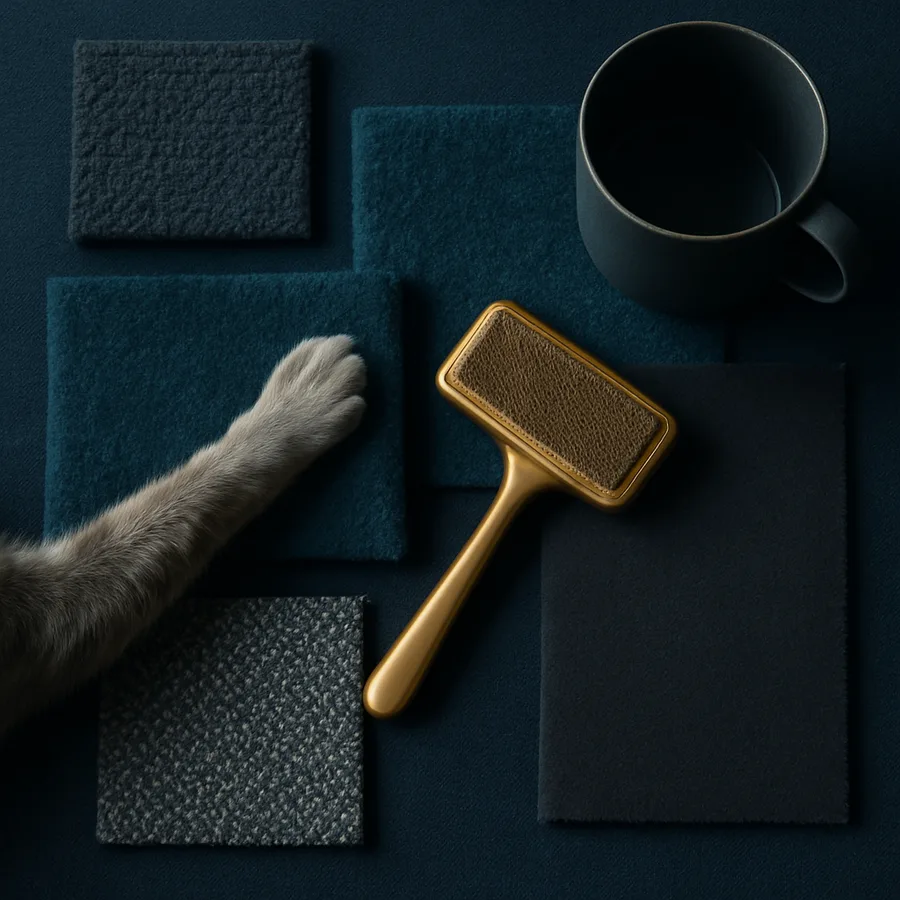
The Fabric Standoff Between Cat Claws and Your Furniture Investment
Owning cats and owning beautiful upholstered furniture has been treated as a contradiction for so long that many cat owners simply accept shredded sofa arms as an inevitable cost of feline companionship. The reasoning seems logical on the surface: cats scratch to maintain their claws, mark territory, and stretch their muscles, and a sofa covered in woven fabric presents an irresistible scratching surface with exactly the texture and resistance that feline claws are designed to grip. What this fatalistic view overlooks is that the vulnerability of a sofa to cat damage is almost entirely a function of its fabric choice, and the textile industry has developed performance upholstery materials that resist claw damage so effectively that the scratching behavior continues but the visible destruction does not.
The American Pet Products Association (APPA) reports that approximately 47 million American households include at least one cat, and furniture damage ranks as the second most common complaint among cat owners after litter box issues. The same organization's survey data indicates that cat owners spend an average of $340 per year replacing or repairing furniture damaged by scratching, a figure that accumulates to thousands of dollars over the lifespan of a single pet. This recurring cost is almost entirely preventable through informed fabric selection at the time of sofa purchase, yet most furniture retailers do not proactively guide buyers toward scratch-resistant options, and many pet owners remain unaware that genuinely effective solutions exist beyond the leather-or-nothing advice that dominated the conversation for decades.
Understanding why cats destroy certain fabrics and ignore others requires a brief examination of what makes a fabric satisfying to scratch. Cats prefer surfaces that provide resistance and feedback when their claws engage, and loosely woven fabrics with visible texture, such as linen, tweed, and traditional cotton upholstery, deliver exactly that sensation. Each individual yarn in a loose weave can be snagged by a claw tip, pulled upward, and separated from the weave structure, creating the pulled threads and frayed patches that characterize cat damage. Tightly woven fabrics with smooth surfaces deny claws the individual yarn access that makes scratching satisfying, because the claw tip slides across the surface without catching, producing neither the tactile feedback nor the visible result that motivates continued scratching at the same spot. This mechanical principle is the foundation of all effective pet-proof upholstery strategies.
The distinction between cat-resistant and cat-proof is worth establishing at the outset. No fabric is truly indestructible under sustained, determined scratching by a cat with sharp claws. However, the performance materials discussed in this article are resistant enough that casual scratching produces no visible damage, and even deliberate scratching sessions leave marks so minor that they self-heal or remain invisible at normal viewing distances. For the vast majority of cat owners whose animals scratch furniture opportunistically rather than obsessively, these fabrics effectively eliminate the problem. For the small percentage of cats that fixate on furniture to the point of clinical behavioral concern, fabric selection works best in combination with environmental enrichment, appropriate scratching alternatives, and behavioral guidance from a veterinarian.
Microfiber and Ultrasuede: The Gold Standard for Cat Households
Microfiber upholstery fabric, composed of extremely fine synthetic fibers typically less than one denier in diameter, has earned its reputation as the most reliably cat-proof readily available upholstery material through a combination of physical properties that simultaneously resist scratching, repel stains, and release pet hair. The fibers in a microfiber weave are so fine and so tightly packed that a cat's claw cannot isolate and snag an individual strand, which means the scratching motion that devastates linen and cotton produces only a barely perceptible surface mark on microfiber that disappears when rubbed with a hand. This scratch resistance is not a coating or treatment that wears off over time but an inherent property of the fabric's construction that remains effective for the full lifespan of the upholstery.
Ultrasuede, a branded synthetic microfiber material developed by the Japanese textile company Toray Industries, represents the premium tier of the microfiber category and offers additional benefits beyond basic scratch resistance. The non-woven construction of Ultrasuede means there are no individual yarns to snag at all; the material is a continuous sheet of interlocked microfibers that functions more like a synthetic leather than a traditional fabric. Cat claws that dig into Ultrasuede find no purchase and slide off without leaving marks, and the material's density prevents puncture from anything short of deliberate piercing with a sharp object. The Association for Contract Textiles (ACT) rates Ultrasuede at over 100,000 double rubs on the Wyzenbeek abrasion test, compared to 15,000 for standard cotton upholstery and 30,000 for typical polyester blends, quantifying a durability advantage that is immediately relevant to households with active pets.
The cleaning properties of microfiber fabrics compound their advantage in pet households. Cat and dog hair sits on the surface of microfiber rather than embedding into the weave, and a lint roller or vacuum with an upholstery attachment removes it quickly and completely. Liquid spills bead on the surface rather than absorbing into the fibers, providing a window of time for cleanup before any staining occurs. Most microfiber sofas carry a cleaning code of W or W/S, meaning they can be cleaned with water-based solutions or solvent-based cleaners, which covers virtually any pet-related stain or odor. For households that deal with occasional pet accidents, microfiber's resistance to permanent staining and its compatibility with enzymatic pet odor removers make it a fabric that handles the full spectrum of pet-related cleaning challenges.
Have you dismissed microfiber because you associate it with the cheap, shiny fabrics that dominated budget furniture in previous decades? Modern microfiber has evolved dramatically in both appearance and texture. High-quality microfiber upholstery now comes in matte finishes, rich textures that mimic suede and velvet, and color ranges that span neutral earth tones to bold jewel tones. The visual and tactile difference between a high-end microfiber sofa and a natural fabric sofa has narrowed to the point where many design professionals and their clients cannot distinguish them without checking the fabric tag. The American Society of Interior Designers includes microfiber in their recommended materials list for high-traffic residential applications, confirming its acceptance in design-forward interiors that prioritize both aesthetics and practicality.
Crypton, Sunbrella, and Other Engineered Performance Fabrics
Crypton fabric is an engineered performance textile that combines a tightly woven base material with a proprietary moisture barrier and antimicrobial treatment integrated into the fiber structure rather than applied as a surface coating. This integration means the protective properties do not wash out, wear off, or degrade over years of use, which distinguishes Crypton from fabrics that rely on topical stain treatments like Scotchgard that diminish with each cleaning. For pet owners, Crypton's most relevant property is its impenetrability to liquids: pet urine, vomit, and drool cannot penetrate the fabric to reach the cushion foam beneath, which is where permanent odors develop in conventional upholstery. The fabric itself can be cleaned with soap and water, and the antimicrobial treatment inhibits bacterial growth that causes lingering pet odors between cleanings.
The scratch resistance of Crypton varies by the specific weave pattern and yarn construction of each Crypton-branded fabric, because Crypton is a technology applied to various base textiles rather than a single uniform material. Tightly woven Crypton fabrics in canvas, twill, and satin weave patterns offer strong scratch resistance comparable to microfiber, while Crypton-treated fabrics in looser weaves like bouclé or chenille are more vulnerable to snagging despite their stain and moisture resistance. When shopping for a Crypton sofa with cats in mind, examine the weave tightness and surface texture of the specific Crypton fabric offered, and choose the smoothest, tightest weave available in the color and style you prefer. The performance technology protects against stains and odors regardless of weave, but scratch resistance is a function of the physical fabric construction, not the Crypton treatment.
Sunbrella indoor/outdoor fabric has crossed over from patio furniture into interior upholstery as pet owners discovered its exceptional durability and cleanability. Originally engineered to withstand UV exposure, rain, mildew, and the physical wear of outdoor use, Sunbrella's solution-dyed acrylic fibers are inherently resistant to fading, staining, and physical damage in ways that surpass most indoor-only fabrics. The tight weave and sturdy yarn construction resist cat claw snagging effectively, and the material can be cleaned with a bleach solution without damage, which is a capability no natural fiber fabric can match and which makes sanitizing after pet accidents straightforward. According to the Casual Furniture Retailers Association, Sunbrella has become the most specified performance fabric for residential upholstery in the United States, with interior applications now accounting for over thirty percent of the brand's total residential sales volume.
Revolution Performance Fabrics, another engineered textile line, deserves mention for its combination of pet resistance and environmental responsibility. Manufactured from recycled materials including post-consumer polyester derived from recycled plastic bottles, Revolution fabrics achieve high durability ratings while maintaining a smaller environmental footprint than virgin synthetic alternatives. The tightly woven olefin and polyester constructions resist scratching, repel liquids, and clean easily, checking all the boxes for pet-household performance. For environmentally conscious pet owners who want sustainable material choices without sacrificing the durability their animals demand, Revolution represents a category of performance fabric that aligns practical needs with ecological values. The Better Homes and Gardens fabric guides have highlighted Revolution as a leading choice for families seeking both performance and sustainability in upholstered furniture.
Leather and Faux Leather: Benefits and Real-World Limitations
Genuine leather has long been the default recommendation for pet owners because its smooth, continuous surface offers nothing for claws to snag or pull. A cat scratching leather produces superficial marks on the surface finish rather than structural damage to the material, and in many leather types, these surface marks blend into the hide's natural patina over time, becoming part of the material's character rather than visible damage. Full-grain and top-grain leathers, which retain the hide's natural surface, develop this self-healing patina most gracefully, while corrected-grain leathers with a uniform painted finish show scratch marks more visibly because the marks break through the surface coating to reveal the lighter substrate beneath.
The real-world performance of leather in cat households is more nuanced than the blanket recommendation suggests. While leather resists the snagging and shredding that destroy woven fabrics, it is not immune to damage from claws. Cat claws can leave permanent scratches in leather that do not self-heal, particularly on aniline and semi-aniline leathers that have minimal surface coating. These scratches are cosmetic rather than structural, meaning the leather remains intact and fully functional, but they are visible as lighter-colored lines against the darker leather surface. Homeowners who expect their leather sofa to remain in showroom condition despite daily cat contact will be disappointed; homeowners who appreciate the lived-in character of a well-used leather piece will find that cat marks integrate naturally with the wrinkles, wear patterns, and color evolution that define beautiful aged leather.
Faux leather, manufactured from polyurethane (PU) or polyvinyl chloride (PVC) coated onto a fabric backing, offers the smooth, unsnaggable surface of genuine leather at a fraction of the cost but with significant durability trade-offs in pet households. The thin polymer coating on most faux leather products is vulnerable to puncture from sharp claws, and once the coating is broken, the fabric backing beneath is exposed and begins to peel, flake, and deteriorate rapidly. A cat that scratches faux leather may not snag yarns as it would on woven fabric, but it can puncture and peel the surface layer in a way that produces damage more unsightly than fabric scratching. High-quality marine-grade faux leather with thicker coatings and reinforced backings performs considerably better than budget alternatives, but even the best faux leather cannot match the puncture resistance and aging characteristics of genuine full-grain leather.
If leather appeals to you for its pet-resistance properties but the cost of a full leather sofa exceeds your budget, consider a leather-fabric combination sofa that uses leather on the surfaces most exposed to pet contact, typically the seat cushions, arms, and front facing, while using a complementary fabric on the back and sides where pets are less likely to scratch. This hybrid approach places leather where it delivers the most protective value while reducing the total material cost by forty to sixty percent compared to a fully upholstered leather piece. Many furniture manufacturers offer this configuration as a standard option, and a skilled reupholsterer can apply the same strategy to an existing sofa by recovering only the most vulnerable surfaces in leather while leaving the less exposed areas in their original fabric.
Weave Patterns and Textures Cats Love to Avoid
Beyond the fiber type and brand of a fabric, the weave pattern and surface texture play a decisive role in determining whether a cat will target the sofa for scratching or pass it by in favor of a dedicated scratching post. The mechanical interaction between a cat's retractable claws and a fabric surface is governed by the same friction and engagement principles that apply to any hook-and-loop interaction: the claw hooks into protruding yarn loops or raised texture, and the satisfaction of the scratch comes from the resistance and release as the claw pulls through the material. Fabrics that deny this hook-and-engage cycle frustrate the scratching impulse without satisfying it, and cats naturally redirect their behavior toward surfaces that deliver the tactile reward they seek.
Flat, satin weave fabrics where the surface yarns lie in long, smooth floats present a particularly cat-unfriendly surface because the flat orientation of the yarns leaves no edges or loops for claws to catch. Sateen cotton, silk-look polyester, and charmeuse-finish synthetics all share this quality of surface smoothness that deflects claw engagement. The trade-off is that satin weaves can show snags from jewelry, zippers, and rough handling more readily than canvas or twill weaves, which makes them slightly higher-maintenance in households with children or rough-and-tumble pets that might catch the fabric with hardware on collars or harnesses. For cat-only households where the primary concern is claw resistance, satin weave performance fabrics represent an underutilized option that combines elegance with effective scratch prevention.
Velvet, counterintuitively, performs well in cat households despite its soft, plush appearance suggesting vulnerability. True velvet has an extremely dense, short pile that lies flat in a uniform direction, and the density of the pile prevents individual fibers from being isolated and snagged by a claw tip. A cat scratching velvet encounters a solid mass of short fibers that compress under pressure and spring back without separating, producing no visible damage and none of the satisfying resistance that encourages repeated scratching. Performance velvets manufactured from polyester or nylon are particularly effective because the synthetic fibers add durability and stain resistance to the inherent scratch resistance of the velvet pile construction. The resurgence of velvet in interior design over recent seasons has been a welcome development for cat owners who can now furnish their living rooms with a luxurious, on-trend fabric that also happens to shrug off feline attention.
The fabrics to avoid are those with raised textures, loose weaves, and visible yarn loops that practically invite claw engagement. Bouclé, with its characteristic looped yarn surface, is perhaps the single most cat-vulnerable upholstery fabric currently popular in interior design, because every loop is a potential snag point that a cat's claw can hook and pull. Linen, with its loose, natural weave and tendency to pull and fray, is a close second. Chenille, tweed, and any fabric with a nubby or textured surface provide the tactile engagement that makes scratching rewarding, and these materials will sustain visible damage from even moderate feline attention. If your heart is set on a textured fabric for aesthetic reasons, confining it to surfaces cats cannot easily access, such as the sofa back or throw pillows, while using a smooth performance fabric on the arms, seats, and lower panels keeps the textured look you love off the clawed surfaces that need protection.
Combining Fabric Choice with Environmental Strategies
Selecting a cat-resistant sofa fabric addresses the material vulnerability half of the furniture protection equation, but combining that choice with environmental strategies that redirect scratching behavior produces the most complete and lasting results. Providing attractive scratching alternatives near the sofa gives cats a preferred surface that satisfies their scratching needs without targeting the furniture, and the effectiveness of this simple strategy is supported by behavioral research. A study published in the Journal of Feline Medicine and Surgery found that households providing at least one scratching post per cat within three feet of the primary furniture reported 67 percent less furniture scratching than households with no convenient scratching alternatives, confirming that access and proximity to appropriate surfaces significantly reduce furniture-directed scratching behavior.
The scratching post material matters as much as its location. Sisal rope and sisal fabric are the most universally preferred scratching substrates among domestic cats because the coarse, fibrous texture provides the resistance and shredding satisfaction that claws crave. A tall sisal post positioned next to the sofa arm, which is the most commonly scratched area of any sofa, intercepts the cat's scratching impulse at the moment it arises and channels it toward a surface designed to be destroyed. Corrugated cardboard scratchers placed on the floor near the sofa provide a horizontal scratching option for cats that prefer to scratch downward rather than upward, and the inexpensive, disposable nature of cardboard scratchers means they can be replaced frequently as they wear down without any financial burden.
What works better than scolding a cat for scratching the sofa? Rewarding the cat for scratching the post. Negative reinforcement for furniture scratching is largely ineffective because it interrupts the behavior without redirecting it, and the cat simply resumes scratching when you leave the room. Positive reinforcement, including treats, praise, and catnip applied to the scratching post, builds a positive association with the approved surface that persists even when you are not present to observe and respond. The combination of a scratch-resistant sofa fabric that provides no reward when scratched, a sisal post that provides excellent reward when scratched, and positive reinforcement that strengthens the post-scratching habit creates a behavioral system where the cat chooses the post over the sofa not because it fears punishment but because the post delivers a better experience.
Keeping cats' claws trimmed reduces the potential for any scratching to produce visible damage on even moderately resistant fabrics. Regular claw trimming every two to three weeks removes the sharp tips that catch on fabric surfaces, and a cat with freshly trimmed claws generates significantly less friction against upholstery than one with fully grown, needle-sharp points. If you are uncomfortable trimming your cat's claws yourself, veterinary clinics and pet grooming services typically offer the service for fifteen to twenty-five dollars per visit. Soft nail caps, which are small vinyl sheaths glued over each claw tip, represent an alternative for cats that resist claw trimming, and they effectively prevent any fabric damage at all for the four to six weeks they remain in place before needing replacement. Neither trimming nor nail caps is a substitute for scratch-resistant fabric in a serious pet household, but both strategies complement good fabric selection to minimize the already low risk of visible damage to performance upholstery materials.
Conclusion: Living Beautifully with Cats and Sofas
The era of choosing between a stylish living room and a home with cats is over. Performance upholstery materials including microfiber, Ultrasuede, Crypton, Sunbrella, and properly selected leather provide a range of textures, colors, and price points that satisfy both design aspirations and the practical reality of cohabiting with animals equipped with retractable claws. These materials are not niche products hidden in specialty catalogs; they are widely available through major furniture retailers, custom upholsterers, and online fabric merchants, and their cost premium over conventional upholstery fabrics has narrowed to the point where performance fabric is often comparable in price to the non-performance materials it replaces.
The key to successful fabric selection is understanding the mechanical interaction between claw and fabric rather than relying on brand names or marketing claims alone. Tightly woven, smooth-surfaced fabrics with dense construction resist scratching because they deny the claw the engagement it needs to produce damage. Loosely woven, textured, or looped fabrics invite scratching because they provide exactly that engagement. This principle applies across all fiber types and all price ranges, and it empowers you to evaluate any fabric's cat resistance by examining its weave and texture rather than trusting a label.
Combine your fabric knowledge with environmental strategies that make scratching posts more attractive than furniture, maintain your cats' claws at reasonable length, and position appropriate scratching alternatives near the sofa where scratching impulses arise. This integrated approach addresses the problem from both the material and behavioral sides simultaneously, producing a living room where your sofa remains beautiful, your cats remain satisfied, and the longstanding conflict between feline instinct and furniture investment is resolved permanently in a way that respects both parties.
More Articles You May Like



Comments
Post a Comment