Discover Exciting Interior Design Jobs Near You: A Complete Guide
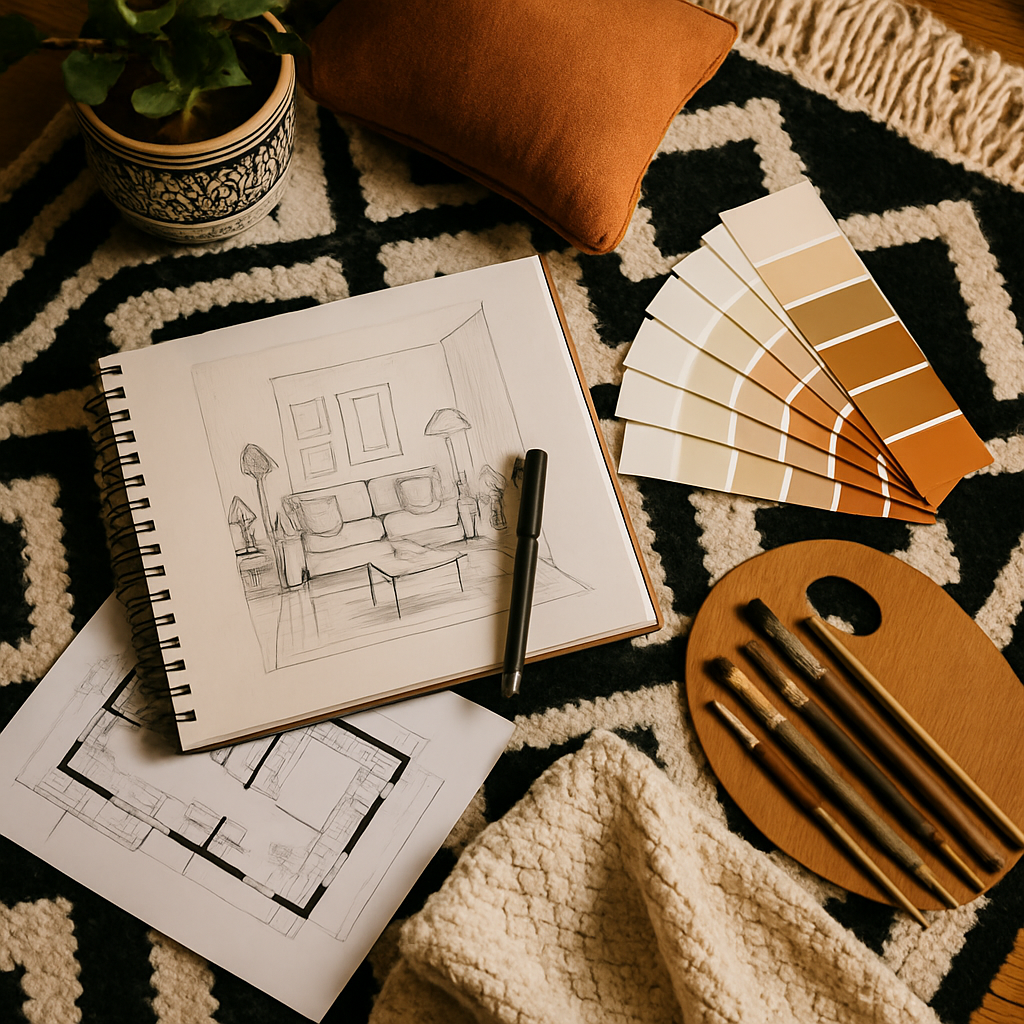
Imagine walking into a room and immediately feeling a sense of harmony and inspiration. This is the magic that skilled interior designers bring to life. According to the American Society of Interior Designers (ASID), the interior design industry has grown significantly, with an increasing demand for professionals who can transform spaces into functional works of art. If you're passionate about design and want to explore exciting interior design jobs near you, this guide will walk you through everything you need to know-from foundational concepts to actionable strategies, and expert insights, ensuring you're well-equipped to enter this dynamic field.
Understanding the Landscape of Interior Design Jobs
Interior design jobs vary widely, offering roles that cater to different skills and interests. The field includes positions such as residential designers, commercial designers, and even specialists in sustainable design. Each role requires a unique set of skills and often, specific certifications. For instance, certified interior designers typically hold credentials from the National Council for Interior Design Qualification (NCIDQ), which is recognized as a gold standard in the industry.
One must understand the difference between a certified interior designer and a decorator. Certified interior designers have formal education and are often required to pass exams, while decorators may not have formal training but possess strong aesthetic skills. This distinction is crucial as it affects both job responsibilities and salary expectations. The International Interior Design Association (IIDA) emphasizes the importance of these credentials in enhancing a designer's career prospects.
The job market for interior designers is promising. The U.S. Bureau of Labor Statistics projects a steady growth rate for interior design jobs over the next decade. This growth is driven by the increasing need for design services in both residential and commercial spaces. As you consider pursuing a career in this field, it's essential to evaluate which type of role aligns with your interests and skills, setting the stage for deeper exploration into specific opportunities.
Exploring the Demand for Interior Designers with Data Insights
Data plays a pivotal role in understanding the demand for interior designers. According to the Houzz annual survey, homeowners are investing more in home renovations, with spending reaching billions annually. This surge in home improvement projects fuels the demand for skilled interior designers who can bring these visions to life. Furthermore, industry surveys suggest that well-designed interiors can increase property resale values by 5-15%, making skilled designers indispensable.
Commercial spaces are also seeing a rise in demand for interior design expertise. With the resurgence of office spaces post-pandemic, businesses are redesigning work environments to enhance employee productivity and satisfaction. This trend has opened up numerous interior design job opportunities in the commercial sector. Companies are seeking designers who can create flexible, inspiring workspaces that adapt to hybrid work models.
Moreover, the push towards sustainable and eco-friendly design solutions is reshaping the industry. Designers who specialize in biophilic design and the use of reclaimed materials are in high demand. The market's evolution towards sustainability and smart home integration presents exciting opportunities for those entering the field. Recognizing these trends and their impact on job availability is crucial for anyone looking to secure a position in interior design.
Strategies for Landing Exciting Interior Design Jobs
So, how can you position yourself to land an exciting interior design job near you? First, focus on building a strong portfolio. A well-curated collection of your work is essential to showcase your skills and aesthetic sensibilities. Consider including projects that highlight your versatility, such as a mix of residential and commercial designs, or innovative uses of sustainable materials.
Networking is another critical strategy. Engaging with professional organizations like ASID and IIDA can open doors to new opportunities. Attend industry events and workshops to connect with other professionals and potential employers. Experienced professionals often note that building relationships in the industry can lead to job referrals and collaborations.
Finally, leverage online platforms like Houzz and LinkedIn to search for job openings and connect with design firms. Many designers find success by actively participating in online design communities, where they can share their work and gain feedback. Are you actively exploring these platforms to find job openings in your area? Mastering these strategies will increase your chances of securing an exciting role in the interior design industry.
Expert-Level Insights into the Interior Design Industry
As you delve deeper into the interior design industry, it's essential to understand the nuances that can set you apart. One expert-level insight is the importance of understanding client psychology. Knowing how to interpret a client's needs and desires can transform a good design into a great one. This skill often distinguishes top designers from their peers.
Additionally, staying updated with the latest design trends is crucial. The rise of Japandi, a fusion of Japanese minimalism and Scandinavian warmth, is a prime example of how global trends influence local design preferences. Are you incorporating such trends into your work to keep it relevant and appealing?
Furthermore, technological advancements such as AR/VR room visualization tools are revolutionizing client presentations. These tools allow designers to create immersive experiences that help clients visualize the final result more clearly. Embracing technology in your design process can significantly enhance your marketability and effectiveness as a designer.
Further Insights: Navigating Job Offers and Contracts
Once you start receiving job offers, it's vital to understand the different fee structures and contract types. Interior designers commonly charge a flat fee, an hourly rate ranging from $150 to $500 per hour, or a percentage of the total project cost. Understanding these options will help you negotiate better terms and choose offers that align with your career goals.
Procurement markups on furniture and materials can also impact your earnings. Designers often add a markup to items they source for projects, which can be a significant income stream. Are you familiar with how these markups work and how they affect your overall compensation?
Finally, ensure that any contract you sign clearly outlines the scope of work, payment terms, and project timelines. This clarity will prevent misunderstandings and ensure a smooth working relationship with your clients. By mastering these aspects, you can navigate job offers and contracts with confidence, setting the stage for a successful career in interior design.
Final Perspectives on Securing Your Ideal Interior Design Job
Securing an exciting interior design job near you requires a blend of creativity, strategic networking, and a deep understanding of industry dynamics. As you continue to hone your skills and build your portfolio, remember that persistence and adaptability are key. The interior design industry is ever-evolving, and staying ahead of trends and technologies will position you for success.
Moreover, consider seeking mentorship from experienced designers. Their guidance can provide valuable insights and accelerate your career growth. Are there seasoned professionals in your network that you can reach out to for advice and mentorship?
Ultimately, the journey to finding your ideal interior design job is as much about personal growth as it is about professional development. By applying the strategies and insights discussed in this guide, you'll be well-equipped to navigate the competitive landscape and seize the exciting opportunities that await you.
Conclusion
Embarking on a career in interior design offers the chance to transform spaces and enhance the lives of those who inhabit them. By understanding the landscape of design jobs, exploring demand trends, and implementing effective strategies, you can position yourself as a sought-after professional in this vibrant industry. The insights provided in this guide are designed to empower you on your path to success. Are you ready to take the next step?
Start by browsing portfolios on platforms like Houzz and connecting with industry professionals this week. Even dedicating 20 minutes to research will sharpen your eye for what you want to achieve. Your future in interior design is as limitless as your creativity and ambition-embrace it with confidence and enthusiasm.



Comments
Post a Comment