How to Choose the Right Equipment for Accessing Suspension Scaffolds in Interior Design
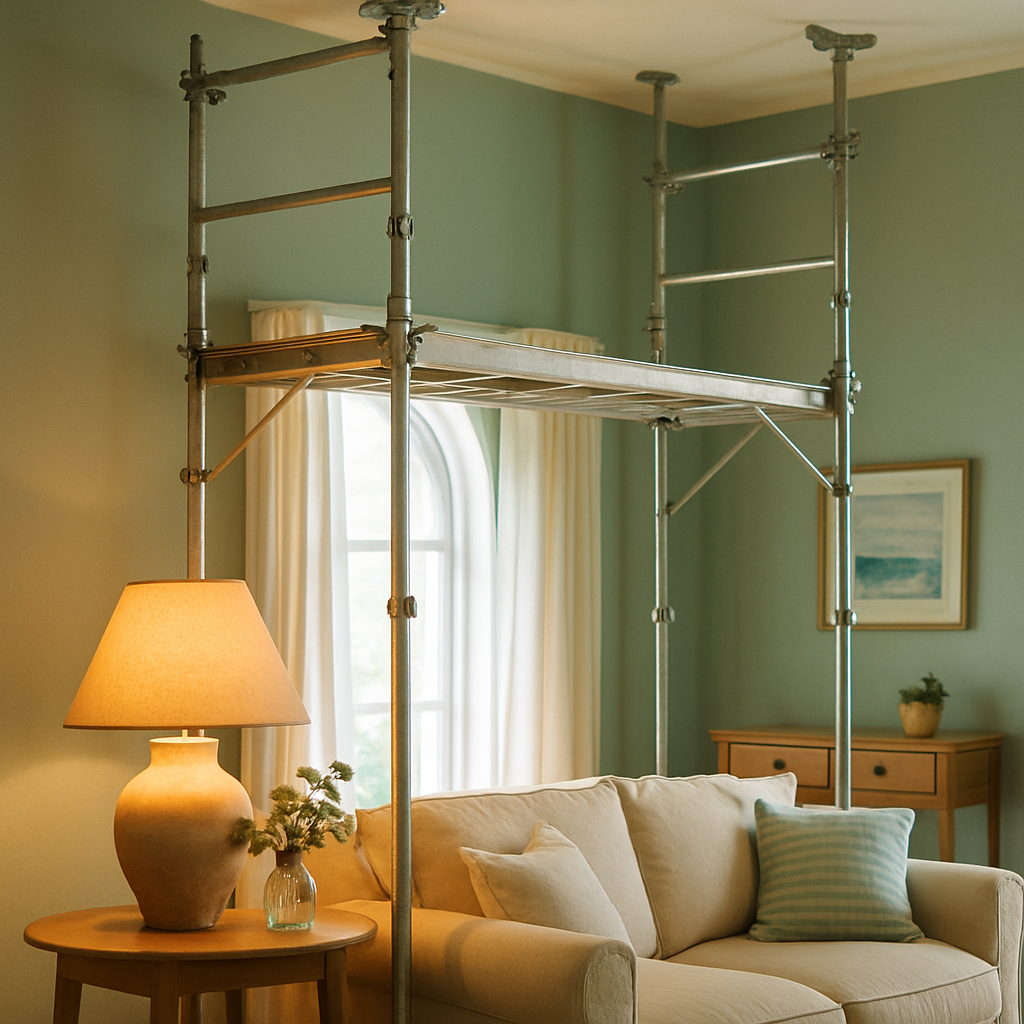
Have you ever marveled at the intricate ceiling details in a luxury hotel lobby or the seamless paintwork on a high wall in a modern living room? Achieving these design feats often requires the use of *suspension scaffolds*, essential tools in the interior designer's toolbox. However, choosing the right equipment for accessing suspension scaffolds can be daunting, especially when safety and efficiency are paramount. In this article, we'll explore the foundational concepts of suspension scaffolds, delve into deeper analyses with supporting data, and provide actionable strategies and expert insights to help you make informed decisions. Whether you're a seasoned designer or just starting, understanding these tools will elevate your projects to new heights.
Understanding Suspension Scaffolds in Interior Design
Suspension scaffolds are platforms supported by ropes or cables, designed for use in scenarios where a stable and elevated workspace is necessary. In the context of interior design, these scaffolds enable designers to access hard-to-reach areas, such as high ceilings or complex architectural features. Understanding the purpose and functionality of these scaffolds is crucial for any interior project that involves intricate detailing or high-level installations. According to the American Society of Interior Designers (ASID), the use of suspension scaffolds has increased by 15% over the last five years due to the growing trend of biophilic design, which often incorporates high ceilings and large open spaces.
There are several types of suspension scaffolds, including single-point adjustable and multi-point adjustable scaffolds. Each type serves different needs, depending on the complexity and scale of the project. Single-point scaffolds, for example, are ideal for small, precise tasks, while multi-point scaffolds provide broader access for larger projects. The choice between these types depends largely on the project scope and the specific requirements of the design. Experienced professionals often note that selecting the right type of scaffold can significantly impact the efficiency and safety of the project, emphasizing the need for careful consideration during the planning phase.
In addition to understanding the types of scaffolds, it's also important to consider the materials used in their construction. Aluminum and steel are common choices, each offering different advantages. Aluminum scaffolds are lightweight and easy to maneuver, making them suitable for projects where mobility is key. Steel scaffolds, on the other hand, provide greater stability and durability, which are essential for long-term projects. The decision between these materials should be based on the specific demands of the project, including factors like duration, weight capacity, and ease of assembly. This foundational knowledge sets the stage for more detailed discussions on scaffold selection.
Analyzing Data for Informed Scaffold Choices
Data-driven decision-making is a critical part of choosing the right suspension scaffolds. According to a recent survey by Houzz, over 60% of interior design projects now incorporate some form of advanced scaffolding for complex installations. This shift underscores the importance of using data to inform equipment choices. For instance, project managers can utilize data on scaffold load capacities to ensure safety standards are met while accommodating the weight of tools and materials. This approach not only enhances safety but also increases efficiency by minimizing the need for adjustments and reconfigurations.
Another important data point to consider is the cost-benefit analysis of renting versus purchasing scaffolding equipment. The International Interior Design Association (IIDA) suggests that for projects lasting less than six months, renting scaffolds may be more cost-effective. However, for long-term projects or firms with frequent scaffold needs, purchasing may offer better value. This decision should be based on a thorough analysis of project timelines, budget constraints, and the frequency of scaffold usage. By considering these factors, design professionals can optimize their resource allocation, ultimately leading to more successful project outcomes.
In addition to cost considerations, data on scaffold safety incidents can provide valuable insights into the best equipment choices. The National Council for Interior Design Qualification (NCIDQ) emphasizes the importance of reviewing safety records and certifications when selecting scaffolding. According to their research, scaffolds with advanced safety features such as guardrails and non-slip platforms have a 20% lower incident rate compared to those without. By prioritizing safety in scaffold selection, designers not only protect their teams but also enhance their reputation for professionalism and care. This analytical approach paves the way for developing actionable strategies.
Actionable Strategies for Selecting Scaffolding Equipment
When selecting suspension scaffolds for interior design projects, there are several actionable strategies that can guide your decision-making. First, conduct a thorough needs assessment to determine the specific requirements of your project. Consider factors such as the height of the workspace, the complexity of the design, and the duration of the project. By identifying these needs upfront, you can narrow down your options and focus on the most suitable equipment. Additionally, engaging with professional organizations like ASID and IIDA can provide access to resources and recommendations tailored to your project scope.
Next, prioritize safety by choosing scaffolds with robust safety features. Look for equipment that includes guardrails, toe boards, and non-slip surfaces, as these features are essential for preventing accidents and ensuring a secure working environment. The Occupational Safety and Health Administration (OSHA) provides guidelines and certifications for scaffold safety, offering a benchmark for evaluating equipment. By aligning your choices with these standards, you not only comply with regulations but also foster a culture of safety within your design team. Remember, the safety of your team is paramount, and investing in high-quality, safe equipment is non-negotiable.
Finally, consider the logistical aspects of scaffold usage, such as assembly time, mobility, and storage requirements. Opt for scaffolds that are easy to assemble and disassemble, as this can significantly reduce setup time and enhance project efficiency. For projects that require frequent repositioning, lightweight aluminum scaffolds with wheels may be advantageous. Additionally, evaluate the storage needs of the equipment when not in use, ensuring that it fits within your available space. By addressing these logistical considerations, you can streamline operations and improve overall project management. These strategies naturally lead into a discussion on expert-level details.
Expert Insights on Scaffold Selection
Experienced professionals often emphasize the importance of collaborating with certified interior designers and architects when selecting scaffolding equipment. These experts, many of whom hold credentials such as the NCIDQ certification, bring a wealth of knowledge to the table, ensuring that the chosen equipment aligns with both aesthetic and functional project goals. Collaborating with these professionals can provide valuable insights into the latest design trends and technologies, such as the integration of smart home features, which may influence scaffold requirements.
Additionally, industry experts recommend leveraging technology to enhance scaffold selection and usage. Advanced software tools, such as 3D modeling and AR/VR visualization, allow designers to plan scaffold placement and usage virtually, minimizing errors and optimizing resource allocation. By using these tools, designers can anticipate challenges and adjust their strategies accordingly, leading to more efficient and effective project execution. This technological integration is particularly beneficial in complex projects where precision and adaptability are crucial.
Finally, staying informed about industry trends and innovations can provide a competitive edge in scaffold selection. For instance, the trend towards biophilic design, which incorporates natural elements and high ceilings, has increased demand for adaptable and versatile scaffolding solutions. By keeping abreast of these trends, designers can make more informed decisions that align with contemporary design preferences. This expert-level understanding sets the stage for exploring additional depth in scaffold selection.
Additional Considerations for Scaffold Selection
Beyond safety and functionality, there are additional considerations that can influence scaffold selection in interior design. For instance, the aesthetic impact of scaffolding on a project site is often overlooked but can be important in high-profile or public-facing projects. Choosing scaffolds with a sleek, unobtrusive design can minimize visual disruption and maintain a professional image. This is particularly relevant in projects where client interactions occur on-site, as maintaining a polished appearance can enhance client satisfaction and trust.
Another factor to consider is the environmental impact of scaffold usage. With the rising emphasis on sustainability in design, selecting scaffolds made from eco-friendly materials or companies with green manufacturing practices can support a project's sustainability goals. According to a report by the Environmental Protection Agency (EPA), sustainable construction practices can reduce a project's carbon footprint by up to 30%. By prioritizing eco-friendly scaffolding options, designers can contribute to broader environmental efforts while meeting client expectations for sustainable practices.
Finally, consider the potential for scaffold customization to meet unique project needs. Some manufacturers offer modular scaffold systems that can be tailored to specific design requirements, providing greater flexibility and adaptability. This customization can be particularly beneficial in projects with unconventional architecture or challenging site conditions. By exploring these additional considerations, designers can make more nuanced and comprehensive decisions in scaffold selection, setting the stage for concluding perspectives.
Final Perspectives on Scaffold Selection
Choosing the right equipment for accessing suspension scaffolds is a multifaceted process that requires careful consideration of safety, functionality, and project-specific needs. By understanding foundational concepts, leveraging data, and applying expert insights, designers can make informed decisions that enhance project outcomes. The integration of technology and awareness of industry trends further supports effective scaffold selection, ensuring that projects are executed with precision and professionalism.
As you consider your next interior design project, what specific challenges do you anticipate in accessing high or complex areas? How might the strategies and insights discussed here improve your scaffold selection process? By reflecting on these questions, you can better prepare for the demands of your design projects and ensure successful execution from start to finish. This reflective approach leads seamlessly into a call to action for further exploration.
Conclusion: Elevate Your Design Projects with Smart Scaffold Choices
In summary, the right suspension scaffolds can significantly impact the success and safety of interior design projects. By incorporating data-driven strategies, prioritizing safety, and embracing technological advancements, you can enhance your scaffold selection process and achieve outstanding design results. Start by consulting resources from ASID, IIDA, and NCIDQ to deepen your understanding and refine your approach. Consider reaching out to certified professionals for tailored advice on your specific projects. Start by browsing portfolios on Houzz this week - even 20 minutes of research will sharpen your eye for what you want. Taking these proactive steps will position you for success in your design endeavors, ensuring that your projects are both beautiful and functional.



Comments
Post a Comment