Maximizing Small Spaces: Interior Design Tips for a Stylish Home Makeover
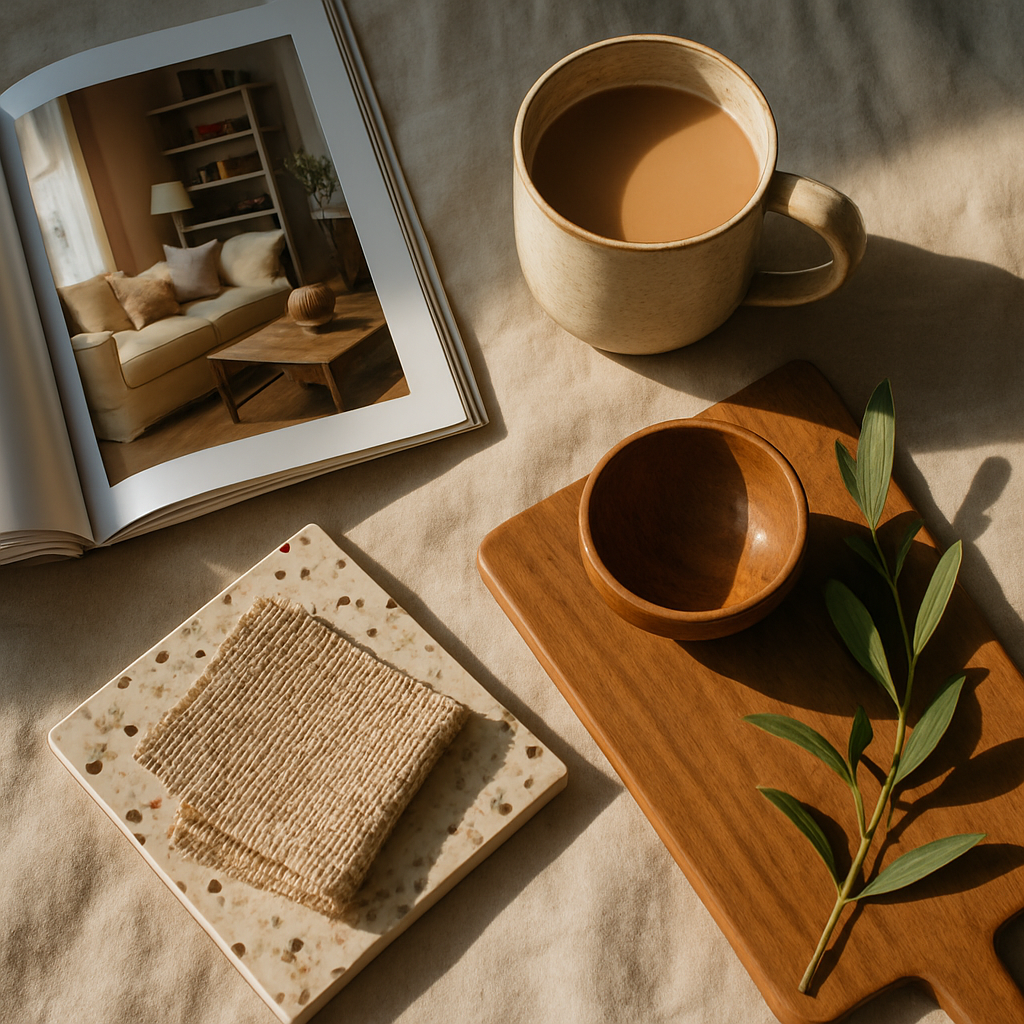
A stylish home makeover does not require a sprawling floor plan or a six-figure budget. Some of the most admired residential interiors published in AD PRO and featured on Houzz occupy fewer than eight hundred square feet, proving that constraints breed creativity rather than compromise. The American Society of Interior Designers (ASID) has documented a sustained surge in small-space design consultations, driven by urban migration, rising housing costs, and a cultural embrace of intentional living. Professionals certified through the National Council for Interior Design Qualification (NCIDQ) approach compact spaces with a specific toolkit: scale-appropriate furniture, strategic color application, layered lighting, and organizational systems that prevent clutter from undoing good design. The makeover process begins not with shopping but with analysis--understanding how you actually use each room, where bottlenecks occur, and what objects earn their place versus those that simply accumulate. The six sections that follow translate that professional methodology into actionable steps you can implement this weekend or over the course of a deliberate, phased renovation.
Audit Your Space Before You Change It
Every successful makeover starts with a clear-eyed assessment of what exists. Spend three days observing your normal routines and noting friction points: the hallway where shoes pile up, the kitchen counter that becomes a mail depot, the living room corner that collects items with no designated home. Professional designers working at to per hour begin every project with a similar audit, often photographing each room from multiple angles and measuring not just dimensions but traffic paths, door swings, and sightlines from key vantage points. This data prevents the common mistake of solving the wrong problem--buying a larger shoe rack when the real issue is that the entryway lacks a coat closet.
Measure twice, redesign once. Create a simple floor plan, either on graph paper or using a free app, and note the location of every outlet, window, radiator, and structural element that cannot be moved. Mark the paths you walk most frequently--from bed to bathroom, from front door to kitchen--and ensure that your redesign keeps those routes unobstructed. The International Interior Design Association (IIDA) emphasizes circulation as the foundation of functional design: a room can be beautiful but will feel oppressive if navigating it requires constant maneuvering around obstacles.
During your audit, identify items you can eliminate entirely. The treadmill that serves as a clothing rack, the decorative objects that collect dust but spark no joy, the redundant kitchen gadgets that consume cabinet space--all of these are candidates for donation or disposal. Reducing the inventory of objects in a room is the single most effective way to make it feel larger, and it costs nothing. Once you have a clear picture of your space and its contents, you can move to the next phase: establishing a visual strategy that makes the room feel larger than its footprint.
Use Scale and Proportion to Create Breathing Room
Furniture that is too large for a room is the most common mistake in small-space design, and it is also the most expensive to correct. A standard three-seat sofa in a twelve-by-twelve living room leaves almost no floor visible, creating a cramped feeling regardless of color or style. Downsizing to a loveseat or a compact sectional with a shallow seat depth can reclaim two to three feet of usable floor space--enough to transform the room's entire character. ASID guidelines recommend maintaining at least thirty-six inches of clearance in primary traffic lanes and eighteen inches between furniture pieces, measurements that many small rooms fail to meet when furnished with standard-scale pieces.
Proportion extends beyond furniture to every element in the room. Oversized artwork on a small wall feels overwhelming, while undersized pieces look lost. Designers use the two-thirds rule as a starting guideline: a piece of art should occupy roughly two-thirds the width of the furniture below it, and a rug should be large enough for the front legs of all seating pieces to rest on it. These proportional relationships create visual harmony that the eye registers subconsciously. When hiring a designer at rates ranging from ,000 to ,000 per room, much of what you pay for is this trained ability to judge scale before purchases are made.
Leggy furniture--pieces raised on visible legs rather than resting on solid bases--dramatically improves the sense of space by allowing the eye to travel beneath and beyond each item. A sofa on tapered legs, a console table with slender supports, and a bed frame with clearance underneath all contribute to visual lightness. This principle is central to the Japandi aesthetic, which favors low but airy furniture profiles that hug the floor without blocking sightlines. Have you ever noticed how a room feels more open after you vacuum under the couch? That brief glimpse of uninterrupted floor is precisely what leggy furniture provides permanently. With proportion established, the next step is using color strategically to reinforce the sense of openness.
Strategic Color Choices That Expand Perception
Color is the most powerful and least expensive tool for manipulating spatial perception. Light colors reflect more light than dark ones, making walls appear to recede and rooms feel more spacious. This is basic physics, but the application requires nuance. A flat white wall can feel sterile and institutional, whereas a warm white with yellow or pink undertones feels inviting. NCIDQ-certified designers typically specify paint colors by their Light Reflectance Value (LRV), recommending values above sixty for small rooms to maximize the perception of depth. Benjamin Moore, Sherwin-Williams, and Farrow and Ball all publish LRV data for every color, making it easy to compare options objectively rather than relying on subjective impressions under showroom lighting.
Monochromatic color schemes work exceptionally well in small spaces because they eliminate the visual interruptions that contrasting colors create. Painting walls, trim, ceiling, and even built-in shelving the same color wraps the room in a seamless envelope that obscures boundaries. The quiet luxury trend embraces this approach, using texture and sheen variation--matte walls, satin trim, gloss ceiling--to create subtle interest within a unified palette. This technique can make a seven-foot ceiling feel taller and a narrow room feel wider because the eye cannot locate the transitions between surfaces.
Accent colors should be introduced through easily changeable elements--cushions, throws, artwork, and accessories--rather than permanent fixtures. This allows you to refresh the room seasonally without repainting or replacing major items. A sage green throw pillow and a terracotta vase can shift the mood of an all-white room dramatically, and swapping them for navy and brass achieves an entirely different feel at minimal cost. Do you find yourself drawn to warm tones or cool tones when you imagine your ideal space? Answering that question honestly will prevent you from following a trend that conflicts with your instinctive preferences. Color sets the stage; the next section addresses how light brings that stage to life.
Layered Lighting That Adds Depth and Drama
A single overhead fixture is the default lighting solution in most homes, and it is almost always inadequate. Overhead-only lighting flattens a room, eliminates shadows, and creates a uniformly bright environment that feels more like an office than a living space. Professional lighting designers--and interior designers who include lighting in their scope of work--think in three layers: ambient (general illumination), task (focused light for specific activities), and accent (directional light that highlights architectural features or art). A small room that incorporates all three layers gains visual depth that overhead lighting alone cannot provide.
Ambient light in a small room should come from multiple sources rather than a single powerful fixture. Two table lamps and a floor lamp distribute light more evenly than a central chandelier and eliminate the harsh shadows that a single source creates. Task lighting--a reading lamp beside a chair, under-cabinet lights in a kitchen, a desk lamp in a workspace--serves functional needs while adding pools of warmth. Accent lighting--picture lights above art, LED strips inside glass-front cabinets, uplights behind large plants--creates focal points that guide the eye and add visual interest. Smart home integration allows you to control all three layers through a single app or voice command, programming scenes that shift from bright and energizing in the morning to warm and relaxed in the evening.
Dimmer switches are the most underutilized lighting tool in residential design. They cost less than twenty dollars to install and transform a fixed fixture into a variable light source that can adapt to any mood or activity. ASID recommends dimmers on every fixture in a living room and bedroom, and task-specific brightness settings for kitchens and home offices. When budgeting for a room makeover in the ,000 to ,000 range, professional designers typically allocate ten to fifteen percent to lighting, recognizing that no amount of beautiful furniture or perfect color will look its best under poor illumination. With lighting addressed, the next challenge is storage--the constant adversary of small-space living.
Dual-Purpose Storage That Hides in Plain Sight
Storage in a small space must be aggressive, creative, and largely invisible. Every piece of furniture should be evaluated for its storage potential: beds with drawers underneath, benches with hinged seats, coffee tables with lower shelves or interior compartments. This dual-purpose approach is not about cramming belongings into every available cavity; it is about designing storage into the architecture of the room so that order is the default state rather than something you must constantly impose. Designers featured on Houzz emphasize that built-in storage--window seats with storage below, floor-to-ceiling closet systems, recessed shelving between wall studs--delivers the highest return on investment in small homes because it uses space that would otherwise be wasted.
The back of every door is a storage surface waiting to be used. Over-door hooks hold bags, robes, and accessories; over-door racks organize spices, cleaning supplies, or shoes; and over-door mirrors add function and light reflection simultaneously. Inside closets, a custom organization system with adjustable shelves, double hanging rods, and pull-out drawers can triple the usable capacity compared to the standard single rod and shelf. Professional closet designers typically charge between and ,000 depending on closet size and materials, a cost that many homeowners find well justified given the daily convenience and reduced frustration.
Biophilic design principles can enhance storage areas in unexpected ways. Hanging planters above open shelving soften the utilitarian appearance of storage while purifying air and introducing organic texture. Woven baskets made from seagrass or rattan serve as attractive containers on open shelves, hiding contents while adding warmth and natural material variety. Cork-lined drawer interiors protect stored items while introducing a subtle natural scent. These touches transform storage from a purely functional necessity into an integrated design element that contributes to the room's aesthetic. Storage keeps the room organized; the final section ensures it stays that way through sustainable daily habits.
Maintenance Routines That Preserve the Makeover
A beautifully designed small space is a precisely calibrated system, and even minor entropy can disrupt its balance. The difference between a styled room and a cluttered one in a compact home is often fewer than a dozen misplaced items. Professional organizers affiliated with ASID recommend building a ten-minute daily reset into your routine: returning displaced items to their designated locations, clearing surfaces, and processing incoming mail and packages. This brief daily investment prevents the gradual accumulation that triggers the need for a full weekend decluttering session every few months.
Seasonal editing is equally important. Every three months, walk through each room with a critical eye and identify items that have migrated from their designated zones, purchases that seemed appealing but have not been used, and anything that no longer aligns with the aesthetic direction you established during your makeover. The IIDA recommends a one-in-one-out policy for small spaces: every new acquisition triggers the removal of an equivalent item. This discipline feels restrictive initially but quickly becomes liberating because it forces you to be intentional about what enters your home. Are you buying that item because you need it, or because a marketing campaign convinced you that you do?
Sustainable materials require their own maintenance considerations. Bamboo surfaces should be cleaned with damp cloths rather than harsh chemicals, reclaimed wood benefits from occasional oiling, and natural fiber rugs need regular rotation to distribute wear evenly. These care routines extend the life of your investment and maintain the aesthetic integrity that sustainable materials provide. A small space made from quality materials and maintained with care will look better at year five than a larger space filled with disposable furniture that degrades with each passing season. The investment is not just financial; it is a daily commitment to the space you have created.
Conclusion
A stylish home makeover in a small space is an exercise in precision and self-knowledge. The six strategies outlined here--auditing your space, calibrating scale and proportion, applying color strategically, layering light, integrating dual-purpose storage, and maintaining daily routines--form a complete methodology that NCIDQ-certified professionals use regardless of project size. Each step builds on the previous one, and skipping any of them undermines the results of the others. A perfectly proportioned room with poor lighting will never feel complete; a beautifully lit room with insufficient storage will eventually drown in clutter.
Begin with the audit. Spend three days observing your routines and documenting your frustrations. Then address the most impactful issues first, whether that means replacing an oversized sofa, repainting a dark room, or installing a proper closet system. If your budget allows, consult a designer through ASID or IIDA referral networks; initial consultations typically cost to and can prevent thousands of dollars in misguided purchases. What is the single change that would make the biggest difference in your daily experience of your home? Identify it, commit to it, and execute it this month. The momentum from that first improvement will carry you through every subsequent step of your makeover.
More Articles You May Like



Comments
Post a Comment