Exploring Remote Interior Design Jobs: Opportunities and Trends in 2023
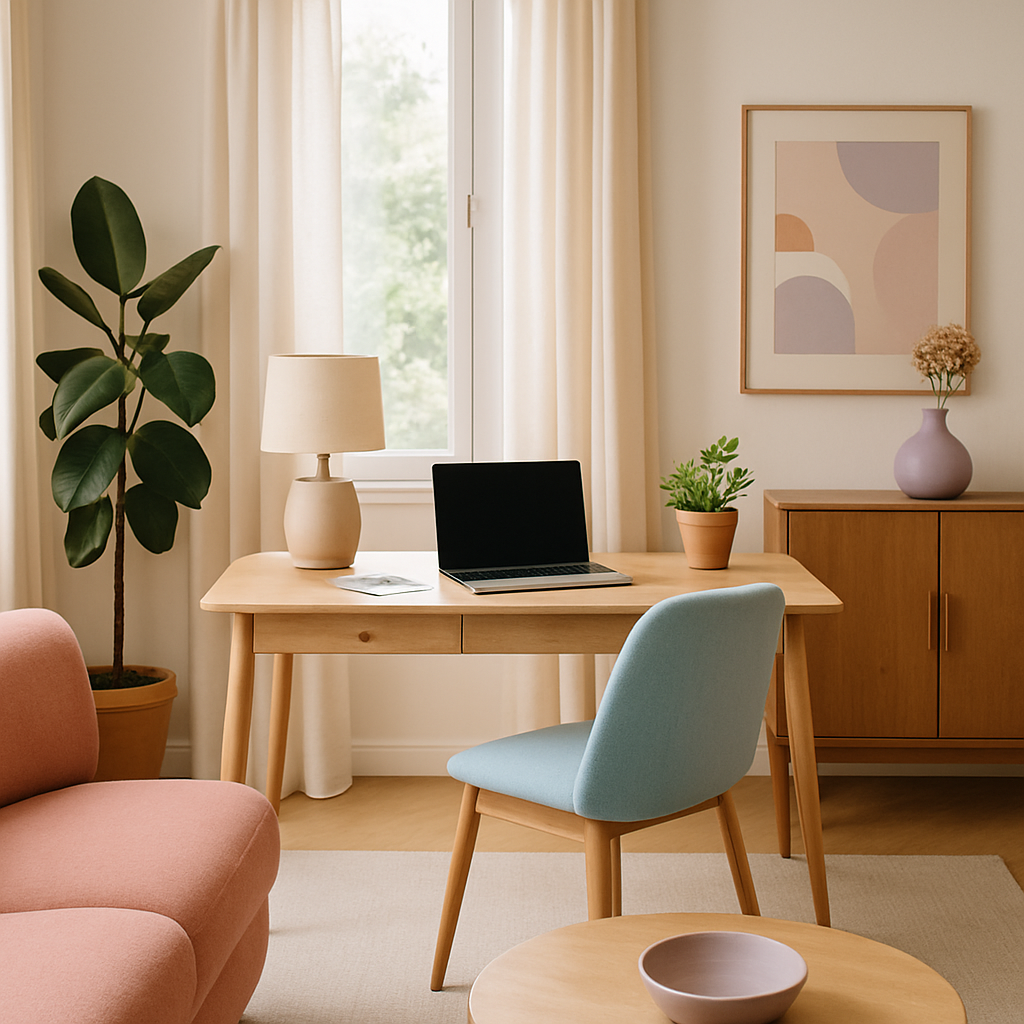
Have you ever imagined designing stunning interiors without leaving the comfort of your home? As the demand for flexible work environments grows, the interior design industry is experiencing a significant shift towards remote opportunities. According to a recent survey by the American Society of Interior Designers (ASID), nearly 40% of interior designers have transitioned to remote or hybrid work models in 2023. This trend not only opens doors for seasoned professionals but also presents exciting possibilities for newcomers eager to enter the field. In this article, we'll delve into the foundational concepts of remote interior design, analyze current trends with supporting data, and offer actionable strategies for thriving in this evolving landscape.
Understanding the Foundations of Remote Interior Design
Remote interior design jobs are not just a passing fad; they represent a fundamental shift in how design services are delivered. The core of remote design lies in leveraging technology to bridge the gap between designers and clients. Platforms like Houzz and Pinterest have become vital tools, allowing designers to showcase their portfolios and gather inspiration. These platforms facilitate communication and collaboration, enabling designers to present ideas to clients via digital mood boards and virtual consultations.
Certified interior designers, who hold credentials such as the NCIDQ (National Council for Interior Design Qualification), are particularly well-positioned to thrive in remote environments. Their formal training equips them with the skills necessary to manage complex projects and collaborate effectively across digital channels. Industry professionals often note that the ability to convey design concepts clearly and persuasively online is a critical skill for remote designers.
One significant aspect of remote interior design is the flexibility it offers. Designers can work with clients across different time zones and geographical locations, thereby expanding their client base and potential income. This flexibility is particularly appealing to those who prefer a non-traditional work schedule or wish to balance professional and personal commitments. As we transition to the next section, we'll explore the data that underscores the growing popularity of remote interior design work.
Current Trends and Data in Remote Interior Design
The rise of remote interior design jobs is supported by compelling data. According to Houzz's annual survey, homeowner spending on virtual design services increased by 25% in the last year alone. This growth is partly driven by the increasing comfort and familiarity of consumers with digital platforms for various services, including interior design consultations. Furthermore, 2023 has seen a surge in the use of augmented reality (AR) and virtual reality (VR) tools, which allow clients to visualize design changes in real-time.
Experienced professionals often emphasize the importance of staying current with technological advancements. The integration of smart home features into design projects is another trend gaining momentum. Smart lighting, automated window treatments, and climate control systems are becoming standard requests from clients seeking modern, efficient homes. As designers become more adept at incorporating these elements remotely, they enhance their value proposition to clients.
Another noteworthy trend is the focus on sustainable and biophilic design. The demand for eco-friendly materials and designs that connect indoor spaces with nature is increasing. Designers are utilizing digital platforms to source sustainable materials and collaborate with suppliers who share these values. This trend not only aligns with environmental goals but also caters to a client base that values sustainability and wellness. In the following section, we'll discuss practical strategies for interior designers looking to capitalize on these opportunities.
Actionable Strategies for Succeeding in Remote Interior Design
To thrive in the remote interior design landscape, designers must adopt a proactive approach. First, investing in technology is crucial. Reliable design software and high-quality video conferencing tools are essential for effective client communication. Platforms like SketchUp and AutoCAD remain industry standards, while newer tools like Foyr Neo offer user-friendly interfaces for 3D modeling and rendering.
Building a strong online presence is another key strategy. Designers should regularly update their portfolios on platforms like Houzz and Instagram to attract potential clients. Engaging with followers through interactive content, such as design tips and behind-the-scenes project snapshots, can enhance visibility and credibility. Offering virtual workshops or webinars on design topics is another way to showcase expertise and engage with a broader audience.
Networking remains a vital component of career growth, even in a remote setting. Joining professional organizations such as the IIDA (International Interior Design Association) can provide access to resources, industry news, and networking opportunities. Designers should also consider participating in virtual design shows or conferences to stay connected with industry peers and trends. As we move forward, let's delve into expert insights that can elevate your remote design practice.
Expert Insights on Navigating the Remote Design World
Remote interior design is not without its challenges, but experienced professionals offer valuable insights to help navigate this terrain. Many emphasize the importance of clear and consistent communication with clients. Setting expectations early and maintaining regular updates can prevent misunderstandings and ensure smooth project execution. Using project management tools like Asana or Trello can help keep track of tasks and deadlines.
Another insight is the importance of honing presentation skills. As designs are primarily communicated through digital channels, being able to create compelling visual presentations is crucial. Tools like Canva and Adobe Creative Cloud can assist in crafting visually appealing presentations that effectively convey design concepts.
Finally, adaptability is a key trait for success. The remote work landscape is constantly evolving, and designers must be willing to embrace change and learn new skills. Whether it's mastering the latest design software or exploring new design trends, staying adaptable ensures continued relevance and competitiveness in the industry. Next, we'll explore additional resources and support systems that can aid remote designers in their journey.
Resources and Support for Remote Interior Designers
For those embarking on a remote interior design career, leveraging available resources is essential. Online design communities, such as those on Reddit and LinkedIn, provide a platform for sharing ideas, seeking advice, and building connections with fellow designers. These communities offer support and inspiration, creating a sense of belonging in an otherwise isolated work environment.
Certification programs and continuing education courses are also valuable resources. Organizations like the NCIDQ and ASID offer courses that can enhance your credentials and keep your skills sharp. These programs are often available online, making them accessible to remote designers worldwide.
Finally, exploring partnerships with local suppliers and artisans can expand a designer's resource network. Collaborating with local businesses not only supports the community but also provides unique materials and products that can set your designs apart. As we wrap up, we'll consider the broader implications of these trends and strategies for the future of interior design.
Final Perspectives on the Remote Design Landscape
The shift towards remote interior design jobs represents a significant evolution in the industry. By embracing technology and adapting to new ways of working, designers can reach a global audience and offer innovative solutions to clients. This transition also highlights the importance of sustainability and adaptability in design practices, as clients increasingly prioritize these values.
The remote design landscape is dynamic, and those who remain open to learning and adapting will find ample opportunities for growth and innovation. Whether you're an experienced designer or new to the field, the remote model offers a flexible and rewarding career path. As we conclude, consider how these insights can inform your approach to interior design, and what steps you might take to leverage these trends in your own practice.
Conclusion: Embrace the Future of Remote Interior Design
The landscape of interior design is rapidly changing, with remote opportunities paving the way for a more flexible and inclusive industry. By understanding the foundational concepts, staying informed about trends, and adopting actionable strategies, designers can successfully navigate this new terrain. Remote work offers the chance to reach diverse clients and explore innovative design solutions, all while enjoying the benefits of a flexible work environment.
Are you ready to embrace the future of remote interior design? Start by exploring the portfolios on platforms like Houzz this week-even 20 minutes of research can sharpen your eye for what you want. Engage with online design communities to expand your network and stay informed about industry trends. By taking these steps, you'll be well-equipped to thrive in the exciting world of remote interior design.



Comments
Post a Comment