Maximize Small Spaces: Innovative Room Interior Design Hacks You Need to Try
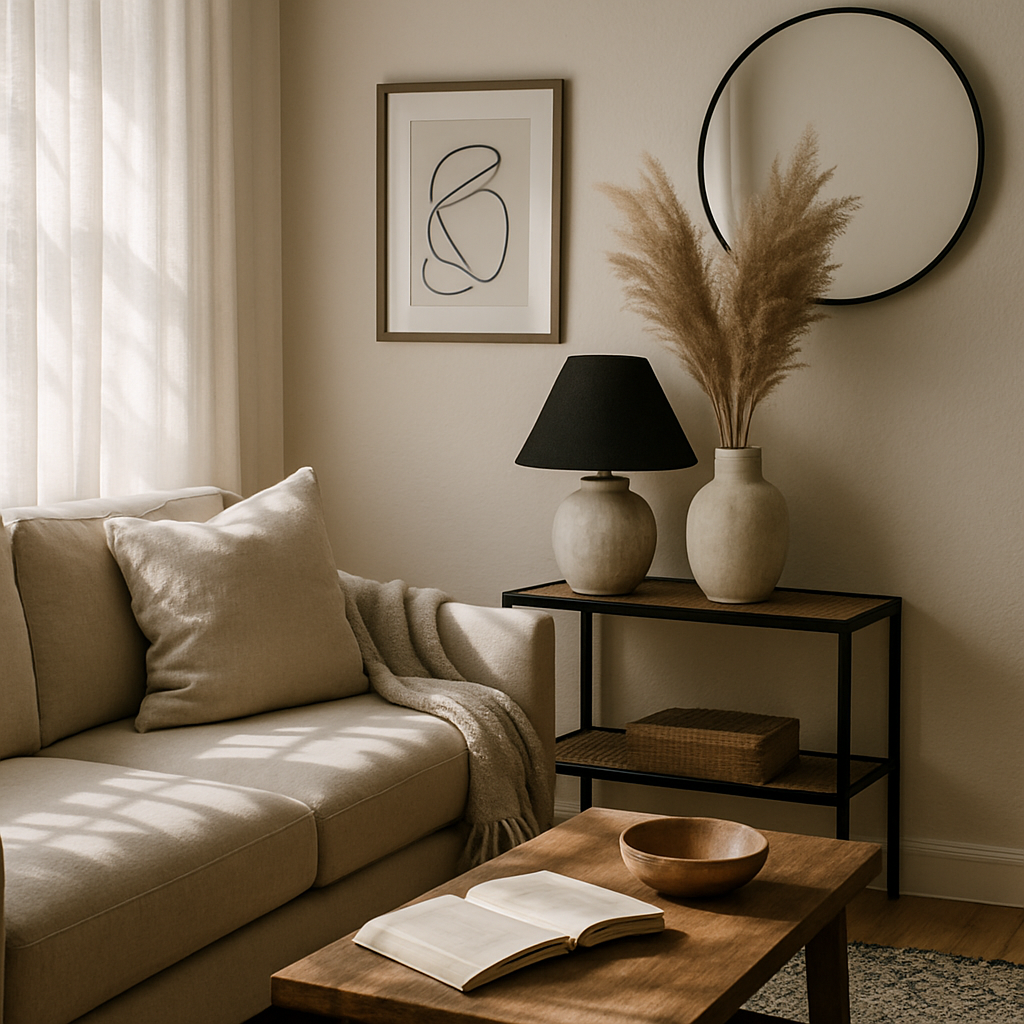
Picture this: You walk into a compact living room, yet it feels expansive and airy. How is this possible? The secret lies in strategic design. In a world where urban living spaces are shrinking, maximizing small spaces has become both a necessity and an art form. According to a survey by the American Institute of Architects (AIA), over 60% of homeowners are actively seeking ways to make the most out of limited square footage. This article will explore foundational concepts, provide a deeper analysis with supporting data, offer actionable strategies, and delve into expert details to help you transform your cramped quarters into a spacious sanctuary. By the end, you'll be ready to implement these innovative room interior design hacks in your own home.
Understanding the Core Principles of Small Space Design
At the heart of maximizing small spaces lies the principle of functional design. This involves thoughtfully considering how each area of your home is utilized daily. For instance, the entrance of your home is not just a passageway; it's a potential storage area. By installing wall-mounted hooks and a slim console table, you can organize your essentials without encroaching on valuable floor space. This concept of dual-purpose functionality is central to effective small space design.
Moreover, the use of light and color plays a pivotal role in creating the illusion of space. Light, neutral colors such as whites, light grays, and soft pastels can make a room appear larger and more inviting. As per research shared by Houzz, rooms painted in lighter colors are perceived to be 10% larger than they actually are. Additionally, incorporating mirrors strategically can reflect light and visually expand a room, adding depth and dimension.
Another core principle is decluttering. Minimalism isn't just a trend; it's a powerful design philosophy that emphasizes the need to eliminate unnecessary items. By adhering to the "less is more" approach, not only do you free up physical space, but you also create a calmer and more aesthetically pleasing environment. This foundation of functional design, light manipulation, and minimalism sets the stage for more advanced strategies.
Leveraging Data to Inform Design Choices
Data-driven design choices can significantly enhance the functionality of small spaces. According to a recent study by the National Association of Home Builders (NAHB), open floor plans are among the most desired features for homeowners, with over 70% favoring this layout. Removing unnecessary walls can create a seamless flow between rooms, making even the smallest spaces feel connected and spacious. This approach is particularly effective in studio apartments where defining living areas without physical barriers is crucial.
Furthermore, the use of multi-functional furniture is a game-changer for small spaces. The Houzz annual report suggests that over 50% of homeowners are investing in pieces that serve more than one purpose. Consider a sofa bed for the living room or a dining table that doubles as a workspace. Such investments not only optimize space but also ensure that every piece of furniture earns its keep.
The integration of technology into small space design is another area where data supports innovation. Smart home devices, such as automated lighting and climate control, can streamline operations and save space typically occupied by traditional systems. Experienced professionals often note that integrating technology not only enhances convenience but also adds a layer of modern sophistication to any interior.
Implementing Actionable Strategies for Your Home
Now that you've grasped the core principles and seen the data, it's time to apply these insights to your own home. Start by assessing each room's function. Ask yourself: How is this space currently used, and how could it be optimized? A thorough evaluation will guide you in selecting the right multi-functional furniture and storage solutions. For instance, under-bed storage bins can free up closet space, while wall-mounted desks can convert a bedroom corner into a remote work station.
Next, consider the vertical space available. Tall bookcases and floating shelves draw the eye upwards and create the illusion of height. These additions not only provide ample storage but also offer opportunities to display personal items, adding character without clutter. Remember, the goal is to make every inch count, from floor to ceiling.
Lighting is another area ripe for enhancement. Layered lighting, which includes a mix of ambient, task, and accent lighting, can transform a small space. Use LED strip lights under cabinets or shelves to add depth and interest without consuming space. This strategic layering ensures your room is well-lit while accentuating its best features. With these strategies, you can transform your home into a functional and stylish retreat.
Expert Insights on Advanced Design Techniques
For those ready to elevate their small space design to the next level, expert techniques offer a treasure trove of possibilities. One such technique is the integration of biophilic design principles, which emphasize the connection between interiors and nature. Incorporating natural materials, indoor plants, and maximizing natural light can create a soothing environment that feels more open and airy.
Japandi, a fusion of Japanese minimalism and Scandinavian warmth, is another trend gaining popularity for small spaces. This style prioritizes simplicity, functionality, and high-quality materials. Incorporating Japandi elements, such as low-profile furniture and neutral color palettes, can make a room feel uncluttered and serene. This design ethos is perfect for those who crave a peaceful, yet sophisticated living space.
Additionally, virtual reality (VR) and augmented reality (AR) tools are revolutionizing the way designs are conceptualized and visualized. These technologies allow you to experiment with layouts and decor virtually, ensuring every decision enhances the space. According to AD PRO, the use of AR/VR in design projects has increased by 30% over the past year, highlighting its value in planning efficient and effective small space solutions. Transitioning from these expert insights, let's delve into the nuances of personalized design.
Exploring Personalized Design Choices
Personalization is key to making small spaces truly feel like home. While trends and expert advice provide a framework, your unique tastes and lifestyle should guide the final design decisions. Start by identifying the elements that resonate with you most. Is it a particular color scheme, a style of furniture, or a specific type of artwork? Incorporating personal touches ensures the space is not only functional but also reflective of your personality.
Consider how you can use textures and patterns to add depth and interest without overwhelming the space. Textured throw pillows, patterned rugs, or a feature wall can inject character and warmth. However, balance is crucial; too many patterns can make a space feel chaotic. Aim for a cohesive look by selecting complementary colors and materials that tie the design together.
Lastly, don't underestimate the power of scent. While often overlooked, fragrance can significantly impact how a space is perceived. Choose scents that evoke comfort and relaxation, such as lavender or vanilla, to enhance the ambiance of your home. By weaving these personalized elements into your small space design, you can create an environment that is uniquely yours and perfectly suited to your needs.
Final Thoughts on Small Space Innovation
Maximizing small spaces requires a blend of creativity, strategic thinking, and a willingness to adapt new techniques. The journey from cramped quarters to a functional haven is one filled with learning and experimentation. As you've seen, it involves understanding fundamental principles, leveraging data, and implementing expert strategies.
By embracing the innovative design hacks discussed, you not only optimize your living area but also enhance your overall quality of life. Remember, a well-designed small space is not just about aesthetics; it's about creating a home that works for you. What's one change you could make today that would have the biggest impact on your space?
As you move forward, keep exploring and refining your approach. Look to resources like Houzz and ASID for inspiration and professional guidance. The world of small space design is dynamic and full of possibilities, offering endless opportunities to craft spaces that are as beautiful as they are functional.
Ready to start your transformation? Begin by browsing designer portfolios on Houzz to gather ideas and see what resonates. Even just 20 minutes of research can sharpen your eye for what you want. Your perfect small space solution might be just a click away.
More Articles You May Like



Comments
Post a Comment