How to Find Your Perfect Style with Online Interior Design Services
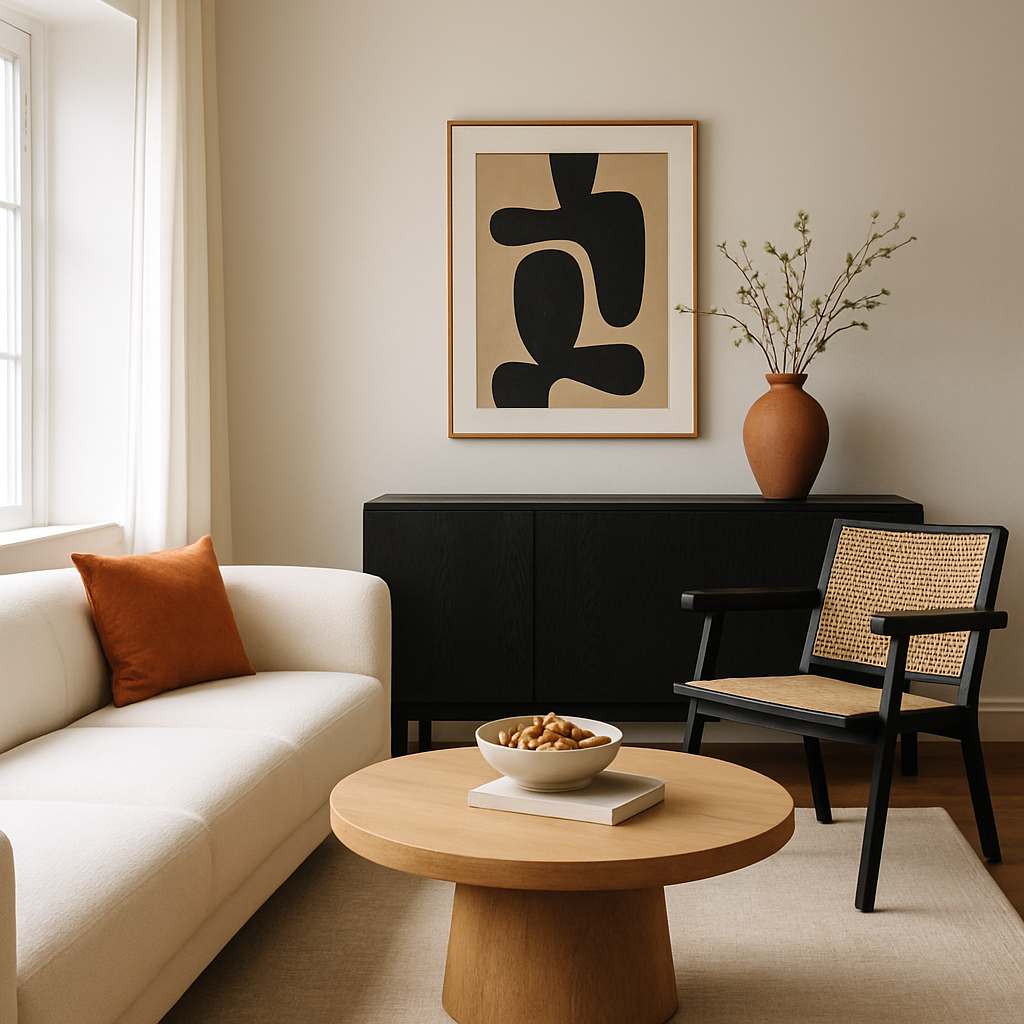
Have you ever walked into a beautifully designed room and felt an immediate sense of belonging, as though every surface and texture had been chosen just for you? That visceral reaction is what happens when personal style meets thoughtful design. Yet for most homeowners, translating that feeling into their own spaces remains frustratingly elusive. The rise of online interior design services has changed the equation dramatically, giving millions of people access to professional guidance that was once reserved for those willing to pay premium in-person consultation fees. According to the American Society of Interior Designers (ASID), more than 68 percent of design firms now offer some form of virtual service, a figure that has nearly tripled since the early part of the decade. Whether you are drawn to the warm minimalism of Japandi or the understated richness of quiet luxury, an online designer can help you articulate preferences you may not even have words for yet. This article walks you through the practical steps of working with these platforms so you can finally create a home that feels authentically yours.
Understanding What Personal Style Really Means in Interior Design
Personal style in interior design is far more than picking a favorite color or gravitating toward a particular furniture silhouette. It is the intersection of how you live, what you value, and the sensory experiences that bring you comfort. The International Interior Design Association (IIDA) defines personal style as a reflection of individual identity expressed through spatial choices, material selections, and the emotional atmosphere of a room. When you understand this broader definition, the process of working with a designer becomes less about copying a magazine spread and more about honest self-exploration.
Many people confuse trends with personal style, and while the two can overlap, they serve different purposes. A trend like biophilic design, which integrates natural elements such as living walls, water features, and organic materials into built environments, might resonate deeply with someone who grew up in rural settings. For another person, the same trend might feel forced or impractical. The key distinction is whether a design direction genuinely enhances your daily experience or simply looks impressive in photographs. Online design platforms often begin their process with detailed questionnaires that probe these differences, asking not just what you like visually but how you use each room, how many people share the space, and what activities matter most to your household.
Style also evolves over time, which is something that rigid design labels fail to capture. You might start with a strong preference for mid-century modern lines but gradually incorporate the textured warmth of wabi-sabi elements as your tastes mature. A skilled online designer will help you identify the constants in your preferences, the throughlines that remain steady even as surface-level tastes shift. Those constants are the foundation of authentic personal style, and discovering them is one of the most rewarding aspects of the design process. Have you taken the time to think about which elements in your current home make you feel most at ease?
How Online Interior Design Platforms Actually Work
The mechanics of online interior design services vary across providers, but most follow a similar workflow that blends technology with human expertise. Platforms such as those listed on Houzz connect homeowners with licensed designers who conduct consultations via video call, exchange mood boards through shared digital workspaces, and deliver detailed room plans complete with product links and placement guides. The typical engagement begins with an intake form that captures room dimensions, budget parameters, lifestyle habits, and aesthetic preferences. From there, a designer develops two or three concept directions for the client to review before refining the chosen direction into a final plan.
Pricing structures for online services tend to be significantly more accessible than traditional in-person arrangements. Where a full-service interior designer might charge between $150 and $500 per hour for face-to-face consultations, many online platforms offer flat-rate packages that start at a few hundred dollars per room. This pricing model has opened professional design guidance to a much wider demographic. According to a report featured on AD PRO, the virtual design segment has grown by approximately 40 percent year over year, driven largely by first-time design clients who previously considered professional help out of reach.
The technology underpinning these platforms has matured rapidly. Three-dimensional rendering tools allow designers to produce photorealistic visualizations of proposed spaces, giving clients a clear preview before any purchases are made. Augmented reality features let homeowners place virtual furniture in their actual rooms through a smartphone camera, testing scale and proportion in real time. Some platforms also integrate smart home planning into their offerings, helping clients position automated lighting, motorized window treatments, and voice-controlled climate systems so that technology complements rather than clutters the design. The result is a collaborative experience that compresses what once took months of in-person meetings into a streamlined digital process.
Identifying Your Core Aesthetic Through Guided Discovery
One of the most valuable services online designers provide is structured aesthetic discovery, a guided process that helps clients move beyond vague preferences toward a clearly defined design direction. This typically involves curated image exercises where you sort photographs into categories of strong appeal, mild interest, and definite rejection. The patterns that emerge from this sorting reveal subconscious preferences that you might not articulate on your own. A client who consistently selects images with low-profile furniture, muted earth tones, and abundant natural light, for example, is expressing an affinity for grounded, organic spaces even if they have never heard the term Japandi.
Guided discovery also addresses the practical side of style by examining how you interact with your home on a typical day. A family with young children will have different spatial needs than a retired couple who entertains frequently, and those functional requirements shape aesthetic choices in meaningful ways. The National Council for Interior Design Qualification (NCIDQ) emphasizes that competent design always balances visual appeal with functional performance, and online designers who hold NCIDQ certification bring this dual focus to every project. They will ask you about traffic patterns, storage pain points, cleaning preferences, and even the quality of natural light at different times of day.
What makes guided discovery particularly effective in an online format is the elimination of social pressure. In a face-to-face setting, clients sometimes defer to a designer's authority or feel embarrassed about their true preferences. The asynchronous nature of digital communication gives people space to reflect honestly. You can spend an evening sorting images without worrying about a designer watching your reactions, and you can revise your questionnaire answers after sleeping on them. This psychological freedom tends to produce more authentic results, which in turn leads to spaces that genuinely feel like home rather than impressive showcases that lose their appeal after a few months.
Navigating Budget Decisions Without Compromising Vision
Budget is often the most anxiety-inducing aspect of any design project, and online services address this challenge with a transparency that traditional arrangements sometimes lack. Most platforms require clients to specify a budget range upfront, and designers use that figure as a hard constraint when sourcing products and materials. This means you receive recommendations that are financially realistic from the very first concept presentation, rather than falling in love with a vision only to discover it costs three times what you can afford. Full-room design packages through online services typically range from $5,000 to $15,000 depending on scope, which often includes furniture, lighting, textiles, and accessories.
Strategic spending is another area where professional guidance pays for itself. An experienced designer knows which items merit investment and which can be sourced affordably without visible compromise. A high-quality sofa that will endure a decade of daily use, for instance, is worth allocating a larger share of the budget, while decorative throw pillows can be swapped seasonally from budget-friendly retailers. Online designers often maintain curated lists of vendors across multiple price tiers, allowing them to assemble a cohesive room that mixes investment pieces with accessible finds. This approach produces results that look and feel considered without demanding an unlimited checkbook.
What happens when your vision exceeds your current budget? Skilled online designers are adept at phasing projects so that you can build toward your ideal space over time. They might deliver a complete plan but prioritize implementation in stages, starting with foundational pieces like seating and lighting before adding layers of art, accessories, and specialty items in subsequent rounds. This phased approach prevents the common mistake of filling a room with placeholder items that never get replaced. Instead, every purchase is intentional, and the room grows more complete with each phase rather than requiring a wholesale do-over down the road. Are you willing to be patient with a phased approach if it means every piece truly fits your vision?
Blending Trending Styles with Timeless Preferences
The tension between following trends and honoring timeless preferences is a challenge that every homeowner faces, and online designers are uniquely positioned to help navigate it. Trends like biophilic design, which emphasizes the integration of natural materials, living greenery, and organic forms, have proven staying power because they are rooted in well-documented psychological benefits. Research published through organizations like ASID has shown that exposure to natural elements in interior spaces reduces stress and improves cognitive function. Incorporating such evidence-based trends into your home is not chasing fashion but making a health-conscious design choice.
Quiet luxury is another movement that bridges the gap between trend and timelessness. Characterized by premium materials, restrained color palettes, and an absence of visible logos or branding, quiet luxury prioritizes tactile richness over visual showmanship. An online designer working within this aesthetic might recommend a cashmere throw in a tone that matches your existing linen upholstery, or suggest replacing brass hardware with unlacquered bronze that develops a unique patina over time. These choices feel contemporary without being dated by a specific moment, which is the hallmark of a trend worth adopting.
The danger lies in overcorrecting toward either extreme. A home that ignores all contemporary movements can feel stagnant and disconnected from the cultural moment, while a space that chases every new direction becomes a disjointed collage with no coherent identity. Online designers help you find the productive middle ground by filtering trends through the lens of your established core aesthetic. They might introduce smart home technology, such as automated circadian lighting that adjusts color temperature throughout the day, into a traditionally styled room without disrupting its character. The goal is evolution rather than revolution, allowing your space to feel both current and deeply personal.
Collaborating with Your Designer and Evaluating the Finished Space
The quality of your online design experience depends significantly on how you communicate with your designer, and a few practices can make the collaboration dramatically more productive. First, be honest about what you dislike. Designers report that negative feedback is often more useful than positive feedback because it establishes firm boundaries for the creative direction. Saying that you find all-white kitchens cold and clinical gives a designer far more actionable information than saying you like warm spaces. IIDA guidelines for client communication emphasize that specificity in feedback, whether positive or negative, is the single most important factor in achieving satisfying outcomes. Second, provide photographs of your existing space from multiple angles and at different times of day, capturing reality rather than an idealized version. Include the awkward corner where cords tangle, the window that faces a parking lot, and the doorway that creates an odd traffic pattern. These constraints are design challenges that a skilled professional can transform into distinctive features.
Establish a clear decision-making framework before the project begins. Determine who in your household has final approval on major purchases, how quickly you can review and respond to design presentations, and what your absolute non-negotiables are. Some clients care deeply about fabric durability and are flexible on color, while others have a firm palette in mind but are open to any material that fits it. Sharing these priorities upfront prevents the frustrating cycle of repeated revisions that drags projects out and erodes enthusiasm. The best online design relationships are partnerships where both parties contribute their expertise, yours in knowing how you live and the designer's in knowing how to shape space around that life.
Once your project reaches completion and the final pieces are in place, give yourself at least two weeks of living in the redesigned space before forming a definitive opinion. Initial reactions are often colored by the novelty of change rather than genuine assessment of fit. Walk through each room with fresh eyes and note what works effortlessly and what creates friction. Does the new coffee table height feel comfortable when you reach for your morning cup? Does the reading lamp cast light at the right angle for your favorite chair? Maintenance is a dimension of design that receives too little attention: natural stone countertops need periodic sealing, hardwood floors benefit from humidity control, and performance fabrics maintain their appearance with simple spot cleaning. NCIDQ-certified designers are trained to discuss maintenance implications as part of the material selection process, ensuring that your choices are sustainable for your lifestyle. Remember that a designed space is not a museum exhibit but a living environment that should accommodate change, welcome seasonal refreshes, and adapt as your life circumstances shift.
Conclusion: Taking the First Step Toward Your Ideal Home
Finding your perfect interior design style is not a single revelation but a process of gradual clarity, and online interior design services have made that process more accessible, affordable, and enjoyable than it has ever been. From guided aesthetic discovery to budget-conscious sourcing and phased implementation, these platforms provide professional expertise without the barriers that once kept most homeowners on the sidelines. The combination of advanced visualization technology, asynchronous communication, and certified design talent means that a thoughtfully designed home is no longer a luxury reserved for a privileged few. Whether you are furnishing your first apartment or reimagining a home you have lived in for decades, the tools and talent are available to help you create spaces that reflect who you are and support how you live. Start by exploring one of the reputable platforms mentioned in this article, complete an intake questionnaire with genuine honesty, and allow yourself to be surprised by what a skilled designer sees in your preferences. Your ideal home is closer than you think, and the first step is simply deciding that you deserve to live in one.
More Articles You May Like



Comments
Post a Comment