Maximize Small Spaces: Creative Room Interior Design Ideas You Need to Try
Are you grappling with limited square footage and wondering how to make the most of your small space? According to a recent Houzz survey, nearly 60% of homeowners with smaller homes prioritize maximizing storage and functionality. This challenge is especially relevant in urban settings where space is a premium. The good news is that with the right interior design strategies, you can turn even the tiniest of rooms into functional and stylish havens. In this article, we'll explore foundational concepts of small space design, delve into data-backed techniques, and unveil innovative ideas from top experts. Whether you're dealing with a cramped studio apartment or a compact guest room, these creative solutions will help you optimize your space without compromising on style.
Understanding the Basics of Small Space Design
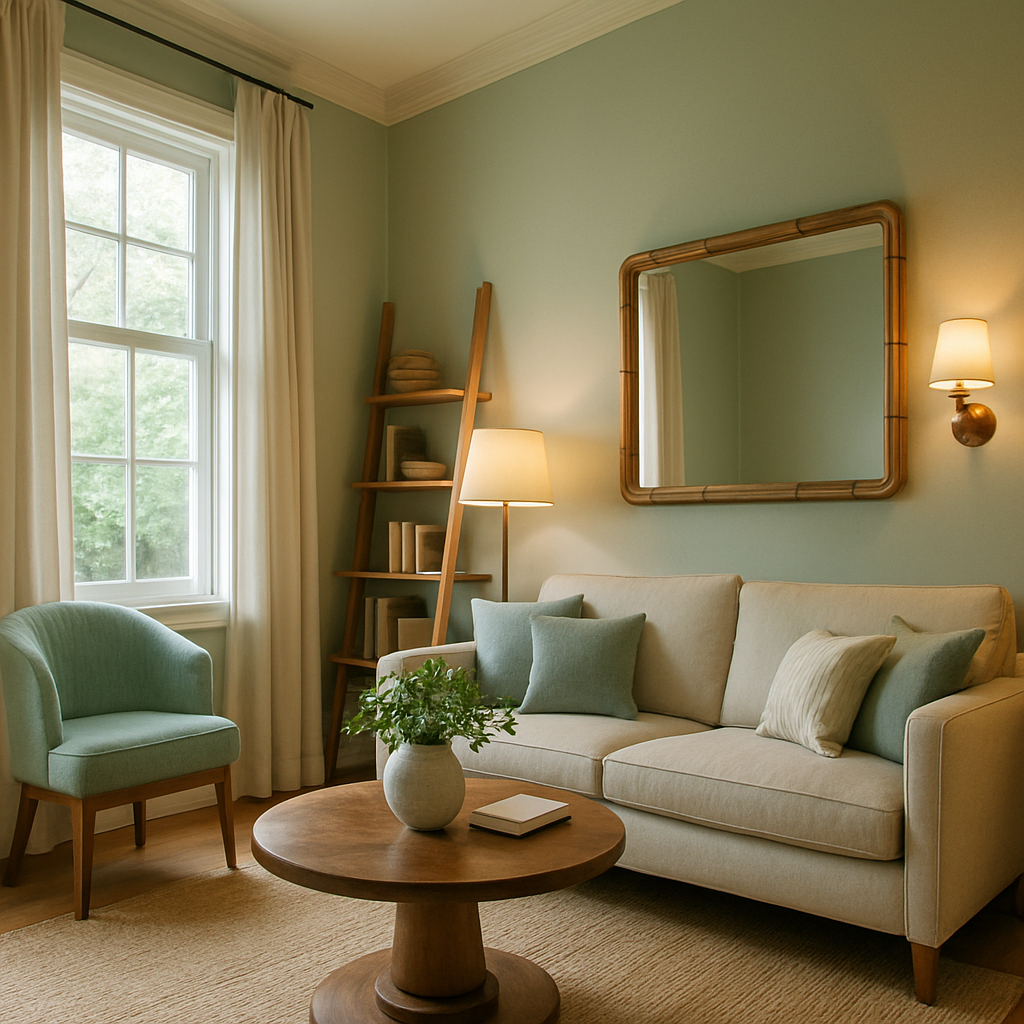
Maximizing small spaces begins with understanding the foundational principles of interior design. One of the key ideas is to create a sense of openness. This can be achieved through the strategic use of light and color. Light colors, such as soft whites and pastels, can make a room feel larger by reflecting more light. Mirrors are another powerful tool; placing a large mirror opposite a window can amplify natural light and give the illusion of a more expansive area.
Another essential concept is the use of multifunctional furniture. Pieces like a sofa bed or an ottoman with storage can serve dual purposes, saving space and adding practicality. The American Society of Interior Designers (ASID) emphasizes the importance of selecting furniture that fits the scale of the room. Oversized furniture can overwhelm a small space, while appropriately scaled pieces can enhance its functionality and flow.
Finally, consider vertical space. Tall bookshelves or cabinets that reach the ceiling can provide ample storage without occupying valuable floor space. Experienced professionals often note that utilizing vertical elements can draw the eye upward, creating a sense of height in a room. As we explore deeper into this article, these foundational principles will serve as the building blocks for more complex design strategies.
Analyzing Small Space Design with Data
Data-driven design is becoming increasingly popular, offering insights into how different strategies impact small space living. According to the National Council for Interior Design Qualification (NCIDQ), incorporating specific design elements can increase the perceived size of a room by up to 20%. For instance, using sliding doors instead of traditional swing doors can free up to 10 square feet of usable space per door.
Additionally, Houzz's annual survey data reveals that 45% of homeowners who remodeled small spaces incorporated built-in storage solutions. Built-in shelves, cabinets, and benches are not only space-savers but also add value to a home. These features can be customized to meet the unique needs of your space, ensuring that no inch is wasted.
Another data point to consider is the impact of lighting. Studies suggest that layered lighting, which includes ambient, task, and accent lighting, can significantly enhance the functionality of small spaces. This approach not only improves visibility but also adds depth and interest to a room. As we move forward, we'll look at how these insights translate into actionable strategies for your own home.
Actionable Strategies for Maximizing Small Spaces
Now that we've covered the principles and data, it's time to dive into actionable strategies you can implement in your home. Start by assessing each room's purpose. Where do you spend the most time? What activities do you need to accommodate? By clearly defining the function of each space, you can prioritize the design elements that support those activities.
Consider incorporating furniture that can easily transform to meet different needs. For example, a drop-leaf table can serve as a dining area when extended and a compact console when folded down. Similarly, a daybed can function as both a sofa and a guest bed, making it ideal for multipurpose rooms. According to the International Interior Design Association (IIDA), investing in quality, versatile pieces is essential for maximizing small spaces.
Don't overlook the power of decluttering. Regularly evaluating your belongings and eliminating unnecessary items can free up valuable space. Storage solutions like baskets, bins, and drawer organizers can keep essentials neatly tucked away. As we continue, we'll explore expert-level details that can bring these strategies to life in your home.
Expert-Level Insights into Small Space Design
For those seeking expert-level design insights, consider the principles of biophilic design. This approach emphasizes the connection between interiors and nature, using elements like natural materials and plants to create a calming environment. Bringing the outdoors in can make even the smallest spaces feel more expansive and inviting.
Another innovative concept is the use of smart home technology. Automated lighting and climate control systems can be integrated into small spaces to enhance comfort and efficiency. Imagine controlling your room's ambiance with a simple voice command or app. This level of convenience is not only practical but also adds a touch of modern luxury to any space.
Finally, explore the rising trend of Japandi design, which blends Japanese minimalism with Scandinavian warmth. This style focuses on simplicity and functionality, using a limited color palette and natural textures. The result is a serene and uncluttered space that feels open, despite its size. As we delve into additional layers of detail, consider how these insights can inspire your own design projects.
Diving Deeper into Small Space Innovations
As we continue to explore creative room interior design ideas, it's important to consider the role of technology and innovation. Augmented reality (AR) and virtual reality (VR) tools are transforming how designers and homeowners visualize and plan spaces. Platforms like Houzz and Pinterest now offer AR features that allow you to see how different furniture pieces and layouts will look in your actual space before making a purchase.
Furthermore, sustainable and reclaimed materials are gaining traction in small space design. Not only do these materials reduce environmental impact, but they also offer unique textures and stories to your interiors. Reclaimed wood, for example, can be used for flooring, accent walls, or custom furniture, adding character and warmth without overwhelming the space.
Experienced professionals often note that embracing these innovations can lead to more personalized and efficient designs. By incorporating new technologies and sustainable practices, you can create a space that is not only functional and stylish but also forward-thinking. As we wrap up, we'll consider the final perspectives on maximizing small spaces.
Final Perspectives on Maximizing Small Spaces
Maximizing small spaces is both an art and a science, requiring a thoughtful blend of design principles, data-driven insights, and innovative practices. By embracing multifunctionality, smart technology, and sustainable materials, you can transform even the most compact areas into efficient and inviting environments.
As you embark on your design journey, remember that the goal is to create a space that reflects your personal style and meets your practical needs. Whether you're inspired by the clean lines of Japandi design or the lush elements of biophilic interiors, there's a solution for every small space challenge.
In the conclusion, we'll provide a clear call to action, inspiring you to take the first steps toward your own small space transformation.
Conclusion
In conclusion, maximizing small spaces requires creativity, strategic planning, and a willingness to explore new ideas. From the foundational principles of light and color to the innovative use of AR/VR tools and sustainable materials, there are countless ways to make the most of limited square footage. Are you ready to take the next step in transforming your small space? Start by browsing portfolios on Houzz this week-even 20 minutes of research will sharpen your eye for what you want. With the insights and strategies shared in this article, you're well-equipped to create a home that is both functional and beautiful.



Comments
Post a Comment