How to Incorporate Minimalism into Modern Interior Design for a Stunning Home
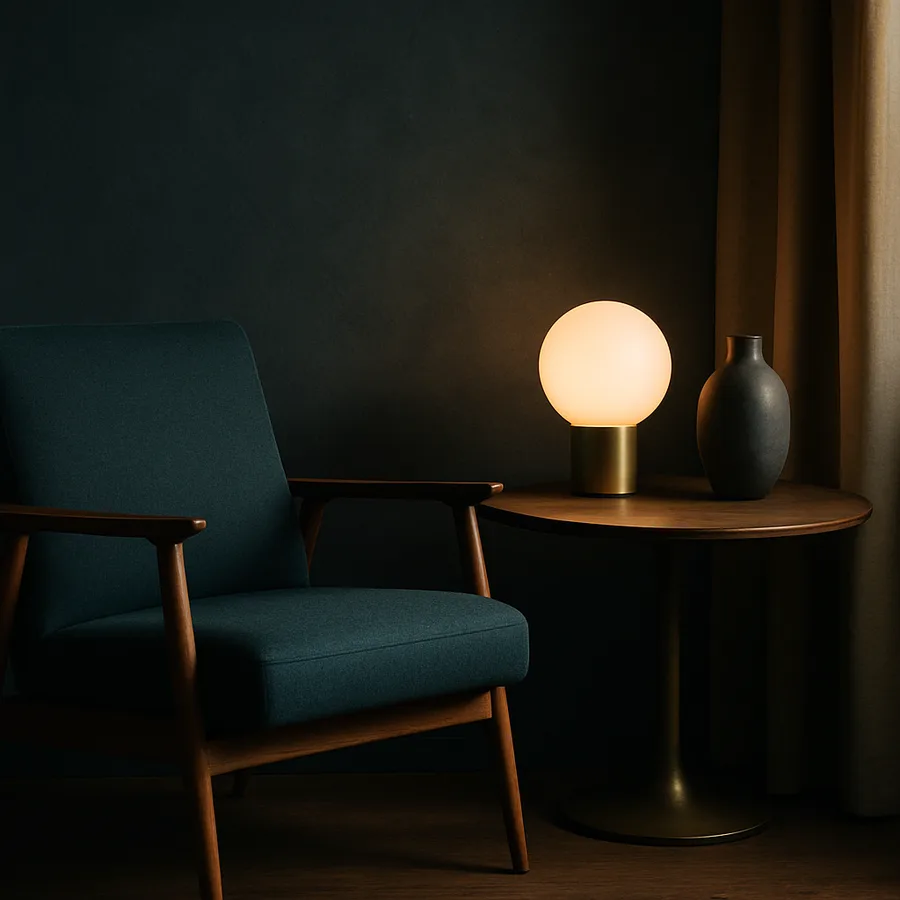
Minimalism in interior design is frequently misunderstood. Many people associate it with stark white rooms, empty surfaces, and an austere rejection of comfort and personality. This version of minimalism certainly exists, but it represents only one narrow interpretation of a rich and nuanced design philosophy. At its core, minimalism is about intentionality: keeping only what serves a purpose or brings genuine pleasure, and removing everything that merely occupies space. When applied thoughtfully, minimalist principles produce homes that feel calm, spacious, and deeply personal, not cold or barren.
The appeal of minimalist design has grown steadily as people recognize the psychological burden of cluttered, overstuffed environments. A study conducted by the Princeton Neuroscience Institute found that visual clutter competes for attention in the brain, reducing working memory capacity and increasing stress hormones. Your physical environment directly affects your mental state, and a thoughtfully edited space supports focus, relaxation, and a general sense of well-being that a cluttered one actively undermines.
This guide walks you through the practical steps of incorporating minimalism into your existing home. It is not a prescription for wholesale transformation overnight. Rather, it offers a structured approach that you can implement gradually, room by room, at whatever pace feels manageable. The goal is not to achieve some idealized image of minimalist perfection but to create spaces that feel lighter, more functional, and more aligned with the life you want to lead.
Step One: Audit Your Space with Honest Eyes
The first step toward a more minimalist home is a thorough, honest assessment of what you currently have and how you actually use it. This is not a purge or a decluttering sprint. It is a patient, room-by-room inventory that asks one fundamental question of every object: does this item earn its place in my home through regular use or genuine personal significance? Objects that meet neither criterion are candidates for removal, regardless of their cost, their sentimental associations, or the guilt you might feel about letting them go.
Begin with the room that causes you the most daily frustration. For many people, this is the kitchen, the entryway, or the primary living space. Remove everything from the surfaces, shelves, and storage areas of that room and place it all in a central location where you can see it together. The visual impact of seeing your accumulated possessions gathered in one place is often startling and provides the motivation needed to make difficult editing decisions. The American Society of Interior Designers recommends this total-extraction method as the most effective way to break the attachment that familiarity creates.
As you sort through your belongings, create three categories: keep, donate or sell, and discard. The keep category should be reserved for items you use regularly, items of genuine sentimental value, and items that bring you specific, articulable joy. Be rigorous with yourself. "I might need this someday" is almost never a sufficient reason to retain an object. If you have not used something in twelve months and it does not hold deep personal meaning, it is taking up physical and psychological space that could be better utilized.
This audit process will likely reveal patterns in your accumulation habits. You may discover that you own seven nearly identical throw blankets, four sets of sheets for two beds, or kitchen gadgets for tasks you have never performed. These patterns are valuable information because they reveal the unconscious purchasing behaviors that clutter your space. Recognizing these patterns makes it easier to resist future accumulation and maintain the clarity you are working to create.
Step Two: Establish a Functional Layout with Clear Zones
Once you have edited your possessions down to the items that truly earn their place, the next step is to organize them within a clear, functional spatial layout. Minimalist design is not simply about having fewer things. It is about arranging those things in a way that maximizes both function and visual calm. Every piece of furniture should have a defined purpose. Every zone within a room should serve a specific activity. And the pathways between zones should be wide, unobstructed, and intuitive to navigate.
Start by identifying the primary function of each room and designing the layout to support that function above all others. A living room designed primarily for conversation should center its furniture arrangement around face-to-face seating. A bedroom designed primarily for rest should position the bed as the room's focal point with minimal competing visual elements. Resist the temptation to crowd rooms with furniture for hypothetical scenarios. You do not need six dining chairs if you rarely seat more than four. You do not need a full home office setup in the bedroom if you work at the kitchen table.
Negative space, the empty areas between and around objects, is not wasted space in minimalist design. It is an active design element that gives your remaining furniture and objects room to breathe and be appreciated. The International Interior Design Association (IIDA) emphasizes that negative space reduces visual fatigue, improves perceived room size, and creates a sense of openness that contributes directly to psychological comfort. Resist the urge to fill every corner and surface. The emptiness is doing important work.
Consider the flow of movement through your home as a whole, not just within individual rooms. How do you move from the front door to the kitchen? From the bedroom to the bathroom? From the living room to the outdoor space? Minimalist spatial planning ensures these transitions are smooth and unimpeded. Furniture should never force you to squeeze past it or take an awkward detour. If navigating your home feels like an obstacle course, your layout needs simplification regardless of how attractive the individual pieces may be.
Step Three: Choose Quality Over Quantity in Every Purchase
The minimalist approach to furnishing a home can be summarized in five words: buy less, buy better. When every piece of furniture and every decorative object must justify its presence, quality becomes paramount. A single well-crafted dining table made from solid hardwood will serve you for decades and grow more beautiful with age. A cheap particleboard alternative will show wear within months and end up in a landfill within a few years, requiring replacement and generating waste. The minimalist choice is almost always the more economical one over time, even when the upfront cost is higher.
This principle extends to every category of purchase, from sofas and beds to kitchenware and linens. Before buying anything, ask yourself three questions. First, do I genuinely need this item, or am I responding to an impulse, a sale price, or social pressure? Second, is this the best version of this item I can reasonably afford, in terms of materials, construction, and design? Third, will this item still feel relevant and functional in five to ten years? If the answer to any of these questions is no, reconsider the purchase. The Houzz community frequently shares advice on identifying quality construction details that distinguish lasting pieces from disposable ones.
Materials are the primary indicator of quality in furniture and home goods. Solid wood outperforms veneered particleboard. Kiln-dried hardwood frames outlast soft pine. Eight-way hand-tied springs provide better long-term support than sinuous springs in upholstered furniture. High-density foam cushions maintain their shape far longer than low-density alternatives. Learning to evaluate these construction details empowers you to make purchasing decisions based on substance rather than surface appearance. A beautifully styled piece with poor construction is not a bargain at any price.
The financial logic of the quality-over-quantity approach becomes clear when you calculate the cost-per-year of ownership. A sofa that costs three thousand dollars and lasts fifteen years costs two hundred dollars per year. A sofa that costs eight hundred dollars and lasts three years costs over two hundred sixty dollars per year while also requiring the time, energy, and environmental cost of more frequent replacement. Minimalism is not about spending less in total. It is about spending more strategically and getting better results from every dollar invested.
Step Four: Develop a Restrained and Cohesive Color Palette
Color in minimalist design serves a different purpose than in maximalist or eclectic interiors. Rather than creating visual excitement through contrast and variety, a minimalist color palette creates calm through cohesion and restraint. This does not mean your home must be entirely white or beige. It means that your color choices should be limited to a small, intentionally selected family of hues that work together harmoniously across every room, creating a sense of visual continuity as you move through your home.
A practical approach is to select a base palette of three to four colors and apply them consistently throughout your entire home. Your base color, typically a neutral, covers walls, ceilings, and the largest furniture pieces. Your secondary color, a complementary neutral or muted tone, appears in smaller furniture, textiles, and woodwork. One or two accent colors, which can be bolder, appear sparingly in artwork, cushions, and decorative objects. This limited palette creates the visual quiet that is essential to the minimalist aesthetic while still allowing room for personal expression and visual interest.
The power of a restrained palette lies in its ability to highlight form, texture, and light rather than competing with them. When the color story is simple, you notice the curve of a chair arm, the grain of a wooden tabletop, the way afternoon light falls across a linen curtain. These subtle pleasures are drowned out in more colorful environments but become richly apparent in minimalist spaces. It is a different kind of visual richness, quieter but no less satisfying, that rewards sustained attention rather than demanding immediate notice.
What colors make you feel most at ease? Not what colors you find exciting or fashionable, but what colors genuinely calm your nervous system and make you want to linger in a space? For many people, the answer involves warm whites, soft grays, muted greens, or gentle earth tones. These are the colors that most naturally support the psychological goals of minimalist design. There is no rule against using bold color in a minimalist space, but any bold choice should be applied with great precision and purpose, as a single deliberate statement rather than a pervasive theme.
Step Five: Address Storage as a Design Priority
Minimalism fails without adequate, well-designed storage. Cleared surfaces and uncluttered rooms are only sustainable if there are organized, accessible places to put the things you need but do not want constantly visible. Storage is not the unglamorous afterthought that many design conversations treat it as. In minimalist design, storage is a primary structural requirement that should be addressed early in the planning process, not patched in as an afterthought once the aesthetic decisions have been made.
The most effective minimalist storage is built-in and concealed. Floor-to-ceiling wardrobes with flush-panel doors, kitchen cabinets that extend to the ceiling, built-in bench seating with hidden compartments, and alcove shelving with integrated doors all provide generous storage capacity while maintaining the clean visual lines that minimalism requires. Where built-in solutions are not possible, choose freestanding storage pieces with closed fronts rather than open shelving. Open shelves require meticulous curation to avoid looking cluttered, and they accumulate dust that closed storage avoids.
Inside your storage, organization systems are essential. Drawer dividers, shelf organizers, labeled boxes, and compartmentalized inserts ensure that the interior of your storage is as ordered as its exterior. According to the National Association of Productivity and Organizing Professionals, organized storage reduces the time spent searching for items by an average of 30 percent, which translates to hours saved each week and a significant reduction in daily frustration. This is not about perfectionism. It is about creating systems that support your daily routines rather than impeding them.
Apply the one-in-one-out rule to maintain your minimalist environment over time. For every new object that enters your home, one existing object of similar type should leave. This simple discipline prevents the gradual re-accumulation that undermines so many decluttering efforts. It also forces you to evaluate each potential purchase against what you already own, ensuring that new additions represent genuine improvements rather than lateral moves. The discipline of maintenance is ultimately more important than the initial transformation.
Step Six: Curate Meaningful Decorative Moments
A common misconception about minimalism is that it rejects decoration entirely. In fact, the opposite is true. Minimalism demands that every decorative element be more carefully selected and more deliberately placed than in any other design approach. When you have fewer objects on display, each one receives more attention and carries more visual weight. A poorly chosen or carelessly placed decorative item stands out glaringly in a minimalist room, whereas it might disappear into the visual noise of a more heavily decorated space.
Select decorative objects that are beautiful in their form and material, not just in their surface decoration. A simple ceramic vessel with an elegant shape and a rich glaze can anchor an entire shelf display without any supporting cast. A single piece of artwork, thoughtfully framed and properly lit, can define the character of a room. Fresh flowers or a living plant brings organic vitality to a space without adding permanent visual weight. These are the kinds of decorative choices that thrive in minimalist environments because they reward close looking and sustained appreciation.
The arrangement of decorative objects matters as much as their selection. Group objects in odd numbers, which the human eye finds more naturally appealing than even numbers. Vary heights within a grouping to create visual movement. Leave space between objects so each one reads as an individual statement rather than blending into a crowd. And periodically rotate your displays, putting some objects away and bringing others out, so that your decorative moments feel fresh rather than static. This practice of rotation also means you can own fewer decorative items in total while still enjoying variety over time.
Does every surface in your home need a decorative arrangement? In minimalist design, the answer is emphatically no. Some surfaces, a kitchen counter, a desk, a bedside table, should remain clear or nearly clear to serve their functional purpose. Reserve decorative displays for surfaces and locations where they can be appreciated without interfering with daily activities. A mantelpiece, a dedicated display shelf, or a console table in an entryway are natural locations for curated decorative moments. The rest of your surfaces should be left to do their functional work unencumbered.
Conclusion: Minimalism as an Ongoing Practice
Incorporating minimalism into your home is not a one-time project with a defined finish line. It is an ongoing practice of attention, curation, and deliberate choice that becomes easier and more natural over time. The initial transformation may require significant effort, particularly the audit and editing phases, but the maintenance phase is surprisingly gentle once good systems and habits are established. You simply become more aware of what enters your space, more intentional about what stays, and more appreciative of what remains.
The rewards of this practice extend well beyond aesthetics. A minimalist home is easier to clean, faster to organize, and less expensive to maintain. It frees time, energy, and financial resources that were previously consumed by the management of excess possessions. Most importantly, it creates an environment that actively supports your well-being rather than passively contributing to stress and distraction. The clarity of a well-edited space reflects and reinforces a clearer, more intentional approach to life as a whole.
Remember that your version of minimalism need not look like anyone else's. The number of objects that constitutes "enough" varies from person to person. A musician's home will naturally contain instruments and sheet music. A cook's kitchen will hold more tools than a non-cook's. A reader's shelves will hold more books. Minimalism is not about reaching a universal numerical target of possessions. It is about ensuring that everything you own is there for a reason you can articulate and defend.
Begin this week by selecting one room and completing the full audit described in Step One. Remove everything from surfaces and storage, evaluate each item honestly, and return only what earns its place. This single exercise will demonstrate the power of intentional editing more convincingly than any article can, and it will give you the momentum to continue through the rest of your home at your own pace.
More Articles You May Like



Comments
Post a Comment