How to Incorporate Minimalism into Your Modern Interior Design
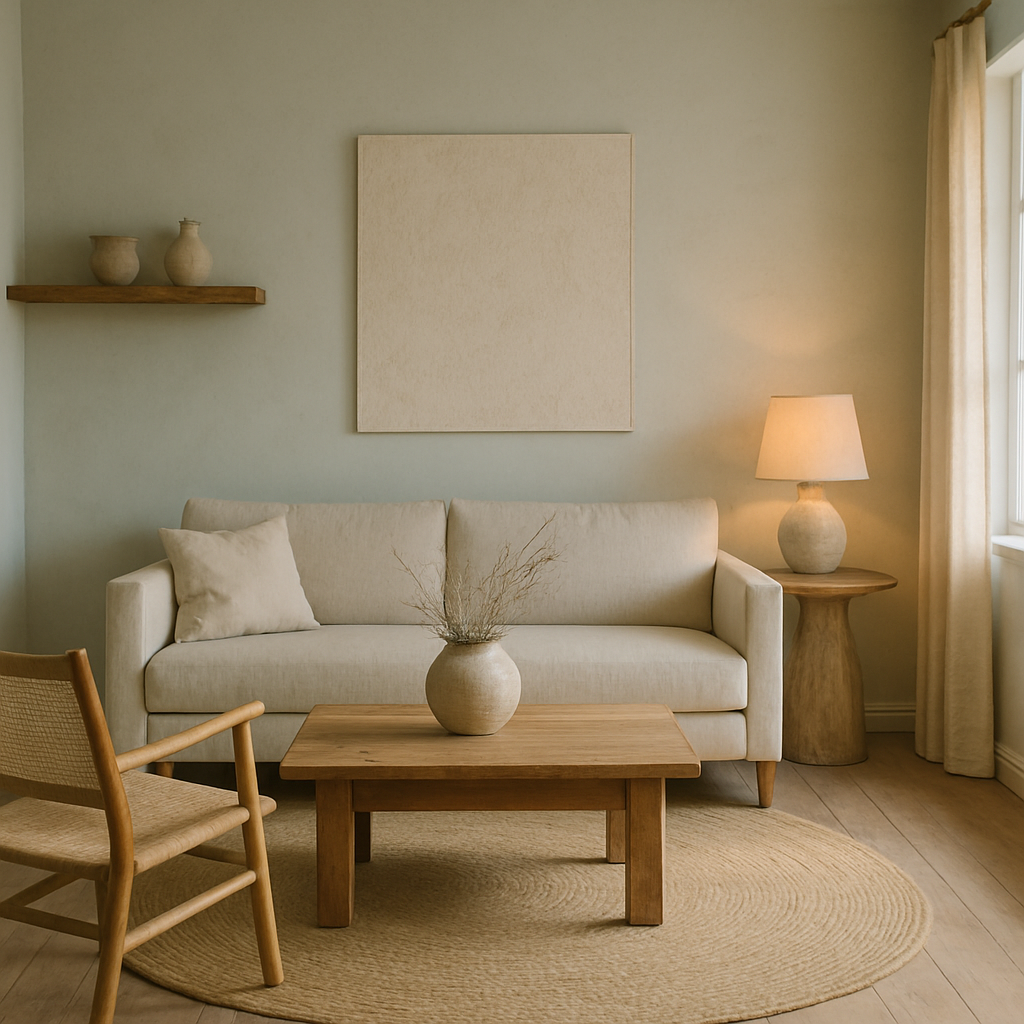
Minimalism is more than just a design trend-it's a lifestyle choice that has captured the interest of many homeowners. According to a recent Houzz survey, 40% of homeowners are actively seeking ways to simplify their spaces. This design philosophy emphasizes simplicity, functionality, and the use of space, creating environments that are both aesthetically pleasing and practical. In this article, we will explore the foundational concepts of minimalism, delve into data-driven insights, and provide you with actionable strategies to bring this style into your modern interior design. From expert-level details to additional depth on the subject, you will gain a comprehensive understanding of how to transform your home into a minimalist sanctuary.
Understanding the Foundations of Minimalist Design
At its core, minimalist design is about stripping away the unnecessary to focus on what truly matters. It's a style that champions clean lines, open spaces, and neutral color palettes. The philosophy behind minimalism is to create a serene environment that enhances the inhabitant's peace and well-being. This is achieved through the careful selection of furniture and decor that serve both functional and aesthetic purposes.
One of the key principles of minimalist design is functionality. Each piece of furniture or decor should have a purpose, eliminating clutter and distractions. This approach not only affects the visual appeal of a space but also its usability. For example, a minimalist kitchen might feature sleek, handleless cabinets with built-in appliances that blend seamlessly into the environment, optimizing both space and efficiency.
Another foundational aspect of minimalism is the emphasis on quality over quantity. Instead of filling a room with numerous items, the focus is on selecting fewer, high-quality pieces that stand the test of time. This can often mean investing more initially, but the longevity and timelessness of these pieces often justify the cost. As you consider minimalist design, think about how each piece contributes to both the functionality and aesthetics of your space.
The Impact of Minimalism: Data-Driven Insights
Minimalism is not just an aesthetic choice; it has tangible benefits supported by data. According to the American Society of Interior Designers (ASID), well-designed minimalist interiors can increase a home's resale value by up to 15%. This statistic underscores the financial viability of investing in minimalist design, making it an attractive option for homeowners looking to enhance their property's value.
Furthermore, a study conducted by the National Council for Interior Design Qualification (NCIDQ) found that minimalist spaces can improve mental clarity and reduce stress. By minimizing visual clutter and creating orderly environments, individuals often experience a greater sense of calm and focus. This is particularly important in today's fast-paced world, where creating a tranquil home environment can significantly impact one's mental health.
Data from Houzz suggests that minimalist design is on the rise, with a significant increase in the number of homeowners adopting this style over the past five years. This trend is driven by a desire for simplicity and a more sustainable lifestyle. Are you ready to join the growing number of individuals embracing minimalism, and potentially increasing your home's value and your personal well-being in the process?
Actionable Strategies for Incorporating Minimalism
To effectively incorporate minimalism into your modern interior design, start by decluttering your space. This involves evaluating each item in your home and determining its necessity. Ask yourself: Does this item serve a purpose? Does it add beauty to my space? If the answer is no, it may be time to let it go. Consider donating or selling items that no longer serve you, and focus on what truly enhances your environment.
Next, focus on creating a cohesive color palette. Minimalist design often utilizes neutral tones such as whites, grays, and beiges, which can be accented with subtle pops of color. This approach not only creates a calm and harmonious environment but also allows for flexibility in decor, as neutral backdrops can easily accommodate seasonal or stylistic changes.
Finally, choose furniture and decor that emphasize simplicity and functionality. Opt for pieces with clean lines and understated designs. For example, a sofa with a simple silhouette and muted fabric can serve as a versatile centerpiece in a living room. Incorporate storage solutions that keep clutter out of sight, such as built-in shelves or multi-functional furniture. By focusing on these strategies, you can create a minimalist space that is both beautiful and functional.
Expert-Level Insights into Minimalist Design
Experienced professionals often note that lighting plays a crucial role in minimalist design. Utilizing natural light can enhance the openness of a space and highlight its architectural features. Consider installing large windows or skylights to maximize natural light. Additionally, strategically placed artificial lighting can create a warm and inviting atmosphere during the evening hours.
Another expert tip is to incorporate biophilic elements into your minimalist design. This involves integrating natural materials and elements, such as wooden furniture or stone accents, to create a connection with nature. Not only does this enhance the aesthetic of the space, but it also contributes to the occupant's well-being, aligning with the principles of biophilic design.
Finally, professionals in the field suggest using technology to simplify and enhance your minimalist space. Smart home systems can automate lighting, temperature, and window treatments, providing convenience and energy efficiency. Imagine controlling your home's atmosphere with a simple voice command or smartphone app. These technological advancements are not just luxuries; they are practical tools that complement a minimalist lifestyle.
Exploring Minimalism in Different Spaces
Minimalism can be adapted to suit various spaces within your home, from the living room to the bathroom. In living areas, focus on creating open floor plans that facilitate movement and interaction. Select furniture that is comfortable yet unobtrusive, allowing the room to feel spacious and inviting.
In bedrooms, minimalism can translate to serene and restful environments. Opt for simple bed frames and uncluttered surfaces, and use textiles such as linen or cotton for a natural feel. The goal is to create a space that promotes relaxation and rejuvenation, free from the distractions of everyday life.
For bathrooms, minimalist design emphasizes cleanliness and functionality. Choose sleek fixtures and fittings, and incorporate ample storage to keep surfaces clear. A minimalist bathroom not only looks sophisticated but also makes morning routines more efficient. How might these minimalist principles transform the spaces in your home?
Final Perspectives on Minimalist Interior Design
Embracing minimalism is about more than just aesthetics-it's about creating a space that supports your lifestyle and well-being. By focusing on functionality, quality, and simplicity, you can transform your home into a sanctuary that reflects your values and needs. Minimalist design encourages you to be intentional with your choices, resulting in a space that is both beautiful and practical.
As you consider incorporating minimalism into your modern interior design, remember that it's a journey, not a destination. The process of decluttering and refining your space takes time and reflection. However, the rewards-both tangible and intangible-are well worth the effort.
Conclusion
Incorporating minimalism into your modern interior design can lead to a more peaceful, functional, and aesthetically pleasing home. By understanding the foundational concepts, analyzing data-driven insights, and applying actionable strategies, you can create a space that truly reflects the minimalist philosophy. Begin your minimalist journey today by assessing your space and making intentional choices that enhance your lifestyle.
Start by browsing minimalist design portfolios on platforms like Houzz or Pinterest this week. Even dedicating 20 minutes to research can sharpen your eye for design and inspire your minimalist transformation. Are you ready to embrace a simpler, more intentional way of living?



Comments
Post a Comment