10 Stunning Ways to Incorporate Sage Green into Your Interior Design
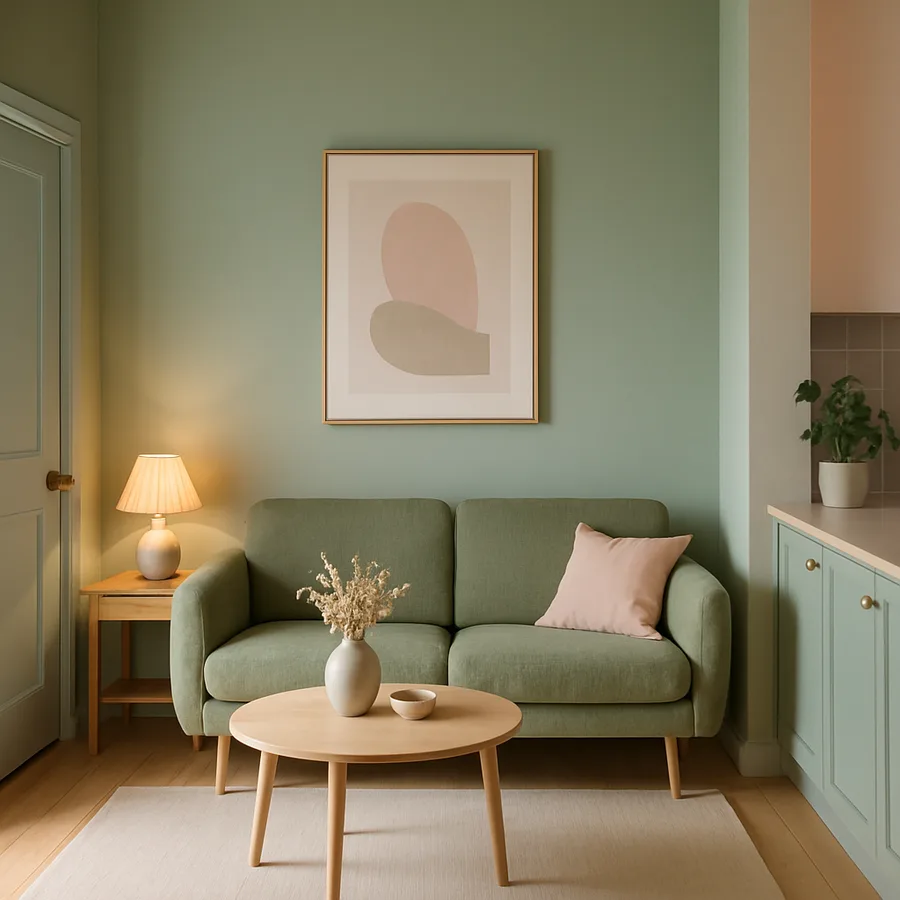
Sage green has emerged as one of the most sought-after colors in contemporary interior design, capturing the attention of homeowners and professional designers alike. This muted, earthy tone strikes a remarkable balance between calming neutrality and sophisticated color presence, making it endlessly versatile across a wide range of design applications. According to the American Society of Interior Designers (ASID), nature-inspired color palettes have seen a 34% increase in client requests over the past several reporting periods. The appeal of sage green lies in its ability to evoke feelings of tranquility, renewal, and connection to the natural world without overwhelming a space. Whether you are redesigning an entire home or simply refreshing a single room, sage green offers a foundation that pairs beautifully with both modern minimalism and traditional warmth. In this comprehensive guide, we explore ten distinct, actionable ways to bring this beloved hue into your living spaces.
The versatility of sage green is one of its greatest strengths in the world of interior design. Unlike bolder greens that can dominate a room or feel dated quickly, sage green possesses a timeless quality that adapts to shifting trends while maintaining its core elegance. The International Interior Design Association (IIDA) has noted that muted, desaturated greens consistently rank among the top five most-requested wall colors for residential projects. This is not a passing fad but rather a reflection of a deeper cultural movement toward biophilic design, which seeks to integrate natural elements into built environments. Sage green serves as a bridge between the indoors and the outdoors, subtly reminding inhabitants of meadows, herbs, and forest canopies. Its psychological effects are well-documented, with research indicating that green tones can reduce stress and promote mental clarity.
Before diving into specific applications, it is worth understanding what makes sage green distinct from other shades in the green family. Sage green is typically a grey-green with warm undertones, sitting somewhere between olive and mint on the color spectrum. This grey component is what gives sage green its sophisticated, subdued character, preventing it from reading as overly bright or juvenile. The National Council for Interior Design Qualification (NCIDQ) emphasizes the importance of understanding color undertones when specifying paint and materials, as even slight variations can dramatically alter a room's atmosphere. Have you ever painted a wall only to find the color looked completely different from what you expected? Understanding undertones is the key to avoiding that common frustration. With that foundational knowledge in hand, let us explore ten stunning applications of this remarkable color.
Sage Green Accent Walls That Transform Any Room
An accent wall remains one of the most impactful and cost-effective ways to introduce sage green into your home. By painting a single wall in a room with a rich sage green tone, you create an immediate focal point that anchors the entire space without the commitment of painting every surface. According to a Houzz survey of over 2,000 homeowners who recently completed renovation projects, accent walls were the number one paint-related upgrade chosen by respondents, with green tones leading the color preference list. The key to a successful sage green accent wall is selecting the right wall, which typically should be the first wall visible upon entering the room, the wall behind a bed's headboard, or the wall that frames a fireplace. This strategic placement ensures maximum visual impact while maintaining a sense of balance and proportion throughout the space.
The finish you choose for your sage green accent wall can dramatically influence its overall effect. A matte finish creates a velvety, sophisticated look that absorbs light and minimizes imperfections, making it ideal for bedrooms and intimate living spaces. A satin or eggshell finish, on the other hand, offers a subtle sheen that reflects light gently, adding dimension and making the wall appear slightly more vibrant. ASID professionals often recommend testing at least three different finishes on a sample board before committing, as the interaction between the paint finish, natural light, and artificial lighting in your specific room will produce unique results. Consider also the time of day when you use the room most frequently, as morning light and evening light will render the same shade of sage green quite differently.
Pairing your sage green accent wall with complementary decor is essential for a cohesive result. Natural wood furniture in walnut, oak, or teak tones creates a warm, organic combination that amplifies the nature-inspired quality of the color. Brass or gold metallic accents add a touch of luxury without competing with the softness of the sage backdrop. White or cream-colored textiles, such as linen curtains, cotton throw pillows, and wool rugs, provide a clean contrast that keeps the room feeling fresh and airy. Would you prefer a more dramatic look? Consider pairing your sage green wall with deep navy or charcoal accessories for a moody, layered aesthetic that feels both contemporary and timeless.
Upholstery and Soft Furnishings in Sage Tones
Introducing sage green through upholstery is a powerful way to make a design statement while retaining the flexibility to restyle a room over time. A sage green sofa, for instance, serves as a commanding centerpiece that immediately communicates taste and intentionality. The IIDA reports that upholstered furniture in muted green tones has become one of the fastest-growing categories in residential furniture sales, reflecting a broader consumer shift away from stark greys and blacks toward warmer, more inviting neutrals. Velvet sage green upholstery, in particular, has captured the imagination of designers and homeowners, as the fabric's light-catching properties create a dynamic surface that shifts in tone throughout the day. This material choice works exceptionally well in living rooms, reading nooks, and formal sitting areas where comfort and aesthetics must coexist.
Beyond the sofa, sage green soft furnishings offer an accessible entry point for those hesitant to commit to larger investments. Throw pillows, blankets, curtains, and bedding in sage green can transform a room's color palette with minimal effort and expense. The beauty of this approach lies in its layering potential: combining different textures in the same sage green hue creates depth and visual interest without introducing competing colors. Imagine a linen sage green curtain panel, a knitted sage green throw draped over a neutral sofa, and a pair of velvet sage green cushions arranged on an armchair. Each piece shares the same color family, yet the variation in texture prevents monotony and invites the eye to move around the room. Houzz design experts frequently cite this tonal layering technique as one of the most effective strategies for creating a space that feels both curated and effortless.
When selecting sage green upholstery, fabric durability and maintenance are practical considerations that should not be overlooked. Performance fabrics with stain-resistant treatments are increasingly available in beautiful sage green options, making them suitable for households with children, pets, or heavy daily use. The NCIDQ certification examination includes extensive content on material specification, underscoring the professional importance of matching fabric performance to the intended use of a space. For high-traffic areas, consider a sage green performance linen or a crypton-treated cotton that offers the look of natural fibers with enhanced resilience. For more formal or low-traffic spaces, natural velvet, silk blends, or untreated linen can provide a more luxurious hand feel. Whatever your choice, always request fabric samples and evaluate them in your own home's lighting conditions before making a final decision.
Sage Green Kitchen Cabinetry for a Fresh Culinary Space
The kitchen has become a primary canvas for sage green expression, with painted cabinetry leading the charge in this design trend. Sage green kitchen cabinets offer a refreshing departure from the ubiquitous all-white kitchen while maintaining a clean, timeless quality that resists trend fatigue. Houzz's annual Kitchen Trends Study found that green-toned cabinetry accounted for 18% of all cabinet color selections among renovating homeowners, a remarkable figure considering that white and grey still dominate the category. The appeal is clear: sage green cabinets feel both classic and contemporary, pairing beautifully with marble, butcher block, and quartz countertops alike. They bring warmth and personality to the kitchen without the boldness of navy or the starkness of black, striking an ideal middle ground for families seeking a space that is both inviting and stylish.
The approach to implementing sage green cabinetry varies based on your comfort level and budget. A full commitment involves painting or ordering all cabinets in sage green, creating an immersive, cohesive kitchen environment that makes a strong design statement. A more measured approach uses sage green on lower cabinets only, paired with white or natural wood uppers, creating a two-tone kitchen that adds visual interest and prevents the green from feeling overwhelming in a compact space. This two-tone strategy is particularly effective in galley kitchens, small apartment kitchens, and open-plan layouts where the kitchen is visible from adjacent living areas. ASID professionals have observed that two-tone kitchen designs are especially popular among homeowners who want to experiment with color without fully abandoning the safety of neutral tones.
Hardware and countertop selection play a critical role in the success of sage green kitchen cabinetry. Brushed brass or unlacquered brass hardware creates a warm, slightly aged aesthetic that complements the organic quality of sage green beautifully. Matte black hardware offers a more contemporary contrast, particularly effective in kitchens with clean lines and minimal ornamentation. For countertops, white marble or marble-look quartz provides a crisp, elegant pairing, while warm-toned butcher block introduces a rustic element that enhances the homey, garden-inspired feeling of sage green. What kind of atmosphere do you want your kitchen to evoke? The combination of cabinet color, hardware finish, and countertop material tells a specific story, so consider how these elements work together to express your personal design narrative.
Bathroom Retreats with Sage Green Tile and Paint
Bathrooms present a unique opportunity for sage green application, as this color's natural, spa-like quality aligns perfectly with the function and mood of bathing spaces. Sage green tiles, whether in subway, hexagonal, or zellige formats, can transform an ordinary bathroom into a serene retreat that evokes the atmosphere of a high-end wellness center. The IIDA has identified wellness-inspired bathroom design as one of the strongest growth areas in residential interiors, with clients increasingly requesting materials and colors that promote relaxation and sensory comfort. Sage green tiles on a shower wall or as a bathroom floor create an enveloping sense of calm that white or grey tiles simply cannot achieve. The color works particularly well in bathrooms with natural light, where it shifts subtly throughout the day, from a cooler, more muted tone in morning light to a warmer, richer hue in afternoon sun.
For those who prefer a less permanent approach, sage green paint in bathrooms offers many of the same aesthetic benefits with greater flexibility. A sage green vanity wall, painted ceiling, or wainscoting treatment can introduce the color without the expense and commitment of tile work. When painting in a bathroom environment, selecting the appropriate paint formulation is essential. Moisture-resistant formulas with mildew-inhibiting additives are strongly recommended for any bathroom application, as the high humidity levels can compromise standard interior paints over time. The NCIDQ standards for interior specification include detailed guidance on moisture management in wet environments, highlighting the importance of proper ventilation, paint selection, and surface preparation for long-lasting results.
Accessorizing a sage green bathroom requires a thoughtful approach to metals, textiles, and organic elements. Brass and gold fixtures are natural companions, reinforcing the warm undertone present in most sage green shades and creating a cohesive, luxurious atmosphere. White towels and bath linens provide essential contrast and maintain a sense of cleanliness and freshness that is psychologically important in a bathroom setting. Adding living plants, such as ferns, pothos, or eucalyptus branches, extends the biophilic narrative and creates a genuine connection to nature that amplifies the color's inherent calming properties. Consider also incorporating natural stone accessories, such as a marble soap dish or travertine tray, which echo the organic palette and add textural variety to the space.
Sage Green in Bedroom Design for Restful Sleep
The bedroom is perhaps the most natural home for sage green, as the color's calming properties directly support the room's primary function of rest and rejuvenation. Scientific research published in the journal Sleep Science found that participants who slept in rooms with green-toned walls reported falling asleep an average of 12 minutes faster than those in rooms with white or beige walls, and rated their overall sleep quality significantly higher. This finding aligns with the broader body of color psychology research, which consistently identifies green as the most restful color for the human eye. ASID sleep environment guidelines recommend muted, nature-inspired tones for bedroom walls and textiles, positioning sage green as an ideal candidate for creating a restorative sleeping environment.
Implementing sage green in the bedroom can take many forms, from a fully painted room to selective applications that introduce the color as an accent. Painting all four walls in sage green creates an immersive, cocoon-like atmosphere that is particularly effective in bedrooms with ample natural light, as the color prevents the room from feeling stark while maintaining a sense of spaciousness. For bedrooms with limited natural light, consider using sage green on a single wall behind the headboard and painting the remaining walls in a warm white or soft cream. This approach introduces the color's calming presence without darkening the room excessively. Sage green bedding, including duvet covers, pillow shams, and quilts, offers another avenue for introducing the color, with the added benefit of being easily changed with the seasons or as your tastes evolve.
Furniture and lighting choices in a sage green bedroom should reinforce the color's organic, tranquil character. Natural wood bed frames, nightstands, and dressers in light oak, ash, or birch create a Scandinavian-inspired freshness that keeps the room feeling open and contemporary. Darker woods like walnut or mahogany add richness and depth, creating a more traditional or mid-century modern aesthetic. Lighting is equally important: warm-toned bulbs in the 2700K-3000K range enhance sage green's warm undertones and create a cozy, inviting atmosphere conducive to relaxation. Cool-toned or daylight bulbs, conversely, can make sage green appear grey and flat, undermining the color's inherent warmth. Have you tested your bedroom lighting at the color temperature you plan to use? This simple step can make a profound difference in how your sage green scheme looks and feels.
Outdoor-Indoor Connection Through Sage Green Decor
Sage green's fundamental connection to the natural world makes it an exceptional tool for strengthening the visual and psychological link between interior spaces and the outdoors. Biophilic design, a discipline that has gained enormous traction in both residential and commercial interiors, seeks to satisfy the innate human need for contact with nature within built environments. The IIDA has championed biophilic design principles through extensive research and professional education, demonstrating that spaces incorporating natural elements, including nature-derived color palettes, measurably improve occupant wellbeing, productivity, and satisfaction. Sage green acts as a chromatic bridge between the controlled interior environment and the organic variability of the natural landscape beyond the windows, creating a sense of continuity that makes both spaces feel more complete.
Practical applications of this outdoor-indoor connection through sage green are numerous and adaptable to various room types and architectural styles. In living rooms and family rooms adjacent to gardens, patios, or balconies, sage green curtains, furniture, or accent walls create a visual echo of the vegetation visible through windows and glass doors. This chromatic continuity blurs the perceived boundary between inside and outside, making rooms feel more expansive and connected to their surroundings. In homes without significant garden views, sage green decor can serve as a substitute for the absent natural landscape, providing the psychological benefits of biophilic exposure even in urban apartments or windowless interior rooms. Pairing sage green with abundant indoor plants, natural fiber textiles like jute and linen, and organic material accessories like stone, wood, and ceramic amplifies this biophilic effect substantially.
Sunrooms, conservatories, and enclosed porches are particularly well-suited to sage green design schemes, as these transitional spaces already embody the indoor-outdoor connection that the color reinforces. Houzz data on sunroom and conservatory renovations shows that green and earth-toned color palettes are selected nearly three times more frequently than cool-toned palettes for these spaces, confirming that homeowners intuitively recognize the power of nature-inspired colors in transitional environments. Sage green wicker furniture, painted floor boards, or fabric Roman shades in these spaces create a harmonious environment that feels simultaneously sheltered and open. For those undertaking new construction or major renovations, consider working with your designer to specify sage green for window frames, door surrounds, or trim elements in rooms that face garden spaces, creating an architectural-level commitment to this outdoor-indoor color dialogue.
Conclusion: Making Sage Green Your Signature Color
Incorporating sage green into your interior design is not merely a decorative choice but an investment in the atmosphere, comfort, and emotional resonance of your living spaces. From accent walls and upholstered furniture to kitchen cabinetry, bathroom tiles, bedroom retreats, and biophilic design strategies, this guide has explored ten distinct pathways for bringing this extraordinary color into your home. The endorsement of sage green by leading organizations such as ASID, IIDA, NCIDQ, and Houzz underscores its professional credibility and broad appeal across diverse design styles and personal preferences. With research confirming that nature-inspired colors like sage green can reduce stress, improve sleep quality, and enhance overall wellbeing, the case for embracing this hue extends well beyond aesthetics.
As you plan your own sage green design journey, remember that the most successful interiors are those that reflect the inhabitants' unique personalities and lifestyles while adhering to sound design principles. Start with a single application that excites you, whether that is a painted accent wall, a velvet sofa, or a set of ceramic tiles, and allow the color to grow organically throughout your home as your confidence and appreciation deepen. Test samples in your specific lighting conditions, consider the interplay of textures and materials, and do not hesitate to seek professional guidance from ASID-certified or NCIDQ-qualified designers who can help you navigate the nuances of color specification. The beauty of sage green is that it rewards both bold commitment and cautious experimentation equally, making it an ideal starting point for anyone seeking to transform their home into a more beautiful, more peaceful, and more deeply personal sanctuary.
Ready to begin your sage green transformation? Start by collecting inspiration images from Houzz, visiting your local paint supplier for sage green samples, and identifying the one room in your home that would benefit most from this color's calming, sophisticated presence. Share your sage green design plans or completed projects in the comments below, and let this community of design enthusiasts inspire and support your creative vision. Your dream interior is closer than you think, and sage green might just be the color that brings it all together.
More Articles You May Like



Comments
Post a Comment