How to Infuse Japandi Aesthetics into Your Home Decor
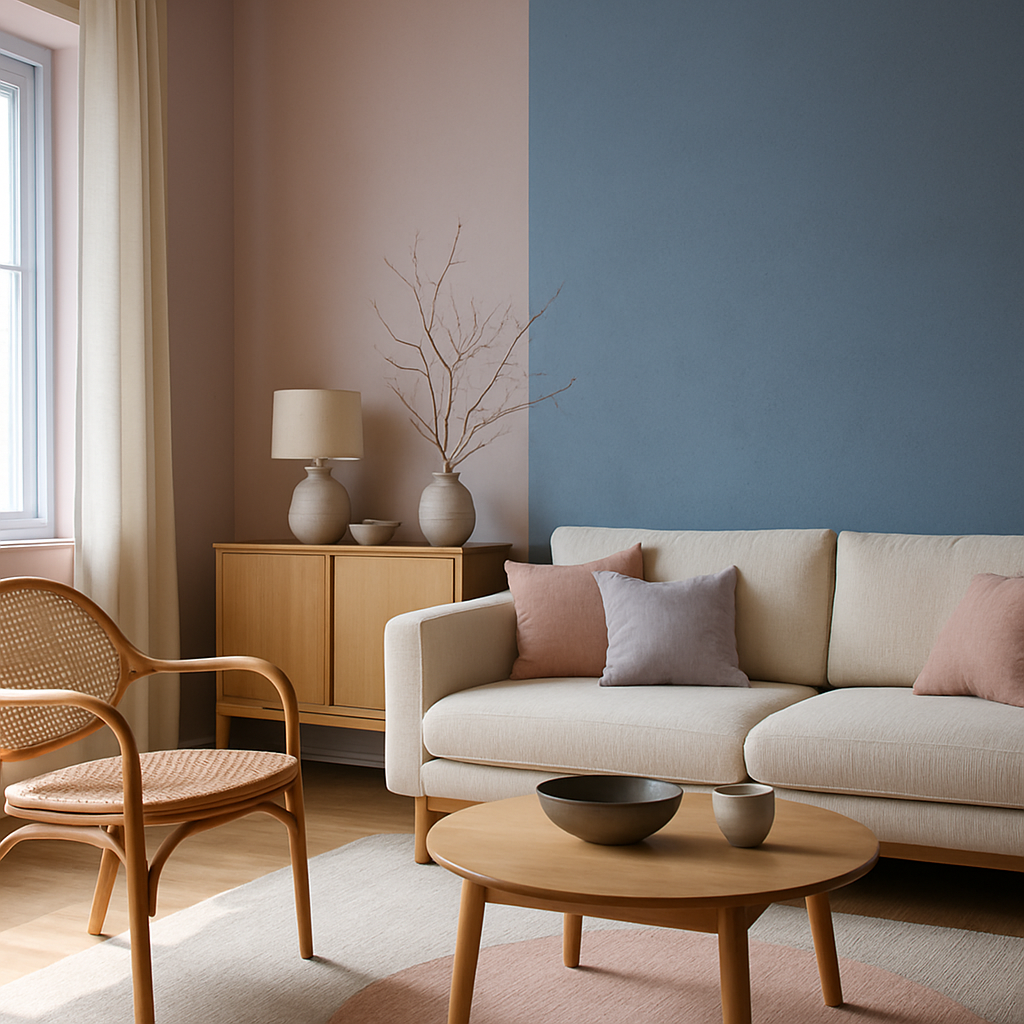
Imagine walking into a space that exudes the serene simplicity of Japanese minimalism, yet envelops you in the cozy warmth characteristic of Scandinavian design. This is the essence of Japandi aesthetics, a harmonious blend that has been captivating interior design enthusiasts worldwide. According to Houzz's annual surveys, the popularity of Japandi has surged by over 20% in recent years, as homeowners seek to create environments that are both calming and functional. In this article, we'll explore the foundational concepts of Japandi, delve into its core elements, and provide you with actionable strategies and expert tips to integrate this aesthetic into your own home decor. Whether you're starting a complete home renovation or refreshing a single room, understanding Japandi could transform your living spaces into a tranquil haven.
Understanding the Foundations of Japandi Aesthetics
At its core, Japandi is a fusion of two design philosophies: the simplicity of Japanese design and the functionality of Scandinavian interiors. Japanese design is known for its minimalism, focusing on simplicity and natural elements that promote tranquility. Meanwhile, Scandinavian design emphasizes warmth and comfort, utilizing light colors and functional furniture to create inviting spaces. This blend not only enhances visual appeal but also fosters a sense of peace and spaciousness.
Japandi aesthetics revolve around a few key principles. Firstly, there is a strong emphasis on functionality. Every piece of furniture and decor serves a purpose, eliminating clutter and ensuring that spaces remain open and breathable. Secondly, the use of natural materials such as wood, stone, and linen is paramount. These materials not only add texture but also bring a slice of nature indoors, creating a seamless indoor-outdoor flow which is a hallmark of biophilic design.
Color palettes in Japandi are subdued, with an emphasis on neutral tones like beige, gray, and earthy greens. These colors create a calming environment, allowing the mind to relax and focus. The strategic use of these palettes is what differentiates Japandi from other design styles and makes it particularly appealing for those seeking a refuge from the chaos of modern life. As we move forward, we'll examine how these foundational concepts can be applied in practical ways.
The Core Elements of Japandi Design
When analyzing Japandi aesthetics, one cannot overlook the importance of spatial arrangement. In Japandi design, space is a key element that is treated with utmost respect. Rooms are arranged to maximize natural light and maintain a seamless flow. According to the International Interior Design Association (IIDA), this intentional spatial design plays a crucial role in enhancing the functionality of a room, often leading to higher satisfaction among homeowners.
Texture and materials also play a significant role in Japandi decor. The use of tactile materials such as unfinished wood, wool, and stone adds depth to the design without overwhelming the senses. These materials not only contribute to the aesthetic but also to the sustainable design principles that are increasingly important to modern homeowners. The American Society of Interior Designers (ASID) reports that sustainable materials are a growing trend, with 59% of interior designers incorporating eco-friendly options in their projects.
Another hallmark of Japandi design is the balance between form and function. Furniture pieces are often low to the ground, echoing traditional Japanese design while maintaining the ergonomic comfort of Scandinavian furniture. This blend ensures that spaces are not only beautiful but also practical for everyday living. As we continue, we'll explore how these elements can be effectively incorporated into your home.
Actionable Strategies for Japandi Integration
Ready to bring Japandi into your living space? Start by assessing the current layout of your home. Consider which elements align with Japandi aesthetics and which do not. Experienced professionals often note that mapping out how you use each room can reveal opportunities for simplification and enhancement. For instance, is there a cluttered corner that could be transformed into a minimalist reading nook?
Once you've identified areas for improvement, focus on decluttering. Removing non-essential items is the first step towards embracing Japandi minimalism. Prioritize pieces that offer both aesthetic value and functionality. For example, a simple wooden bench can serve as both seating and storage, aligning with Japandi's dual focus on form and function.
When selecting new furniture, opt for pieces made from natural materials and in neutral tones. Look for low-profile furniture that enhances openness and fluidity in a room. Houzz suggests that incorporating plants can also add a touch of nature, reinforcing the biophilic elements of Japandi. As you make these changes, remember that each choice should contribute to a harmonious and peaceful environment.
Expert-Level Details on Japandi Decor
For those who want to delve deeper, consider the art of wabi-sabi, a Japanese concept that celebrates imperfections and the beauty of natural aging. Integrating wabi-sabi into Japandi decor can add character and authenticity to your space. This might mean opting for handmade ceramics that showcase unique textures or incorporating vintage wooden pieces that tell a story through their patina.
Lighting is another critical component of Japandi aesthetics. Opt for soft, ambient lighting that enhances the natural materials and colors in your decor. Simple paper lanterns or minimalist floor lamps can add warmth without overpowering the serene atmosphere. The National Council for Interior Design Qualification (NCIDQ) advises on using layered lighting to create different moods throughout the day.
Finally, consider incorporating elements of Japandi into your home's technology. Smart home integration, such as automated window treatments or climate control systems, can enhance the functionality and modernity of your space. These innovations align with the Japandi ethos of creating environments that are not only beautiful but also intuitive and efficient.
Additional Depth: Building Your Japandi Palette
Creating a cohesive Japandi color palette requires a thoughtful approach. Start with a base of neutral tones, and then layer in subtle accents to add depth and interest. According to Architectural Digest's AD PRO network, incorporating shades of muted greens or dusty pinks can introduce warmth and personality without disrupting the overall minimalist aesthetic.
Texture is your ally in Japandi design. Incorporate varying textures such as smooth ceramics, woven textiles, and raw wood to enrich your space. This approach not only aligns with Japandi principles but also adds layers that make a room feel complete. Remember, the goal is to create a balanced and harmonious environment.
Are you wondering how to maintain this aesthetic over time? Regularly revisit your space to ensure it remains clutter-free and aligned with Japandi principles. This might involve seasonal updates or simply reassessing the functionality of your decor. By maintaining this practice, your home can continue to be a sanctuary of calm and elegance.
Final Perspectives on Japandi Home Decor
Infusing Japandi aesthetics into your home is more than just a design choice; it's a lifestyle transformation. The principles of Japandi encourage you to live simply, embrace nature, and find beauty in functionality. These concepts resonate deeply in our fast-paced world, offering a retreat that prioritizes mental well-being.
As you consider your next steps, reflect on how Japandi can enhance your daily living. Is there a room in your home that could benefit from this serene style? What elements of Japandi resonate with you personally? By thoughtfully integrating these concepts, you can create a home that reflects both your aesthetic preferences and your values.
Ultimately, Japandi is about crafting spaces that nurture and inspire. As we conclude, think about the changes you can make today to begin this journey towards a more peaceful and harmonious home.
Conclusion: Embrace Japandi in Your Home
Incorporating Japandi aesthetics into your home decor offers a unique opportunity to blend minimalism with warmth, creating spaces that are both functional and inviting. By focusing on natural materials, neutral palettes, and thoughtful spatial arrangements, you can achieve a harmonious environment that enhances your well-being. As you embark on this design journey, remember that small changes can lead to significant transformations.
Ready to start? Begin by browsing designer portfolios on platforms like Houzz or Instagram to gather inspiration and refine your vision. Even dedicating 20 minutes a week to research can sharpen your eye for what aligns with Japandi principles. By taking these steps, you'll be well on your way to crafting a home that truly embodies the serene elegance of Japandi design.



Comments
Post a Comment