Sustainable Style: The Eco-Friendly Aspects of Scandinavian Modern Design
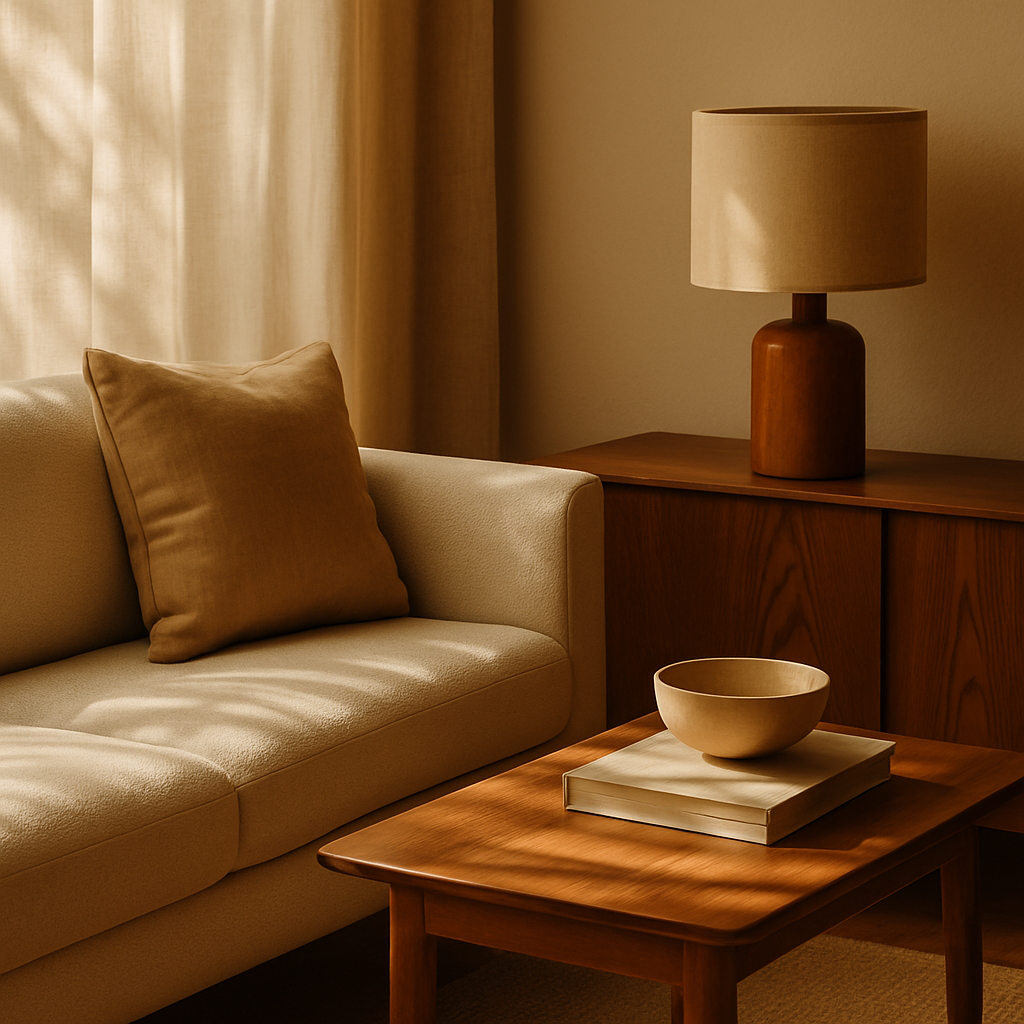
Have you ever wondered how interior design can both satisfy your aesthetic cravings and promote sustainability? Scandinavian modern design, with its profound emphasis on simplicity and functionality, provides an answer. This design philosophy not only offers a visually appealing and serene environment but also integrates eco-friendly principles that are becoming increasingly vital. In this article, we will explore the foundational elements of Scandinavian modern design, delve into its sustainable practices, and provide actionable strategies to incorporate these principles into your home. We'll also touch upon expert insights and further details to ensure you have a comprehensive understanding of this stylish yet responsible design approach.
Understanding the Core of Scandinavian Modern Design
Scandinavian modern design, originating from the Nordic countries in the early 20th century, is renowned for its minimalist aesthetic and functional elegance. The design style emphasizes clean lines, simple forms, and a neutral color palette that often incorporates whites, grays, and subtle earth tones. This approach creates a calming atmosphere, perfect for those seeking tranquility in their living spaces. The International Interior Design Association (IIDA) notes that the simplicity of Scandinavian design doesn't sacrifice quality; instead, it focuses on the beauty of natural materials and craftsmanship.
A hallmark of Scandinavian design is its use of natural light. Designers often maximize window spaces and use light, airy fabrics to allow sunlight to illuminate interiors. Industry surveys suggest that homes designed with ample natural light can lead to reduced energy consumption, as there is less reliance on artificial lighting. Moreover, this use of natural light contributes to the biophilic design trend, which aims to connect interiors with the natural environment, enhancing the well-being of its inhabitants.
Scandinavian design also incorporates sustainable materials such as wood, wool, and linen. According to the American Society of Interior Designers (ASID), using locally sourced and sustainable materials not only reduces carbon footprints but also supports local economies. The emphasis on eco-friendly materials is part of a broader movement towards sustainability within the design industry, urging both professionals and homeowners to prioritize environmental impact.
The Role of Sustainability in Scandinavian Design
Sustainability is at the heart of Scandinavian modern design, with its principles aligning closely with eco-conscious living. A significant aspect of this is the use of sustainable and reclaimed materials. Industry data indicates that using reclaimed wood can reduce deforestation and waste, while also adding unique character to a home. This practice highlights the value of resources that might otherwise be discarded, promoting a circular economy in the design world.
Another key element is energy efficiency. Scandinavian design often incorporates energy-efficient fixtures and appliances that minimize environmental impact. For instance, using LED lighting and energy-efficient HVAC systems can significantly reduce a home's energy consumption. According to Houzz's annual survey, homeowners who invest in energy-efficient upgrades often see a return on investment through reduced utility bills and increased property value.
The Scandinavian approach also emphasizes durability and longevity. By investing in high-quality, timeless pieces, homeowners can reduce the need for frequent replacements, which in turn minimizes waste. This principle aligns with the growing trend of quiet luxury, where understated elegance and quality take precedence over ostentation. Have you considered how investing in durable, quality furniture might reduce both environmental impact and long-term costs?
Incorporating Scandinavian Sustainable Style into Your Home
Integrating Scandinavian modern design into your home begins with a focus on simplicity and functionality. Start by decluttering your space and embracing a minimalist approach-less is more. This doesn't mean stripping your home bare, but rather being intentional with what you keep and display. Experienced professionals often note that a well-curated space not only feels more inviting but also more manageable and environmentally friendly.
Consider utilizing natural materials that are both sustainable and stylish. For example, opting for furniture made from FSC-certified wood ensures that the timber is sourced responsibly. Additionally, using organic textiles such as cotton, linen, and wool can further reduce your home's environmental footprint. Have you explored local artisans who craft beautiful, sustainable pieces that could complement your home?
Another effective strategy is to enhance natural light in your home. This could involve installing larger windows or skylights, or simply using light, sheer curtains that allow sunlight to penetrate. Not only does this strategy reduce the need for artificial lighting, but it also creates a warm, inviting atmosphere. Smart home integration, such as automated blinds and energy-efficient lighting, can further align your home with modern sustainability practices.
Expert Insights on Sustainable Scandinavian Design
Experts in the field of interior design emphasize the importance of adapting Scandinavian principles to suit individual needs while maintaining a commitment to sustainability. The National Council for Interior Design Qualification (NCIDQ), a gold-standard credential in the industry, suggests that certified designers can help homeowners navigate design choices that balance aesthetics with eco-friendliness. This can be particularly beneficial in large-scale renovations where sustainable practices can be more complex.
One of the emerging trends within Scandinavian design is the integration of smart technologies that enhance energy efficiency. From smart thermostats to automated lighting systems, these innovations allow homeowners to reduce energy consumption without compromising comfort. The combination of technology and design exemplifies how Scandinavian principles can be adapted to modern lifestyles.
Furthermore, the use of virtual reality tools is gaining traction among designers, enabling clients to visualize how sustainable elements can be incorporated into their homes. These AR/VR visualization tools provide a tangible sense of how changes will impact the overall aesthetic and function of a space, making it easier to commit to eco-friendly choices.
Additional Depth: The Economic Impact of Sustainable Design
Investing in sustainable design is not only an ethical choice but can also be economically savvy. According to Architectural Digest's AD PRO network, homes with well-designed interiors can see a 5-15% increase in resale value. This appreciation is particularly true for properties that incorporate sustainable elements, as eco-conscious buyers are willing to pay a premium for homes with reduced environmental impact.
The upfront costs of implementing sustainable design features may be higher, but the long-term savings on utilities and maintenance often offset these expenses. For instance, using durable materials and energy-efficient systems can lead to significant savings over time. Have you considered how these investments might benefit your financial health in the long run?
Moreover, engaging with local suppliers and artisans not only supports the economy but also reduces the carbon footprint associated with transportation. This local-first approach is a cornerstone of Scandinavian design, reinforcing its commitment to both environmental and economic sustainability.
Final Perspectives on Embracing Scandinavian Modern Design
Embracing Scandinavian modern design involves a commitment to sustainability that goes beyond aesthetics. It requires a thoughtful approach to material selection, energy efficiency, and long-term planning. By prioritizing these elements, homeowners can create spaces that are both beautiful and environmentally responsible.
For those looking to make a change, starting small can be particularly effective. Updating a single room with sustainable materials and energy-efficient fixtures can serve as a prototype for larger projects. Additionally, consulting with certified interior designers can provide valuable guidance and ensure that your efforts align with both personal preferences and environmental standards.
Are you ready to transform your living space with the enduring appeal of Scandinavian modern design, while also making a positive impact on the planet?
Conclusion: Take the Next Step Towards Sustainable Living
In conclusion, Scandinavian modern design offers a compelling blend of style and sustainability. By embracing its principles, you not only enhance the aesthetic appeal of your home but also contribute to a more sustainable future. The integration of natural materials, energy-efficient technologies, and thoughtful design choices can result in spaces that are both timeless and eco-friendly.
Ready to embark on your sustainable design journey? Start by browsing portfolios on platforms like Houzz or consulting with NCIDQ-certified designers this week. Even 20 minutes of research can sharpen your eye for what you want, helping you make informed decisions that benefit both your home and the environment.



Comments
Post a Comment