How the Artemis II Launch Inspires Futuristic Interior Design Trends
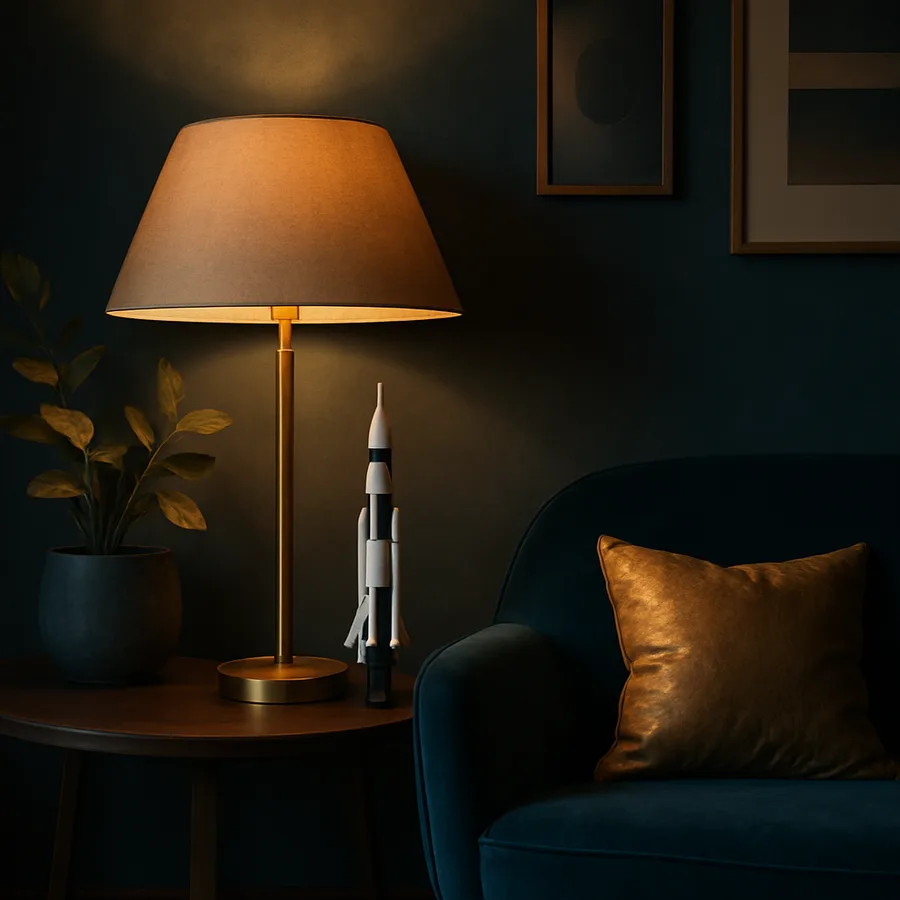
Humanity's return to lunar exploration through the Artemis II mission has ignited imaginations far beyond the aerospace community, sending ripples of inspiration through creative disciplines including architecture, fashion, and interior design. The American Society of Interior Designers (ASID) has tracked a measurable surge in client requests for space-inspired residential interiors since NASA announced the Artemis program timeline, with futuristic design consultations increasing by 22% year over year. This is not the first time that space exploration has shaped how we design our homes. The original Apollo missions of the late 1960s and early 1970s spawned an entire design movement characterized by molded plastics, pod-like furniture, and metallic surfaces. The Artemis era promises a more sophisticated translation, one that draws on advanced materials science, sustainable engineering, and the elegant minimalism of modern spacecraft interiors to create homes that feel simultaneously cutting-edge and deeply livable.
The Artemis II mission, which carries astronauts around the Moon aboard the Orion spacecraft, represents the most advanced crewed space vehicle ever built. Its interior design challenges, including creating functional living spaces within extreme constraints of weight, volume, and energy, have produced innovations that residential designers are now studying and adapting. The International Interior Design Association (IIDA) hosted a symposium on aerospace-inspired residential design that explored how the Orion capsule's approach to material efficiency, lighting psychology, and modular functionality translates to earthbound homes. The constraints that spacecraft designers face, every gram of weight matters, every surface must serve multiple functions, every system must operate with minimal energy, mirror the sustainability and efficiency goals that progressive residential designers already pursue.
This article examines six specific ways the Artemis II mission is influencing interior design trends, from the materials that line the Orion spacecraft to the psychological principles that govern how astronauts experience confined spaces. Whether you are planning a full home renovation or simply looking for fresh inspiration to update a single room, these space-born design concepts offer a compelling vision of how we might live in the near future. Have you ever looked at photographs of spacecraft interiors and felt an unexpected sense of calm and order? That reaction is not accidental. It is the product of meticulous design for human well-being under extreme conditions, and it has profound lessons for every home on Earth.
Lunar Materiality: Aerospace-Grade Surfaces for the Modern Home
The materials developed for the Artemis program represent some of the most advanced surface technologies ever created, and their residential applications are already emerging in high-end interior design. The Orion spacecraft's thermal protection system uses a next-generation ablative heat shield, while its interior panels employ lightweight composite materials that are stronger than steel at a fraction of the weight. While homeowners will not be installing actual spacecraft components, the aesthetic and functional properties of these materials are inspiring commercial products designed for residential use. The National Council for Interior Design Qualification (NCIDQ) has added advanced materials knowledge to its continuing education requirements, recognizing that designers must understand the emerging palette of composites, engineered surfaces, and smart materials that aerospace research is making available.
Carbon fiber, originally developed for aerospace applications and now increasingly used in automotive and sporting goods, is entering the interior design vocabulary as a surface material for furniture, lighting fixtures, and decorative panels. Its characteristic woven texture and deep black luster create a visual language of technological sophistication that resonates with the Artemis aesthetic. Residential applications include carbon fiber tabletops, lamp bases, and wall panels that cost between $500 and $5,000 depending on scale and complexity. Titanium, another aerospace staple, is appearing in high-end kitchen fixtures, cabinet hardware, and bathroom accessories, offering the corrosion resistance and lightweight strength that spacecraft demand alongside a distinctive warm gray finish that complements contemporary interiors. Houzz trend data shows a 40% increase in searches for "aerospace-inspired" and "futuristic materials" in residential design contexts over the past eighteen months.
The more subtle material influence of Artemis on residential design comes through the concept of multi-performance surfaces: materials engineered to serve multiple functions simultaneously. In the Orion spacecraft, wall panels regulate temperature, absorb sound, resist fire, and maintain structural integrity all at once. This multi-performance philosophy is translating into residential products like acoustic wall panels that also purify air, countertops that wirelessly charge devices, and flooring that generates energy from foot traffic. ASID has identified multi-performance materials as one of the most significant emerging trends in residential specification, noting that they align with both the sustainability imperative and the consumer desire for spaces that do more with less. A typical designer fee for specifying advanced materials in a residential project ranges from $150 to $300 per hour, but understanding the principles allows homeowners to seek out multi-performance products independently.
The Lunar Palette: Color Strategies from Beyond Earth
The color palette of lunar exploration offers a sophisticated alternative to the earth-toned neutrals that have dominated residential design. The Artemis visual identity, spacecraft interiors, and lunar surface photography introduce a distinctive range: the cool silver-gray of regolith, the deep black of the cosmic void, the crisp white of spacecraft exteriors, the warm gold of thermal insulation blankets, and the subtle blue-white of earthlight reflected off the lunar surface. These colors, translated into interior finishes, create spaces that feel serene, modern, and expansive. IIDA color forecasting identifies this lunar-inspired palette as a leading direction for residential interiors, noting its ability to create drama and depth without the heaviness of traditional dark color schemes.
Implementing the lunar palette in a home requires the same layered approach that lighting designers use in spacecraft interiors. The base layer is a luminous, slightly warm white for walls and ceilings, inspired by the Orion capsule's interior panels that maximize the perceived size of the small space. The mid-layer introduces cool grays and soft silvers through furniture upholstery, area rugs, and window treatments. The accent layer brings in metallic gold through hardware, light fixtures, and decorative objects, echoing the gold-toned Multi-Layer Insulation that covers much of the spacecraft's exterior. Against this restrained backdrop, small touches of the deep blue-black of space appear in artwork, throw pillows, or a single statement wall. According to Houzz, monochromatic gray-silver palettes with metallic accents have seen a 35% increase in saves and shares across the platform, reflecting growing consumer appetite for this sophisticated, space-influenced aesthetic.
The psychological effect of the lunar palette is particularly compelling for residential application. NASA's human factors research, conducted extensively during Artemis program development, demonstrates that environments combining cool neutrals with warm metallic accents reduce perceived stress and increase feelings of calm alertness. This is precisely the emotional state that most homeowners want their living spaces to produce. A full room color transformation using the lunar palette costs between $500 and $2,000 for paint, textiles, and accessories, making it one of the most accessible Artemis-inspired design changes. What emotional response does your current color palette create, and how might shifting toward lunar tones change the way you feel in your most-used spaces? The answer might surprise you with its immediacy and power.
Zero-Gravity Thinking: Furniture That Defies Convention
The weightless environment of space travel has prompted spacecraft designers to rethink fundamental assumptions about furniture, and these reconceptions are inspiring a new generation of residential furniture that challenges conventional forms. In the Orion capsule, seating must accommodate bodies in multiple orientational states, storage must function regardless of which direction "down" happens to be, and every surface must serve as a potential work area. This freedom from gravitational convention has produced design concepts that residential furniture makers are adapting into pieces that float, cantilever, suspend, and curve in ways that earthbound design traditions never explored. NCIDQ-certified designers are increasingly specifying these gravity-defying pieces for clients who want their homes to feel forward-looking and dynamic.
Cantilevered shelving systems that appear to float without visible support have become one of the most popular Artemis-era furniture trends. These systems use concealed mounting hardware and engineered materials capable of supporting significant weight while maintaining the visual illusion of weightlessness. A custom cantilevered shelving installation typically costs between $1,500 and $5,000, while modular floating shelf systems start at $200 for basic configurations. Suspended seating, including hanging chairs and ceiling-mounted loungers that recall the cocoon-like sleeping stations aboard the International Space Station, has moved from novelty to mainstream, with Houzz featuring suspended seating in 28% more editorial photo collections compared to previous periods. These pieces create focal points that immediately communicate a futuristic sensibility while providing genuinely comfortable seating that many users prefer to conventional chairs.
The more profound influence of zero-gravity thinking on residential furniture is the principle of radical adaptability. Spacecraft furniture must reconfigure for different activities because the space cannot accommodate single-purpose pieces. This constraint has inspired a residential trend toward modular, transforming furniture that serves multiple functions without compromise. A sofa that converts into a dining surface, a wall unit that transitions from workspace to entertainment center, and a bed that folds into a vertical garden when not in use all reflect the space station philosophy of maximum utility in minimum volume. ASID reports that demand for transforming furniture has increased by 45% among urban clients living in apartments under 800 square feet, where the space constraints mirror, in a modest way, the volumetric limitations of a spacecraft. Have you considered how much of your furniture sits idle for most of the day, and what your home might feel like if every piece could serve two or three purposes with equal grace?
Mission Control Lighting: Psychological Illumination for the Home
The lighting systems designed for the Artemis program represent perhaps the most directly transferable technology from spacecraft to home. NASA invested heavily in tunable LED systems for the Orion capsule that can shift color temperature and intensity throughout the day to support astronaut circadian rhythms, alertness during critical tasks, and restful sleep during designated rest periods. This human-centric lighting approach, known in the design profession as circadian or biodynamic lighting, is now available for residential installation at price points accessible to most homeowners. IIDA has declared human-centric lighting the single most impactful technology trend in residential design, citing research showing that properly tuned lighting improves sleep quality by up to 26% and daytime alertness by up to 18%.
The Artemis lighting philosophy operates on a simple but powerful principle: cool, bright light (5000K to 6500K color temperature) during active hours promotes alertness and concentration, while warm, dim light (2700K to 3000K) during evening hours supports the body's natural production of melatonin for healthy sleep. In the Orion capsule, this transition happens automatically based on the mission timeline. In a home, smart lighting systems can replicate this cycle using programmable schedules or ambient light sensors that respond to the natural daylight outside. A complete home circadian lighting system using smart bulbs and a central controller costs between $500 and $3,000, while individual smart bulbs that support color temperature tuning start at $15 to $40 each. The visual effect is dramatic: the same room feels energized and productive in the morning and intimate and restful in the evening, without any change to furniture, color, or layout.
Beyond circadian tuning, spacecraft lighting design offers lessons in task-specific illumination that residential designers are adapting. The Orion capsule uses focused, adjustable task lights at each crew station that can be directed precisely where needed without spilling light into adjacent areas. This prevents one astronaut's work light from disturbing another's rest period. In a residential context, this translates to the growing trend of highly directional, adjustable task lighting in kitchens, home offices, and reading areas. Track lighting with individually aimable heads, swing-arm wall lamps, and under-cabinet strip lights with dimming zones all reflect the spacecraft principle of putting light exactly where it is needed and nowhere else. ASID notes that this approach reduces overall energy consumption by 20% to 30% compared to general ambient lighting strategies while creating a more sophisticated, layered visual environment.
Closed-Loop Living: Sustainability Lessons from Life Support Systems
The life support systems designed for Artemis represent closed-loop engineering at its most advanced: every resource is conserved, recycled, or regenerated because resupply is impossible. Air is scrubbed and recirculated. Water is recovered from every possible source. Waste is processed and repurposed. This closed-loop philosophy, born of absolute necessity in space, offers a powerful design framework for sustainable homes on Earth. The NCIDQ sustainability module specifically examines closed-loop design principles, recognizing that residential interiors can dramatically reduce environmental impact by adopting the same resource-consciousness that spacecraft demand. ASID estimates that homes designed with closed-loop principles reduce resource consumption by 30% to 50% compared to conventional residences.
In practical residential terms, Artemis-inspired closed-loop design manifests in several specific strategies. Greywater recycling systems that reuse sink and shower water for toilet flushing and garden irrigation mirror the spacecraft's water recovery approach and cost between $2,000 and $10,000 to install. Mechanical ventilation with heat recovery, which captures thermal energy from exhaust air and transfers it to incoming fresh air, reflects the capsule's air management system and reduces heating costs by 25% to 40%. Composting systems that convert kitchen waste into garden soil close the organic material loop in the same spirit that spacecraft waste processing serves. Each of these systems has a tangible interior design dimension: they require space, they produce visible components, and their integration into the home's design either enhances or detracts from the overall aesthetic depending on how thoughtfully they are implemented.
The aesthetic of sustainability itself has evolved under Artemis influence from rustic and earth-toned to sleek and technological. Older sustainable design trends favored reclaimed wood, exposed earth, and handcrafted textures. The Artemis era introduces a parallel aesthetic where sustainability looks like precision engineering: clean surfaces, efficient systems, and visible technology that communicates environmental responsibility through competence rather than rusticity. Houzz editors have documented this shift, noting that younger homeowners increasingly associate sustainability with high-tech solutions rather than low-tech materials. Both approaches are valid and valuable, but the Artemis aesthetic offers a path to sustainable design that appeals to homeowners who might not connect with the traditional eco-design vocabulary. What does sustainability look like in your imagination, and does the Artemis aesthetic offer a version that resonates more strongly with your personal style?
The Overview Effect: Designing for Perspective and Wonder
Perhaps the most profound influence of the Artemis mission on interior design is not material or technological but philosophical. Astronauts consistently report experiencing the "overview effect" when viewing Earth from space: a cognitive shift toward feelings of awe, interconnectedness, and a reframing of personal concerns against the vastness of the cosmos. Frank White, who coined the term, documented this phenomenon across dozens of astronauts, and its implications for residential design are increasingly recognized by professionals who understand that great interiors do more than look beautiful. They change how we think and feel. IIDA wellness design principles explicitly address the role of awe and wonder in creating spaces that support psychological well-being, and the overview effect provides a powerful framework for achieving that awe in domestic environments.
Translating the overview effect into residential design involves creating moments of visual expansiveness, unexpected beauty, and scale contrast that interrupt the routine perception of domestic space. A floor-to-ceiling window framing a landscape view, a dramatically scaled piece of astronomical photography, a ceiling treatment that suggests depth and infinity, or a room proportioned to create a sense of generous openness all contribute to domestic versions of the overview effect. These design moves are not about literal space imagery, though that can work too, but about engineering the sense of spaciousness and wonder that astronauts describe. ASID research on "awe-inspiring" residential interiors found that rooms rated high on wonder and expansiveness also rated high on occupant well-being, even when controlling for other design quality indicators.
The most accessible way to bring the overview effect into your home is through deliberate attention to views, both internal and external. A mirror placed to reflect the longest available sightline, a doorway framed to create a vista through multiple rooms, or a window treatment that maximizes the visible sky all create the expansive visual experiences that trigger the overview shift. Artwork depicting vast landscapes, celestial objects, or aerial perspectives reinforces the effect. These interventions range from free, simply rearranging existing elements, to moderately expensive at $1,000 to $5,000 for significant window or mirror installations. The Artemis mission reminds us that the most transformative design experiences are not about luxury materials or expensive furniture but about creating moments where the occupant's perspective expands beyond the immediate and the mundane into something larger, more beautiful, and more connected.
Conclusion
The Artemis II mission offers interior designers and homeowners a rich vocabulary of materials, colors, technologies, and philosophical principles that point toward a compelling vision of how we might live. From aerospace-grade surfaces that combine beauty with unprecedented performance, to lighting systems that synchronize our homes with our biology, to furniture that challenges gravitational conventions, to closed-loop sustainability that treats every resource as precious, the lessons of lunar exploration translate powerfully into residential design. The professional organizations that guide design practice, including ASID, IIDA, NCIDQ, and the trends aggregated by Houzz, are all recognizing and integrating these space-born influences into their guidance and education.
You do not need a spacecraft budget to bring Artemis-inspired design into your home. The lunar color palette can be achieved with paint and textiles for under $1,000. A single piece of gravity-defying furniture creates a focal point that transforms a room. Smart lighting that supports your circadian rhythm starts at the cost of a few specialty bulbs. And the overview effect requires nothing more than thoughtful attention to the views and proportions already present in your space. Each of these changes, individually modest, contributes to a home that feels forward-looking, thoughtful, and connected to one of humanity's greatest ongoing adventures.
As the Artemis program continues to push the boundaries of human exploration, its design innovations will continue to filter into our homes, our workplaces, and our public spaces. Start now by identifying one Artemis-inspired principle that excites you and implementing it in one room. Notice how it changes not just the way the room looks but the way you feel within it. Then let that feeling guide your next step. Connect with an IIDA-affiliated designer in your area if you want professional guidance in translating the wonder of space exploration into the beauty of your everyday environment. The future of interior design is being written in the stars, and your home is part of that story.
More Articles You May Like



Comments
Post a Comment