From Vision to Reality: The Impact of KDArchitects' Morph on Modern Interiors
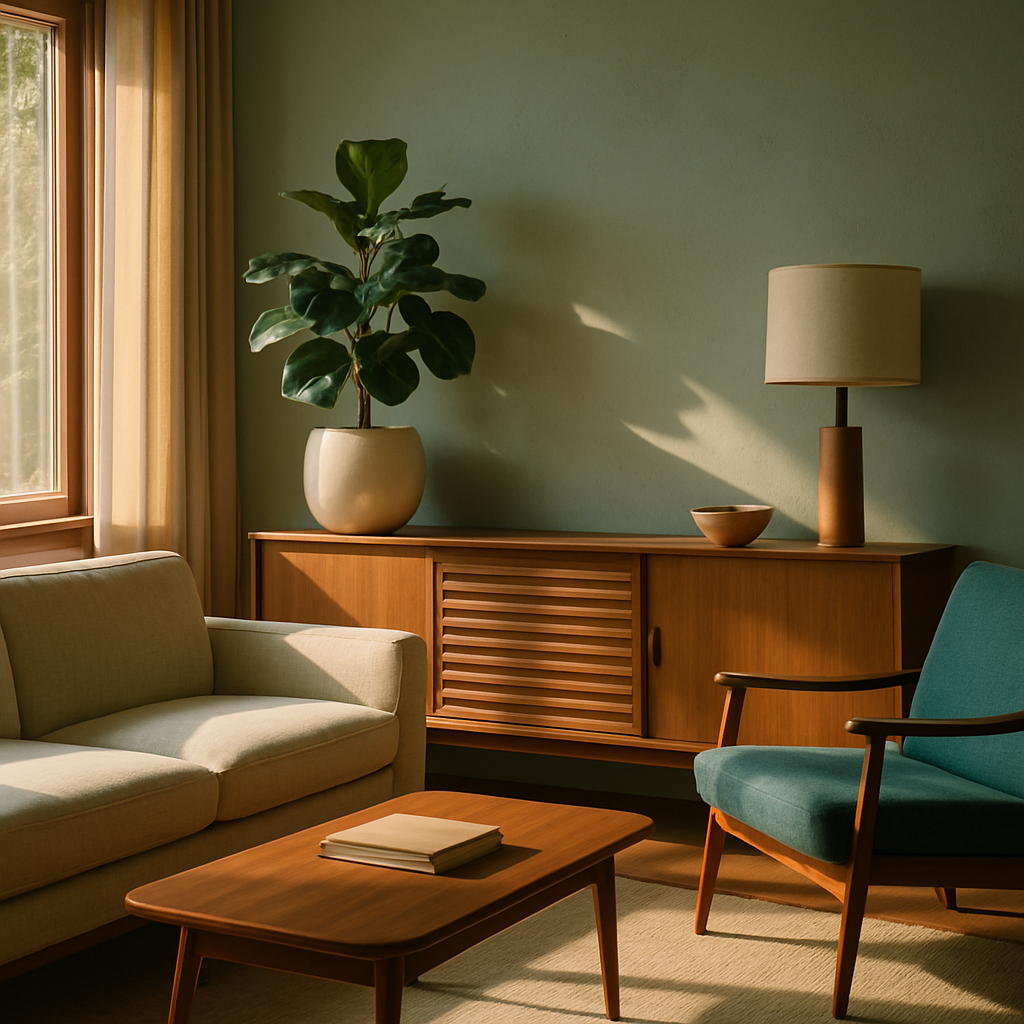
The distance between a design vision and a livable reality has historically been measured in compromise. Clients arrive at their first consultation with ambitious Pinterest boards and magazine tearsheets, and designers spend the following months gently scaling those aspirations down to meet budgetary, structural, and practical constraints. The morphing approach to interior design challenges this compromise cycle by reframing the question. Instead of asking "which version of this room can we afford to build?" the methodology asks "how can we build one room that delivers multiple versions of itself over time?" This reframing converts a subtraction problem into a multiplication opportunity, and the results are reshaping client expectations across residential and commercial markets.
Professional organizations including the American Society of Interior Designers (ASID) and the International Interior Design Association (IIDA) have taken note of the growing demand for adaptive interiors. Conference sessions on multi-functional space planning, smart home integration for spatial flexibility, and the psychology of changeable environments draw standing-room audiences. The National Council for Interior Design Qualification (NCIDQ) examination tests the structural and systems knowledge that underpins competent transformation design, making certified designers the natural practitioners of this methodology. Designers who master the morphing approach report that it fundamentally changes their practice, shifting their role from aesthetic curator to spatial strategist commanding fees of $200 to $500 per hour. What if the gap between your design vision and your lived reality could be closed not by spending more, but by thinking differently about how space works?
Bridging the Gap Between Design Intent and Lived Experience
Every designer has experienced the deflating moment when a beautifully rendered concept meets the messy reality of daily life. The pristine living room that looks stunning in photographs becomes a cluttered obstacle course once a family of four actually inhabits it. The serene home office dissolves into chaos when the room must simultaneously accommodate a video conference, a child's homework session, and a partner's phone call. These collisions between design intent and lived experience are not failures of aesthetics -- they are failures of spatial planning that treats rooms as static compositions rather than dynamic systems. The morphing methodology addresses this gap by designing for use patterns rather than photographic moments.
The bridge between intent and experience begins with what transformation designers call a "reality protocol" -- a structured observation phase that precedes any design work. During this phase, the designer documents actual spatial behaviors through time-stamped photography, occupant journaling, and sometimes discrete environmental sensors that track movement patterns, lighting usage, and temperature preferences throughout the day. This data reveals the true functional demands of the space, which almost never match the client's initial self-report. Houzz user surveys confirm that homeowners consistently overestimate their use of formal dining spaces, underestimate their need for storage, and fail to account for the spatial footprint of daily routines like morning exercise, evening meal preparation, and weekend entertaining. Designing from observed reality rather than imagined ideals eliminates the compromise gap before it forms.
The reality protocol also surfaces opportunities that neither client nor designer would identify through conventional consultation. A living room corner that receives four hours of direct morning sunlight might suggest a seasonal breakfast nook that converts to an afternoon reading area as the light shifts. A hallway wide enough to accommodate a fold-down desk creates a secondary work station that disappears when not in use. A master bedroom alcove too small for conventional furniture becomes a meditation space with floor cushions and a small water feature when released from the obligation to hold a dresser. These discoveries emerge only from systematic observation, and they produce the kind of personalized, responsive design that generates enthusiastic referrals and AD PRO-worthy case studies. Once the reality protocol establishes what the space needs to do, the designer must determine what the space can physically become -- a question addressed in the next section.
Structural Possibilities: What Your Walls Are Hiding
Most residential and commercial interiors contain significantly more structural flexibility than their occupants realize. Non-load-bearing partition walls that appear permanent can be replaced with movable systems. Ceiling cavities that house only insulation and wiring can accommodate motorized screen rails, retractable lighting tracks, and partition storage mechanisms. Floor slabs capable of supporting concentrated furniture loads can also support flush-mounted power and data outlets that enable furniture placement anywhere in the room rather than only along perimeter walls near fixed outlets. NCIDQ-certified designers are trained to read structural plans, identify load-bearing versus partition walls, and assess mechanical system routing -- skills that determine which transformation possibilities are structurally viable and which require engineering modifications.
The structural assessment phase of a transformation project typically costs $1,500 to $3,000 and involves the designer working with a structural engineer to produce a flexibility map of the space. This map identifies which walls can be removed or replaced with movable alternatives, where ceiling-mounted infrastructure can be installed without conflicting with existing mechanical systems, and which floor areas can accommodate embedded electrical and data pathways. The flexibility map becomes the foundation document for all subsequent design work, ensuring that creative ambitions remain grounded in structural reality. Clients who invest in this assessment before committing to a design direction avoid the costly mid-project discoveries that plague conventional renovations -- the unexpected load-bearing wall, the ductwork that prevents a desired ceiling treatment, the plumbing stack that blocks a partition relocation.
Older buildings present particular opportunities for transformation design because their construction methods often include features that modern tract housing lacks: high ceilings that accommodate overhead infrastructure without feeling cramped, solid masonry walls that support heavy mounted hardware, and generous floor plans with room proportions suited to multiple furniture arrangements. IIDA has documented several adaptive reuse projects where century-old warehouse lofts and commercial buildings became exemplary transformation residences precisely because their original industrial architecture provided the structural generosity that the morphing methodology requires. The structural assessment determines the physical canvas; the next section explores how sustainable materials fill that canvas responsibly.
Sustainable Materials in Service of Adaptive Design
The intersection of transformation design and sustainable materials creates a powerful value proposition: spaces that adapt reduce the need for demolition-and-rebuild renovation cycles, thereby eliminating thousands of pounds of construction waste per avoided renovation. A conventionally designed living room that undergoes two major renovations over twenty years generates an estimated 4,000 to 8,000 pounds of demolition waste -- old drywall, stripped flooring, discarded cabinetry, outdated light fixtures. A transformation-designed space that achieves the same functional evolution through reconfiguration rather than reconstruction generates effectively zero demolition waste. LEED-accredited designers bring particular expertise to quantifying and communicating this environmental benefit, using lifecycle analysis frameworks that resonate with environmentally conscious clients.
Material selection for transformation interiors prioritizes durability, aesthetic neutrality, and environmental responsibility in equal measure. Reclaimed hardwood flooring provides the warm, character-rich base that supports any furniture configuration without visual conflict. Low-VOC plaster finishes on walls and ceilings create the clean, textured backdrop that quiet luxury and Japandi aesthetics both require. Recycled aluminum framing for movable partition systems delivers the structural strength needed for daily operation while maintaining a minimal environmental footprint. Natural fiber textiles -- organic linen, undyed wool, responsibly sourced silk -- provide the tactile warmth and acoustic absorption that prevent transformation spaces from feeling cold or industrial. Each material choice serves both the morphing methodology and the sustainability imperative simultaneously.
Biophilic design elements anchor the sustainable material strategy by introducing living systems into the adaptive framework. Modular green wall panels that can be reconfigured alongside movable partitions bring nature into every spatial arrangement rather than confining plants to fixed locations. Self-watering planter systems integrated into custom millwork ensure that plant care requirements do not burden occupants as room configurations change. Cork flooring in specific zones provides thermal comfort, acoustic dampening, and biophilic texture while being one of the most renewable and sustainable flooring materials available. ASID sustainability guidelines emphasize that biophilic elements should be integral to the design concept rather than decorative afterthoughts, and transformation design naturally achieves this integration by treating plants as functional spatial elements rather than ornamental accessories. Materials establish the physical character of the space, but the lighting design explored next determines how that character shifts across configurations.
Lighting as the Invisible Architecture of Transformation
Lighting is the single most powerful tool in the transformation designer's arsenal because it can alter the perceived size, temperature, function, and mood of a room without moving a single piece of furniture. A well-designed lighting system for a morphing space operates in layers: ambient overhead lighting that establishes the room's general brightness, task lighting positioned for specific activities in each configuration, accent lighting that highlights architectural features or art, and circadian lighting that adjusts color temperature throughout the day to support occupant health and alertness. Smart home integration ties these layers together into programmable scenes that activate with a voice command, a wall button, or an automated schedule.
The technical specification of transformation lighting systems requires expertise that spans interior design, electrical engineering, and human factors. Circadian-responsive lighting -- warm 2700K tones in the morning and evening, cooler 4000K during midday work hours -- supports the WELL Building Standard's Light concept and has been shown to improve sleep quality, reduce afternoon fatigue, and increase cognitive performance during focused work. Designers who hold WELL AP credentials bring evidence-based knowledge to lighting specification that goes beyond aesthetic preference. Houzz data shows that lighting system upgrades are among the highest-satisfaction residential improvements, with homeowners consistently reporting that intelligent lighting transformed their daily experience more dramatically than furniture or finish changes.
For transformation spaces specifically, lighting defines the psychological boundaries between configurations even when physical partitions remain in their stored positions. A living room that transitions from home office to dinner party venue might use ceiling-mounted downlights focused on the desk area during work hours, then switch to perimeter wall washers and pendant-height pendants over the dining surface for evening entertaining -- all from the same fixture infrastructure, simply programmed to different scenes. The cost of a comprehensive smart lighting system for a primary living area ranges from $3,000 to $8,000 installed, including fixtures, dimmers, smart switches, and programming. This investment creates a layer of spatial flexibility that operates independently of furniture arrangement, providing transformation capability even on days when the occupant simply wants a mood change without physical reconfiguration. Lighting shapes perception, but the way occupants interact with and control their transforming space determines long-term satisfaction -- which the next section examines.
User Experience Design for the Adaptive Home
The most technically sophisticated transformation design fails if occupants find the reconfiguration process confusing, physically demanding, or time-consuming. User experience design principles borrowed from software development apply directly to adaptive interiors: the most frequently used configurations should require the fewest steps to activate, control interfaces should be intuitive enough that guests can operate them without instruction, and the system should fail gracefully when components malfunction. A motorized partition that cannot be moved manually during a power outage is a design failure. A lighting scene that requires navigating three smartphone apps is a user experience failure. Transformation designers must think as carefully about the human interaction layer as they do about the spatial and material layers.
The control interface hierarchy for a well-designed transformation space typically operates at three levels. The first level is automated: lighting adjusts to circadian schedules, blinds respond to sunlight intensity, and climate zones activate based on occupancy sensors. The second level is voice-activated: "good morning" triggers the work configuration, "dinner party" triggers the entertaining layout, "movie night" activates the media room mode. The third level is manual: physical switches, wall panels, and furniture on smooth-rolling casters provide direct control when technology is unwanted or unavailable. AD PRO has profiled several residential projects where the control hierarchy was designed in collaboration with user experience consultants, producing interfaces that elderly occupants, children, and technologically hesitant adults could all operate confidently.
Maintenance and serviceability complete the user experience picture. Every motorized component, every smart device, and every movable furniture piece will eventually require service, and the transformation designer must specify systems with accessible service panels, modular replacement parts, and local dealer support. Specifying a stunning motorized partition system from a manufacturer with no service presence within 500 miles creates a future maintenance burden that undermines the entire adaptive premise. NCIDQ-certified designers understand the importance of specifying products with established distribution and service networks -- a pragmatic consideration that protects the client's investment over the fifteen to twenty year functional life of a transformation interior. User experience excellence sustains daily satisfaction, but the broader cultural significance of transformation design -- explored in the final section -- explains why this methodology is gaining momentum beyond the design profession.
The Cultural Shift Toward Spaces That Grow With Us
The growing interest in transformation design reflects a broader cultural shift away from permanence and toward adaptability. The generation currently entering peak home-buying years has experienced economic volatility, remote work revolutions, and lifestyle flexibility as defining features of adult life. Their relationship with physical space mirrors this fluidity: they want homes that accommodate career changes, family growth, hobby evolution, and social pattern shifts without requiring a new address or a major renovation. The morphing methodology speaks directly to this cultural moment by promising spaces that evolve as fast as the lives within them. ASID demographic research confirms that adaptability ranks among the top three design priorities for homeowners under 45, ahead of aesthetic style and on par with storage capacity.
Commercial culture is shifting in parallel directions. The hybrid work model has permanently disrupted office design assumptions, creating demand for commercial interiors that can reconfigure between heads-down focus work, collaborative workshops, client presentations, and social gatherings -- often within a single day. Retail environments must morph between product display, experiential events, community gathering, and seasonal campaigns without construction downtime. Hospitality spaces need rooms that transform from business conference facilities by day to social event venues by night. Each of these commercial imperatives maps directly onto the transformation design methodology, creating a vast professional opportunity for designers who develop adaptive design competencies. The IIDA estimates that demand for flexible commercial interiors will grow at three times the rate of conventional commercial design over the next decade.
At its deepest level, transformation design embodies a philosophical commitment to human agency within built environments. Rather than accepting that our spaces define how we live, the morphing methodology asserts that how we live should define our spaces -- continuously, responsively, and without the friction of permanent architectural decisions made years or decades earlier. This philosophy resonates with cultural values of self-determination, sustainability, and intentional living that transcend any particular design trend. Do you want your home to be a fixed backdrop to your life, or an active participant in shaping how each day feels and functions? The answer to that question determines whether transformation design is merely interesting to you or genuinely necessary.
Conclusion
The morphing approach to interior design closes the gap between ambitious design visions and the practical realities of daily life by creating spaces that deliver multiple experiences from a single footprint. Through rigorous reality protocols, structural flexibility mapping, sustainable material selection, intelligent lighting systems, and thoughtful user experience design, transformation methodology produces interiors that adapt to their occupants rather than constraining them. The financial, environmental, and psychological benefits are substantial and well-documented by organizations including ASID, IIDA, and the WELL Building Institute.
Your path to experiencing transformation design starts with a single honest assessment. Walk through your home this weekend and identify the three rooms where the gap between how the space looks and how you actually use it is widest. Note the compromises you make daily -- the desk that clutters the dining room, the guest bedroom that sits empty eleven months per year, the living room that cannot comfortably host both a quiet evening and a dinner gathering. Then contact an NCIDQ-certified designer through the ASID or IIDA professional directories and ask specifically about adaptive design strategies for those spaces. The consultation fee -- typically $150 to $300 for an initial assessment -- is a small investment in discovering how much more your existing square footage can deliver when designed to morph alongside your life.
More Articles You May Like


Comments
Post a Comment