Elevate Your Home: Innovative Ideas for Modern Interior Design Styles
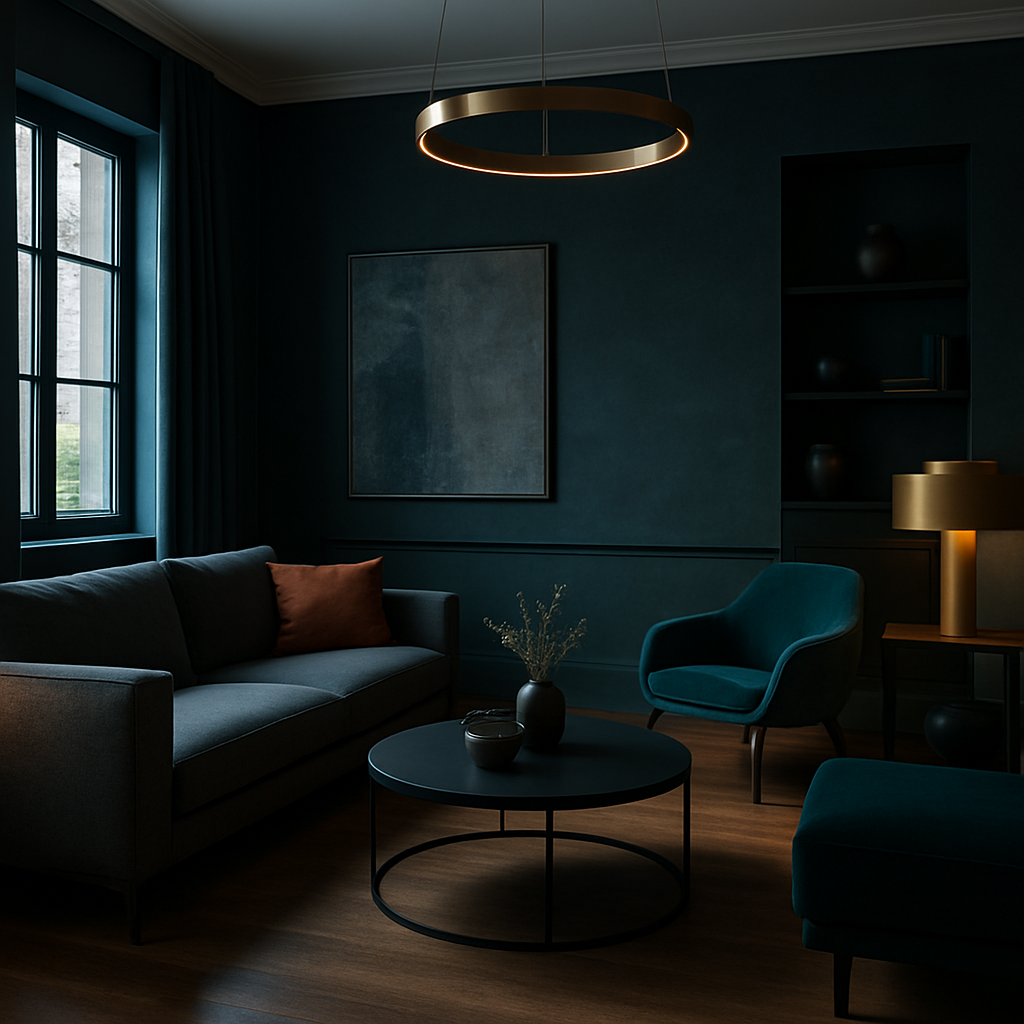
Have you ever walked into a room and felt an immediate sense of calm or excitement, without quite knowing why? That's the magic of modern interior design, where every element is meticulously chosen to enhance your living experience. According to recent surveys by Houzz, over 70% of homeowners believe that a well-designed space significantly impacts their overall well-being. In this article, we will explore innovative ideas for modern interior design that can truly elevate your home. From understanding foundational concepts to incorporating the latest trends, and from actionable strategies to expert-level insights, you'll find everything you need to transform your space into a haven of style and function.
Understanding Foundational Concepts in Modern Interior Design
Modern interior design is built on the principles of simplicity, functionality, and elegance. This style often incorporates clean lines, minimalistic elements, and a neutral color palette. The goal is to create a space that feels open and uncluttered, yet sophisticated. A key aspect of modern design is the use of open floor plans that allow for fluid movement and interaction between different areas of the home. This concept not only maximizes space but also encourages a seamless integration of living, dining, and kitchen areas.
Lighting plays a crucial role in modern interior design. Natural light is highly valued and is often enhanced with large windows and strategically placed mirrors. Artificial lighting, on the other hand, is used to create focal points and highlight architectural features. According to studies by the International Interior Design Association (IIDA), effective lighting design can enhance mood and productivity by up to 30%. When planning your space, consider how light interacts with the materials and colors you choose, as this can dramatically alter the ambiance.
Materials in modern design often include natural elements like wood, stone, and metal. These materials not only add texture and depth but also contribute to a sense of warmth and grounding. Biophilic design, which integrates natural materials and elements into interior spaces, is increasingly popular in 2026. It fosters a connection with nature, promoting relaxation and well-being. As you consider your home's design, think about how these foundational concepts can be applied to create a cohesive and inviting environment.
Diving Deeper: Data-Driven Insights into Interior Design
Modern interior design is not just about aesthetics; it's also about making informed choices that enhance functionality and sustainability. According to the American Society of Interior Designers (ASID), the adoption of sustainable materials has increased by 40% over the past five years. This shift is driven by a growing awareness of environmental impact and a desire to create healthier living spaces. Bamboo, reclaimed wood, and recycled metal are popular choices that offer both eco-friendliness and visual appeal.
Smart home integration is another critical aspect of contemporary design. The use of technology to control lighting, climate, and even window treatments has become a hallmark of modern interiors. The National Council for Interior Design Qualification (NCIDQ) highlights that homes with smart technology not only improve energy efficiency but also increase property value by up to 15%. When planning your modern interior, consider incorporating smart systems that enhance convenience and sustainability.
Color trends also play a significant role in shaping modern interior design. 2026 sees a shift towards muted, earthy tones that evoke a sense of calm and understated luxury. Industry professionals recommend incorporating these colors through accents like cushions, rugs, and artwork to add depth without overwhelming the space. By understanding these data-driven insights, you can make informed decisions that align with both current trends and personal preferences.
Actionable Strategies for Modernizing Your Space
Ready to modernize your home? Start with a comprehensive assessment of your current space. Map out how you use each room daily, identifying areas that work well and those that need improvement. This practical approach ensures that your design choices are not only stylish but also functional. Consider hiring a certified interior designer, ideally one with NCIDQ credentials, to provide a professional assessment and tailored solutions.
Once you have a plan, focus on decluttering and organizing. Minimalism is a core tenet of modern design, and a clutter-free environment is essential to achieving this aesthetic. Experienced professionals often note that investing in smart storage solutions can streamline organization and enhance the overall look of your space. Look for multi-functional furniture that offers hidden storage to maximize efficiency.
Finally, bring in new elements that reflect the latest trends. Japandi style, a blend of Japanese minimalism and Scandinavian warmth, is particularly popular. This design emphasizes simplicity, natural materials, and a limited color palette, creating a serene and harmonious environment. By following these strategies, you can transform your home into a modern sanctuary that reflects your personal style and meets your practical needs.
Expert-Level Insights for Advanced Designers
For those with a deeper interest in interior design, understanding the nuances of procurement and project management is essential. The procurement phase involves sourcing all the necessary materials and furnishings, often requiring negotiation with vendors to secure the best prices and quality. Many designers work with a markup on furniture and materials, typically ranging from 10-25%, which should be considered in your budget.
Project management is another critical component, ensuring that all elements of the design are executed flawlessly. This includes coordinating with contractors, managing timelines, and overseeing installation. According to Architectural Digest's AD PRO network, effective project management can reduce project delays by up to 20%, highlighting its importance in achieving a successful outcome. If you're managing your own project, consider using project management software to keep track of tasks and deadlines.
Networking with industry professionals can also provide valuable insights and opportunities. Joining organizations like ASID or the local chapter of the American Institute of Architects (AIA) can connect you with experienced designers and architects who offer mentorship and collaboration opportunities. By deepening your understanding of these advanced concepts, you can elevate both your personal projects and professional endeavors in the field of modern interior design.
Exploring Additional Dimensions of Design
In today's design landscape, customization is key. Many homeowners are turning to AR/VR room visualization tools to experiment with different layouts and styles before committing. These tools allow for a virtual walkthrough of your space, providing a clearer vision of the final outcome. According to industry surveys, homeowners who use visualization tools report a 25% increase in satisfaction with the end result. Have you considered how technology could enhance your design process?
Another dimension worth exploring is the integration of art as a focal point. Art can dramatically transform a space, adding personality and interest. When selecting artwork, consider pieces that resonate with your style and complement the overall color scheme of your home. Professionals often recommend visiting galleries or exploring online platforms to discover new artists and styles that inspire you.
Finally, consider the role of outdoor spaces in your interior design plan. With the growing trend of indoor-outdoor living, creating a seamless transition between these areas can expand your living space and enhance your enjoyment of your home. Think about how you might incorporate elements like outdoor furniture, lighting, and greenery to create a cohesive and inviting environment. By considering these additional dimensions, you can create a truly unique and personalized living space.
Final Perspectives on Modern Interior Design
As you embark on your interior design journey, it's important to remember that the most successful spaces reflect the personalities and lifestyles of their inhabitants. Whether you're drawn to the clean lines of modern design or the warmth of Japandi style, the key is to create a space that feels authentic and comfortable to you. Have you identified which elements resonate most with your personal style?
For those looking to make a significant investment, collaborating with a professional designer can provide invaluable expertise and insight. With their guidance, you can navigate the complexities of design and execution, ensuring that every detail is thoughtfully considered and expertly implemented. If you're considering this route, explore resources like Houzz to find a certified designer whose portfolio aligns with your vision.
Ultimately, modern interior design is about creating environments that enhance our daily lives, combining beauty with function. By staying informed and open to new ideas, you can cultivate a space that not only meets your needs but also inspires and delights. As you continue your exploration, let your home be a canvas for creativity and innovation.
Are you ready to start transforming your space? Begin by browsing portfolios on platforms like Houzz this week - even 20 minutes of research will sharpen your eye for what you want.



Comments
Post a Comment