Transforming Retail Spaces: Top Interior Design Trends for 2024
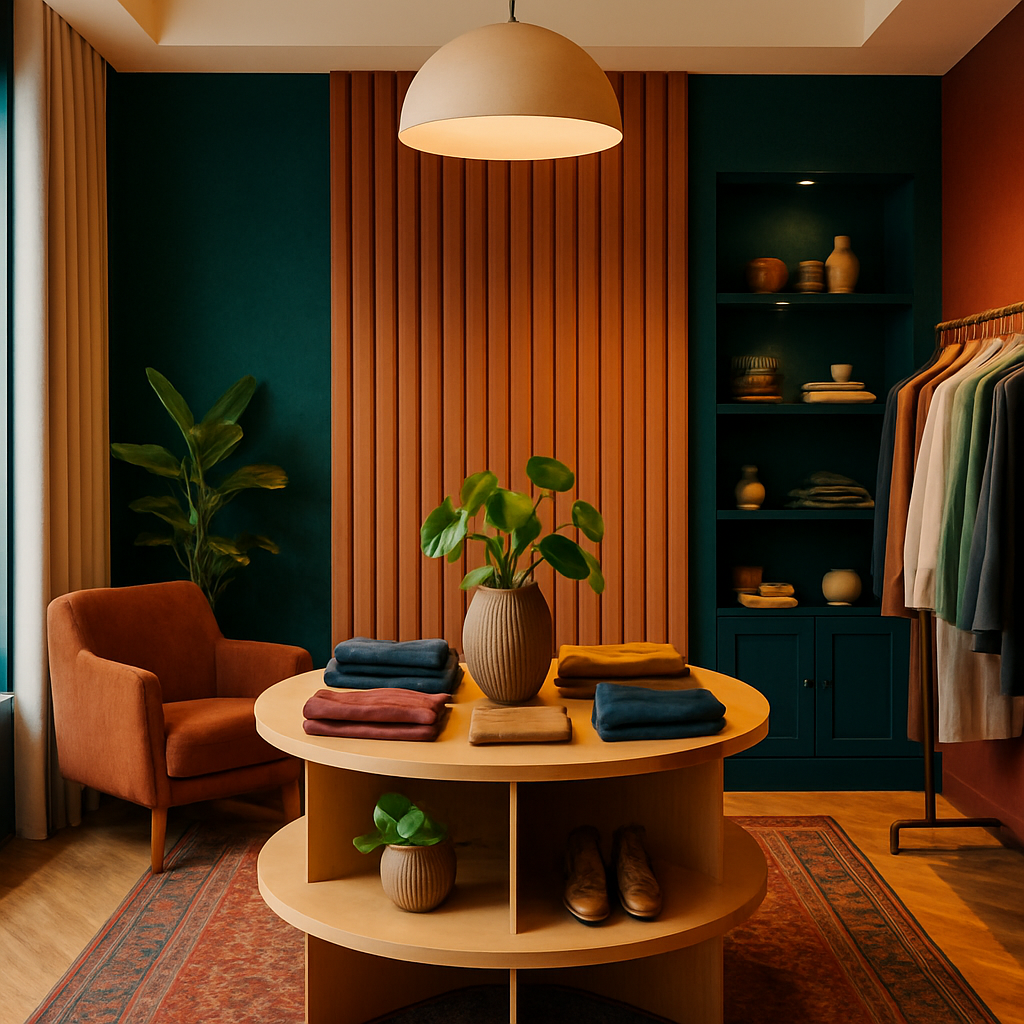
Imagine walking into a store where the very air seems to invite you to linger longer, where the layout intuitively guides you from one discovery to the next. In 2024, retail spaces are undergoing a transformation that caters not only to aesthetics but also to the evolving needs of consumers. According to a recent survey by Houzz, 77% of homeowners are inclined towards incorporating sustainable design elements, a trend mirrored in retail as well. This article explores the significant shifts in retail interior design, from biophilic elements to smart technology, and offers a roadmap for retailers looking to refresh their spaces in the coming year.
Foundational Concepts in Retail Design
The foundation of modern retail design rests on creating immersive experiences that captivate customers from the moment they step inside. One of the primary trends is the integration of biophilic design, which incorporates natural elements like plants, water features, and natural light. This approach not only enhances aesthetic appeal but is also backed by research from the International Journal of Environmental Research and Public Health, which indicates that exposure to nature can reduce stress and improve customer mood.
Another key concept in retail design is the seamless integration of smart technology. Retailers are increasingly using smart lighting systems and automated climate controls to create customized environments. These technologies not only save energy but also allow for dynamic adjustments that enhance the shopping experience. For instance, smart lighting can highlight products based on customers' movements and preferences, creating a personalized shopping journey.
Lastly, the concept of "quiet luxury" is gaining traction in retail design. This trend emphasizes understated elegance and quality over opulence. Retail spaces are adopting minimalist designs with high-quality materials, creating environments that speak to discerning customers. Are you considering how your retail space can embody these foundational concepts to attract and retain customers? Let's delve deeper into how these ideas are being implemented.
Deeper Analysis with Data
Industry surveys suggest that 65% of retailers who have adopted biophilic design elements report increased customer dwell time, as shoppers tend to stay longer in environments they find calming and engaging. This is supported by data from the American Society of Interior Designers (ASID), which indicates a growing consumer preference for natural and sustainable design. By integrating living walls and natural materials, retailers can create a relaxing and inviting atmosphere that encourages exploration and repeat visits.
Smart home integration is another area where retailers are seeing a tangible impact. According to research by the International Data Corporation (IDC), the smart home market is projected to grow by 23% annually, with retail spaces increasingly benefiting from these advancements. Automated window treatments and smart climate controls not only improve energy efficiency but also create a comfortable shopping environment tailored to the time of day or season.
Data also shows that well-designed retail interiors can increase sales by up to 12%, as reported by architectural firms affiliated with the AIA (American Institute of Architects). Retailers who invest in thoughtful design are not only enhancing the aesthetic appeal of their spaces but are also boosting their bottom lines. How can data-driven design decisions transform your retail environment into a sales powerhouse? Let's explore actionable strategies in the next section.
Actionable Strategies for Retailers
For retailers seeking to transform their spaces in 2024, there are several actionable strategies to consider. First, embrace the concept of biophilic design by incorporating natural materials and greenery. Consider installing living walls or strategically placing potted plants throughout your store. This can create a visually appealing environment that draws customers in and invites them to stay longer.
Next, upgrade your space with smart technology. Invest in smart lighting systems that can be adjusted based on time of day or customer presence. Automated climate controls can also enhance comfort and energy efficiency. Using AR/VR room visualization tools can help you and your team conceptualize these changes before implementation, ensuring the design aligns with your brand and customer expectations.
Additionally, focus on creating a seamless customer journey by redesigning layouts to guide shoppers naturally through the space. This could involve reconfiguring aisles and displays to create a flow that encourages exploration and discovery. Experienced professionals often note that a well-thought-out layout can significantly improve customer satisfaction and sales. Are you ready to implement these strategies in your retail space? Let's look at some expert-level details to refine your approach.
Expert-Level Details
One of the more nuanced aspects of retail design is understanding the impact of sensory experiences on customer behavior. Retailers are now using ambient scents and soundscapes to create an immersive environment. Research from the Journal of Retailing suggests that pleasant scents can increase customer satisfaction and time spent in a store by up to 20%. Consider incorporating subtle fragrances or music that aligns with your brand identity.
Lighting design is another area where expertise can make a significant difference. The use of layered lighting, which combines ambient, task, and accent lighting, can dramatically enhance the mood and functionality of a space. This approach not only highlights products more effectively but also contributes to the overall ambiance of the store. According to the NCIDQ (National Council for Interior Design Qualification), proper lighting can influence customer perception and behavior, leading to increased sales.
Finally, sustainability continues to be a crucial consideration in retail design. Using reclaimed materials and eco-friendly furnishings can appeal to environmentally conscious consumers. Moreover, sustainable practices, such as recycling programs and energy-efficient systems, can reduce operational costs and enhance brand reputation. Are you incorporating sustainability into your retail strategy? Let's dive into even more detail to ensure you're on the cutting edge of retail design.
Additional Depth on Retail Design
Exploring the intersection of technology and design, retailers are increasingly using data analytics to inform their design decisions. Platforms like Pinterest and Instagram serve as powerful tools for gathering insights into consumer preferences and trending aesthetics. By analyzing engagement metrics on these platforms, retailers can tailor their design strategies to meet customer expectations more effectively.
Another essential element is the incorporation of flexible spaces within retail environments. Modular furniture and adaptable layouts allow stores to quickly reconfigure spaces to accommodate events, promotions, or seasonality. This flexibility not only maximizes space usage but also keeps the shopping experience fresh and dynamic for returning customers.
Finally, the concept of community-oriented spaces is gaining popularity. Retailers are creating areas within their stores that encourage social interaction and foster a sense of community. This could include lounge areas, cafes, or event spaces that invite customers to gather and engage with the brand on a deeper level. How can you incorporate these elements to create a more engaging and community-friendly retail space? Let's wrap up with some final perspectives on the future of retail design.
Final Perspectives on Retail Design
As we look ahead to 2024, it's clear that the most successful retail spaces will be those that prioritize customer experience, sustainability, and technology. Retailers who embrace these trends will not only enhance the aesthetic appeal of their spaces but also improve customer satisfaction and drive sales. By focusing on biophilic design, smart technology, and community-oriented spaces, retailers can create environments that resonate with modern consumers.
Ultimately, the key to successful retail design lies in understanding and anticipating customer needs. By leveraging data and expert insights, retailers can create spaces that are not only visually appealing but also functional and inviting. As you consider the future of your retail space, what trends and strategies will you prioritize to stay ahead of the competition? Consider these insights as you plan for the year ahead.
Conclusion
In conclusion, transforming retail spaces with the top interior design trends of 2024 offers an exciting opportunity for retailers to engage customers in new and meaningful ways. By integrating biophilic design, smart technology, and sustainable practices, you can create a retail environment that stands out in a competitive landscape. As you plan your next steps, consider starting with a small pilot project to test these concepts and gather feedback from your customers.
Ready to take the first step in updating your retail space? Start by browsing designer portfolios on Houzz or gathering inspiration on Pinterest this week. Even 20 minutes of research can sharpen your eye for what you want. By investing in thoughtful design, you'll not only enhance your store's appeal but also position your brand for success in the evolving retail landscape.


Comments
Post a Comment