The Beginner's Guide to Breaking Into Interior Design: Tips and Tricks
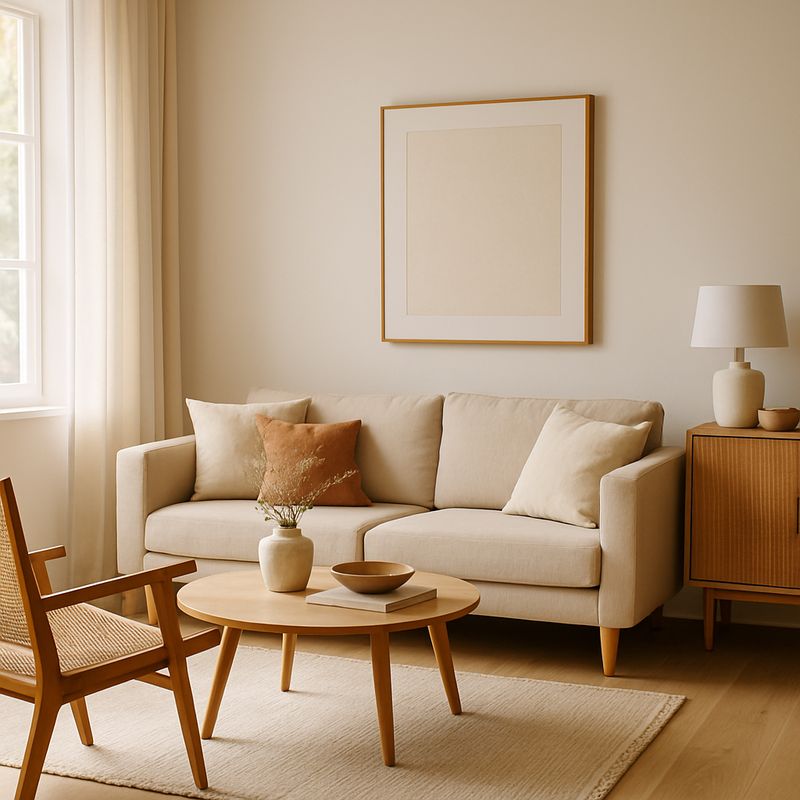
Have you ever walked into a room and felt instantly at ease, as if the space itself was welcoming you? This transformative magic is the hallmark of skilled interior design, an art and science that has the power to enhance our daily environments profoundly. If you're captivated by the idea of crafting such spaces, you're not alone. According to the American Society of Interior Designers (ASID), interest in pursuing interior design as a career has surged by 20% over the past decade. This guide will walk you through the foundational concepts, deeper analyses, and actionable strategies to help you break into the world of interior design with confidence.
Understanding the Foundations of Interior Design
Interior design is more than just arranging furniture or choosing colors; it is a nuanced discipline involving the creation of functional and aesthetically pleasing spaces. At its core, interior design requires a deep understanding of space planning, color theory, and material selection. Aspiring designers should familiarize themselves with these foundational concepts to establish a strong base.
Space planning is the strategic arrangement of a room to maximize its efficiency and flow. This involves mapping out how a space will be used and ensuring that each element serves a purpose. Understanding this concept is crucial, as it affects both the form and function of a design. For instance, a well-planned kitchen layout can significantly impact a homeowner's cooking experience, making tasks more efficient and enjoyable.
In addition to space planning, color theory plays a pivotal role in interior design. It is not just about choosing colors that look good together but understanding how colors affect mood and perception. For example, blues and greens are often used in bedrooms to create a calming atmosphere, while reds and oranges can energize a space, making them ideal for dining rooms or kitchens. Mastery of these foundational skills is essential for anyone serious about breaking into the interior design industry.
Exploring Deeper Insights with Industry Data
To succeed in the interior design field, aspiring designers must stay informed about industry trends and data. According to Houzz's annual survey, homeowners are increasingly investing in eco-friendly materials and smart home technology, with spending in these areas growing by 15% year-over-year. This data underscores the importance of understanding and incorporating sustainability into modern design practices.
Moreover, the International Interior Design Association (IIDA) emphasizes that effective communication with clients is a key factor in successful projects. Designers must be able to interpret client needs and translate them into tangible design solutions. This involves not only listening but also educating clients about design possibilities and constraints. As trends evolve, so too must the designer's ability to convey the value of their vision.
Another critical aspect of interior design is the business side, including fee structures and project management. Designers typically charge clients using various methods, such as flat fees, hourly rates ranging from $150 to $500, or a percentage of the total project cost. Understanding these financial structures is crucial for new designers looking to establish a viable business model. Grasping these insights allows aspiring designers to better navigate the complexities of the field.
Implementing Actionable Strategies for Aspiring Designers
Breaking into the interior design industry requires not only knowledge but also strategic action. One of the most effective ways to gain experience is through internships or apprenticeships with established designers. This hands-on learning can provide invaluable insights into the day-to-day operations of a design practice and offer exposure to a variety of projects.
Building a portfolio is another crucial step. Aspiring designers should document their projects, even if they start with personal or pro bono work. A strong portfolio showcases your skills and creativity, helping you stand out to potential clients or employers. Utilize platforms like Houzz and Instagram to share your work and attract attention within the design community.
Networking is also vital in the interior design industry. Joining professional organizations such as ASID or attending local AIA chapter events can facilitate connections with industry peers and potential mentors. These interactions can lead to collaborations, job opportunities, and continued learning, providing a springboard for career growth.
Diving Into Expert-Level Details
Experienced professionals often note that the devil is in the details when it comes to interior design. This means understanding the subtleties of design elements and how they interact within a space. For example, selecting textiles involves considering not just color and pattern, but also texture and durability, which can dramatically affect a room's ambiance and longevity.
Lighting design is another area where expertise is indispensable. Proper lighting can highlight architectural features, create ambiance, and even influence mood. Designers must be adept at using natural light alongside artificial sources to achieve the desired effect. This requires a keen eye and technical knowledge, often honed through years of practice.
Furthermore, staying abreast of technological advancements is crucial. AR/VR room visualization tools are becoming increasingly popular, allowing designers to present clients with immersive previews of their projects. Keeping up with these technologies not only enhances the design process but also sets you apart in a competitive market. Each of these details contributes to creating a cohesive and impactful design.
Gaining Additional Depth Through Continuing Education
The interior design field is ever-evolving, with new trends and technologies emerging regularly. Continuing education is essential for staying current. Programs offered by NCIDQ and other accredited institutions provide advanced training and certification opportunities that can enhance your credentials and expertise.
In addition to formal education, attending workshops and seminars can offer new perspectives and ideas. These events often feature industry leaders and provide a platform for learning about the latest design innovations. They are also excellent opportunities for networking and professional development.
Finally, leveraging online resources such as Architectural Digest's AD PRO network can provide insights into industry trends and best practices. Engaging with these resources not only enriches your knowledge but also inspires creativity, helping you remain competitive and innovative in your design approach.
Final Perspectives on Entering the Interior Design World
Embarking on a career in interior design is both challenging and rewarding. It requires a blend of creativity, technical skill, and business acumen. As you hone your craft, remember that persistence and passion are key. The more you immerse yourself in the industry, the more opportunities you will uncover.
Do you have a specific design style you're drawn to? Exploring this can help you carve out a niche and establish your unique brand. Whether it's the minimalist elegance of Japandi or the sustainable ethos of biophilic design, aligning your work with your passions can lead to greater fulfillment and success.
As you continue your journey, keep in mind that every project and client will present new learning experiences. Embrace them as stepping stones toward becoming a seasoned interior designer.
Conclusion
Breaking into the interior design industry requires a solid foundation, continuous learning, and strategic action. From mastering foundational concepts to implementing expert-level details, each step of the journey offers valuable insights that contribute to your growth as a designer. By building a strong portfolio, networking with peers, and staying informed about industry trends, you can position yourself for success.
Are you ready to take the next step? Start by browsing portfolios on Houzz this week - even 20 minutes of research will sharpen your eye for what you want. Whether you're drawn to the elegance of quiet luxury or the innovation of smart home integration, your path to becoming an esteemed interior designer awaits.

Comments
Post a Comment