Exploring the Legacy: Heritage School of Interior Design's Impact on Modern Aesthetics
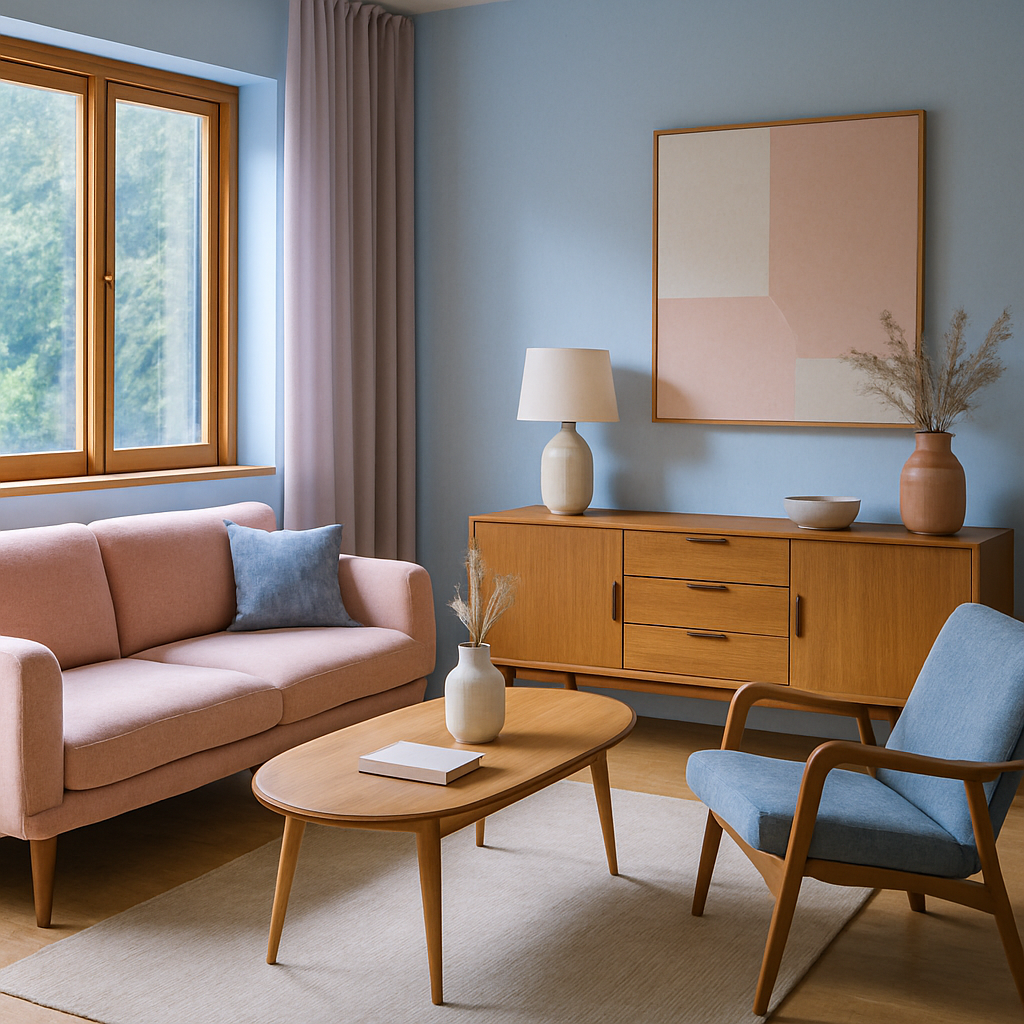
What if the key to understanding today's modern interior design lies in the past? The Heritage School of Interior Design, with its emphasis on both classical techniques and innovative practices, has profoundly influenced contemporary aesthetics. This article delves into how this esteemed institution has shaped modern design sensibilities, blending timeless elegance with cutting-edge trends. We will explore foundational concepts, analyze their modern application, and provide actionable strategies for incorporating these elements into your own spaces. Finally, we will offer expert insights and showcase how these principles continue to evolve, inviting you to reimagine your surroundings through a heritage lens.
The Foundation of Heritage School of Interior Design
Established with the mission to cultivate a deep understanding of design principles, the Heritage School of Interior Design has been a beacon for aspiring designers. The school's curriculum emphasizes a comprehensive approach to design, integrating historical perspectives with modern methodologies. Students start by studying the fundamentals of interior architecture and design, which include space planning, color theory, and material selection. These foundational skills are crucial as they provide the bedrock upon which more advanced techniques are built.
At the heart of the Heritage School's philosophy is the belief that understanding the past enriches the present. This is achieved through courses that cover the evolution of design styles from classical to contemporary. By examining the transitions of design eras, students gain a nuanced appreciation of how historical contexts influence current trends. This approach not only preserves the legacy of traditional designs but also encourages innovation by blending old and new.
Moreover, the institution places a strong emphasis on craftsmanship and sustainability. Students are taught to respect materials, favoring quality and longevity over trends. This focus on sustainability is increasingly relevant as modern consumers become more environmentally conscious. Are you considering how sustainable practices could enhance your living space? Understanding these foundational principles can guide your design choices toward more eco-friendly solutions.
Heritage's Influence on Modern Aesthetics
The Heritage School's emphasis on blending classical and contemporary elements is evident in today's design aesthetics. According to the American Society of Interior Designers (ASID), there is a growing trend towards integrating vintage elements into modern interiors, a practice that Heritage has long championed. This blend results in spaces that feel both timeless and current, offering a unique depth and character.
Data from Houzz's annual survey suggests that 68% of homeowners are now interested in incorporating vintage or reclaimed items into their homes. This interest aligns with the teachings at Heritage, where students are encouraged to incorporate such elements to tell a story through design. By juxtaposing modern pieces with antique finds, designers create visually compelling and meaningful spaces.
Furthermore, the use of technology in design, such as AR/VR room visualization tools, allows Heritage students to experiment with classic and modern styles in a virtual environment. This innovative approach enables designers to visualize how different eras can coexist harmoniously within a single space. How do you envision mixing vintage charm with modern sleekness in your own home? This blend not only honors tradition but also caters to contemporary tastes.
Actionable Strategies for Incorporating Heritage Design
Incorporating the principles taught at the Heritage School into your own design projects requires both insight and creativity. First, consider starting with a clear concept development phase. Map out the design elements you want to feature, such as specific vintage pieces or sustainable materials. This step is crucial for creating a cohesive look that seamlessly blends historical and modern elements.
Next, focus on color and material selection. Heritage-trained designers often emphasize the use of natural materials like wood and stone, which offer warmth and texture. Pair these with a modern color palette-think muted tones of greys and whites accented with deep blues or greens. This combination can create a serene yet sophisticated atmosphere that reflects a well-thought-out design strategy.
Finally, consider the layout and functionality of your space. Experienced professionals often note the importance of space planning in achieving a balanced design. For example, placing a vintage chaise longue in a modern minimalist room can serve as a striking focal point. Have you analyzed your space to ensure it serves both aesthetic and practical purposes? Thoughtful design can enhance daily living while preserving the integrity of the heritage elements.
Expert Insights into Heritage Design Principles
Industry experts often highlight the unique advantages of heritage design principles in modern contexts. A well-designed interior can potentially increase a property's resale value by 5-15%, according to real estate analysts. This underscores the economic benefit of incorporating timeless design elements that appeal to a broad audience.
The International Interior Design Association (IIDA) emphasizes that certified designers, particularly those with NCIDQ (National Council for Interior Design Qualification) credentials, are equipped with the skills to seamlessly integrate heritage elements into modern designs. These professionals have a deep understanding of design history, enabling them to craft spaces that are both stylish and historically informed. This expertise is invaluable for clients seeking a distinctive aesthetic.
Moreover, the Heritage School's approach aligns with the growing trend of biophilic design, which integrates natural elements into interiors. By incorporating plants and natural light, designers can create spaces that promote well-being and connect inhabitants to nature. Are you looking to enhance your home's connection to nature? Embracing biophilic elements can transform your space into a tranquil retreat.
Expanding the Influence of Heritage Design
The reach of the Heritage School of Interior Design extends beyond its students. By influencing current trends, the institution plays a key role in shaping broader design movements. Their alumni often lead the charge in innovative projects that push the boundaries of traditional design conventions.
One area where Heritage's impact is particularly evident is in the commercial sector. Businesses seek interiors that reflect both their brand identity and a sense of timelessness. Heritage-trained designers are adept at crafting such environments, blending corporate needs with aesthetically pleasing solutions that draw on both historical and modern influences.
As you consider your next design project, think about the potential of heritage-inspired elements to elevate the space. Whether it's a residential or commercial setting, the principles taught at the Heritage School can guide you in creating a space that is both functional and aesthetically pleasing. What legacy will your design leave for future occupants? The possibilities are as limitless as they are inspiring.
Final Perspectives on Heritage's Modern Impact
The influence of the Heritage School of Interior Design on modern aesthetics is both profound and enduring. By advocating for a blend of historical and contemporary design elements, the school cultivates designers who are as skilled in traditional techniques as they are in modern innovations.
Ultimately, the legacy of the Heritage School lies in its ability to adapt and evolve. As design trends shift, the principles taught at the school remain relevant, offering a foundation upon which new trends are built. This adaptability ensures that heritage-inspired designs continue to captivate and inspire, proving that the past has a vital role in shaping the future of interior design.
Conclusion
In summary, the Heritage School of Interior Design has had a significant impact on modern aesthetics by teaching students to blend traditional techniques with contemporary innovations. This approach not only preserves historical design elements but also encourages innovation. Ready to incorporate these principles into your own home? Start by browsing designer portfolios on Houzz or Instagram to gather inspiration and identify the elements that resonate with your personal style. Even a short session of research can offer valuable insights into how to harmoniously integrate the past with the present in your design projects.



Comments
Post a Comment