Maximize Small Spaces: Innovative AI Interior Design Solutions You Need Today
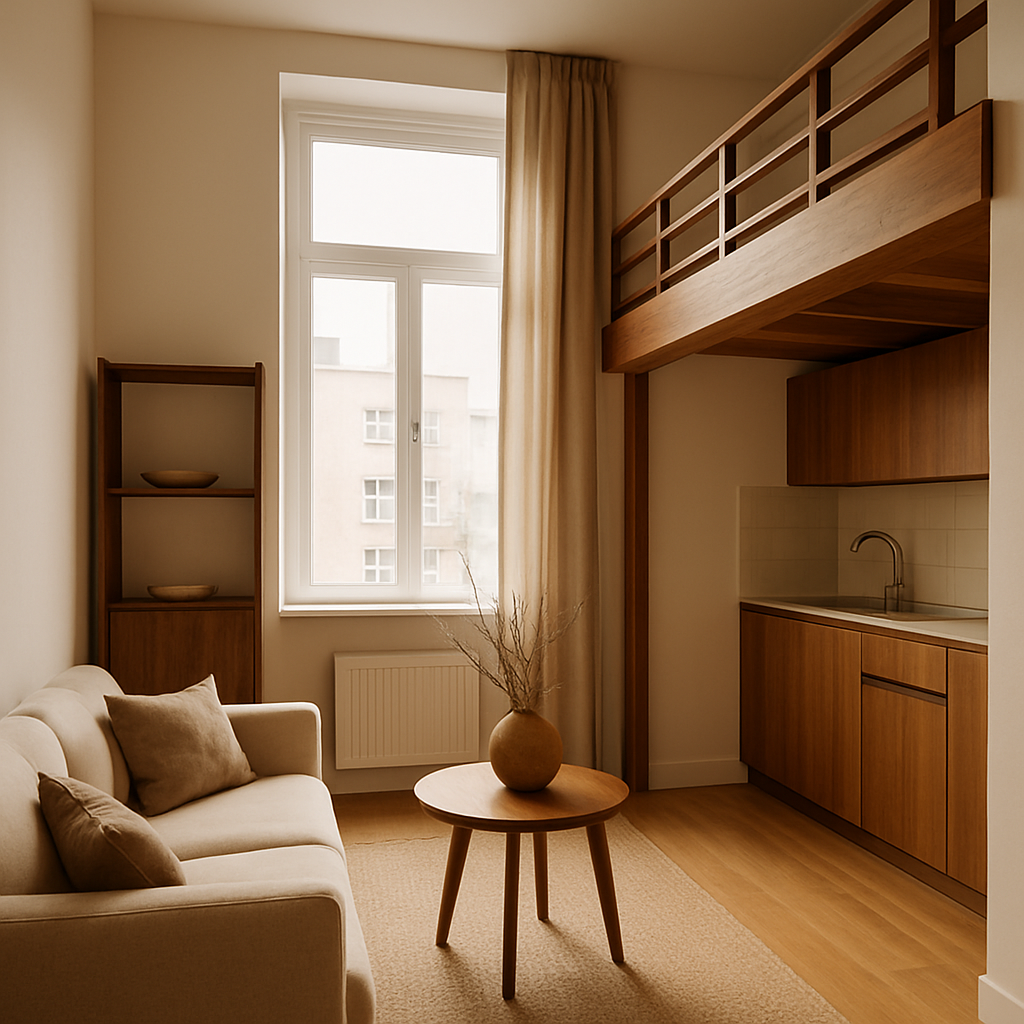
Imagine transforming your cramped studio apartment into a spacious haven without moving a single wall. With the advent of innovative AI interior design solutions, this dream can become a reality. A recent survey by Houzz revealed that 58% of homeowners are looking to make better use of their existing space, highlighting a growing trend toward maximizing what we already have. In this article, we'll explore how AI-powered tools can redefine small space living, offering fresh perspectives and actionable strategies. From foundational concepts to expert-level advice, we'll cover everything you need to enhance your interiors effectively.
Foundational Concepts: Understanding AI in Interior Design
At its core, AI in interior design utilizes algorithms and machine learning to analyze your space and suggest optimal layouts, color schemes, and furnishings. By inputting dimensions and style preferences, AI-driven platforms like Modsy and Planner 5D create 3D models that allow you to visualize potential changes before making any physical modifications. This capability empowers you to experiment with different designs, ensuring every square foot is used efficiently.
One of the key benefits of AI solutions is their ability to provide personalized recommendations. Unlike traditional methods that might rely heavily on a designer's vision, AI platforms consider your unique lifestyle needs and preferences. For instance, Modsy utilizes AI to suggest furniture arrangements that enhance functionality without sacrificing style. This personalized approach ensures that your space not only looks good but also works for you.
Moreover, AI tools can significantly reduce the time spent on planning and redesigning. Instead of sifting through countless samples and layouts manually, you can rely on AI to streamline the process. This efficiency is particularly crucial for small spaces, where every decision counts. Are you ready to embrace AI to transform your compact living area into a masterpiece?
AI's Impact: Data-Driven Design Innovations
AI-driven design is not just about aesthetics; it's about making informed decisions based on data. According to the American Institute of Architects (AIA), integrating AI can improve design efficiency by up to 30%. These innovations allow designers to predict how different materials and layouts will perform in real-world scenarios, ultimately leading to more sustainable and effective designs.
For example, AI algorithms can analyze natural light patterns in your home, recommending window treatments or furniture placements that maximize brightness. This level of detail was once reserved for high-budget projects but is now accessible to a broader audience, thanks to AI. The result is spaces that feel larger and more inviting, elevating the overall living experience.
Furthermore, AI can assist in optimizing storage solutions, a critical aspect of small space living. Platforms like IKEA Place use augmented reality to help visualize how furniture can fit into your home, ensuring that every piece serves a purpose. By utilizing AI tools, you can create a clutter-free environment without compromising on style or functionality. How might incorporating AI into your design process change the way you live?
Actionable Strategies for Small Spaces
Maximizing small spaces requires a strategic approach that balances aesthetics with practicality. Start by leveraging AI tools to map out your space meticulously. Identify high-traffic areas, storage needs, and lighting requirements. Once you have a clear understanding, use platforms like Roomstyler to experiment with different layouts and furniture arrangements.
Consider the concept of biophilic design, which integrates natural elements into interior spaces. This trend not only enhances the aesthetic appeal but also improves mental well-being. AI platforms can suggest the best locations for plants or natural materials, creating a seamless indoor-outdoor flow even in the smallest of spaces. Such elements can transform a cramped apartment into a serene retreat.
Additionally, focus on multifunctional furniture to maximize utility. AI can help identify pieces that serve multiple purposes, such as a sofa bed with built-in storage or a dining table that doubles as a workspace. These dual-function items are perfect for small spaces, where versatility is key. By adopting these strategies, you can make your home more functional and visually appealing.
Expert Insights: Integrating Technology for a Seamless Experience
Experienced professionals often note that integrating technology is crucial for a successful small space design. Smart home features, such as automated lighting and climate control, can enhance comfort and efficiency. AI platforms can recommend the best smart devices to fit your needs, ensuring a cohesive and user-friendly system.
Moreover, the use of AR/VR room visualization tools is becoming increasingly popular among designers. These advanced technologies allow clients to experience a 3D walk-through of their redesigned space before committing to any changes. Architectural Digest's AD PRO network highlights that such immersive experiences can lead to higher client satisfaction and fewer design revisions.
Platforms like Houzz also offer extensive galleries and designer portfolios, providing inspiration and ideas tailored to small living spaces. By exploring these resources, you can gain a deeper understanding of current trends and how they can be applied to your home. How can you harness these technologies to enhance your living environment?
Additional Depth: Budgeting and Sustainability
Budget constraints often pose challenges in interior design, particularly in small spaces where customization is key. AI can assist in budget management by providing cost estimates for different materials and designs. According to ASID (American Society of Interior Designers), a well-designed interior can increase home resale value by 5-15%, making a thoughtful investment worthwhile.
Incorporating sustainable materials is another critical aspect of modern design. AI platforms can suggest eco-friendly options that align with your aesthetic goals, such as reclaimed wood or energy-efficient lighting. These choices not only benefit the environment but also contribute to a healthier living space.
When planning your project, consider various fee structures. Certified interior designers (holding NCIDQ, ASID, or IIDA credentials) may charge a flat fee, hourly rate, or a percentage of the total project cost. Understanding these options can help you allocate resources effectively, ensuring that your design meets both your budget and your expectations. Are you ready to take the next step in your design journey?
Final Perspectives: Embracing the Future of Design
The integration of AI in interior design marks a significant shift in how we approach small spaces. By offering data-driven insights and personalized recommendations, AI empowers homeowners to create functional, stylish environments. As technology continues to evolve, the possibilities for innovation in design are limitless.
Looking ahead, trends like Japandi, which combines Japanese minimalism with Scandinavian warmth, are expected to gain traction. AI platforms can help you incorporate these styles into your home, ensuring a seamless blend of form and function. By staying informed and embracing these advancements, you can enhance your living space in ways you might not have imagined.
Ultimately, the key to successful small space design lies in adaptability and innovation. By leveraging AI technologies, you can reimagine your home, creating a space that truly reflects your lifestyle and aspirations. What steps will you take to integrate these solutions into your home design process?
Conclusion: Transform Your Space Today
Incorporating AI interior design solutions into your small space can lead to remarkable transformations. By understanding foundational concepts, utilizing data-driven innovations, and implementing actionable strategies, you can maximize your home's potential. As you consider these expert insights and additional depth, remember that the future of interior design is both exciting and accessible.
Now is the time to take action. Start by browsing portfolios on platforms like Houzz this week. Even 20 minutes of research will sharpen your eye for what you want. With AI tools at your disposal, the possibilities are endless. Are you ready to revolutionize your living space?



Comments
Post a Comment