Feng Shui Bedroom Layout Rules for Better Sleep and Energy
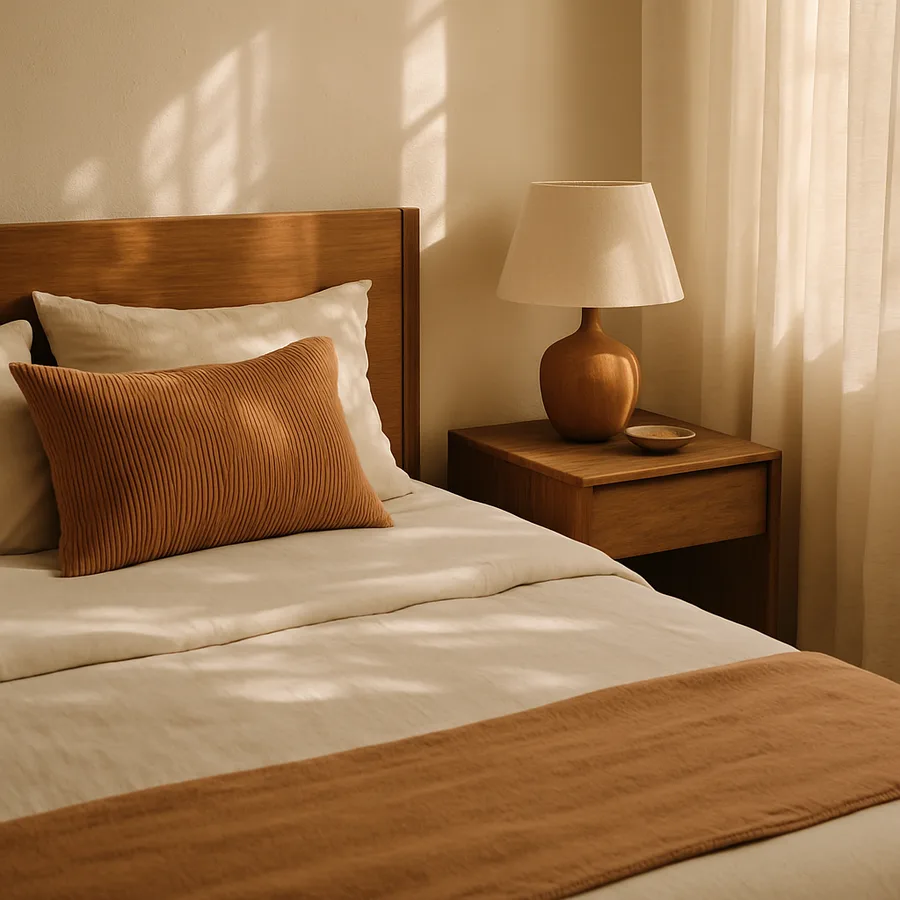
Understanding How Bedroom Energy Affects Your Rest
Feng shui is a Chinese philosophical system with roots stretching back more than 3,000 years, centered on harmonizing individuals with their surrounding environment through the intentional arrangement of space. The bedroom holds a uniquely important position in feng shui practice because humans spend roughly one-third of their lives sleeping, making it the room where energy exposure is most prolonged and most influential. Poor bedroom layout, according to feng shui principles, can disrupt the flow of chi (life force energy), leading to restless sleep, low vitality, and strained relationships.
Modern sleep research has begun to echo some of these ancient observations, even if the terminology differs. The National Sleep Foundation has published findings indicating that bedroom environment factors, including furniture placement, light exposure, and visual clutter, significantly affect sleep onset latency and sleep quality. A study cited by the organization found that people who described their bedrooms as "cluttered" were 41 percent more likely to report difficulty falling asleep than those with tidy, organized rooms. Feng shui's emphasis on order and intentional placement aligns closely with these evidence-based recommendations.
The core principle underlying all feng shui bedroom rules is the concept of balanced energy flow. Chi should be able to circulate gently through the room without stagnating in corners or rushing through like a wind tunnel. Furniture placement, color choices, and the objects you keep in the bedroom all influence this flow. When chi moves smoothly and calmly, the room supports deep rest during sleep and gentle rejuvenation upon waking. When chi is blocked or accelerated, the occupant may experience insomnia, fatigue, or a persistent sense of unease.
This guide covers the most widely recognized feng shui bedroom layout rules as taught by practitioners affiliated with the International Feng Shui Guild (IFSG) and the American Feng Shui Institute. The focus is on furniture positioning and spatial arrangement rather than decorative accessories, giving you a structural foundation that supports restful sleep and positive energy regardless of your personal decor style.
The Commanding Position: Where Your Bed Must Go
The single most important rule in feng shui bedroom design is placing the bed in the commanding position. This means positioning the bed so that when you lie in it, you can see the bedroom door without being directly in line with it. Ideally, the bed sits diagonally opposite from the door, with the headboard against a solid wall. This placement gives the sleeper a psychological sense of safety and control over the space, which feng shui practitioners consider essential for deep, undisturbed rest.
The reasoning behind the commanding position extends beyond symbolism. When you can see the entry point to your room, your subconscious mind registers that you are protected from unexpected approach. This reduces the low-level vigilance that can keep the nervous system slightly activated during sleep. Sleep researchers at the University of Melbourne published findings supporting a similar concept, noting that participants who slept facing away from the door reported higher rates of nighttime waking compared to those with a visual line to the entrance. The feng shui tradition identified this pattern centuries before modern sleep labs confirmed it.
What should you do if your room layout makes the commanding position impossible? Perhaps the only solid wall is directly opposite the door, placing the bed in the dreaded "coffin position" where your feet point straight out through the doorway. In this case, feng shui offers remedies rather than requiring you to accept a compromised layout. A substantial footboard creates a symbolic barrier between the sleeper and the door. Alternatively, placing a bench or chest at the foot of the bed serves the same protective function while adding practical storage.
Avoid placing the bed directly under a window if possible. A solid wall behind the headboard provides what feng shui calls mountain support, a stable backing that symbolizes protection and strength. Windows behind the head allow chi to flow in and out erratically, potentially disturbing sleep. If the room's configuration forces the headboard against a window, use a solid, tall headboard and heavy window treatments to create a sense of solidity. The Architectural Digest wellness design column has noted that substantial headboards serve both feng shui and acoustic insulation purposes, buffering street noise that enters through windows.
Symmetry and Balance on Both Sides of the Bed
Symmetrical arrangement on either side of the bed is a foundational feng shui principle that promotes balanced energy between partners and within the individual. This means placing a nightstand on each side of the bed, even if you sleep alone. Each nightstand should be roughly the same height as the mattress top and carry similar visual weight. Matching table lamps on both nightstands complete the balanced arrangement, providing equal light and energy distribution.
The symbolism here is straightforward: two nightstands represent equality and welcome. In a shared bedroom, unequal sides suggest one partner holds more power or comfort than the other, which feng shui associates with relationship tension. For single occupants, having only one nightstand signals to the universe that the space accommodates only one person, which practitioners say can energetically discourage partnership. Whether you subscribe to this metaphysical interpretation or not, the practical benefit of two nightstands is simply better function: both sides of the bed get a surface for water, books, phones, and lamps.
Does your bedroom have enough space for two full nightstands? If not, creative alternatives maintain the symmetry principle without consuming excess floor area. Wall-mounted floating shelves on each side of the bed provide surface space with zero floor footprint. Small stools or narrow plant stands can serve as minimalist nightstands in tight quarters. The key is visual balance rather than identical furniture. Two different pieces of similar size and height satisfy the feng shui requirement while allowing personal expression on each side.
Beyond nightstands, examine the overall balance of your bedroom from the doorway. Heavy furniture clustered on one side of the room creates an energetic imbalance that feng shui considers disruptive. A large dresser on the left wall with nothing on the right wall pulls the room's energy off center. Redistribute visual weight by placing a chair, a bookshelf, or artwork on the lighter side. The Houzz editorial team has observed that symmetrical bedroom layouts consistently receive higher "like" counts in their user galleries, suggesting an instinctive human preference for balanced spaces.
Clearing the Path: Circulation and Clutter Rules
Feng shui places tremendous importance on maintaining clear pathways around the bed and throughout the bedroom. You should be able to walk around three sides of the bed without squeezing past furniture or stepping over objects on the floor. A minimum clearance of 18 to 24 inches on each accessible side of the bed allows chi to circulate freely and gives the occupant ease of movement during the night. Pushing the bed into a corner so that one side is flush against the wall is considered a significant feng shui mistake because it restricts energy flow and traps the person on the wall side.
Under-bed storage is a contested topic in feng shui circles, but the predominant recommendation is to keep the space beneath the bed completely clear. Chi needs to flow around and under the bed to support the sleeper. Boxes, bins, and stored items beneath the bed create stagnant energy that practitioners associate with feeling "stuck" in life. If you absolutely must use under-bed storage due to space constraints, limit it to soft items like extra linens or out-of-season clothing and avoid storing anything emotionally charged such as old letters, photos from past relationships, or work documents.
Clutter on visible surfaces directly undermines the bedroom's restful purpose. The American Feng Shui Institute teaches that every object in the bedroom either supports rest or detracts from it, and there is no neutral ground. Stacks of unfolded laundry, piles of books you have not opened in months, and collections of unused items all represent deferred decisions that subtly tax your mental energy. A study by the Princeton Neuroscience Institute confirmed that visual clutter competes for attention and reduces the brain's ability to focus and process information, a finding that directly supports the feng shui principle of bedroom simplicity.
Closet doors should remain closed at night. An open closet exposes the visual complexity of clothing, shoes, and stored items to the sleeping occupant, even if only subconsciously. Feng shui treats open closets as energy leaks that draw chi away from the bed and into the stored possessions. From a purely practical standpoint, closed closet doors also reduce visual stimulation in the moments before sleep, supporting the wind-down process that sleep hygiene experts recommend. If your closet lacks doors, a simple curtain serves as an effective and inexpensive solution.
What to Remove: Electronics, Mirrors, and Water Elements
Feng shui bedroom rules are as much about what you exclude from the room as what you include. Electronics top the removal list. Televisions, laptops, tablets, and phones emit electromagnetic fields and emit stimulating blue light, both of which disrupt melatonin production and sleep quality. Feng shui classifies electronics as active yang energy, which is the opposite of the calm yin energy the bedroom should cultivate. Removing screens from the bedroom or at minimum turning them completely off and covering them at night is one of the most impactful changes you can make.
Mirrors in the bedroom require careful placement under feng shui guidelines. A mirror that reflects the bed is considered particularly problematic because it is believed to bounce energy back at the sleeper, creating restlessness and even nightmares. Feng shui master practitioners from the Feng Shui Society in the United Kingdom advise that if a mirror must remain in the bedroom, it should be positioned so that it does not reflect the bed from any angle. A mirror on the inside of a closet door that stays closed at night, or a vanity mirror on a dresser angled away from the bed, are both acceptable placements.
Have you noticed that you sleep less soundly when a large mirror faces your bed? Many people report this experience without any knowledge of feng shui. The explanation may be partly neurological: peripheral awareness of movement in a mirror, even the subtle shifting of blankets reflected back, can trigger the brain's motion-detection circuits during lighter sleep phases. Covering a bedroom mirror with a cloth at night is a simple experiment that costs nothing and may noticeably improve your sleep quality within a few days.
Water features such as fountains, aquariums, and even large images of water are discouraged in the feng shui bedroom. Water represents the flow of wealth and emotion, and its active, moving quality conflicts with the stillness needed for sleep. This rule extends to artwork: paintings of oceans, rivers, or rainstorms carry water energy even in static form. Replace water imagery with earth-element art such as landscapes, mountains, or warm abstract compositions in terracotta, beige, and soft gold tones. These earth elements promote grounding and stability, qualities that directly support restful sleep.
Color and Lighting Choices That Support Yin Energy
The feng shui bedroom should be dominated by yin energy: soft, receptive, calm, and nurturing. Color choices play a major role in establishing this atmosphere. Earth tones such as warm beige, soft terracotta, gentle sand, and muted clay create a grounding foundation that promotes relaxation. Soft pinks and peach tones are also favored because they represent love and partnership energy without the stimulating intensity of bright red. The Better Homes & Gardens color psychology guide aligns with these recommendations, noting that warm neutral palettes consistently test as the most relaxing in bedroom settings.
Colors to minimize in the feng shui bedroom include bright red, vivid orange, and electric blue. These are high-yang colors associated with activity, passion, and stimulation, all of which are counterproductive to sleep. Black in large quantities is also discouraged because it represents water energy and can feel oppressive in a room dedicated to rest. Small accents of deeper colors are acceptable, such as navy throw pillows or a burgundy vase, but they should not dominate the visual field from the bed.
Lighting in the feng shui bedroom should offer multiple levels of intensity to support different activities and times of day. Overhead fixtures with dimmer switches allow you to reduce brightness as bedtime approaches. Bedside lamps with warm-toned bulbs in the 2700K color temperature range provide soft illumination for reading without suppressing melatonin production the way cool-white or daylight bulbs do. Candles, whether real or high-quality flameless versions, add the fire element in a controlled and gentle way that feng shui considers beneficial for partnership energy.
Natural light during daytime hours is welcome and healthy, but the bedroom must be able to achieve near-complete darkness for sleep. Blackout curtains or lined drapes serve double duty in feng shui: they block external light for better sleep and they cover windows that might otherwise compromise the solid-wall support behind the headboard. During waking hours, open the curtains fully to invite fresh chi into the room and prevent energy stagnation. This daily cycle of opening and closing mirrors the natural rhythm of activity and rest that feng shui seeks to harmonize with.
Putting These Rules Into Practice Tonight
Implementing feng shui bedroom layout rules does not require a complete renovation or expensive purchases. The most impactful changes, repositioning the bed into the commanding position, adding a second nightstand, clearing under-bed storage, and removing electronics, can be accomplished in a single afternoon with no cost at all. Start with the commanding position and observe whether your sleep quality changes over the following week. Many people report noticeable improvement within three to five nights of moving the bed to its optimal feng shui placement.
Approach the process incrementally rather than attempting every change at once. Feng shui practitioners recommend making one adjustment at a time and living with it for several days before introducing the next. This methodical approach lets you isolate the effect of each change and builds awareness of how your environment influences your energy levels and sleep patterns. Rushing through a complete bedroom overhaul can itself create stress that undermines the calm you are trying to cultivate.
Keep in mind that feng shui is a guiding philosophy, not a rigid set of laws. Every bedroom has constraints imposed by architecture, room size, window placement, and door locations. The goal is to align with as many principles as your space allows while accepting that imperfection is normal. A bedroom that follows 80 percent of these guidelines will feel dramatically different from one that follows none. The International Feng Shui Guild encourages practitioners and homeowners alike to prioritize the commanding position and clutter removal above all other rules, as these two changes deliver the most significant impact on sleep and energy.
Tonight, stand in your bedroom doorway and evaluate your current layout with fresh eyes. Can you see the bed from the door? Is the headboard against a solid wall? Are both sides of the bed accessible? Is the space under the bed clear? Answer these four questions honestly, and you have a prioritized action list for your feng shui bedroom transformation. Start with the first "no" answer and work your way through. Your sleep, your energy, and your sense of daily calm will reflect the effort.
More Articles You May Like



Comments
Post a Comment