Fall Porch Decor With Real and Faux Pumpkins That Last
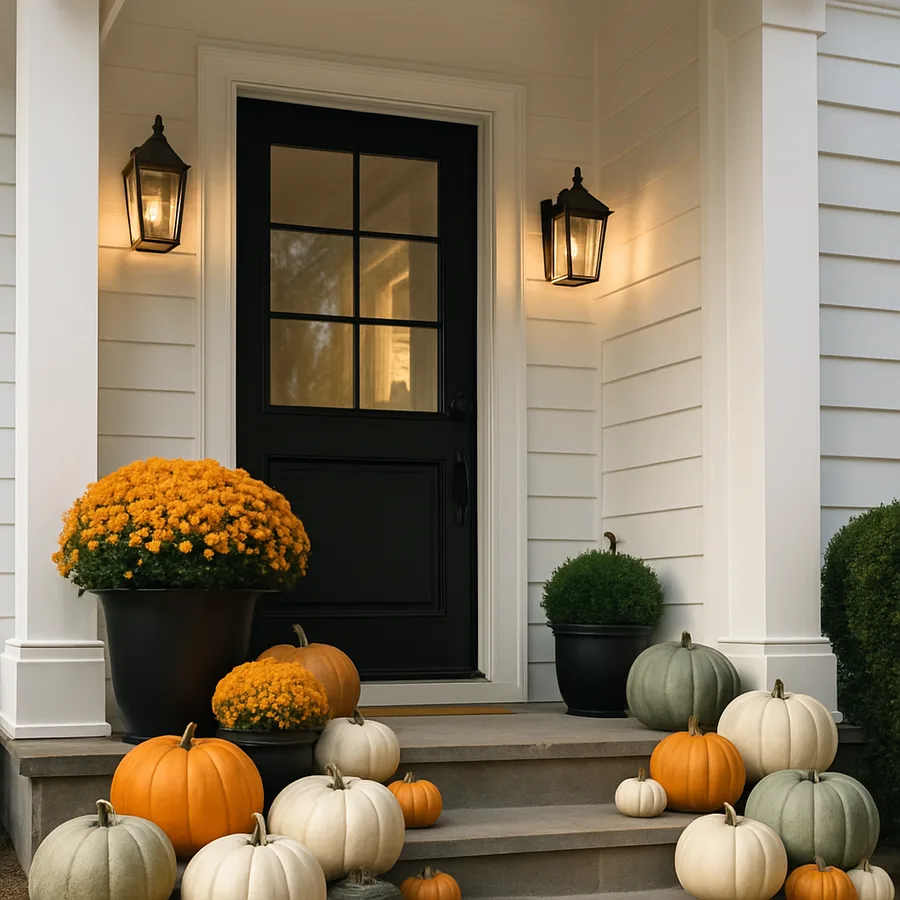
A well-decorated fall porch is the handshake your home extends to every visitor, delivery driver, and neighbor who passes by from September through November. Pumpkins are the undisputed centerpiece of autumn porch design, but the frustration of watching a beautiful arrangement collapse into mush after two weeks has led many homeowners to either accept the short lifespan or switch entirely to artificial alternatives. Neither compromise is necessary. By combining real pumpkins with high-quality faux pumpkins and applying proven preservation techniques, you can build a porch display that looks stunning on day one and maintains its character through Thanksgiving weekend.
The National Retail Federation reports that fall decorating spending has grown steadily, with Americans spending an average of $108 on autumn decor items, a figure that includes pumpkins, gourds, wreaths, and related accessories. Pumpkins represent the single largest category within that total. A survey by the American Society of Interior Designers found that 71 percent of respondents consider the front porch the most important area for seasonal decoration, outranking living rooms, dining rooms, and mantels. Your porch display is not a minor detail: it sets the tone for how your entire home is perceived during the fall season.
This guide covers every aspect of creating a long-lasting fall porch display, from selecting the right pumpkin varieties to positioning them for maximum visual impact and protecting them against weather, pests, and decomposition. You will learn which real pumpkins last longest, which faux pumpkins look most convincing, and how to blend the two types seamlessly so that even close-up examination cannot distinguish natural from artificial. The goal is a porch that looks like it belongs on the cover of a shelter magazine and stays that way for the full three-month fall season.
Have you ever invested hours arranging a beautiful porch display only to find it sagging, molding, or attracting squirrels within a week? The problem is rarely the pumpkins themselves but rather the selection, preparation, and placement strategies that most homeowners skip. The techniques in this article add perhaps thirty minutes to your initial setup time but extend the life of your display by weeks. That return on investment makes the extra effort worthwhile by any measure.
Choosing Real Pumpkins That Resist Rot and Weathering
Not all pumpkins are created equal when it comes to longevity on a front porch. The standard jack-o-lantern pumpkin (Connecticut Field variety) is bred for size and carving ease, not for shelf life. Its thin skin and high water content make it vulnerable to rot within ten to fourteen days of sitting outdoors, especially in warm or humid climates. For decorative porch displays that need to last weeks rather than days, prioritize hard-shelled varieties that were bred for ornamental durability rather than pie filling.
Cinderella pumpkins (Rouge Vif d'Etampes) offer the deep orange color and dramatic flat shape that photographs beautifully on porches. Their thicker skin resists moisture penetration better than standard varieties, and their squat profile is inherently stable on porch steps and surfaces. Jarrahdale pumpkins, with their distinctive blue-grey exterior, provide sophisticated color contrast and possess an extremely hard rind that can last six months or more in cool, dry conditions. Fairytale pumpkins, deeply ribbed and ranging from tan to warm amber, combine visual drama with excellent longevity. The Better Homes and Gardens gardening team recommends these three varieties specifically for their combination of aesthetic appeal and staying power.
When shopping for porch pumpkins, inspect each one carefully before purchasing. Avoid pumpkins with soft spots, cracks, bruises, or stems that are broken or missing. The stem is the pumpkin's first line of defense against moisture and bacteria; a missing stem creates an open wound that accelerates decomposition. Choose pumpkins with firm, intact stems at least two inches long. Press firmly on the pumpkin's surface in several places. The rind should feel uniformly hard with no give. Any softness indicates internal decay that will become external rot within days.
White pumpkins, including varieties like Lumina and Cotton Candy, have become increasingly popular for their ability to complement both traditional and modern porch palettes. White pumpkins show dirt and discoloration more readily than orange varieties, but their hard shells generally last as long as their colored counterparts. If you choose white pumpkins, plan to wipe them down weekly with a damp cloth to maintain their clean appearance. Mini pumpkins like Baby Boo (white) and Jack Be Little (orange) add variety in scale and typically last four to six weeks without any special treatment.
Preserving Real Pumpkins: Techniques That Actually Work
The single most effective preservation technique for uncarved porch pumpkins is a diluted bleach wash. Mix one tablespoon of household bleach per gallon of water and thoroughly wash the entire exterior surface of each pumpkin before placing it on the porch. This kills existing mold spores and bacteria on the skin without damaging the rind or affecting the color. Allow the pumpkins to air dry completely before arranging them. The Cooperative Extension System, a nationwide agricultural education network, recommends this method and notes that it can extend pumpkin life by two to four weeks compared to untreated specimens.
After the bleach wash, apply a thin coat of petroleum jelly, vegetable oil, or a commercial pumpkin preservative spray to the entire surface. This creates a moisture barrier that slows dehydration and prevents airborne mold spores from colonizing the skin. Petroleum jelly provides the most durable barrier but can attract dust. Vegetable oil is less visible but needs reapplication weekly. Commercial pumpkin sprays, available at most garden centers during fall, offer a purpose-formulated balance of moisture protection and mold resistance.
Placement dramatically affects pumpkin longevity. Never place real pumpkins directly on a surface where moisture collects: wet concrete, damp wood, or directly in soil. The bottom of the pumpkin, where it sat on the ground while growing, is the thinnest-skinned area and the most vulnerable to rot. Place each pumpkin on a raised platform that allows air circulation underneath. A straw mat, a wooden crate turned upside down, a ceramic plate, or even a few pencils arranged beneath the pumpkin create enough airflow to prevent moisture accumulation at the base. This single step prevents the most common cause of premature pumpkin failure.
Temperature matters more than most homeowners realize. Real pumpkins last longest in temperatures between 50 and 55 degrees Fahrenheit with low humidity. Above 70 degrees, decomposition accelerates dramatically. If you live in a warm climate where daytime temperatures regularly exceed 75 degrees in September and October, consider placing real pumpkins only in shaded areas of the porch and supplementing with faux pumpkins in sun-exposed positions. Alternatively, store real pumpkins indoors in a cool area during the day and bring them out for evening and weekend display when temperatures drop.
Selecting Faux Pumpkins That Fool the Eye
The quality gap between cheap plastic pumpkins and premium faux pumpkins has widened enormously in recent years, and investing in the better category transforms your ability to create a convincing porch display. The best faux pumpkins are made from weighted foam or resin, hand-painted with realistic color variation, and textured to replicate the natural ridges, bumps, and stem characteristics of real varieties. From a distance of three feet, which is the typical viewing distance for a porch display, top-quality faux pumpkins are indistinguishable from real ones.
Look for faux pumpkins with realistic stems, as this is the detail that most often betrays artificial pumpkins. Cheap faux pumpkins use molded plastic stems in a uniform green color that looks obviously fake. Premium versions use dried natural stems, resin-cast stems with bark texture, or fabric-wrapped wire stems that mimic the woody, slightly irregular appearance of a real pumpkin stem. Some artisan faux pumpkin makers attach actual dried stems from real pumpkin plants, creating a hybrid that is virtually undetectable. The American Society of Interior Designers notes that clients increasingly request faux seasonal decor that prioritizes realism over cost savings.
Weight is another distinguishing factor. Real pumpkins are heavy. A ten-inch decorative pumpkin weighs several pounds, and that heft is part of its visual presence. Lightweight plastic pumpkins sit too lightly on a surface and can shift or blow over in wind, immediately revealing their artificial nature. Choose weighted faux pumpkins or add weight yourself by filling hollow faux pumpkins with sand, dried beans, or small river stones through the bottom opening. A faux pumpkin that stays firmly in place during a breeze maintains its illusion far better than one that rocks or tumbles.
Where should you invest in faux versus real? Use faux pumpkins in positions where longevity and weather resistance matter most: direct sun exposure, ground-level placements where sprinkler spray or rain splash might reach, and positions that are difficult to access for maintenance. Use real pumpkins in prominent, easy-to-reach positions where their authentic texture, weight, and subtle imperfections contribute the most to the display's credibility. This strategic blending gives you the longevity of artificial and the authenticity of natural in a single cohesive arrangement.
Arrangement Principles for a Professional-Looking Display
The difference between a porch display that looks deliberately designed and one that looks randomly assembled comes down to three arrangement principles: varying height, clustering in odd numbers, and creating depth. Professional set designers and visual merchandisers use these same principles whether they are dressing a store window, a magazine cover shoot, or a residential front porch. Mastering them gives you results that feel polished without feeling fussy.
Height variation is the most impactful principle. A row of same-sized pumpkins lined up across a porch step creates a flat, monotonous visual line. Instead, create height through stacking (placing smaller pumpkins on top of larger ones), using risers (overturned crates, wooden boxes, or sturdy flower pots beneath pumpkins), and mixing dramatically different pumpkin sizes. A 24-inch Cinderella pumpkin flanked by 6-inch minis and 12-inch mid-size pumpkins creates a dynamic silhouette that draws the eye up, down, and across the arrangement. According to Architectural Digest, the most photographed fall porches consistently feature height variation as their defining compositional characteristic.
Odd numbers create visual interest because the human eye finds them more engaging than even, symmetrical groupings. A cluster of three pumpkins looks intentional. A cluster of four looks like a matching set that is missing a fifth. Group your pumpkins in clusters of three, five, or seven, with each cluster containing different sizes and at least two different colors or varieties. The odd-number principle applies to the overall arrangement as well: three distinct clusters placed asymmetrically across the porch steps and flanking the door creates a more dynamic composition than two matching arrangements on either side.
Depth means arranging pumpkins on multiple planes rather than a single flat surface. Use the porch steps as natural tiers, place some pumpkins directly on the ground at the base of the steps, and position others on the porch floor near the door. If your porch has railings, a few small pumpkins or gourds on the railing caps add an upper layer. Layer pumpkins in front of and behind each other within clusters so that some are partially obscured, creating the impression of abundance and natural accumulation rather than careful placement. Depth is what makes a display look effortlessly generous.
Complementary Elements That Complete the Porch Scene
Pumpkins are the stars of a fall porch display, but supporting elements provide the context that makes them shine. Potted chrysanthemums are the most traditional companion plant and remain popular because they bloom prolifically in fall, come in colors that coordinate perfectly with pumpkins, and tolerate cool temperatures. Choose mum colors that complement rather than match your pumpkins: burgundy mums with orange pumpkins, yellow mums with white pumpkins, or copper mums with blue-grey Jarrahdale varieties. Place mums in baskets, galvanized containers, or ceramic pots rather than leaving them in their nursery plastic.
Ornamental corn, both on the cob and in bundles of dried stalks, adds vertical interest and textural contrast to a pumpkin-heavy display. Cornstalks bundled and tied to porch columns frame the entrance with agricultural warmth. Smaller ornamental corn ears tucked among pumpkin clusters add pops of deep red, purple, and golden color. Bittersweet vine, with its orange and red berries, can be draped along railings or woven through a pumpkin arrangement to add a wild, foraged quality. Check with your local extension office before purchasing bittersweet, as the Oriental variety is invasive in many regions; American bittersweet is the ecologically responsible choice.
Woven elements ground the display and provide textural warmth. A natural fiber doormat, a woven basket holding smaller pumpkins and gourds, or a burlap table runner draped across a porch bench creates a base layer that ties individual elements together. Straw bales serve as both risers and decorative elements, providing height for pumpkin arrangements while contributing their own golden texture and agricultural character. One or two straw bales positioned on a wide porch can support an entire tiered display of pumpkins, mums, and lanterns.
Evening lighting transforms a fall porch display from daytime decor into nighttime atmosphere. Battery-operated LED candles inside glass hurricanes or lanterns placed among the pumpkins create warm amber light that complements the orange and gold palette. Fairy lights woven through cornstalks or draped along railings add sparkle without competing with the organic character of the pumpkins. The American Lighting Association recommends warm-white LED bulbs (2700K color temperature) for outdoor fall displays, as cooler white light clashes with the warm autumn palette and can make natural elements look washed out.
Maintaining Your Display Through the Entire Fall Season
A fall porch display that runs from early September through late November requires a maintenance rhythm rather than a one-time setup. Plan to spend ten to fifteen minutes each week inspecting and refreshing your arrangement. Check real pumpkins for soft spots, mold, insect activity, and general condition. Remove any pumpkin that shows signs of decay immediately, as one rotting pumpkin accelerates decomposition in adjacent pumpkins through mold spore transfer and moisture release.
Have replacement pumpkins ready. Purchase two or three extra pumpkins of each size used in your display and store them in a cool, dark location indoors. When a porch pumpkin reaches the end of its life, the replacement slides into its position without disrupting the overall arrangement. This relay strategy is the secret behind displays that look perfect in late November despite using varieties that typically last only four to six weeks. Faux pumpkins in the arrangement provide continuity while real pumpkins rotate through.
Mums require their own maintenance schedule. Water them every two to three days, or daily during warm spells, and deadhead spent blooms weekly to encourage continued flowering. Mums in containers dry out faster than those planted in the ground, so check soil moisture by pressing a finger into the soil to a depth of one inch. If it feels dry, water thoroughly until liquid drains from the bottom of the container. The National Garden Bureau identifies consistent watering as the single most important factor in extending mum bloom time, with properly watered specimens lasting four to six weeks longer than those that experience drought stress.
As Thanksgiving approaches, consider evolving your display rather than taking it down. Remove any Christmas-incompatible elements (carved jack-o-lanterns, Halloween-specific additions) and shift the color palette toward harvest golds, creams, and deep reds that bridge fall and winter. Add dried wheat bundles, bare branches, or winterberry stems to signal the seasonal transition. This gradual evolution keeps your porch looking intentional year-round and avoids the abrupt gap between removing fall decor and putting up Christmas decorations.
Conclusion: Building a Fall Porch Display That Endures
The most successful fall porch displays are not the most expensive or the most elaborate. They are the ones built with a clear understanding of materials, arrangement principles, and maintenance requirements. By choosing long-lasting real pumpkin varieties, preserving them with bleach washes and moisture barriers, supplementing with realistic faux pumpkins in weather-exposed positions, and arranging everything with attention to height, odd-number clustering, and depth, you create a display that looks intentional from the street and authentic up close.
The total investment for a professional-quality fall porch display ranges from fifty dollars for a modest arrangement using mostly real pumpkins to two hundred dollars for a large display incorporating premium faux pumpkins, potted mums, and supporting elements. The faux pumpkins represent a multi-year investment that pays for itself by the second season, while real pumpkins and mums need to be repurchased annually. Either way, the cost per day of display is measured in cents, making fall porch decor one of the most affordable forms of home beautification available.
Start this weekend. Clear your porch completely, sweep the steps, and take a photograph of the blank canvas. Then visit a local farm stand or garden center for real pumpkins, check an artisan decor retailer for a few quality faux pumpkins in varieties or colors that are hard to find in nature, and gather your supporting elements. Set aside a Sunday morning for arrangement, apply the preservation techniques to every real pumpkin, and step back to admire what you have built. With weekly ten-minute maintenance sessions, this display will greet you and your guests with warmth and beauty through every fall day ahead.
What combination of pumpkin varieties and colors would best complement your porch and front door? Snap a photo of your porch as it looks right now and use it to plan your color palette before shopping. A few minutes of planning before purchasing prevents impulse buys that clash with your home's exterior and ensures that every pumpkin you bring home earns its place in a display you will be proud of all season long.
More Articles You May Like



Comments
Post a Comment