10 Modern Interior Design Trends Transforming Homes Right Now
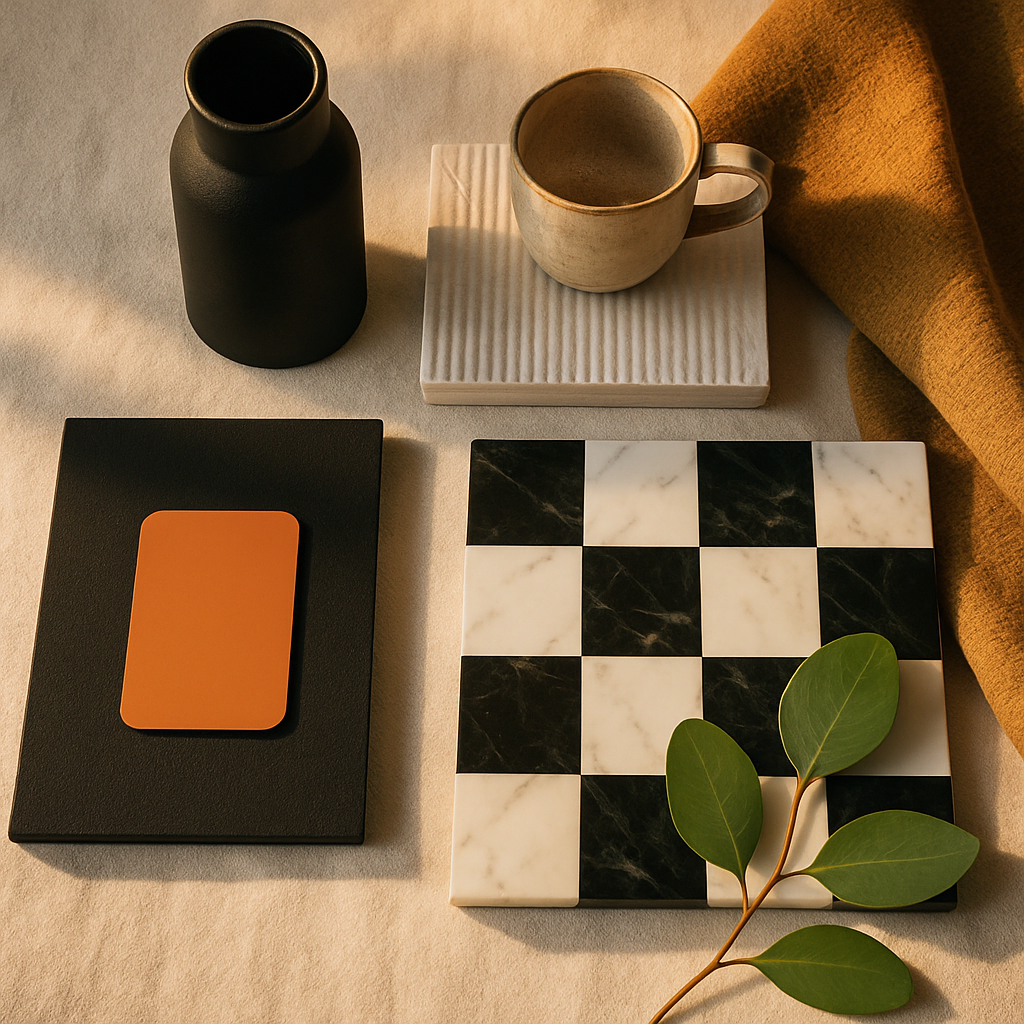
Have you ever walked into a room and felt immediately at peace? This could be the magic of modern interior design trends at work. According to a recent survey by Houzz, 77% of homeowners are actively updating their interiors to reflect contemporary styles. These transformations not only enhance your living space but can also boost your home's resale value by 5-15%. In this article, we will explore the top 10 modern interior design trends that are currently reshaping homes across the globe. From biophilic design that brings the outside in, to smart home integration that offers unparalleled convenience, these trends are not just about aesthetics but about creating more functional and sustainable living environments. Prepare to delve into the foundational concepts, analyze data-backed insights, and uncover expert advice that can help you reimagine your home.
Biophilic Design: Bringing Nature Indoors
The concept of biophilic design is rooted in the idea that humans have an innate connection to nature. This trend emphasizes the use of natural materials, such as wood and stone, and elements like indoor plants to create a calming, nature-inspired environment. Research from the University of Exeter indicates that incorporating natural elements can enhance mood and productivity by up to 15%. You might consider adding a living wall or using wooden furniture to achieve this look. Why not start with a few potted plants in your living room or a bamboo accent in your bathroom?
Beyond aesthetics, biophilic design also promotes sustainability, which is a growing concern for many homeowners. By choosing eco-friendly materials like reclaimed wood or sustainably sourced textiles, you contribute to a healthier planet. According to Architectural Digest's AD PRO network, designers often recommend these materials for their durability and timeless appeal. Have you considered how your material choices impact the environment?
In essence, biophilic design not only transforms your home into a serene oasis but also promotes a sustainable lifestyle. As you plan your next redesign, think about how you can incorporate natural elements into your space. This trend sets the stage for a home that feels both refreshing and environmentally conscious.
Smart Home Integration: Convenience Meets Style
Incorporating smart technology into your home is more than a trend; it's a transformation of how we interact with our living spaces. The integration of smart lighting, climate control, and automated window treatments offers both convenience and energy efficiency. According to a study by the American Institute of Architects (AIA), 40% of new homes now include some form of smart technology. Imagine controlling your home's lighting and temperature from your smartphone, creating the perfect ambiance with just a few taps.
Smart home integration goes beyond functionality; it enhances the aesthetic appeal of your space. Sleek, modern devices blend seamlessly with contemporary decor, eliminating the clutter of traditional controls and wires. The use of voice-activated systems like Amazon Alexa or Google Home further simplifies your daily routines. Have you explored how smart technology can enhance your home's design?
For those looking to update their homes, investing in smart technology can also increase property value. The convenience and efficiency of smart systems are attractive features for potential buyers, making them a worthwhile investment. As you consider updating your home, think about how smart technology can improve both the function and style of your living spaces.
Quiet Luxury: Understated Elegance
Quiet luxury is all about creating spaces that exude elegance without shouting for attention. This trend focuses on high-quality materials, subtle color palettes, and minimalist designs that prioritize comfort and sophistication. According to industry professionals, this approach can transform a home into a tranquil retreat, offering a haven from the chaos of everyday life.
One key aspect of quiet luxury is the selection of materials. Opt for cashmere throws, silk curtains, or leather accents that add a touch of opulence without overwhelming the senses. The International Interior Design Association (IIDA) suggests that these materials not only enhance comfort but also signify a refined taste in design. Have you considered how the texture and quality of your furnishings contribute to your home's overall atmosphere?
Implementing quiet luxury in your home requires a thoughtful approach to design. Focus on creating harmonious spaces that reflect a sense of balance and tranquility. This trend encourages you to embrace simplicity, allowing each element of your decor to shine in its own right. When planning your next interior update, think about how you can incorporate the principles of quiet luxury to create a peaceful and elegant environment.
Sustainable and Reclaimed Materials: A Future-Focused Approach
As environmental awareness grows, more homeowners are turning to sustainable and reclaimed materials to reduce their carbon footprint. This trend involves using materials that are either recycled or sustainably sourced, ensuring that your home is both stylish and eco-friendly. According to the American Society of Interior Designers (ASID), using reclaimed wood can reduce the need for new logging by up to 40%.
Sustainable design not only benefits the environment but also adds unique character to your home. Reclaimed materials often come with a rich history, offering a story that new materials cannot replicate. Imagine a dining table made from reclaimed barn wood, each mark telling a story of its past life. Have you explored the charm that reclaimed materials can bring to your interior spaces?
Incorporating sustainable materials into your home design is a practical choice for those looking to make environmentally conscious decisions. Whether it's recycled glass countertops or bamboo flooring, these materials offer durability and a one-of-a-kind aesthetic. As you plan your remodel, consider how sustainable choices can enhance both the style and sustainability of your home.
Japandi: The Fusion of Japanese Minimalism and Scandinavian Warmth
Japandi is a seamless blend of Japanese minimalism and Scandinavian warmth, creating spaces that are both functional and inviting. This trend emphasizes clean lines, neutral tones, and natural materials, resulting in interiors that are serene yet cozy. According to Houzz, Japandi is gaining popularity among homeowners seeking simplicity and functionality in their decor.
A key feature of Japandi design is its focus on functionality. Every piece of furniture serves a purpose, eliminating clutter and promoting a sense of calm. The use of natural materials like wood and linen enhances the connection to nature, a core principle of both Japanese and Scandinavian design philosophies. Have you considered how the principles of Japandi could simplify and enhance your living space?
Incorporating Japandi elements into your home can create a harmonious and balanced environment. Focus on neutral color palettes, simple furniture, and natural textures to achieve this look. As you explore new design possibilities, think about how the fusion of these two styles can bring both beauty and practicality to your home.
Current Trends: The Intersection of Style and Functionality
The modern interior design landscape is constantly evolving, with new trends emerging that combine style with functionality. Whether it's the use of AR/VR tools for room visualization or the incorporation of sustainable materials, today's trends are about creating spaces that are both beautiful and practical. Experienced professionals often note that the most successful designs are those that balance aesthetics with everyday usability.
One emerging trend is the use of augmented and virtual reality tools in the design process. These technologies allow homeowners to visualize their spaces before making any changes, ensuring that the final result meets their expectations. According to NCIDQ (National Council for Interior Design Qualification), these tools are becoming increasingly popular among designers for their ability to streamline the design process.
As you consider updating your home, think about how these modern trends can enhance both the style and functionality of your space. Whether you're drawn to the simplicity of Japandi or the convenience of smart home technology, the possibilities are endless. These trends offer a roadmap for creating a home that reflects your personal taste while meeting your practical needs.
Conclusion: Transforming Your Home with Modern Trends
The world of interior design is rich with opportunities to transform your home into a space that is both functional and aesthetically pleasing. By embracing trends like biophilic design, smart home integration, and sustainable materials, you can create a living environment that reflects your values and enhances your daily life. As you embark on your design journey, remember that the key to a successful transformation lies in balancing style with functionality.
Ready to start your design transformation? Begin by exploring designer portfolios on platforms like Houzz and Instagram to gather inspiration. Even dedicating just 20 minutes a week to research can sharpen your eye for design and help you make informed decisions. Don't hesitate to reach out to certified professionals who can guide you through the process and bring your vision to life.



Comments
Post a Comment