Discover the Latest Trends in Interior Design: Creative Ideas for Every Room
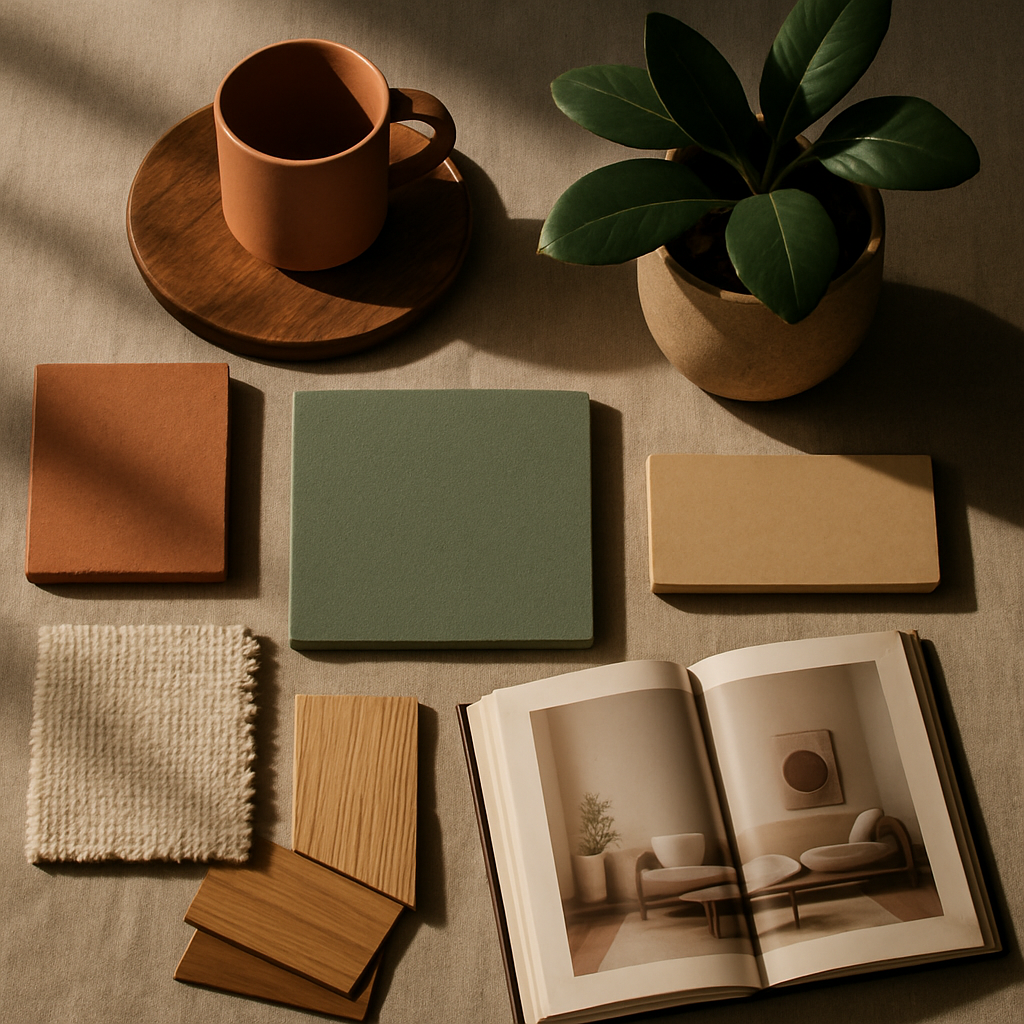
Interior design has always reflected the way we live, and current trends show a growing emphasis on personal wellbeing, environmental responsibility, and technological integration. Whether you are planning a full renovation or simply refreshing a single room, understanding where professional design is headed can help you make choices that feel both contemporary and timeless. The American Society of Interior Designers (ASID) reports that homeowners who work with certified professionals are significantly more satisfied with their outcomes, and the investment often pays for itself in increased property value. From living rooms that embrace biophilic design to kitchens that blend smart home integration with natural materials, the possibilities are broader and more accessible than ever before. This guide walks you through the most impactful current trends and offers practical ideas you can apply to every room in your home. Have you considered how much your daily environment affects your mood, productivity, and overall sense of calm? The answer, backed by research from organizations like the International Interior Design Association (IIDA), is that it matters far more than most people realize.
Biophilic Design Brings Nature Indoors
Biophilic design is no longer a niche concept reserved for high-end commercial spaces. It has firmly entered residential interiors, driven by mounting evidence that natural elements reduce stress and improve cognitive function. The core principle is straightforward: incorporate living plants, natural light, organic materials, and views of nature into your home wherever possible. Designers certified through the NCIDQ (National Council for Interior Design Qualification) increasingly recommend moss walls, indoor water features, and large-format windows as foundational elements rather than afterthoughts. The cost of implementing biophilic elements varies widely, but most designers charge between $150 and $500 per hour for consultation, and a full living room redesign incorporating these principles typically runs $5,000 to $15,000 per room.
Practical applications extend well beyond adding a few potted plants to your windowsill. Consider natural stone countertops in the kitchen, reclaimed wood accent walls in the bedroom, or a living herb garden built into your mudroom cabinetry. Cork and bamboo flooring have gained popularity as sustainable alternatives to hardwood, offering warmth and texture without the environmental cost. Houzz trend reports consistently show that homes featuring biophilic elements receive more saves and shares than conventional designs, suggesting that this aesthetic resonates deeply with contemporary homeowners. Lighting plays a critical role too: circadian-rhythm-aligned fixtures that shift color temperature throughout the day can simulate the experience of being outdoors even in windowless rooms.
The beauty of biophilic design is its scalability. A renter on a tight budget can introduce trailing pothos plants, a tabletop fountain, and linen curtains to transform a sterile apartment into a space that feels alive. A homeowner with more resources might invest in a greenhouse breakfast nook or a courtyard visible from multiple rooms. The key is intentionality: every natural element should serve both an aesthetic and a functional purpose. What spaces in your home feel disconnected from the natural world, and what would it take to change that? As biophilic design continues to gain momentum, its principles are increasingly influencing other major trends, including the Japandi movement that merges Eastern and Western minimalism.
Japandi Aesthetics Merge Simplicity and Warmth
Japandi, the design hybrid that blends Japanese minimalism with Scandinavian functionality, has evolved from a social media buzzword into a fully realized design philosophy. At its heart, Japandi values craftsmanship, restraint, and the idea that fewer well-chosen pieces create more impact than a room full of decorative objects. AD PRO has featured numerous projects where designers use this approach to create spaces that feel simultaneously spare and inviting. The palette tends toward muted earth tones: charcoal, warm beige, sage green, and soft clay. Furniture lines are clean but not cold, often featuring hand-finished wood, woven textiles, and ceramics with visible maker's marks.
Applying Japandi principles room by room yields different results depending on function. In a bedroom, it might mean a low-profile platform bed with linen bedding, a single piece of wall art, and a wabi-sabi inspired nightstand with intentional imperfections. In a bathroom, think freestanding soaking tubs, pebble-tile shower floors, and vanities crafted from light ash or oak. The kitchen version prioritizes hidden storage, integrated appliances, and open shelving for a curated selection of handmade pottery. Designers working in this style often charge on a project percentage basis, typically 10 to 25 percent of the total project cost, which aligns their incentives with delivering maximum impact from every dollar spent.
What makes Japandi enduringly appealing rather than trendy is its philosophical foundation. Both Japanese and Scandinavian design traditions emphasize respect for materials, connection to nature, and the elimination of excess. These are not values that go out of style. If you are drawn to spaces that feel calm and considered rather than decorated, Japandi offers a framework that can guide decisions for years. The discipline of editing, of choosing what not to include, is perhaps the most valuable skill this movement teaches. That same spirit of intentional restraint also informs how designers are approaching sustainable materials across every style and budget level.
Sustainable Materials Redefine Quality and Craft
Sustainability in interior design has moved well past the token gesture phase. Clients and designers alike now expect that materials be evaluated not just for appearance and durability but for their full lifecycle impact, from extraction through disposal. ASID has published guidelines encouraging members to prioritize recycled, reclaimed, and rapidly renewable materials in every project. Concrete alternatives made from hempcrete, countertops fabricated from recycled glass, and upholstery fabrics woven from ocean-recovered plastic are no longer experimental curiosities. They are readily available through mainstream suppliers and featured regularly on platforms like Houzz and AD PRO.
The economics of sustainable materials have shifted dramatically in recent years. Reclaimed barn wood, once significantly more expensive than new lumber, is now competitively priced due to increased supply chains and consumer demand. Low-VOC paints and finishes are standard at most price points. Even luxury materials like natural plaster and lime wash, which contain no synthetic chemicals, have become accessible through brands that sell direct to consumers. A designer who charges $150 to $500 per hour will typically help you navigate these options and identify where sustainable choices offer the best value, both financially and environmentally. The IIDA has noted that projects specifying sustainable materials increasingly win industry awards, signaling a permanent shift in professional standards.
Beyond material selection, sustainable design also encompasses longevity. Choosing a solid hardwood dining table that will last fifty years is inherently more sustainable than buying a particleboard version every five years, even if the upfront cost is higher. This perspective aligns well with the growing quiet luxury movement, which values understated quality over conspicuous consumption. Investing in fewer, better things reduces waste and creates spaces that feel grounded rather than disposable. The intersection of sustainability and technology is equally compelling, as smart home systems now offer tools to monitor and reduce a home's environmental footprint in real time.
Smart Home Integration Goes Beyond Gadgets
Smart home integration has matured considerably from the early days of voice-activated speakers and app-controlled lightbulbs. Current systems offer whole-home orchestration that adapts to your routines without requiring constant input. Motorized window treatments that respond to sunlight levels, HVAC systems that learn your preferred temperatures by room and time of day, and kitchen appliances that communicate with each other to streamline meal preparation are all commercially available. The NCIDQ now includes technology integration questions in its certification exam, reflecting how central these systems have become to professional practice. Designers who understand both aesthetics and technology command premium rates, often at the upper end of the $150 to $500 per hour range.
The design challenge with smart home technology has always been visibility. Early adopters often ended up with rooms cluttered by visible wiring, wall-mounted tablets, and devices that looked like they belonged in a server room rather than a living space. Current best practice conceals technology entirely. Speakers disappear behind acoustically transparent fabric panels. Charging stations hide inside drawer compartments. Touchscreen controls are replaced by gesture-sensitive surfaces that look like ordinary wall panels. This invisible integration is what separates a truly designed smart home from one that simply has smart devices scattered throughout it. Houzz surveys indicate that seamless technology integration is now among the top five features buyers look for in a home.
For homeowners considering smart home upgrades, the most impactful investments tend to be lighting control, climate management, and security. These three systems deliver daily quality-of-life improvements and meaningful energy savings. A professionally designed smart lighting plan, for example, can reduce electricity usage by 30 percent while creating dramatically better ambiance. AR and VR visualization tools now allow designers to show clients exactly how these systems will look and function before any installation begins, removing much of the guesswork that once made technology integration feel risky. The visual sophistication of these planning tools has also opened new possibilities for how designers approach color and texture throughout the home.
Color and Texture Trends for Current Interiors
Color trends in interior design shift more gradually than fashion forecasts might suggest. The current direction favors rich, saturated earth tones: terracotta, olive, deep plum, and warm ochre. These replace the cool grays and stark whites that dominated for the past decade. ASID color forecasting panels have noted a collective desire for spaces that feel enveloping and grounded rather than airy and detached. This does not mean dark and heavy. The skill lies in pairing deep wall colors with lighter furnishings and strategic natural light to create depth without gloom. Designers often recommend testing paint samples on large boards placed in different parts of the room over several days before committing to a color.
Texture has become equally important as color in defining a room's character. The quiet luxury trend emphasizes tactile richness: bouclé upholstery, hand-troweled plaster walls, fluted wood paneling, and layered rugs that invite barefoot walking. These textures create visual interest without relying on bold patterns or busy prints. AD PRO has highlighted numerous projects where a monochromatic palette gains extraordinary depth through texture alone, proving that restraint and richness are not mutually exclusive. The cost of implementing textural variety depends heavily on scale, but even modest budgets can achieve impact through strategic choices like a textured throw pillow collection or a single statement wall in venetian plaster.
One particularly effective approach combines color and texture in a tonal layering technique. Choose a single color family, say warm clay, and then introduce it across multiple textures: a matte-finish wall paint, a nubby linen sofa in a slightly lighter shade, terracotta tile flooring, and copper hardware accents. The result reads as sophisticated and intentional without the complexity of coordinating multiple colors. This technique works in every room and at every budget level, making it one of the most versatile tools in a designer's repertoire. Understanding how color and texture work together is also essential preparation for tackling the unique challenges and opportunities that different rooms present.
Room-by-Room Application of Current Trends
The living room remains the primary showcase for design trends because it serves the widest range of functions. Current living rooms succeed when they balance sociability with personal retreat. A sectional sofa in a natural fabric anchors the room, while modular seating elements allow reconfiguration for different occasions. Biophilic elements like a large-scale fiddle leaf fig or a vertical garden wall become natural focal points. Smart lighting with multiple zones, from bright task lighting for reading to dim ambient settings for evening gatherings, transforms the room's mood without changing any physical element. IIDA research shows that living rooms designed with flexibility in mind are used 40 percent more frequently than those with fixed, formal layouts.
Kitchens and bathrooms, the rooms where trends meet practical demands most intensely, are seeing a move toward warmer, more residential aesthetics. The all-white clinical kitchen is giving way to spaces with wood-toned cabinetry, open shelving, and integrated dining areas that blur the line between cooking and gathering. In bathrooms, spa-like features once reserved for luxury hotels, including rainfall showers, heated towel rails, and Japanese-style toilets, are becoming standard in mid-range renovations. Budget expectations should account for these rooms being the most expensive to renovate, typically $10,000 to $15,000 or more per room, with designers frequently charging their full hourly rate of $150 to $500 for the detailed specification work these spaces require.
Bedrooms and home offices round out the room-by-room application. The bedroom trend is toward sanctuary-like spaces: blackout window treatments, sound-dampening materials, and circadian lighting that supports healthy sleep patterns. Technology is present but invisible, with charging integrated into nightstands and speakers built into headboards. Home offices, now a permanent fixture in most homes, benefit from Japandi-influenced design that minimizes visual distraction while incorporating ergonomic furniture and proper task lighting. AR/VR visualization has proven especially valuable for these rooms, allowing homeowners to test desk placement, monitor positions, and storage solutions before purchasing a single item. How might your daily productivity change if your workspace were designed with the same care as a professional studio?
Bringing It All Together: Your Next Steps
The current landscape of interior design offers more tools, more inspiration, and more professional support than at any previous moment. Whether biophilic design, Japandi minimalism, sustainable materials, or smart home integration resonates most strongly with you, the common thread is intentionality. Every trend discussed here rewards thoughtful planning over impulsive purchasing. Organizations like ASID, IIDA, and NCIDQ maintain directories of certified professionals who can guide your project from concept through completion, and platforms like Houzz provide extensive galleries to refine your visual preferences before your first consultation. The investment, whether $150 for an initial consultation or $15,000 for a full room transformation, is an investment in how you experience your daily life.
Start by identifying the one room that would benefit most from attention, then define what "better" means for that specific space. Is it more natural light? Fewer distractions? A stronger connection to nature? A clear objective makes every subsequent decision easier and prevents the scope creep that inflates budgets and timelines. Take photographs of your current space, create a folder of inspiration images, and schedule consultations with two or three designers to compare approaches and chemistry. The right designer will listen more than they talk during that first meeting. Your home is not a showroom; it is the physical context of your life, and it deserves the same care and creativity you bring to every other aspect of it. Contact a local ASID-certified designer this week to begin the conversation about what your spaces could become.
More Articles You May Like


Comments
Post a Comment