Inside the Mind of a Designer: How Interior Design Studios Create Magic
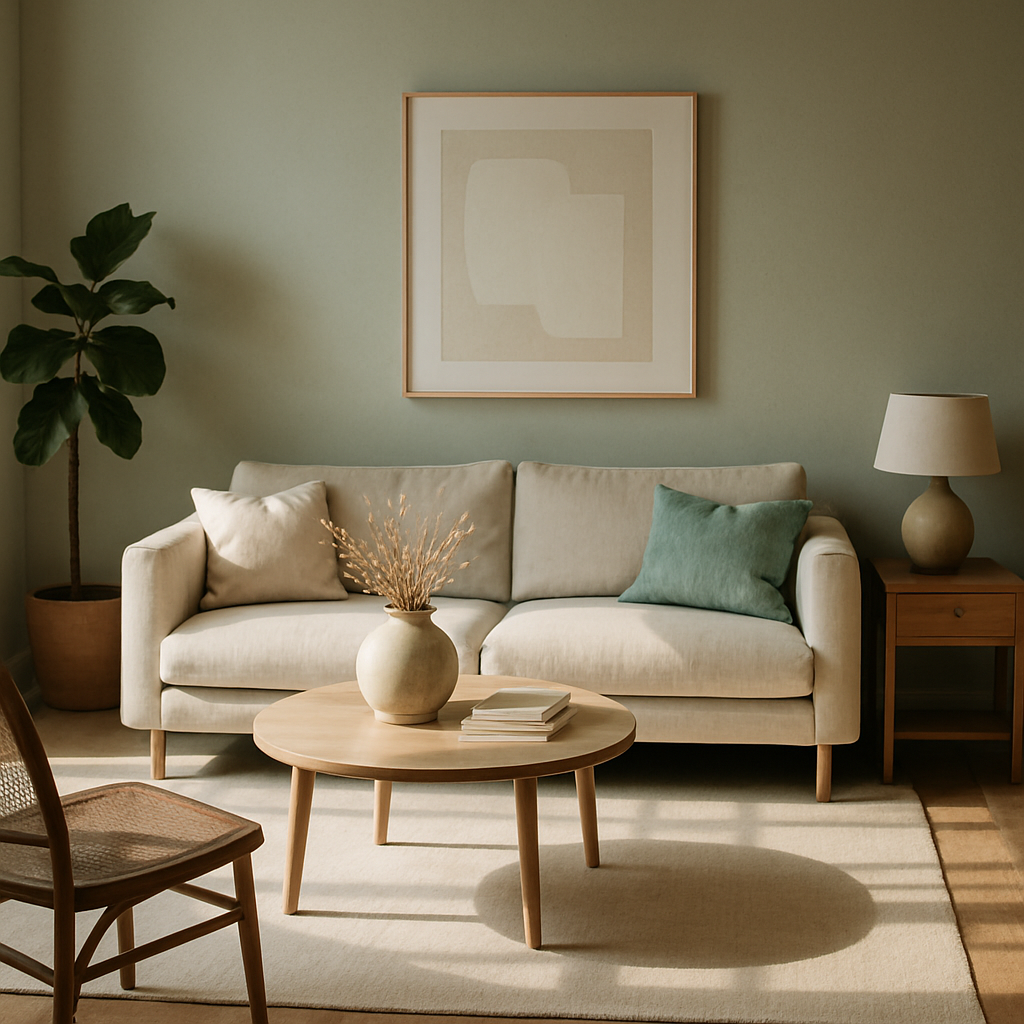
Have you ever walked into a room and felt an immediate sense of awe, wondering how such a space came to be? According to a survey by the American Society of Interior Designers (ASID), 85% of homeowners recognize the impact of professional design on their well-being. This compelling statistic underscores the transformative power of skilled interior designers who blend art, science, and psychology to craft spaces that don't just look beautiful but also feel right. This article will take you inside the mind of a designer to unravel how interior design studios create magic, delving into their foundational concepts, the data-driven strategies they employ, and the expert techniques they use to bring a vision to life. Whether you're contemplating a redesign or simply curious about the process, this journey will illuminate the intricate dance between creativity and functionality.
Understanding the Foundational Concepts
The magic of interior design begins with a deep understanding of foundational concepts that guide every project. At its core, design is about creating harmony between form and function. Designers use principles like balance, contrast, and rhythm to orchestrate spaces that feel cohesive and inviting. For instance, balance can be achieved through symmetrical arrangements, where elements on either side of a central point mirror each other, or through asymmetrical designs that offer visual interest without perfect symmetry.
Another key concept is scale and proportion, which ensures that furniture and decor fit harmoniously within a space. Imagine a tiny coffee table dwarfed by a massive sofa-such mismatches disrupt the visual flow. Experienced professionals often note that understanding scale is crucial in maximizing both aesthetics and utility. This concept extends beyond furniture placement to include ceiling heights, window sizes, and even artwork.
Color theory also plays a pivotal role in the designer's toolkit. Colors can evoke emotions, alter perceptions of space, and even influence behavior. A designer might choose cool blues and greens for a calming bedroom environment, while opting for vibrant reds and oranges to energize a living room. By mastering these foundational concepts, designers lay the groundwork for creating spaces that resonate on multiple levels, setting the stage for the more complex processes to follow.
The Role of Data and Analysis
Today, data plays an increasingly important role in interior design. According to Houzz's annual survey, homeowners are spending more on renovations, with an average expenditure of $15,000 per project. This trend reflects a growing emphasis on data-driven design decisions that maximize return on investment. Designers use tools like AR/VR visualization and smart home integration to tailor their designs to client preferences and lifestyle needs.
Designers also rely on demographic and psychographic data to inform their choices. Understanding the lifestyle, cultural background, and personal preferences of clients allows designers to create spaces that truly reflect their clients' identities. For example, a family with young children might prioritize durable, stain-resistant fabrics, while a tech-savvy homeowner may seek seamless smart home technology integration.
Experienced designers continuously track industry trends and innovations. Platforms like Architectural Digest's AD PRO provide valuable insights into emerging styles, such as Japandi-a fusion of Japanese minimalism and Scandinavian warmth-and biophilic design, which incorporates natural elements and enhances indoor-outdoor flow. These insights enable designers to present clients with options that are not only stylish but also cutting-edge, ensuring the final design stands the test of time.
Actionable Strategies for Clients
For clients looking to embark on an interior design project, understanding the strategies that professionals employ can be incredibly beneficial. One essential strategy is the concept development phase, where designers and clients collaborate to establish the project's vision and scope. During this phase, clients are encouraged to articulate their goals, preferences, and budget, which helps in shaping a tailored design plan.
Another actionable strategy is to engage in thorough design presentations. Designers typically use mood boards, sketches, and digital renderings to convey their ideas. Clients should take this opportunity to provide feedback and ask questions. What aspects of the design resonate with you? Are there elements that require adjustment? This dialogue is crucial in refining the design before moving to the procurement phase.
Finally, clients should consider the logistics of the installation and styling phases. This includes scheduling, managing potential disruptions, and coordinating with contractors. Clear communication and realistic timelines can help mitigate stress and ensure a smoother process. By understanding these strategies, clients can actively participate in the design journey, resulting in spaces that truly reflect their aspirations and needs.
Expert Techniques for Stunning Results
Beyond foundational concepts and data analysis, interior designers employ a variety of expert techniques to achieve stunning results. One such technique is layering, which involves combining different textures, materials, and patterns to add depth and interest to a space. This might include pairing a sleek leather sofa with a plush wool rug or juxtaposing modern art with vintage furnishings.
Lighting is another critical element that can dramatically alter the ambiance of a room. Designers often use a mix of ambient, task, and accent lighting to create versatile spaces that cater to different moods and functions. For instance, installing dimmable recessed lights can provide both general illumination and intimate ambiance, while strategically placed lamps can highlight artwork or architectural features.
Designers also focus on creating seamless transitions between spaces, especially in open-plan homes. Visual cues like consistent flooring materials or color palettes can help delineate areas without the need for physical barriers. This approach not only enhances flow but also maintains the design's overall coherence. By mastering these techniques, designers ensure that every detail contributes to the space's overall harmony and appeal.
Going Beyond the Basics
For those seeking to delve deeper into the world of interior design, understanding the nuances that differentiate a good design from a great one is essential. Certified interior designers, holding credentials like the NCIDQ (National Council for Interior Design Qualification), bring an elevated level of expertise and professionalism. These credentials ensure that designers adhere to industry standards and ethical practices.
One area where certified designers excel is in sustainable and eco-friendly design practices. By incorporating reclaimed materials and energy-efficient systems, designers not only reduce environmental impact but also create healthier living spaces. This approach aligns with the growing demand for sustainability in design, as evidenced by trends reported by the International Interior Design Association (IIDA).
Moreover, certified designers often have access to exclusive resources and networks. They can source unique materials and furnishings not readily available to the public, adding a bespoke element to their projects. Clients working with certified designers can expect a higher level of customization and attention to detail, ensuring that their investment yields a space that is both functional and extraordinary.
Final Perspectives on the Design Process
As you consider your next interior design project, reflect on how these insights might influence your approach. Do you see the value in engaging a certified professional, or are you inspired to take a more hands-on role in the design process? Understanding the intricate balance of creativity, strategy, and expertise that designers bring can empower you to make informed decisions.
Ultimately, the magic of interior design lies in its ability to transform not just spaces, but also lives. A well-designed home can enhance your daily routines, offer comfort and inspiration, and even increase your property's value by 5-15%, according to industry surveys. Whether you choose to work with a professional or embark on a DIY project, the principles and strategies outlined here can serve as a valuable guide.
Remember, your home is a reflection of who you are. By thoughtfully considering each element, from foundational concepts to expert techniques, you can create a space that is uniquely yours. As you embark on your design journey, keep these insights in mind to ensure your home not only looks beautiful but also feels right.
Conclusion
In conclusion, the art of interior design is a complex yet rewarding endeavor. By delving into the mind of a designer, we've uncovered the foundational concepts, data-driven strategies, and expert techniques that contribute to creating magical spaces. Whether you're hiring a professional or tackling a project yourself, these insights offer a roadmap to achieving stunning results.
As you move forward, consider exploring platforms like Houzz and Pinterest for inspiration, or consult with certified designers through networks like ASID and IIDA. Start by browsing portfolios on these platforms this week-even 20 minutes of research will sharpen your eye for what you want. With the right approach and resources, you can transform any space into one that inspires and delights.



Comments
Post a Comment