Curtain Rod Styles That Double as Decorative Statement Pieces
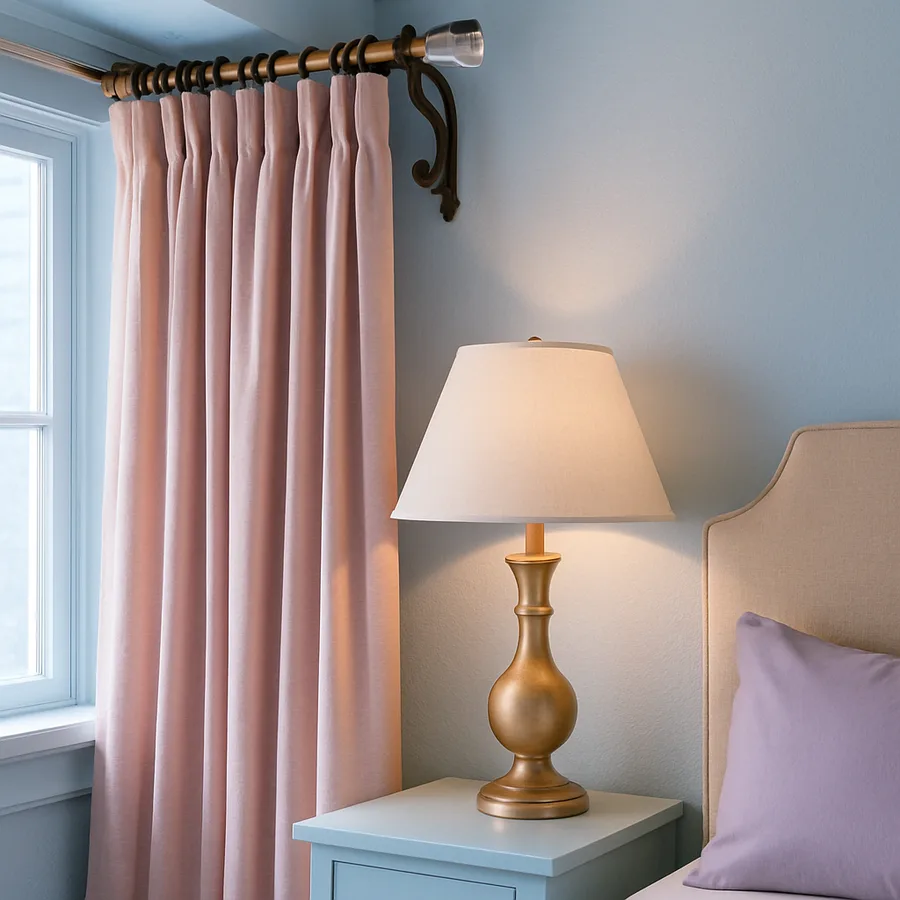
Window treatments receive significant attention from homeowners and designers, yet the hardware that supports them is frequently treated as an afterthought. Curtain rods occupy a visible position at the top of every dressed window, sitting at or above eye level where they frame the entire composition. When chosen with intention, they become architectural accents that enhance a room's design language as meaningfully as crown molding, door hardware, or light fixtures. The difference between a forgettable rod and a statement-making one often comes down to material, finish, proportion, and end details, all of which deserve the same deliberate consideration that goes into choosing the fabric that hangs below them.
The American Society of Interior Designers (ASID) has noted in multiple reports that hardware selection is one of the most commonly overlooked elements in residential decorating projects. According to a survey published by Houzz, over 67 percent of homeowners who completed window treatment projects said they wished they had spent more time selecting their curtain hardware. This statistic reflects a broader pattern in home design where structural and supporting elements receive less creative energy than the features they hold, even though they occupy equally prominent visual real estate. A curtain rod that blends into the wall above a window represents a missed opportunity to add character, contrast, and intentional design to a room.
Thinking of curtain rods as decorative elements rather than purely functional supports changes the way you approach the entire window treatment decision. It means considering the rod's profile, thickness, color, texture, and terminal details as part of the room's overall material palette. It means choosing brackets that complement nearby fixtures rather than defaulting to whatever comes in the box. And it means sizing the rod to extend properly beyond the window frame, both for functional light control and for the visual effect of making windows appear wider and more generous than they actually are. This guide walks through the major categories of decorative curtain rods, the design contexts where each excels, and the practical considerations that ensure your statement hardware performs as well as it looks.
Whether you are furnishing a newly built home, refreshing a single room, or systematically upgrading every window in your house, the rod you select sets the tone before the curtains ever move. The following sections cover wrought iron, brass and gold-toned metals, wood, acrylic, industrial pipe, and mixed-material designs, each with guidance on where they work best and how to install them for maximum visual and functional impact.
Wrought Iron Rods for Bold Architectural Character
Wrought iron curtain rods carry a visual weight that few other materials can match. Their hand-forged appearance, characterized by subtle surface irregularities, matte or hammered finishes, and sculptural end pieces, gives them a presence that reads as both strong and artisanal. In rooms with high ceilings, large windows, or heavy drapery fabrics like velvet and brocade, wrought iron rods provide the structural authority needed to anchor the composition. They do not disappear into the wall; they announce themselves as deliberate design choices that frame the window with the same confidence as a picture frame around a painting.
The finish options available in wrought iron have expanded considerably beyond basic matte black. Contemporary manufacturers offer oil-rubbed bronze, antique pewter, rust-patina, and even whitewashed iron finishes that suit a broader range of interior styles. Matte black remains the most versatile, working equally well in traditional, transitional, industrial, and modern farmhouse settings. Oil-rubbed bronze adds warmth and pairs beautifully with rich wood tones and leather furnishings. Rust-patina finishes suit eclectic and bohemian interiors where a sense of age and collected character is part of the design intent. The National Association of Home Builders (NAHB) reported that matte black hardware finishes saw a 34 percent increase in specification across residential projects between 2021 and 2024, reflecting the sustained popularity of this versatile tone.
Finials are where wrought iron rods make their strongest decorative statement. Options range from simple ball and spear tips to elaborate scrollwork, fleur-de-lis motifs, twisted cage designs, and leaf-inspired forms. The finial should relate to other decorative elements in the room without duplicating them exactly. A scroll finial in a room with a wrought iron staircase railing creates a sense of material continuity without being heavy-handed. A spear tip in a room with angular modern furniture adds a period-mixing tension that many designers find compelling. Choosing finials that are slightly oversized relative to the rod diameter creates a more pronounced decorative effect, while finials that match the rod's thickness produce a more understated, integrated look.
Installation considerations for wrought iron rods differ from lighter materials because of their substantial weight. Wall-mounted brackets must anchor into studs or use appropriate heavy-duty wall anchors, and the bracket spacing should not exceed 40 inches for rods carrying heavy drapes. Center support brackets are essential for spans longer than 60 inches to prevent the rod from bowing under the combined weight of iron and fabric. Have you noticed a slight sag in the middle of a long curtain rod? That almost always indicates either insufficient bracket support or a rod diameter too small for the span. For wrought iron rods, a minimum diameter of 1 inch is recommended for spans up to 72 inches, and 1.25 inches for anything wider.
Brass and Gold-Toned Rods That Elevate Any Space
Brass curtain rods have experienced a dramatic resurgence that mirrors the broader return of warm metals in interior design. After decades of brushed nickel and chrome dominance, brass and gold-toned finishes have reclaimed their position as markers of intentional, elevated design. A brass curtain rod introduces warmth, richness, and a sense of permanence that cooler metals cannot replicate. The material's natural tendency to develop a patina over time adds a living quality that many homeowners find appealing, though lacquered and sealed options are available for those who prefer a consistent bright finish.
The spectrum of brass and gold finishes available today gives designers precise control over the warmth and tone of their hardware. Polished brass delivers a high-shine, reflective surface that suits formal and glamorous interiors. Satin brass offers a softer glow with less reflection, making it the most versatile option for contemporary spaces. Antique brass carries green and brown undertones that pair well with traditional furnishings, aged wood, and earthy color palettes. Brushed gold, which is technically a plated finish rather than solid brass, provides the warm tone at a lower price point and works well in spaces where the rod is visible but not a primary focal point. The American Society of Interior Designers identified satin brass as the most specified metal finish for residential window hardware in their annual trend report.
Coordinating brass rods with other metals in the room is a question that generates significant anxiety among homeowners, but the answer is more forgiving than most people assume. The contemporary design consensus permits and even encourages mixing metals, provided there is a dominant metal that appears on the majority of fixtures and a secondary metal used as an accent. A brass curtain rod in a kitchen with stainless steel appliances works if the brass appears in at least one other location, such as cabinet pulls, a light fixture, or a faucet. The goal is not perfect matching but intentional repetition that reads as a curated choice rather than an oversight.
Brass rods pair exceptionally well with specific curtain fabrics and colors. Navy, emerald green, deep burgundy, and charcoal fabrics create striking contrast against brass that highlights both the metal's warmth and the fabric's depth. White and cream curtains against brass produce a classic, timeless combination that works in virtually any room style. Blush pink and soft terracotta fabrics pick up brass's warm undertones and create a monochromatic warmth that feels cohesive and intentional. The one combination to approach with caution is brass rods with yellow or gold-toned fabrics, which can create an overwhelming wash of warm color that lacks the contrast needed to make either element stand out. If you want your brass rod to function as a statement piece, pair it with fabrics that offer enough chromatic distance to let the metal shine on its own terms.
Wooden Rods and the Warmth of Natural Materials
Wood curtain rods bring an organic warmth to window treatments that metal simply cannot replicate. The visible grain patterns, natural color variations, and tactile quality of timber create a connection to the natural world that resonates particularly well in rooms where comfort and approachability are design priorities. Wooden curtain rods are available in species ranging from lightweight pine and poplar to heavyweight oak, walnut, and mahogany, each carrying distinct visual characteristics that influence the room's material story. The choice of wood species should relate to other timber present in the space, whether that means matching the floor stain, complementing furniture wood tones, or deliberately contrasting to create visual interest.
Stain and finish options expand the design range of wood rods well beyond their natural color. Light whitewash and pickled finishes suit coastal, Scandinavian, and modern farmhouse interiors. Medium honey and golden oak stains work in traditional and transitional settings. Dark walnut, espresso, and ebony stains bring drama and formality that rivals the visual weight of wrought iron. Painted wood rods in matte white, soft gray, or even bold colors like navy or forest green offer yet another layer of possibility, allowing the rod to either disappear against a matching wall color or pop as a deliberate accent line above the window.
The diameter of a wood rod significantly affects its visual presence and structural performance. Thin rods of 1 to 1.5 inches suit lightweight curtains in smaller windows and read as delicate and refined. Medium rods of 2 inches work for most standard windows and can support moderate-weight fabrics. Large rods of 2.5 to 3 inches create a substantial presence suited to grand windows, tall ceilings, and heavy fabrics, serving as genuine furniture-grade elements in the room. According to the Window Covering Manufacturers Association (WCMA), wood rods exceeding 72 inches in length should use center support brackets regardless of diameter, as the natural flexibility of wood makes it more prone to bowing than metal rods of equivalent thickness.
One practical consideration with wood rods is their sensitivity to humidity and temperature fluctuations. In bathrooms, kitchens, and other moisture-prone spaces, wood rods can warp, swell, or develop finish problems over time. Sealed and lacquered hardwoods resist these issues better than raw or lightly finished softwoods, but for high-moisture environments, composite wood rods or metal rods with a wood-grain finish may be more practical alternatives. Do you live in a climate with significant seasonal humidity swings? If so, allow your wood rods to acclimate in the room for at least 48 hours before installation, which reduces the risk of warping after the brackets are secured.
Acrylic and Lucite Rods for a Modern Floating Effect
Acrylic curtain rods, often marketed under the Lucite brand name, offer a design effect that no other rod material can achieve: visual transparency. An acrylic rod allows the wall color, wallpaper, or architectural detail behind it to remain fully visible, creating the illusion that the curtains are floating without visible support. This effect is particularly powerful in small rooms where a traditional rod would add visual clutter, in spaces with decorative wall finishes that you want to remain unobstructed, and in contemporary interiors where material lightness and visual simplicity are core design values.
Clear acrylic is the most common option, but the material is also available in frosted, tinted, and colored variations. Frosted acrylic softens the rod's edges and gives it a subtle presence without full transparency. Smoke-tinted acrylic adds a sophisticated gray tone that suits modern and industrial interiors. Colored acrylics in black, white, and various tones can function as deliberate design accents while maintaining the material's characteristic glossy surface. The hardware industry has also introduced acrylic rods with embedded metallic elements, such as gold or silver flake suspended within the clear material, which creates a sparkling effect that works in glamorous and art deco-inspired spaces.
Structural limitations are the primary practical concern with acrylic rods. Acrylic is significantly less rigid than metal and slightly less rigid than hardwood, which means it is more prone to bowing under heavy loads. Most manufacturers recommend acrylic rods only for lightweight to medium-weight fabrics, and maximum span lengths are typically shorter than equivalent metal rods. For windows wider than 60 inches, a center support bracket is almost always necessary, and for windows wider than 96 inches, acrylic may not be the appropriate choice unless the rod is primarily decorative and the curtains are sheer or lightweight. Architectural Digest recommends reserving acrylic rods for windows where the aesthetic benefit of transparency outweighs the structural limitations, rather than treating them as universal replacements for traditional materials.
Cleaning and maintenance of acrylic rods require specific care to preserve their clarity. Standard glass cleaners containing ammonia can cloud acrylic surfaces over time, so a dedicated acrylic cleaner or a simple solution of mild dish soap and water is recommended. Microfiber cloths prevent the fine scratches that paper towels and rough fabrics can leave on the surface. Unlike metal rods that develop character with age, acrylic rods look their best when they are kept crystal clear, which means periodic cleaning is not optional but essential to maintaining the design effect that justified their selection. For homeowners who prefer low-maintenance hardware, this ongoing care requirement is worth considering before committing to acrylic.
Industrial Pipe Rods and Unconventional Hardware
The use of industrial pipe as curtain hardware emerged from the broader industrial design movement and has proven to be more than a passing trend. Black iron pipe, galvanized steel conduit, and copper plumbing pipe all serve effectively as curtain rods while introducing a raw, utilitarian aesthetic that speaks to authenticity and material honesty. These materials are inherently strong, widely available at hardware stores, and relatively inexpensive compared to purpose-built decorative rods. Their appeal lies in the visible acknowledgment of function, the same quality that makes exposed brick, ductwork, and concrete floors attractive in industrial-inspired interiors.
Black iron pipe is the most popular choice for industrial curtain rods because its dark matte finish and threaded connections create an unmistakably utilitarian look. Standard half-inch and three-quarter-inch pipe sizes work well for most residential windows, with the larger diameter providing both more visual weight and greater structural rigidity. Pipe fittings, including floor flanges for wall mounting, elbows for returns, and tees for center supports, are all available at plumbing supply stores and can be assembled without specialized tools. This accessibility has made pipe curtain rods a favorite of DIY enthusiasts, and the total material cost for a single window typically falls between fifteen and thirty dollars, a fraction of the price of comparable decorative metal rods.
Copper pipe curtain rods occupy an interesting middle ground between industrial utility and decorative warmth. New copper has a bright, pinkish-gold tone that suits modern and eclectic interiors, while aged copper develops a green-brown patina that feels more rustic and organic. The patina process can be accelerated with vinegar and salt treatments if you prefer the aged look without waiting years for natural oxidation. Copper pipe is softer than iron and can bend under heavy fabric loads on long spans, so it is best suited to windows under 72 inches wide or to lightweight fabrics on wider windows. The Copper Development Association notes that copper's natural antimicrobial properties make it an interesting choice for kitchens and bathrooms, though this benefit is admittedly secondary to its aesthetic appeal in most residential applications.
Beyond traditional pipe, unconventional rod materials continue to push the boundaries of window hardware design. Driftwood branches, vintage oars, repurposed tool handles, and even thick rope have all been used as curtain supports in contexts where the hardware is intended to tell a specific story about the space. A driftwood branch rod in a coastal bedroom or a vintage ski pole rod in a mountain cabin connects the window treatment to the broader narrative of the room in a way that manufactured hardware cannot replicate. These unconventional choices work best as singular focal points rather than repeated throughout a home, where their novelty might become overwhelming. Have you considered what story your curtain hardware tells about your room? Even a conventional rod tells a story, whether it is one of quiet elegance, bold modernity, or casual indifference, and choosing to tell that story intentionally is the difference between decorating and designing.
Brackets, Rings, and the Details That Complete the Look
The brackets that mount a curtain rod to the wall deserve the same design consideration as the rod itself, because they are fully visible and contribute to the overall hardware composition. Standard utilitarian brackets in stamped metal serve their structural purpose but add nothing to the room's aesthetic. Decorative brackets in cast iron, forged steel, or machined brass transform the mounting hardware into an extension of the rod's design story. Ornate scroll brackets suit traditional and wrought iron rods. Clean, geometric L-shaped brackets complement modern and minimalist hardware. Ceiling-mounted brackets, which attach to the ceiling rather than the wall above the window, create a vertical line that draws the eye upward and makes both the window and the room feel taller.
The projection of the bracket, meaning the distance it holds the rod away from the wall, has both functional and aesthetic implications. A shallow projection of 2 to 3 inches works for flat panels and lightweight sheers that drape close to the window. A deeper projection of 4 to 6 inches is necessary when curtains must clear window trim, blinds, or shades mounted inside the frame. In layered window treatments where sheers and drapes hang on separate rods, the outer rod needs enough projection to clear the inner layer without compressing the fabric. The Window Covering Safety Council also recommends that rod projections in children's rooms maintain at least 3 inches of clearance from any cord or chain mechanisms on blinds or shades to prevent entanglement hazards.
Curtain rings are another detail element that can either support or undermine the overall hardware design. Rings that match the rod's finish and material create a seamless, unified look. Contrasting rings, such as brass rings on a matte black rod, create deliberate tension that highlights both elements. Clip rings, which grip the fabric without requiring a sewn pocket or tab, offer maximum flexibility because they allow fabric to hang in natural, unpinched folds. For a call to action, take a close look at every window in your home and assess whether your current hardware is working with your design or merely holding up fabric. Upgrading rods, brackets, and rings is one of the most cost-effective ways to transform a room's character without touching the walls, furniture, or floor.
Ring size relative to rod diameter affects how smoothly curtains glide when opened and closed. Rings should have an inner diameter at least half an inch larger than the rod's outer diameter to slide freely without binding. Rings that fit too tightly create friction and uneven bunching, while rings that are dramatically oversized look disproportionate and tilt at odd angles when the curtain is closed. For heavy curtains that are drawn frequently, consider rings with nylon or felt liners that reduce friction and noise against the rod surface. These liners are nearly invisible but make a meaningful difference in the daily experience of using the curtains, which is an important consideration given that curtains are one of the few decorative elements in a home that are physically handled every day.
Conclusion
Curtain rods occupy a unique position in interior design as elements that are simultaneously structural, functional, and decorative. Every material explored in this guide, from the commanding weight of wrought iron to the transparent lightness of acrylic, offers a distinct set of visual and practical characteristics that can elevate a window treatment from ordinary to exceptional. The key insight is that rod selection should be an intentional design decision made in concert with fabric, wall finish, room style, and adjacent hardware rather than a last-minute procurement driven solely by span length and price.
The practical dimensions of rod selection, including material strength, bracket spacing, appropriate diameter for span length, and proper installation into structural wall members, are just as important as aesthetics. A beautiful rod that bows in the middle or pulls away from the wall under the weight of its curtains fails at its primary job and undermines the visual effect it was chosen to create. Balancing form and function is not a compromise; it is the fundamental discipline of good hardware selection. The resources and guidelines referenced throughout this article provide a solid foundation for making choices that satisfy both dimensions.
Material mixing and unexpected choices represent the frontier of curtain hardware design, and homeowners who are willing to look beyond the conventional options in big-box stores will find a world of possibility. Custom blacksmith work, artisan brass fabrication, reclaimed materials, and creative repurposing all offer paths to window hardware that is genuinely unique and personally meaningful. The most memorable interiors are built on the accumulation of thoughtful details, and a curtain rod that was chosen with care and intention contributes to that accumulation as surely as any piece of furniture or artwork in the room.
Whether your next project involves a single window or an entire house, approach the rod selection with the same energy and attention you would give to choosing a dining table or a sofa. Stand in the room, consider the light, evaluate the existing materials, and select hardware that speaks the same design language as everything around it. The result will be windows that feel finished, intentional, and unmistakably yours, framed by hardware that earns its place as a decorative statement piece in its own right.
More Articles You May Like



Comments
Post a Comment