Plaster Range Hoods as Statement Pieces in Kitchen Design
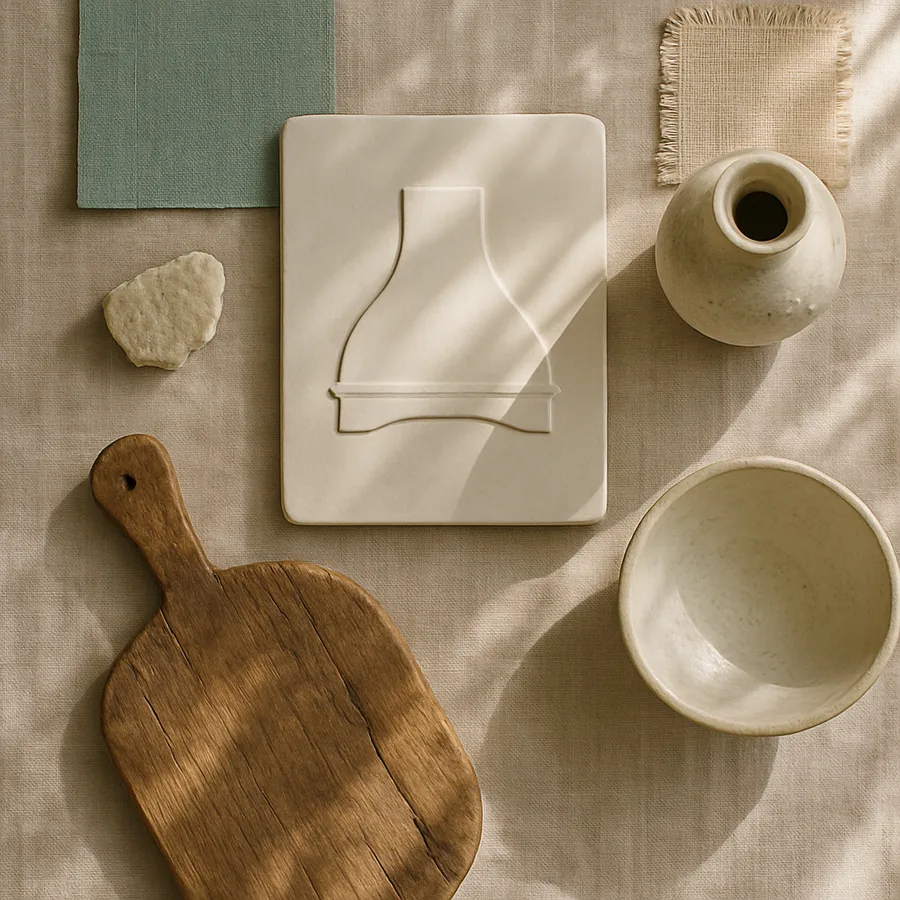
Why the Plaster Range Hood Has Captured the Design World
Walk into any recently renovated high-end kitchen, and there is a strong chance you will notice something striking above the cooktop. Plaster range hoods have moved from niche European farmhouses to the center of mainstream kitchen design, and their appeal shows no signs of slowing. Unlike their stainless steel or wooden counterparts, plaster hoods carry an organic, sculptural quality that turns a functional appliance into an architectural focal point. The smooth, hand-finished surfaces catch light in subtle ways that manufactured materials simply cannot replicate. Designers across the country now cite plaster hoods as one of the most requested kitchen upgrades among homeowners seeking a refined yet approachable aesthetic.
The American Society of Interior Designers (ASID) reported in its Outlook and State of Interior Design survey that kitchen renovations remain the single most common residential design project, with range hood selection ranking among the top five decisions clients discuss with their designers. This statistic underscores just how central the hood has become to the overall kitchen vision. A plaster hood does not merely ventilate; it anchors the room's entire design language. It tells a story of craftsmanship and intentional choice that resonates with anyone who steps into the space.
Part of the appeal lies in the material's versatility. Plaster can be shaped into gentle curves, sharp geometric profiles, or flowing asymmetric forms depending on the design intent. It accepts paint, limewash, and venetian plaster finishes with equal grace, meaning homeowners are not locked into a single look. Have you ever considered how much a single overhead element can shift the mood of an entire room? The range hood occupies prime visual real estate, sitting at eye level in the most frequently used area of most homes, which makes it an ideal candidate for a bold design statement.
What makes plaster particularly compelling is its historical pedigree. Plaster construction techniques date back thousands of years, and the material has been used in grand European estates, Mediterranean villas, and Provencal kitchens for centuries. Modern artisans have adapted these time-tested methods to suit contemporary construction standards, creating hoods that are both structurally sound and visually stunning. The result is a kitchen element that feels simultaneously ancient and fresh, bridging tradition and modern taste in a way few other materials can achieve.
Anatomy of a Plaster Range Hood: Materials and Construction
Understanding how a plaster range hood is built helps explain both its beauty and its cost. The process typically begins with a structural frame, often constructed from lightweight metal or medium-density fiberboard, that defines the hood's shape and supports the ventilation insert. This frame is then wrapped in metal lath or a mesh substrate that gives the plaster something to grip. Skilled tradespeople apply multiple coats of plaster by hand, building up layers that are sanded, shaped, and smoothed between applications. The entire process can take several days, and the best results come from artisans who have spent years perfecting their technique.
The National Kitchen and Bath Association (NKBA) emphasizes the importance of proper ventilation capacity regardless of hood material, recommending a minimum of 100 CFM per linear foot of cooktop for standard residential installations. Plaster hoods accommodate commercial-grade ventilation inserts from manufacturers like Vent-A-Hood and Zephyr, so performance need not be sacrificed for aesthetics. The plaster shell is purely decorative and structural, while the internal blower and ductwork handle the actual air management. This separation of form and function gives designers enormous freedom to shape the exterior without worrying about engineering constraints on airflow.
Finish options multiply the design possibilities even further. A raw plaster surface can be left in its natural matte state for a chalky, Mediterranean feel, or it can be sealed and polished to a soft sheen. Limewash finishes add depth and subtle color variation that changes with the light throughout the day. Venetian plaster techniques create a richer, more luminous surface that pairs well with marble countertops and brass hardware. Some designers even apply micro-cement or tadelakt finishes for a waterproof surface with an earthy, tactile quality. Each finish creates a fundamentally different mood, which is why the same basic hood shape can look at home in settings ranging from rustic to ultra-modern.
Cost is a practical consideration that deserves honest discussion. A custom plaster range hood typically runs between three thousand and eight thousand dollars depending on size, complexity, and finish, though elaborate designs with intricate corbels or integrated shelving can push higher. This places plaster hoods in a premium category compared to stock stainless options, but well below the cost of carved stone or hand-hammered copper alternatives. For homeowners who view the kitchen as the heart of their home and plan to stay for years, the investment often feels proportional to the visual impact it delivers.
Design Styles That Pair Naturally With Plaster Hoods
The beauty of a plaster range hood is that it refuses to be confined to a single aesthetic. In Mediterranean and Spanish Colonial kitchens, a bell-shaped plaster hood with a rough-hewn texture feels entirely authentic, echoing the plastered walls and terracotta floors that define the style. The hood becomes an extension of the architecture rather than an appliance bolted to the wall. Designers working in this idiom often extend the plaster treatment to adjacent walls or create an integrated alcove effect that makes the cooking area feel like a dedicated hearth within the larger kitchen.
Modern farmhouse kitchens have embraced plaster hoods with particular enthusiasm. The clean lines of a tapered or straight-sided plaster hood in bright white provide the perfect counterpoint to shiplap walls, open shelving, and reclaimed wood beams. Houzz data indicates that searches for plaster and plaster-style range hoods have increased substantially over recent years, reflecting the broader shift toward organic, handcrafted elements in kitchen design. The farmhouse application typically favors simpler profiles with minimal ornamentation, letting the material's inherent warmth do the visual heavy lifting.
Contemporary and minimalist kitchens might seem like unlikely candidates for plaster hoods, but the pairing can be extraordinarily effective. A sleek, geometric plaster hood with crisp edges and a polished finish creates a monolithic, almost sculptural presence that aligns perfectly with the clean-lined ethos of modern design. When the hood is color-matched to the surrounding cabinetry or walls, it becomes a subtle textural element rather than a loud statement, adding depth without clutter. This approach has gained traction among architects who want warmth in their minimalist spaces without resorting to the industrial coldness of exposed metal.
Transitional kitchens, which blend traditional and contemporary elements, may be the single most natural home for plaster hoods. The material itself occupies a middle ground between old-world craft and modern simplicity, making it a bridge element that ties together mixed-era design choices. A plaster hood can anchor a kitchen that features both Shaker-style cabinetry and sleek quartz countertops, providing a visual through-line that makes the combination feel intentional rather than confused. The American Institute of Architects (AIA) has noted the growing preference for transitional design in residential projects, and plaster hoods fit squarely within that trend.
Sizing, Proportion, and Placement Considerations
Getting the proportions right is arguably the most critical aspect of a successful plaster hood installation. A hood that is too small for the space will look like an afterthought, while one that is too large can overwhelm the kitchen and make the ceiling feel lower than it is. The general guideline is that the hood should extend at least three inches beyond the cooktop on each side, but plaster hoods often benefit from slightly more generous proportions because their visual weight reads differently than hard-edged metal alternatives. Designers frequently mock up the hood dimensions with cardboard or foam board before committing to construction, and this simple step can prevent expensive mistakes.
Ceiling height plays a decisive role in determining the hood's vertical profile. In kitchens with standard eight-foot ceilings, a plaster hood must be carefully proportioned to avoid a top-heavy appearance. A shallower taper or a more compact bell shape works well in these spaces, maintaining visual balance while still delivering the sculptural impact that makes plaster hoods desirable. Kitchens with nine- or ten-foot ceilings, on the other hand, can accommodate taller, more dramatic profiles that draw the eye upward and make the hood a true architectural centerpiece. Vaulted or cathedral ceilings open up even more possibilities, including hoods that extend upward into the roof structure for a chimney-like effect.
The relationship between the hood and surrounding elements requires careful orchestration. How does the hood interact with upper cabinetry, floating shelves, or windows that flank the cooktop? Successful installations create a sense of visual breathing room around the hood, often leaving six to twelve inches of clear wall space on either side before adjacent elements begin. This negative space allows the hood's sculptural form to register fully without feeling cramped. Some designers eliminate upper cabinets entirely on the hood wall, replacing them with open shelving or decorative tile that frames the hood without competing with it.
Lighting deserves special attention in plaster hood installations. The smooth, matte surface of plaster responds beautifully to both natural and artificial light, but harsh overhead downlights can create unflattering shadows on curved profiles. Recessed lighting positioned to wash the hood's surface from above, combined with under-hood task lighting for the cooktop, creates a layered effect that highlights the plaster's texture while keeping the work surface well illuminated. Some designers integrate subtle LED strips along the hood's lower edge or within corbel details for a soft glow that emphasizes the hood's form during evening hours.
Maintenance and Long-Term Care for Plaster Surfaces
One of the most common concerns homeowners raise about plaster range hoods is durability, and it is a fair question given the hood's proximity to heat, steam, and cooking oils. The good news is that properly finished and sealed plaster is remarkably resilient in kitchen environments. A quality sealer creates an invisible barrier that prevents grease absorption and makes routine cleaning straightforward. Most plaster hood owners find that a soft damp cloth is sufficient for regular maintenance, with a mild soap solution reserved for more stubborn spots. The key is addressing splashes and grease accumulation promptly rather than allowing them to build up over weeks or months.
The finish type significantly affects maintenance requirements. Sealed and waxed plaster surfaces are the most forgiving, offering a degree of stain resistance that makes daily life around the cooktop less stressful. Limewash finishes, while beautiful, are more porous and may require periodic reapplication to maintain their appearance, typically every two to three years depending on use. Venetian plaster and tadelakt finishes fall somewhere in between, offering good durability with moderate maintenance needs. Discussing the practical implications of each finish option with your installer before committing ensures that expectations align with reality.
Minor chips and dings are an inevitable part of life with any kitchen surface, and plaster is no exception. The advantage of plaster, however, is that repairs are relatively simple for a skilled plasterer. Small imperfections can be filled, sanded, and refinished to match the surrounding surface, often in a single visit. This repairability gives plaster a significant edge over materials like porcelain or glass, where damage often means full replacement. Over time, some homeowners even come to appreciate the slight patina that develops on well-used plaster surfaces, viewing it as evidence of a kitchen that is truly lived in rather than merely displayed.
Seasonal changes can affect plaster surfaces, particularly in climates with significant humidity swings. Plaster is a breathable material that absorbs and releases moisture from the air, which is generally a positive attribute but can occasionally lead to hairline cracks in extreme conditions. These micro-cracks are typically cosmetic rather than structural and can be addressed during routine maintenance. Running a kitchen exhaust fan consistently during cooking, which you should be doing regardless of hood material, helps moderate the humidity levels that plaster encounters and extends the finish's lifespan considerably.
Working With Professionals: Finding the Right Artisan
The quality of a plaster range hood depends almost entirely on the skill of the person building it, which makes choosing the right artisan or fabrication company one of the most important decisions in the process. Not all plasterers have experience with range hood construction, and the combination of structural framing, ventilation integration, and decorative finishing requires a specific skill set that general contractors rarely possess. Seeking out specialists who focus on architectural plaster work, or companies that specifically manufacture plaster hoods, dramatically improves the odds of a successful outcome. The American Society of Interior Designers maintains referral resources that can help connect homeowners with qualified professionals in their area.
When evaluating potential artisans, requesting a portfolio of completed hood installations is essential. Photographs should show the hood from multiple angles and in different lighting conditions, since plaster's beauty lies in its surface quality and that quality is difficult to assess from a single image. If possible, ask to visit a completed installation in person. Running your hand across a well-finished plaster surface and seeing how it interacts with natural light provides information that no photograph can convey. References from previous clients offer additional insight into the artisan's reliability, communication style, and willingness to address any issues that arise after installation.
The design process itself should be collaborative. A good plaster hood artisan will want to understand the kitchen's overall design direction, review architectural drawings or photos, and discuss finish options in detail before proposing a specific design. They should be willing to create sample finish boards so you can evaluate texture and color in your own kitchen's lighting conditions. According to the Architectural Digest design resource network, the most successful custom kitchen elements result from close collaboration between the homeowner, the kitchen designer, and the specialty fabricator, with all three parties aligned on vision and practical requirements from the outset.
Timeline expectations should be established early in the conversation. A custom plaster range hood typically requires four to eight weeks from design approval to installation, accounting for frame fabrication, plaster application and curing, and finish work. Rush timelines are possible but may compromise quality, particularly during the curing phase where patience yields the best results. Planning the hood installation early in the kitchen renovation sequence allows the plaster to fully cure and settle before the final wave of cabinetry, countertop, and backsplash installation, reducing the risk of accidental damage during subsequent construction activity.
Conclusion: Making the Plaster Hood Work for Your Kitchen
A plaster range hood represents a meaningful investment in both aesthetics and craftsmanship, transforming the most prominent feature of the kitchen into a piece of functional art. Whether your taste runs toward rustic Mediterranean warmth, clean modern lines, or the comfortable middle ground of transitional design, plaster offers a material vocabulary flexible enough to speak any of these languages fluently. The tactile, handmade quality of plaster connects the kitchen to centuries of building tradition while feeling thoroughly contemporary in execution. Few other design choices deliver this combination of visual impact, material warmth, and stylistic versatility at a comparable price point.
The practical considerations, from ventilation requirements to maintenance routines, are manageable with proper planning and professional guidance. The NKBA reports that homeowners who invest in custom kitchen features like specialty range hoods report higher satisfaction with their renovation outcomes than those who opt exclusively for stock components, a finding that aligns with the broader trend toward personalization in residential design. The key is approaching the decision with realistic expectations about cost, timeline, and maintenance, and partnering with skilled professionals who can translate your vision into reality.
If a plaster range hood has been lingering on your inspiration board, the next step is straightforward: schedule consultations with two or three plaster artisans or specialty fabricators in your region, bring photos of hoods you admire, and start a conversation about what is possible within your kitchen's dimensions and budget. The journey from concept to completed hood is one of the more rewarding aspects of a kitchen renovation, and the result is a feature you will appreciate every time you walk into the room.
Are you ready to move beyond mass-produced kitchen components and invest in a hood that reflects genuine craftsmanship? Start by exploring portfolios from plaster specialists and scheduling in-home consultations to see how this timeless material can transform your kitchen into something truly distinctive.
More Articles You May Like



Comments
Post a Comment