Creating a Fun Dining Experience: McDonald's Adult Happy Meals and Interior Aesthetics
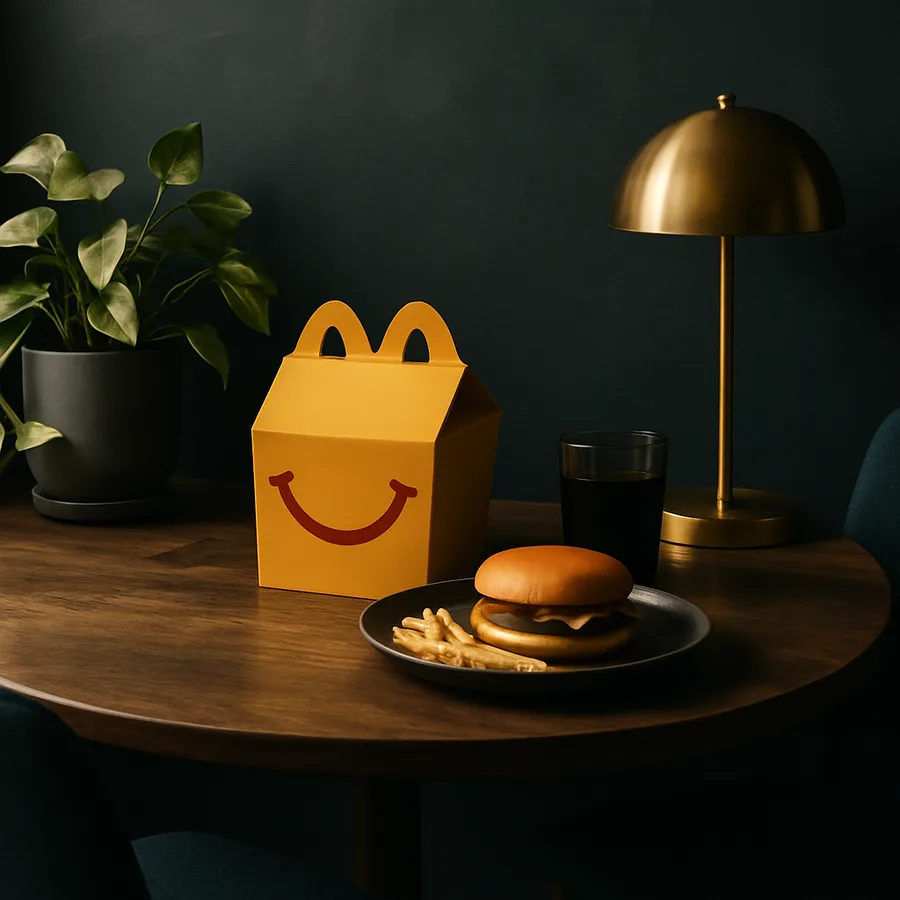
The intersection of fast food culture and interior design might seem unlikely at first glance, but the launch of McDonald's adult Happy Meals sent shockwaves through both the culinary and design communities. When the golden arches partnered with Cactus Plant Flea Market to release collectible figurines in retro-styled boxes, adults lined up around the block, not just for the food, but for the experience. This phenomenon reveals something deeper about how we crave playful, nostalgic aesthetics in every aspect of our lives, including the spaces where we eat. According to the American Society of Interior Designers (ASID), dining spaces that evoke emotional connections see a 34% higher satisfaction rating among homeowners. The convergence of branded experiences and home design offers a fascinating lens through which to examine modern interior aesthetics.
Interior designers have long understood that dining is about far more than sustenance. It is a multisensory experience shaped by color, texture, lighting, and spatial arrangement. The McDonald's adult Happy Meal campaign tapped into this understanding by packaging a meal as an event, complete with visual branding, tactile collectibles, and a sense of occasion. For homeowners looking to inject that same sense of fun into their dining rooms, the principles at play are remarkably transferable. The International Interior Design Association (IIDA) has noted that experiential design, where spaces are crafted to provoke specific emotional responses, is one of the fastest growing segments in residential interiors. Have you ever considered how the atmosphere of your dining room affects the way your food actually tastes?
The Psychology of Playful Dining Spaces
The success of the adult Happy Meal campaign is rooted in psychological principles that interior designers have leveraged for decades. Nostalgia is a powerful emotional trigger, and when it is woven into physical spaces, it creates environments that feel simultaneously familiar and exciting. Research published by the National Council for Interior Design Qualification (NCIDQ) indicates that spaces designed with nostalgic elements can reduce stress levels by up to 22% compared to sterile, purely functional environments. This is because familiar visual cues activate the brain's reward centers, releasing dopamine and creating positive associations with the space. A dining room that references childhood joy, whether through color, objects, or layout, becomes a place people genuinely want to spend time in.
Consider the core visual language of the McDonald's brand: bold reds, bright yellows, clean whites, and rounded forms. These elements are not accidental. They are the result of decades of research into how color and shape influence appetite, mood, and behavior. Interior designers can borrow from this playbook without creating a space that feels like a restaurant. The key is restraint and reinterpretation. A single accent wall in a warm, saturated red can energize a dining room without overwhelming it. Yellow ceramics or glassware on open shelving can inject cheerfulness. Rounded chair backs and soft-edged tables can make a space feel welcoming and approachable. The goal is to capture the spirit of playfulness, not to replicate a commercial environment.
Houzz's annual design survey found that 61% of homeowners who renovated their dining areas prioritized creating a space that felt "fun and inviting" over one that looked "formal and elegant." This shift in priorities represents a broader cultural movement away from stiff, unused dining rooms and toward spaces that encourage gathering, laughter, and genuine enjoyment. The adult Happy Meal phenomenon is both a symptom and a catalyst of this trend, reminding us that adulthood does not require the abandonment of delight. When was the last time your dining room made you smile before you even sat down?
Color Theory and the Fast Food Palette in Home Design
Color is perhaps the most immediate tool available to interior designers, and the fast food industry has perfected its use over generations. The classic McDonald's palette of red and yellow is grounded in color psychology: red stimulates appetite and creates urgency, while yellow evokes warmth, happiness, and optimism. Translating these principles into a residential dining space requires a nuanced approach that balances vibrancy with livability. ASID guidelines suggest that high-saturation colors work best as accents rather than dominant tones in rooms where people spend extended periods. A dining room drenched entirely in crimson would feel aggressive, but a room with warm neutral walls, a bold red table runner, and golden pendant lighting can achieve a similar energetic effect.
Beyond the primary fast food colors, the adult Happy Meal collaboration with Cactus Plant Flea Market introduced a secondary palette of electric blue, neon green, and deep purple. These unexpected hues reflect a broader trend in interior design toward maximalist color expression. The IIDA has documented a 40% increase in client requests for bold, multi-chromatic interiors since the early part of this decade, a trend accelerated by social media platforms where visually striking spaces earn engagement. For homeowners who want to embrace this energy, the dining room is an ideal testing ground because meals are time-limited experiences, so bolder choices feel less risky than they would in a bedroom or living room.
Practical application of a playful color palette begins with choosing a foundation. Warm whites, soft grays, or natural wood tones provide a canvas that allows accent colors to shine without competing for attention. From there, color can be introduced through tableware, art, upholstery, and lighting. Mismatched chairs in coordinating bold hues can create a sense of curated eclecticism. A single oversized piece of pop art on the wall can anchor the room's personality. The lesson from McDonald's branding is that color should be intentional and confident, not tentative or scattered. Every element should feel like it belongs to a cohesive, joyful story.
Collectibles, Display, and the Art of Curated Nostalgia
One of the most compelling aspects of the adult Happy Meal was the collectible figurine included in each box. These small objects became cultural artifacts almost overnight, traded, displayed, and photographed across social media. This impulse to collect and display is deeply connected to interior design principles around personalization and storytelling. A well-designed dining space tells the story of the people who inhabit it, and curated collections are one of the most effective ways to achieve this. NCIDQ-certified designers frequently recommend that clients identify objects with personal meaning and find intentional ways to incorporate them into their spaces, rather than hiding them away.
The display of collectibles in a dining context has a long and rich history, from china cabinets filled with heirloom porcelain to midcentury modern credenzas showcasing art glass. What the Happy Meal phenomenon adds to this tradition is a democratization of what counts as "worthy" of display. A vintage toy, a limited-edition figurine, a quirky salt and pepper set: these objects carry emotional weight that transcends their monetary value. Interior designers working with the IIDA have emphasized that authenticity in display choices creates spaces that feel genuinely lived-in and loved, as opposed to spaces that look like catalog pages. The question is not whether an object is expensive or prestigious, but whether it sparks joy and conversation.
Practically, displaying collectibles in a dining room requires attention to scale, grouping, and lighting. A single small figurine on a vast shelf will look lost, but a curated grouping of objects at varying heights creates visual interest. Floating shelves, glass-front cabinets, and built-in niches all offer opportunities for display without cluttering the table itself. Accent lighting, such as small LED spotlights or backlit shelving, can elevate a collection from casual to gallery-quality. The key is treating these personal objects with the same design intentionality that a museum would apply to its exhibits, because in your home, your stories are the most important art on display.
Designing for Experience: Lessons from Restaurant Interiors
The restaurant industry invests billions annually in interior design because the physical environment directly impacts customer satisfaction, spending, and return visits. According to a study cited by Houzz, restaurant patrons rate their overall dining experience 28% higher when the interior design is cohesive and intentional, even when the food quality remains constant. This finding has profound implications for residential dining rooms. If the environment can literally change how much people enjoy a meal, then investing design energy into the home dining space is not frivolous but rather deeply practical. McDonald's understood this when it transitioned from plastic seating and fluorescent lights to the warmer, more contemporary interiors seen in many locations globally.
Key restaurant design principles that translate to home dining include zoning, lighting layers, and acoustic management. Zoning means creating distinct areas within a space, perhaps a serving area, the table itself, and a post-meal conversation nook. Layered lighting combines ambient, task, and accent sources so the mood can shift from bright and energetic during a family dinner to soft and intimate for a late evening with friends. Acoustic management, often overlooked in residential design, involves using textiles, upholstery, and wall treatments to reduce echo and create a warm sonic environment. ASID research shows that dining rooms with effective acoustic treatment see a 19% increase in average meal duration, meaning people enjoy the space enough to linger.
The adult Happy Meal concept also highlights the importance of the "unboxing" experience, the ritual of discovery and surprise. In a home dining context, this translates to moments of delight built into the experience: a dramatic serving piece lifted to reveal the meal, a dessert course presented on an unexpected platter, or a table setting that changes seasonally. These small theatrical touches transform routine meals into events. Restaurant designers call this "experiential sequencing," the careful choreography of moments that build anticipation and satisfaction. Bringing even a fraction of this intentionality into your home dining room can transform Tuesday night dinner into something genuinely memorable.
Maximalism, Pop Culture, and the New Dining Room Identity
The adult Happy Meal sits at the intersection of maximalism and pop culture, two forces that are reshaping residential interior design. For years, minimalism dominated design media, promoting the idea that less is more and that a well-designed space should be stripped to its essentials. While minimalism has its merits, particularly in promoting calm and clarity, the cultural backlash has been significant. Homeowners increasingly want spaces that reflect their full, complex personalities, and dining rooms are becoming stages for self-expression. IIDA trend reports indicate that maximalist dining rooms, characterized by bold patterns, mixed materials, and eclectic collections, have grown in popularity by over 35% in recent survey cycles.
Pop culture references in interior design were once considered lowbrow or juvenile, but this perception has shifted dramatically. The success of collaborations like the Cactus Plant Flea Market Happy Meal, along with the broader rise of designer toys, limited-edition home goods, and artist collaborations with major retailers, has legitimized pop culture as a design vocabulary. A framed vintage fast food poster, a neon sign with a playful phrase, or a shelf of designer vinyl figures can coexist beautifully with high-quality furniture and thoughtful spatial planning. The key is confidence: treating these elements not as guilty pleasures but as legitimate design choices that communicate who you are.
Creating a maximalist dining room that feels curated rather than chaotic requires a few guiding principles. First, establish a color story, even within maximalism, there should be a thread of chromatic logic connecting the various elements. Second, vary scale intentionally, combining large statement pieces with smaller detailed objects to create visual rhythm. Third, leave some breathing room. Even the most maximalist spaces benefit from moments of visual rest, a blank section of wall, a clear stretch of table, or a simple floor. These pauses allow the eye to appreciate the richness without feeling overwhelmed. The goal is abundance, not clutter, and the distinction lies in intentionality.
Sustainable Fun: Eco-Conscious Approaches to Playful Dining Design
Any conversation about consumer culture and interior design must address sustainability, and the playful dining aesthetic is no exception. The environmental cost of mass-produced collectibles, disposable packaging, and trend-driven consumption is significant. However, the desire for fun, personality-rich spaces and the commitment to environmental responsibility are not mutually exclusive. ASID's sustainability guidelines encourage designers and homeowners to source vintage and secondhand items, choose durable materials, and invest in quality pieces that will endure beyond trend cycles. A vintage Happy Meal toy from a thrift store carries the same nostalgic charm as a new one, with a fraction of the environmental impact.
Sustainable approaches to playful dining design often yield more interesting results than buying everything new. Upcycled furniture painted in bold colors, vintage restaurant signage, reclaimed wood shelving for displaying collections, and secondhand tableware in eclectic patterns all contribute to a space that feels rich with history and character. The IIDA has championed the concept of "circular design," where materials and objects are kept in use for as long as possible through repair, reuse, and creative repurposing. A dining table made from reclaimed bowling alley lanes, for instance, carries both a sustainability story and a playful aesthetic that no new table could match.
For homeowners committed to both fun and sustainability, the approach is straightforward: buy less, choose well, and make it personal. Instead of purchasing an entire coordinated dining set from a single retailer, build the room over time with found objects, inherited pieces, and carefully selected new items. This slower, more intentional approach not only reduces environmental impact but also creates spaces with genuine depth and individuality. Have you thought about what stories your dining room furniture could tell if each piece came with its own history? The most memorable dining spaces are those that feel accumulated rather than assembled, lived rather than staged.
Conclusion: Bringing Joy to the Table
The McDonald's adult Happy Meal was more than a marketing campaign. It was a cultural moment that revealed our collective hunger for joy, nostalgia, and playfulness in everyday experiences. For interior designers and homeowners alike, the lesson is clear: dining spaces thrive when they are designed to delight. Whether through bold color choices inspired by fast food branding, curated displays of personal collectibles, restaurant-quality lighting and acoustics, or sustainable sourcing of eclectic furnishings, the opportunity to create a fun dining experience at home is vast and accessible. The principles are not complicated: be intentional, be personal, be bold, and never underestimate the power of a space that makes people smile.
As you consider your own dining room, ask yourself what emotions you want the space to evoke. If the answer includes laughter, warmth, surprise, and connection, then the playful design approach explored in this article offers a roadmap. You do not need a massive budget or a professional designer to begin. Start with one bold choice, a vibrant tablecloth, a piece of pop art, a set of mismatched chairs, and let the room's personality grow from there. The ASID, IIDA, and NCIDQ all offer resources for homeowners seeking inspiration, and platforms like Houzz provide endless galleries of real dining rooms that have embraced this joyful aesthetic. Your dining room is waiting to become the best seat in the house.
Ready to transform your dining space into an experience worth savoring? Begin by identifying three objects in your home that spark genuine joy, then find a way to incorporate them into your next dinner setting. Share your playful dining room transformations with your local design community and inspire others to bring more fun to the table.
More Articles You May Like



Comments
Post a Comment