From Recipe to Room: Infusing Your Interior with Chicken Dish Aesthetics
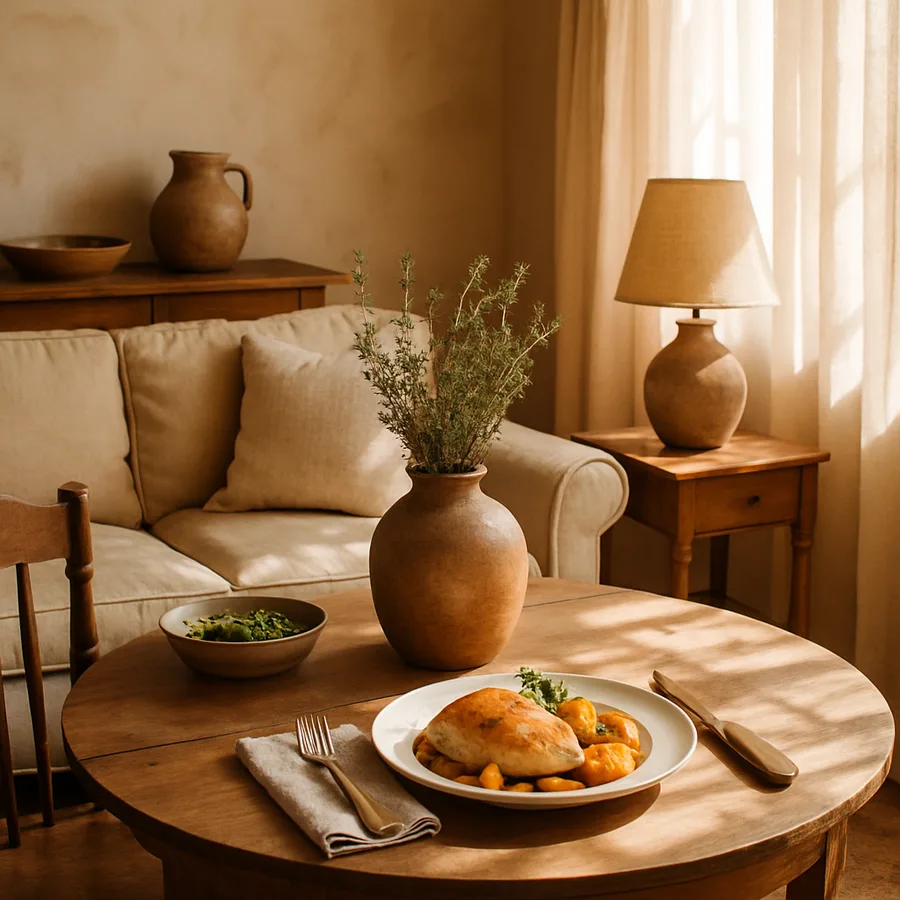
Interior design and culinary arts share a common language rooted in composition, color theory, and sensory engagement. The way a beautifully plated chicken dish commands attention on a dining table mirrors how a well-designed room draws the eye and holds it. Both disciplines demand an understanding of balance, contrast, and the interplay of textures that create a complete sensory experience. What makes this connection particularly compelling is its accessibility -- nearly everyone has stood over a golden-roasted chicken and felt a visceral response to its beauty. That aesthetic response, when analyzed and translated, provides a surprisingly sophisticated foundation for interior design decisions. The American Society of Interior Designers (ASID) has long advocated for design approaches rooted in personal experience rather than abstract trends, and few experiences are more personal than the food we prepare and share. This article explores how the visual principles embedded in chicken dish preparation can transform your approach to designing rooms that feel as nourishing as they look.
The Color Theory Behind Culinary Plating and Room Design
Color theory operates identically whether applied to a plate or a room, making culinary presentations a natural muse for interior palettes. The warm amber of a perfectly caramelized chicken skin, the deep emerald of accompanying roasted broccolini, the russet tones of a pan sauce reduction -- these colors form complementary and analogous relationships that any designer would recognize as sophisticated. The IIDA recommends that homeowners begin color selection by identifying the hues that provoke the strongest positive emotional response, and for many people, those hues are first encountered at the dinner table. A color palette extracted from your favorite chicken dish carries an inherent harmony because the ingredients themselves have evolved to complement one another visually.
The psychological impact of food-inspired color palettes is well documented in design research. Warm tones associated with cooked proteins and roasted vegetables activate feelings of comfort, security, and gathering -- precisely the emotions most homeowners want their living spaces to evoke. A living room painted in the soft gold of a chicken broth, accented with the deep burgundy of a wine reduction and grounded by the charcoal of a cast-iron skillet, creates an environment that feels instinctively welcoming. According to a Houzz survey of over 2,400 homeowners, kitchens and dining rooms featuring warm, food-adjacent color palettes received 35 percent higher satisfaction ratings than those using cool, abstract palettes.
The current quiet luxury trend in interior design aligns remarkably well with the restrained, sophisticated tones found in elevated chicken preparations. Think of the muted sage of a tarragon cream sauce, the understated ivory of a perfectly poached breast, or the subtle warmth of a brown butter baste. These are not loud colors demanding attention but refined tones that create an atmosphere of easy sophistication. Designers holding NCIDQ certification frequently advise clients to avoid trend-driven color choices in favor of palettes with personal resonance. When that resonance connects to the meals you cherish, the resulting design feels inevitable rather than imposed, as if the room had always been waiting for exactly those colors.
Texture as the Bridge Between Plate and Space
Texture is the element that transforms both a chicken dish and a room from merely visual to fully sensory. The contrast between crispy skin and tender meat, between creamy mashed potatoes and crunchy breadcrumb topping, creates the kind of tactile variety that makes a dish memorable. Interior design operates on precisely the same principle -- a room composed entirely of smooth surfaces feels sterile, while one with only rough textures feels chaotic. The magic lives in the contrast, the carefully calibrated interplay between opposing tactile qualities. A velvet sofa beside a reclaimed wood coffee table creates the same satisfying tension as a crispy-skinned chicken breast served alongside silky puree.
The biophilic design movement, which emphasizes natural materials and organic forms, provides a framework for translating culinary textures into interior elements. The rough bark of a smoking plank suggests reclaimed timber wall treatments. The smooth, glossy surface of a lacquered teriyaki glaze finds its parallel in polished stone countertops or high-gloss lacquered furniture. The soft, pillowy quality of steamed dumplings translates into plush upholstery and deep-cushioned seating. ASID research indicates that rooms incorporating at least four distinct textures score significantly higher on comfort and visual interest assessments than those with fewer textural elements. Each texture you introduce adds a layer of sensory richness that makes a room feel complete.
Have you ever noticed how the most Instagram-worthy food photos rely heavily on textural contrast? The same principle drives the most compelling interior photography and, by extension, the most satisfying real-world room experiences. A dining room inspired by the aesthetics of chicken tagine might feature hand-plastered walls with visible trowel marks, smooth brass lantern pendants, woven textile seat cushions, and a polished concrete floor. Each surface tells a different story through touch while contributing to a cohesive visual narrative. The lesson from culinary plating is clear -- variety within unity creates the most engaging experience, whether on a plate or in a room.
Compositional Principles from Plating to Spatial Arrangement
Professional chefs and interior designers both understand that composition -- the arrangement of elements within a defined space -- determines whether the final result feels harmonious or haphazard. The rule of thirds, which governs both photographic composition and plate presentation, applies equally to furniture arrangement within a room. A chicken breast positioned off-center on a plate with height created by stacked vegetables and negative space allowing the sauce to pool artfully demonstrates the same spatial awareness needed to arrange a living room around a focal point. The principles are universal because human visual perception responds consistently to balanced asymmetry.
The concept of focal points translates directly from plate to room. On a beautifully plated chicken dish, the protein is the star -- everything else supports and frames it. In a well-designed room, a single element commands primary attention while supporting elements create context and depth. This might be a statement fireplace surrounded by carefully curated seating, a dramatic piece of art above a dining table, or a striking light fixture that anchors an otherwise neutral space. The National Kitchen and Bath Association emphasizes that rooms with clearly defined focal points feel 25 percent more organized to occupants than rooms where visual attention is diffused across competing elements.
Negative space, the area left deliberately empty, is perhaps the most underappreciated compositional element shared by culinary and interior arts. A plate crowded edge to edge with food feels overwhelming regardless of how delicious its components might be. Similarly, a room filled with furniture and decoration creates visual anxiety rather than comfort. The Japandi design philosophy, which has gained tremendous popularity through its emphasis on restrained beauty, celebrates negative space as an active design element rather than an absence. Allowing walls to breathe, leaving floor space visible between furniture groupings, and resisting the urge to fill every shelf creates the same visual relief as a beautifully sparse plate where each element has room to be appreciated individually.
Cultural Culinary Influences on Room Styling
Every culture that has developed distinctive chicken preparations has simultaneously developed distinctive interior aesthetics, and these parallel traditions offer rich design inspiration. Moroccan cuisine, with its tagine-cooked chicken fragrant with preserved lemons and olives, emerges from spaces defined by intricate geometric tile work, jewel-toned textiles, and arched doorways. Japanese yakitori culture reflects the minimalist precision of rooms with clean lines, natural materials, and intentional emptiness. French rotisserie traditions connect to interiors characterized by elegant simplicity, muted palettes, and the celebration of craftsmanship. Each culinary tradition carries a complete design language waiting to be explored.
The IIDA has documented a significant rise in culturally informed design, with homeowners increasingly seeking interiors that reflect their heritage or aspirational cultural connections rather than generic contemporary aesthetics. A dining room inspired by Southern American fried chicken traditions might feature farmhouse-style wooden tables, vintage enamelware displays, and floral textiles in warm cotton. A space influenced by Peruvian pollo a la brasa culture could incorporate bold geometric patterns, terra cotta pottery, and woven wall hangings in earthy tones. These culturally rooted design choices create rooms with stories to tell, spaces that prompt conversation and connection rather than passive observation.
The key to incorporating cultural culinary aesthetics without descending into pastiche lies in translation rather than replication. Rather than recreating a Moroccan riad in a suburban living room, designers extract the principles -- geometric repetition, warm metallics, layered textiles -- and apply them through locally appropriate materials and contemporary forms. An NCIDQ-certified designer can help navigate this balance, ensuring that cultural inspiration reads as homage rather than appropriation. What culinary traditions resonate most deeply with your family? The answer may reveal an interior design direction you have never considered, one rooted in genuine cultural connection rather than trending hashtags.
The Sensory Design Approach Beyond Visual Elements
Chicken dishes engage all five senses simultaneously -- the sizzle of skin hitting a hot pan, the aroma of herbs releasing their oils, the visual beauty of a golden crust, the satisfying resistance of a perfect bite, and the complex flavor that brings it all together. Interior design, when practiced at its highest level, aspires to the same multisensory engagement. Sensory design extends beyond the visual to encompass how a room sounds, smells, feels underfoot, and even tastes in the metaphorical sense of creating spaces that feel rich and layered. The most memorable rooms, like the most memorable meals, engage the whole person rather than just the eyes.
Acoustic design represents one of the most overlooked sensory dimensions in residential interiors, yet its impact on comfort is profound. A kitchen with hard surfaces -- stone countertops, tile floors, glass backsplash -- amplifies every sound, from the clatter of pans to the hum of appliances. Introducing sound-absorbing elements like upholstered seating, woven rugs, wooden ceiling treatments, and textile window coverings creates the same enveloping warmth as a bubbling pot of chicken soup on a winter evening. ASID guidelines for residential acoustics recommend a mix of hard and soft surfaces in a roughly 60/40 ratio to achieve conversational comfort in kitchen and dining spaces.
Scent architecture, the deliberate use of aroma as a design element, draws the most direct line between culinary and interior arts. The warmth of cinnamon and star anise associated with Chinese five-spice chicken can be evoked through candles, diffusers, or natural potpourri arrangements that extend the culinary experience beyond mealtime. Fresh herb planters positioned throughout a kitchen provide both visual beauty and aromatic atmosphere. The memory-triggering power of scent is unmatched among the senses, and a room that smells like home cooking creates an emotional resonance that no visual element alone can achieve. This is sensory design at its most powerful -- using every available channel to create spaces that feel deeply, personally right.
Seasonal Adaptation in Both Cooking and Design
Just as chicken preparations shift with the seasons -- hearty braises and roasts in winter, grilled and chilled preparations in summer -- interior design benefits enormously from seasonal adaptation. The practice of rotating textiles, adjusting color accents, and modifying lighting to reflect seasonal changes creates rooms that feel alive and responsive rather than static. Heavy wool throws and deep-toned cushions that complement autumn's chicken pot pies give way to linen slipcovers and bright herb-green accents that mirror summer's grilled chicken salads. This seasonal rotation keeps interiors feeling fresh without requiring major investment or renovation.
The concept of seasonal tablescaping has evolved into whole-room seasonal styling, with designers drawing direct inspiration from the seasonal kitchen. A Houzz trend report found that 48 percent of homeowners now practice some form of seasonal decor rotation, up from just 22 percent five years prior. Winter might bring copper-toned accessories, beeswax candles, and rich velvet textiles that evoke the warmth of a roasting kitchen. Spring introduces botanical prints, lighter wood tones, and the soft pastels of a garden herb arrangement. Each seasonal shift connects the visual environment to the rhythms of cooking and eating that mark the passing year.
Creating a seasonal design system requires an initial investment in versatile base pieces and a collection of seasonal accessories. Neutral foundational furniture -- a cream sofa, natural wood dining table, white-walled rooms -- serves as the permanent canvas onto which seasonal elements are layered. This approach mirrors the culinary concept of a master recipe with seasonal variations: the same basic chicken preparation adapted with winter root vegetables or summer stone fruits. Storage for off-season textiles and accessories is essential, and a well-organized rotation system ensures that seasonal transitions feel effortless rather than burdensome. The reward is a home that feels as seasonally attuned as your dinner table.
The connection between culinary aesthetics and interior design runs far deeper than surface-level inspiration. Both disciplines are fundamentally concerned with creating experiences that engage the senses, evoke emotion, and bring people together. The chicken recipes you cherish contain a complete design vocabulary -- color palettes refined over centuries of culinary tradition, textural contrasts that create sensory richness, compositional principles that guide the eye, and cultural narratives that give spaces meaning. By learning to read your favorite dishes as design blueprints, you unlock an approach to interior decoration that is genuinely personal, culturally grounded, and endlessly adaptable to seasonal change. Reach out to an ASID-affiliated interior designer to explore how your culinary passions can inform your next room transformation, and discover that the most inspired interiors begin not with a mood board but with a menu.
More Articles You May Like



Comments
Post a Comment