The Best Headphones for Interior Design Enthusiasts: Sound Meets Aesthetics
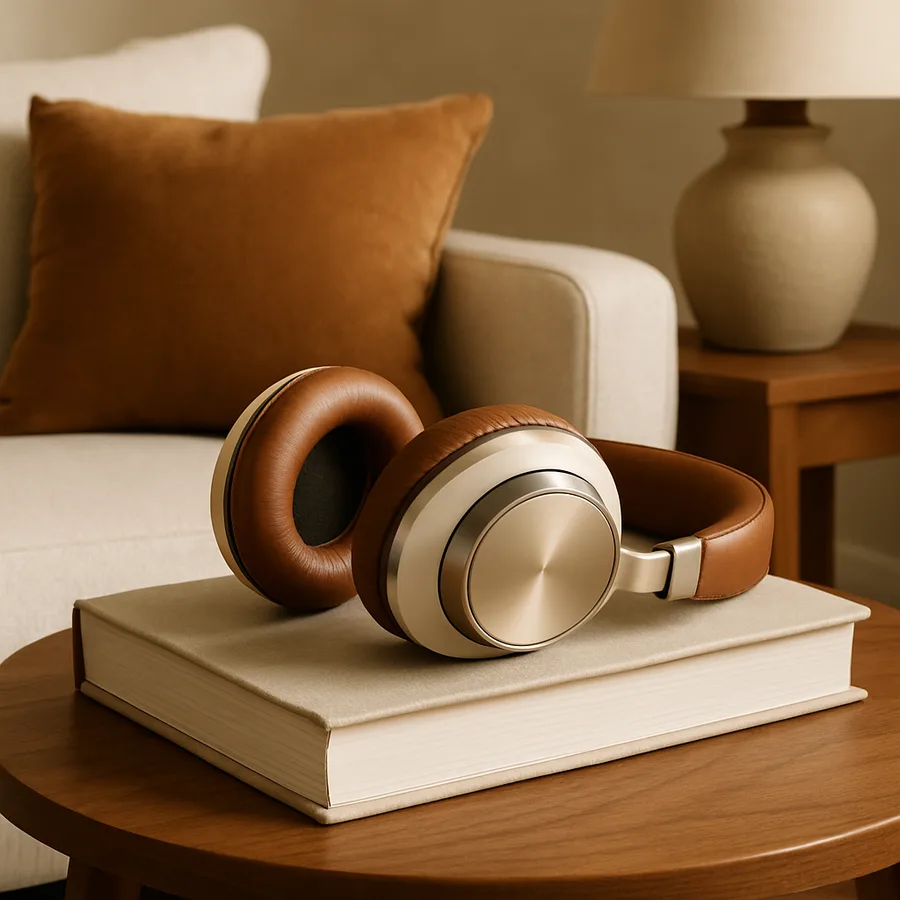
For those who dedicate significant time and resources to perfecting their living environments, settling for headphones that undermine a room's visual composition is not an option. Interior design enthusiasts understand that every object within a space carries visual weight, communicates material values, and either supports or contradicts the design narrative. Headphones are no exception. The American Society of Interior Designers (ASID) has observed a growing awareness among homeowners that personal technology should be selected with the same intentionality as furniture, lighting, and decorative accessories. A study by McKinsey found that 72% of consumers now consider product design as important as product function when making purchasing decisions. This guide addresses the unique perspective of design-conscious listeners who refuse to compromise on either sound quality or aesthetic integration, offering a framework for finding headphones that satisfy both the ear and the eye. When was the last time you considered your headphones as a design element rather than merely a functional tool?
Why Design Enthusiasts Need a Different Approach to Headphone Selection
The standard approach to headphone reviews focuses almost exclusively on technical performance metrics: driver size, impedance, frequency range, noise cancellation depth, and battery life. While these specifications matter, they tell only half the story for someone who has invested $5,000 to $15,000 in a single-room renovation and cares deeply about visual coherence. A pair of headphones with flawless audio performance but aggressive industrial styling will feel as jarring in a carefully curated reading nook as a fluorescent light fixture in a candlelit dining room. The NCIDQ certification process trains designers to evaluate objects holistically -- function, form, material quality, proportion, and contextual appropriateness -- and this same evaluation framework serves headphone selection beautifully.
Design enthusiasts also tend to use headphones in contexts that make them highly visible. A dedicated home office, a reading corner in a living room, a creative studio, or a music listening area -- these are spaces where headphones often sit on display between uses, contributing to the room's visual composition throughout the day. Unlike headphones stored in a gym bag or commuter backpack, headphones in a design-conscious home are seen as often as they are heard. The International Interior Design Association (IIDA) has noted this trend in its research on the evolving relationship between technology and residential environments, recommending that designers address personal electronics in their specifications for comprehensive residential projects.
The financial context also differs for design enthusiasts. Someone who has budgeted $50,000 to $150,000 for a full-home renovation is accustomed to paying premiums for objects that meet high aesthetic standards. In this context, spending $300 to $500 on headphones that beautifully complement the interior represents a minor but meaningful investment in overall design quality. The alternative -- a $50 pair of generic headphones that introduces visual noise into a space that cost fifty thousand dollars to perfect -- represents a false economy that undermines the broader investment. Understanding this value proposition is key to approaching headphone selection as a design decision.
Material Craftsmanship as the Bridge Between Audio and Design Excellence
The highest-quality headphones and the finest interior furnishings share a common foundation: exceptional material craftsmanship. Premium headphones use genuine leather that develops a rich patina over time, machined aluminum with precise tolerances and beautiful surface finishes, memory foam cushioning wrapped in breathable fabrics, and stainless steel mechanisms that operate with satisfying precision. These materials are not merely aesthetic choices -- they directly affect comfort, durability, and acoustic performance. For design enthusiasts, this convergence of material quality and functional excellence is deeply familiar, echoing the same principle that makes a hand-stitched leather sofa both more beautiful and more comfortable than a bonded-leather alternative.
Architectural Digest's AD PRO division has featured several headphone models that exemplify this material philosophy, highlighting products where the choice of ear cup material affects not only the aesthetic character but also the acoustic signature of the headphone. Leather ear cushions create a tighter seal that enhances bass response, while velour or woven fabric cushions allow more air circulation and often produce a wider, more open soundstage. For the design enthusiast, understanding these dual-purpose material choices adds another layer of appreciation to the selection process. The headphones become not just beautiful objects but intelligently designed ones, where every material choice serves both form and function.
Craftsmanship quality also determines how gracefully headphones age within an interior. Cheap plastics discolor, scratch visibly, and develop a worn appearance that reads as neglect rather than character. High-quality leather darkens and softens, machined metal develops a subtle patina, and woven fabrics retain their texture through years of use. This aging behavior parallels the way well-chosen interior materials improve with time -- a solid oak floor that gains warmth and character through years of foot traffic, or a copper sink that develops its distinctive verdigris. Headphones built with equivalent material integrity become part of the space's evolving story rather than disposable technology destined for a landfill.
Curating a Headphone Display as an Intentional Design Moment
The way headphones are presented within a room transforms them from mere equipment into design elements. A dedicated display creates an intentional moment within the space -- a small vignette that communicates the owner's appreciation for both sound and aesthetics. The simplest approach is a purpose-designed headphone stand, and the range of available options has expanded dramatically as manufacturers recognize the design-conscious market. Stands crafted from solid walnut, turned brass, cast concrete, hand-blown glass, and bent plywood offer options for virtually every interior style. Houzz marketplace listings for decorative headphone stands have multiplied significantly, reflecting genuine demand from homeowners who view their audio equipment as display-worthy objects.
Beyond standalone stands, integration into existing furniture and shelving creates a more embedded design approach. A headphone hook mounted to the side of a desk, a dedicated compartment within a bookshelf system, or a wall-mounted display bracket positioned among artwork and photographs all situate headphones within the broader composition of the room. The key is intentionality -- the headphones should appear deliberately placed rather than casually abandoned. Interior designers charging $150 to $500 per hour understand that these small moments of intentional arrangement contribute to the overall feeling of a designed space, and many now include technology display considerations in their design packages.
Lighting can further enhance a headphone display, borrowing techniques from museum and gallery exhibition design. A small directional light aimed at a headphone stand creates a focal point that elevates the object and signals its importance within the room. This approach works particularly well in home offices, music rooms, or media spaces where audio equipment is a central element of the room's purpose. LED picture lights, adjustable shelf lighting, and recessed display spots all provide appropriate illumination without overwhelming the broader lighting design. Have you considered how deliberate lighting could transform your headphone display from an afterthought into a design statement?
Sound Profiles That Complement Different Interior Moods
Just as interior design creates visual moods -- serene, energetic, cozy, dramatic -- headphones deliver acoustic moods through their sound signatures. Understanding this parallel allows design enthusiasts to select headphones whose sonic character complements the intended atmosphere of their space. A reading room designed for quiet contemplation, with muted colors, soft textures, and diffused lighting, pairs naturally with headphones that produce a warm, smooth sound signature with gentle bass and refined detail. A creative studio with bold colors, dynamic artwork, and stimulating visual energy calls for headphones with a more lively, engaging sound profile that matches the space's creative intensity.
This concept of sonic-spatial harmony is not merely poetic. Research from the Acoustics Research Centre at the University of Salford has demonstrated that people's satisfaction with indoor environments is significantly influenced by the interaction between visual and auditory stimuli. When these sensory inputs align -- warm visuals with warm sound, or crisp visuals with clear, detailed audio -- occupants report higher levels of comfort and satisfaction. The ASID has incorporated acoustic considerations into its continuing education programming, recognizing that designers who understand the relationship between visual and auditory environments create more successful spaces.
For practical purposes, headphone sound profiles are typically categorized as neutral or reference (flat, accurate reproduction), warm (enhanced low frequencies, smooth highs), bright (emphasized high frequencies, detailed), or V-shaped (boosted bass and treble with recessed midrange). Design enthusiasts working with biophilic interiors -- spaces rich in natural materials, plants, and organic forms -- often find that warm or neutral sound profiles complement the restorative character of these environments. Those working in sleek, contemporary spaces with strong geometric elements may prefer the clarity and precision of a bright or neutral profile. This is not a prescriptive rule but rather a starting point for exploration, similar to how color theory provides guidelines rather than absolutes for interior palette development.
Sustainability and Ethical Manufacturing in Premium Audio
Design enthusiasts who embrace sustainable materials and ethical sourcing in their interiors increasingly extend these values to their technology purchases. The environmental impact of electronics manufacturing is substantial -- the United Nations estimates that global e-waste reached approximately 62 million metric tonnes in recent reporting, with personal electronics contributing significantly to this volume. Headphones built for longevity, repairability, and end-of-life recyclability align with the sustainable design principles advocated by organizations like the IIDA and the U.S. Green Building Council.
Several premium headphone manufacturers have distinguished themselves through verifiable sustainability commitments. These include using recycled ocean plastics in structural components, sourcing leather from tanneries certified by the Leather Working Group for environmental compliance, employing renewable energy in manufacturing facilities, and designing modular products where individual components can be replaced rather than requiring full-unit replacement. For design enthusiasts who have specified FSC-certified wood flooring, GOTS-certified organic textiles, and zero-VOC paints in their interiors, selecting headphones from manufacturers with equivalent sustainability credentials maintains the ethical consistency of their living environment.
The longevity factor deserves particular emphasis. A well-constructed pair of headphones that lasts five to ten years represents a dramatically lower environmental impact per year of use than a cheaper pair replaced every eighteen months. This aligns with the buy-less-buy-better philosophy that underlies quiet luxury and sustainable design movements. NCIDQ-certified designers frequently advise clients that investing in fewer, higher-quality objects produces better outcomes for both the environment and the aesthetic quality of the home. Headphones are a perfect case study for this principle -- a single premium pair that sounds excellent, looks beautiful, and lasts for years outperforms a succession of mediocre replacements on every metric that matters to a design-conscious consumer.
Building a Coherent Technology Aesthetic Across Your Home
Headphone selection is most successful when considered as part of a broader strategy for integrating technology into your interior design. Just as a designer selects hardware finishes that remain consistent throughout a home -- matching cabinet pulls, door handles, and faucets in the same metal tone -- the visual language of personal technology benefits from coordination. If your laptop, keyboard, mouse, and phone case all share a consistent material palette and design philosophy, adding headphones from the same visual family creates a technology ecosystem that feels designed rather than accumulated. Architectural Digest regularly features home offices and creative spaces where technology coordination contributes to the polished, professional atmosphere.
This does not mean every device must come from the same manufacturer, but rather that the visual qualities -- color tone, material texture, geometric language, and finish quality -- should share common ground. A technology collection featuring warm metallic accents, matte finishes, and rounded forms reads as a coordinated suite, even if individual pieces come from different brands. The AIA's principles of visual rhythm and repetition apply here: recurring visual elements create coherence, while random variation creates noise. For design enthusiasts with home offices or creative studios where technology is prominently displayed, this coordination significantly impacts the room's professional and aesthetic character.
Consider creating a technology mood board alongside your interior design mood board, collecting images of devices that match your space's visual direction. This parallel planning process ensures that technology purchases support rather than undermine your design investment. For homeowners working with professional designers on budgets of $50,000 to $150,000 or more, requesting that technology aesthetics be included in the design scope is entirely reasonable and increasingly common. The result is a home where the boundary between "designed" elements and "functional" elements dissolves entirely, creating spaces of seamless, holistic quality. What would your home look like if every technological object received the same design consideration as your furniture?
Conclusion
For interior design enthusiasts, the quest for headphones that deliver both exceptional sound and genuine aesthetic value is not superficial -- it reflects a deeply held belief that our environments should be intentional, cohesive, and crafted with care at every scale. The headphones that best serve this vision are those built with material craftsmanship that echoes fine furniture, designed with proportions and colors that harmonize with curated interiors, and manufactured with the sustainability values that inform contemporary design practice. Sound quality remains essential, but it exists within a broader context of visual beauty, tactile satisfaction, and environmental responsibility.
Approach your next headphone purchase as you would approach selecting a signature piece of furniture: research the materials, evaluate the craftsmanship, consider the visual relationship to your existing space, and invest in quality that will endure. The ASID, IIDA, and Houzz all offer resources for finding design professionals who can help integrate technology aesthetics into comprehensive interior plans. Whether you are refreshing a single room on a $5,000 budget or undertaking a full-home transformation exceeding $150,000, let your headphones participate in the design story rather than standing apart from it. The best spaces are those where every object, no matter how small, contributes to an environment that sounds as good as it looks.
More Articles You May Like



Comments
Post a Comment