Maximizing Small Spaces: Innovative Interior Design Services You Need to Know
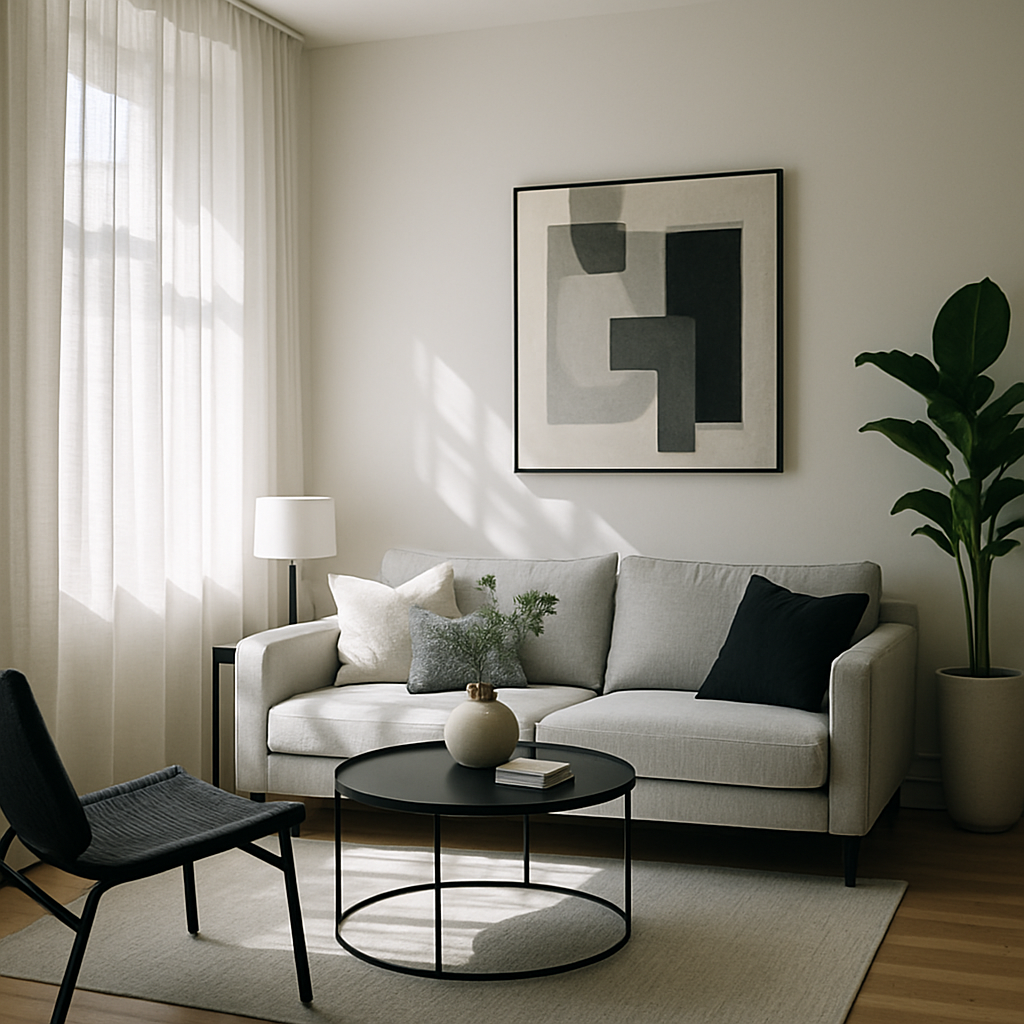
Have you ever felt overwhelmed by the clutter in your small apartment? According to a 2023 survey by Houzz, 64% of homeowners believe maximizing space is their biggest design challenge. Yet, with the right strategies and expert guidance, even the tiniest spaces can feel expansive and functional. This article explores cutting-edge interior design services that can transform cramped quarters into efficient, stylish havens. From foundational concepts to actionable strategies, we'll delve into professional insights and offer expert-level details to help you make the most of your space. Whether you're a city dweller or someone looking to optimize a cozy home, these strategies will arm you with the tools you need.
Understanding the Fundamentals of Small Space Design
Before diving into specific design strategies, it's crucial to understand the foundational concepts that underpin small space design. One key principle is the use of multifunctional furniture. Items like sofa beds, extendable dining tables, or storage ottomans serve dual purposes, maximizing utility without cluttering the room. The idea here is to ensure that every piece of furniture contributes more than one function, a concept strongly advocated by the International Interior Design Association (IIDA).
Another fundamental is the importance of light. Natural light can make a small room feel larger and more inviting. According to many interior designers, leveraging mirrors to reflect light and create an illusion of depth is a tried-and-tested method. Mirrors can be strategically placed opposite windows to reflect light, enhancing the room's brightness and perceived space.
Color schemes also play a vital role. Light, neutral colors tend to make spaces feel open and airy, while darker tones can make them feel cramped. However, this doesn't mean you should avoid color altogether. Using bold accents can add personality without overwhelming the space. Understanding these foundational elements sets the stage for more complex strategies and helps you identify which features are essential for your own home.
With these fundamentals in mind, we'll next explore how data and trends shape these design choices, offering a deeper understanding of their impact.
Leveraging Data and Trends in Small Space Design
Industry data reveals fascinating insights into small space living. According to the American Society of Interior Designers (ASID), over 70% of urban dwellers live in spaces under 1,000 square feet, emphasizing the growing need for efficient design solutions. This demand has sparked trends tailored to smaller spaces, such as biophilic design, which incorporates natural materials and indoor-outdoor flow, making even a small room feel connected to the greater world.
Another emerging trend is the integration of smart home technology in compact living areas. Automated lighting, climate control, and even smart furniture can enhance convenience and save space. For instance, smart shelves that adjust to different heights can accommodate changing storage needs over time. These innovations enable homeowners to adapt their environments to their lifestyles seamlessly.
Additionally, Houzz's latest survey highlights that 62% of homeowners believe that investing in smart storage solutions, like built-in shelving and under-bed storage, can significantly improve their living experience. These tools not only maximize space but also maintain aesthetic appeal, making them a popular choice among savvy homeowners. As we move forward, consider how these trends could be applied to your own space, enhancing both functionality and style.
Armed with this data-driven perspective, we can now transition into actionable strategies to implement these concepts in your own home.
Actionable Strategies for Maximizing Small Spaces
Implementing effective strategies is crucial when transforming a small space. One practical approach is to prioritize vertical storage. By utilizing tall shelving units or wall-mounted storage, you can free up floor space while still accommodating your belongings. This is especially effective in kitchens and bathrooms, where space is often at a premium. Consider how this could improve your daily routines-would having more floor space improve your home's flow?
Another strategy involves creating zones within a single room. By delineating spaces for different activities-such as a reading nook, a work area, or a dining section-you can make a small area feel like a multi-purpose room. This can be achieved through the use of area rugs, furniture arrangement, or even lighting changes that subtly guide the eye and define spaces.
Finally, embrace minimalism by decluttering and focusing on quality over quantity. Experienced professionals often note that a curated selection of furniture and decor items not only enhances the aesthetic appeal but also reduces the sense of clutter. This minimalistic approach aligns with the current trend of quiet luxury, where understated elegance takes precedence over opulence. As you consider these strategies, think about which changes could best suit your lifestyle and needs.
With these actionable steps in mind, let's delve deeper into expert-level tips that can elevate your small space design.
Expert-Level Insights for Small Space Design
For those seeking a professional touch, consulting with certified interior designers can provide invaluable insights. Designers with credentials like NCIDQ (National Council for Interior Design Qualification) or ASID membership bring a wealth of knowledge and expertise, often seeing potential in spaces that others might overlook. Their ability to visualize the end result and suggest solutions tailored to your specific environment can be a game-changer.
Another expert tip is to incorporate custom-built furniture. While it may require a higher upfront investment, custom pieces are designed to fit your space perfectly, maximizing every inch. Whether it's a built-in desk or a bespoke kitchen cabinet, these elements can significantly enhance functionality and aesthetics.
Lastly, professionals often recommend using AR/VR tools to visualize your design before committing. Many designers now offer virtual room tours that allow you to "walk through" your redesigned space and make adjustments in real time. This technology can prevent costly mistakes and ensure that the final design aligns perfectly with your vision. As we explore these expert insights, consider how engaging a professional could elevate your project from good to extraordinary.
Having explored expert advice, let's now add an additional layer of detail to round out our understanding of small space design.
Additional Details for a Comprehensive Approach
Beyond specific strategies and expert insights, understanding the financial aspect of interior design is crucial. Fee structures in this industry vary, with designers charging flat fees, hourly rates (often between $150-$500 per hour), or a percentage of the total project cost (typically 10-25%). Knowing these details helps you budget effectively and choose a service that aligns with your financial expectations.
Moreover, consider the potential return on investment. Well-designed interiors can yield a 5-15% increase in resale value, according to industry estimates. This potential boost in home value underscores the importance of thoughtful design choices, particularly in small spaces where every detail counts.
Lastly, don't overlook the power of visual inspiration. Platforms like Instagram and Pinterest offer a wealth of ideas for small space design, showcasing real-life examples and innovative solutions. Browsing these platforms can spark creativity and help you refine your own design preferences. With these additional insights, we're equipped to wrap up with some final perspectives on maximizing small spaces.
As we conclude, let's reflect on the broader implications of these design choices.
Final Perspectives on Small Space Design
Maximizing a small space requires a blend of creativity, strategy, and expertise. As we've explored, the right combination of foundational principles, data-driven insights, and professional strategies can transform even the most cramped quarters into a functional and stylish home. But beyond aesthetics and functionality, consider how these changes impact your daily life. Does your space support your lifestyle and activities? Is it a place where you feel comfortable and inspired?
Ultimately, the goal is to create an environment that not only meets your practical needs but also enhances your quality of life. Whether you choose to work with professionals or implement DIY strategies, remember that the best design decisions are those that reflect your personality and aspirations.
With these final thoughts, let's summarize and provide a clear next step for those ready to embark on their small space transformation journey.
Conclusion: Taking the Next Step in Your Design Journey
In summary, maximizing small spaces involves a multifaceted approach that combines strategic planning, innovative solutions, and expert guidance. By understanding foundational concepts, leveraging current trends, and applying actionable strategies, you can transform your living space into a functional and inviting environment. Engaging with certified designers or exploring visual inspiration can further enhance your project, ensuring that your design aligns with both your needs and your style.
Ready to take the next step? Start by browsing professional portfolios on platforms like Houzz or Instagram this week. Even dedicating just 20 minutes to research can sharpen your eye for what you truly want. Remember, the journey to maximizing your space begins with a single, informed step. Embrace the process, and watch as your small space transforms into a haven of style and functionality.



Comments
Post a Comment