Creating a Culinary Oasis: Healthy Recipes for a Beautiful Home
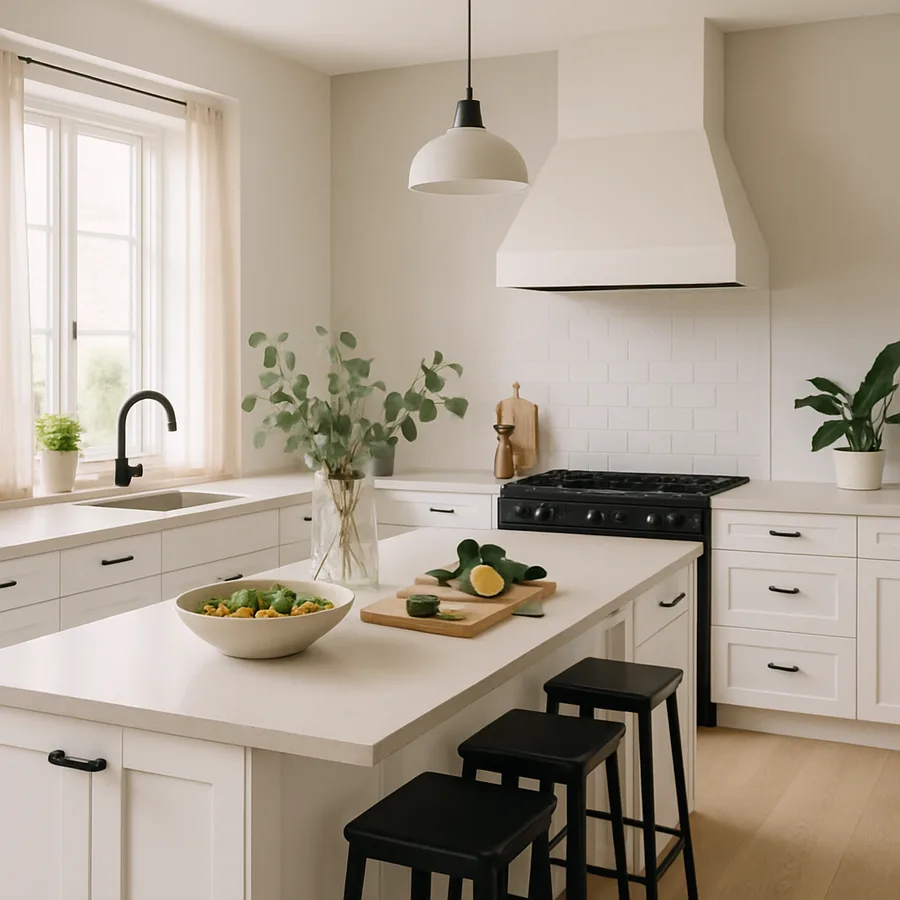
The concept of the home as sanctuary has never been more relevant, and nowhere is this idea more powerfully expressed than in a kitchen designed to support both beautiful cooking and mindful living. The American Society of Interior Designers (ASID) found that 82% of homeowners who invested in kitchen improvements reported a significant increase in overall life satisfaction, a figure that surpasses the impact of any other room renovation. A culinary oasis is more than a well-equipped cooking space; it is an environment where the preparation of healthy food becomes an act of self-care, creativity, and aesthetic expression. The ingredients you choose, the tools you use, and the way you organize your workspace all contribute to a kitchen that restores and inspires rather than drains and frustrates. Creating this oasis does not require a luxury budget or a professional redesign. It requires intention, a commitment to nourishing food, and an understanding of the design principles that transform functional rooms into restorative spaces.
The culinary oasis draws on several converging design movements that have reshaped residential interiors in recent years. Biophilic design brings nature into the built environment through living plants, natural materials, and organic forms. Quiet luxury emphasizes quality over quantity, favoring a few exceptional objects over an abundance of ordinary ones. Japandi aesthetics blend Japanese minimalism with Scandinavian warmth to create spaces that feel both serene and inviting. Smart home technology adds convenience and control without visual clutter. Each of these movements finds natural expression in a kitchen organized around healthy cooking, where fresh ingredients, quality tools, and thoughtful preparation create the sensory richness that designers strive to achieve. The International Interior Design Association (IIDA) has documented this convergence, noting that kitchens increasingly serve as the primary wellness space in the home.
This article guides you through the process of creating your own culinary oasis, examining six essential dimensions of kitchen design through the lens of healthy recipe preparation. From the spatial layout that supports mindful cooking to the material choices that echo the natural ingredients on your counter, each section connects a specific design principle with a practical culinary practice. Do you find that your current kitchen supports or hinders your desire to cook nutritious meals? The answer to that question reveals more about your kitchen's design than any aesthetic assessment could. Let us build a space where healthy cooking and beautiful design are not separate goals but a single, integrated practice.
Designing the Flow: Spatial Layout for Mindful Cooking
The foundation of any culinary oasis is a spatial layout that supports the natural rhythm of healthy meal preparation. Unlike convenience cooking, which typically involves a microwave and a few minutes of standing in one spot, healthy cooking is a dynamic activity that moves between refrigerator, sink, cutting surface, stove, and plating area in a continuous flow. The NCIDQ certification examination tests designers extensively on kitchen work triangle principles and circulation planning, recognizing that spatial layout fundamentally determines how a kitchen feels to use. When the layout supports smooth, uninterrupted movement between preparation zones, cooking becomes meditative rather than stressful. When it forces awkward backtracking, cramped turns, or competing traffic patterns, even the simplest recipe feels like a burden.
Healthy recipes tend to involve more ingredients and more preparation steps than their processed counterparts, making efficient spatial design even more critical. A single grain bowl might require washing and chopping four vegetables, cooking a grain, preparing a protein, and assembling a dressing, each at a different station. A kitchen designed for this complexity offers distinct zones: a wet zone near the sink for washing produce, a dry zone with ample counter space for cutting and assembly, a hot zone around the stove and oven for cooking, and a staging zone for plating and garnishing. Houzz kitchen planning guides recommend a minimum of 36 inches of uninterrupted counter space on either side of the sink and stove, with the total counter surface for a serious home cook ranging from 50 to 80 square feet. Professional kitchen design consultations typically cost between $2,000 and $8,000, but understanding these zone principles allows you to optimize your existing layout through strategic furniture placement and storage reorganization.
The emotional quality of the culinary oasis depends as much on the spaces between work zones as on the zones themselves. Open floor area around the preparation counter invites deep breathing and unhurried movement. A clear sightline from the cooking area to a window or garden view connects the cook to the natural world during what might otherwise be an insular activity. ASID guidelines emphasize that visual access to nature or natural light from the primary work position is one of the strongest predictors of kitchen satisfaction. If your kitchen lacks a window view, a strategically placed mirror, a living wall, or even a high-quality nature photograph can partially compensate. The goal is a kitchen where the act of preparing a healthy meal feels spacious, connected, and calm rather than cramped, isolated, and rushed.
The Ingredient Display: Fresh Food as Living Decor
One of the most transformative practices in creating a culinary oasis is the deliberate display of fresh, healthy ingredients as decorative elements. This approach blurs the line between pantry storage and interior styling, turning the raw materials of nutritious cooking into a constantly evolving art installation. A large wooden bowl of seasonal fruits on the counter, glass jars of colorful legumes and grains on open shelving, and bundles of fresh herbs in small ceramic vases create visual warmth and variety that no manufactured decoration can match. IIDA trend reports have identified "functional display" as a leading kitchen design concept, where every visible object serves both a practical purpose and an aesthetic one. This philosophy is inherently aligned with healthy cooking, which depends on ingredients that happen to be among the most visually appealing objects in any home.
The practice of ingredient display also reinforces healthy eating habits through a well-documented psychological mechanism. Research from the Cornell Food and Brand Lab demonstrates that people are three times more likely to eat the first food they see when entering the kitchen. By displaying fresh fruits, vegetables, nuts, and whole grains prominently while storing less healthy options out of sight, you leverage your kitchen's design to support your nutritional goals. This is environmental design at its most practical: the room itself nudges you toward better choices without requiring willpower or conscious decision-making. A set of clear glass storage containers for this purpose costs between $40 and $150 and transforms both the visual character and the functional behavior of your kitchen immediately.
The seasonal rotation of displayed ingredients also addresses one of the most common complaints about kitchen design: visual monotony. Unlike a painting that remains the same year-round or a countertop that never changes color, a curated ingredient display shifts with the seasons, the weekly shopping trip, and the evolving menu plan. Spring brings asparagus spears standing upright in a jar of water, strawberries in a colander, and bunches of fresh mint. Autumn introduces butternut squash, pomegranates, and bundles of sage. Each rotation refreshes the kitchen's visual energy without any design intervention beyond the grocery run. What ingredients are currently visible in your kitchen, and what story do they tell about your relationship with food and design? The answer might inspire your next shopping list as much as your next renovation plan.
Material Harmony: Matching Surfaces to the Food You Prepare
The materials that define your kitchen's surfaces, including countertops, backsplashes, flooring, and cabinetry, create the visual and tactile context within which every meal is prepared. When these materials harmonize with the ingredients you regularly cook with, the kitchen achieves a coherence that feels intuitive and restful. The NCIDQ examines designers on material specification for kitchen environments, testing their understanding of how different surfaces interact with the activities, temperatures, and substances they encounter. For the culinary oasis focused on healthy cooking, natural materials like stone, wood, and ceramic create the strongest resonance with fresh, unprocessed ingredients. A marble countertop echoes the smooth, cool skin of an eggplant. A butcher block surface shares the warm grain of a walnut or the fibrous texture of a celery stalk. These material relationships are subtle but powerful in creating a kitchen that feels whole.
The practical requirements of healthy cooking also favor specific material choices that happen to align with contemporary design trends. Fresh produce preparation demands surfaces that are easy to clean, resistant to staining, and comfortable for extended standing. Quartz and granite countertops meet all three requirements while offering the natural stone aesthetic that dominates current kitchen design. Houzz data shows that natural stone and quartz together account for over 70% of countertop material selections in kitchen renovations, reflecting both practical and aesthetic preferences. For flooring, materials that cushion the feet during long preparation sessions, such as cork or engineered hardwood, also provide the warm, natural foundation that biophilic and Japandi design principles favor. A countertop replacement typically ranges from $3,000 to $10,000 depending on material and kitchen size, while flooring runs $5 to $15 per square foot for these preferred materials.
Beyond the major surfaces, the smaller material choices in a culinary oasis contribute significantly to the overall design story. Linen dish towels rather than synthetic ones. Wooden utensils rather than plastic. Ceramic mixing bowls rather than metal. Glass storage containers rather than opaque plastic tubs. Each of these selections, made for reasons of health, sustainability, or cooking quality, simultaneously advances the natural material palette that defines the oasis aesthetic. ASID sustainability guidelines encourage the use of natural, low-toxicity materials in kitchen environments, noting that these choices benefit both indoor air quality and visual cohesion. The cumulative investment in upgrading kitchen accessories to natural materials is typically $200 to $600, spread over time, but the impact on both the cooking experience and the room's design character is immediate and lasting.
Light as an Ingredient: Illumination for Cooking and Ambiance
Lighting in the culinary oasis serves a dual purpose that mirrors the dual nature of the space itself: it must provide clear, accurate illumination for the precise tasks of food preparation while also creating the warm, inviting atmosphere that makes the kitchen a place people want to linger. IIDA lighting design standards for kitchen environments specify a minimum of 50 foot-candles at work surfaces for safe food preparation, with ambient lighting in adjacent areas at 20 to 30 foot-candles for comfortable socializing. Achieving both levels in the same room requires a layered lighting approach that professional designers consider one of the most impactful elements of any kitchen project. The culinary oasis treats light as an active ingredient in the cooking experience, not merely a utility to be switched on and off.
Natural light is the most valuable lighting element in a culinary oasis, and its importance extends beyond aesthetics to the practical reality of cooking with fresh ingredients. Accurate color rendering, essential for judging the ripeness of produce, the doneness of proteins, and the vibrancy of herbs, requires light with a high Color Rendering Index (CRI). Natural daylight has a perfect CRI of 100, while artificial lighting ranges from 60 to 98 depending on the source. This is why a tomato that looks perfectly red under the kitchen window might appear dull and brownish under inexpensive LED strips. For a kitchen dedicated to healthy cooking with fresh ingredients, investing in high-CRI artificial lighting (CRI 90 or above) ensures that your food looks as beautiful under evening task lights as it does in afternoon sun. High-CRI LED fixtures for kitchen use range from $50 to $300 per fixture, a modest investment that transforms both cooking accuracy and visual appeal.
The transition from task lighting during cooking to ambient lighting during dining is one of the most powerful atmospheric tools in the culinary oasis. Dimmer switches on all kitchen lighting circuits, warm-toned pendant lights over dining surfaces, and under-cabinet strips that can shift from bright white to warm gold allow the same space to transform from efficient workshop to intimate dining room with a simple adjustment. Smart lighting systems that automate this transition based on time of day or activity mode cost between $200 and $1,000 for a complete kitchen installation and represent one of the highest-impact smart home investments for the culinary oasis. Do you find yourself avoiding your kitchen in the evening because the lighting feels harsh and clinical? A lighting upgrade might be the single change that transforms your kitchen from a place you tolerate to a space you seek out.
The Sensory Garden: Growing What You Cook
The culinary oasis reaches its fullest expression when the boundary between kitchen and garden dissolves, either literally through adjacent outdoor growing spaces or figuratively through indoor herb gardens, microgreen stations, and windowsill planters. Growing even a small portion of what you cook creates a connection to food that no grocery store purchase can replicate, and the living plants themselves contribute powerfully to the biophilic design character of the space. ASID research on biophilic elements in residential interiors found that rooms containing living plants score 35% higher on occupant satisfaction surveys compared to identical rooms without vegetation. In the kitchen, where plants serve the dual purpose of providing fresh ingredients and contributing to the design, this effect is amplified.
An indoor herb garden positioned near the primary preparation area provides the culinary oasis with its most iconic feature: living, growing food within arm's reach of the cutting board. Basil, cilantro, parsley, mint, chives, and rosemary all thrive in kitchen conditions with adequate light, and the act of snipping fresh herbs seconds before they enter a dish elevates both the flavor and the cooking experience. Modern indoor growing systems, ranging from simple self-watering pots at $20 to $50 each to sophisticated hydroponic units at $150 to $400, offer options for every budget and space constraint. The visual impact of green, growing things against the neutral backdrop of a well-designed kitchen is disproportionate to their physical size. A single shelf of thriving herbs can transform the character of an entire room, introducing life, color, fragrance, and the sense of seasonal rhythm that biophilic design seeks to provide.
Beyond herbs, the culinary oasis can incorporate microgreens, sprouts, and even compact vegetable varieties that grow successfully indoors. Microgreens, which are harvested just days after sprouting, provide intense nutrition and vivid color that enhances both plates and countertops. A tray of pea shoots, radish sprouts, or sunflower greens growing on the kitchen counter is simultaneously a food source and a living design element. The NCIDQ increasingly recognizes the integration of productive planting into interior spaces as a legitimate design strategy, particularly in kitchen environments where the connection between growing and cooking is most immediate. Have you considered that the most beautiful object in your kitchen might not be something you purchase but something you grow? The living ingredient garden transforms the culinary oasis from a beautifully designed room into an actively generative space that produces beauty and nutrition simultaneously.
Ritual and Rhythm: The Daily Practice of the Culinary Oasis
A culinary oasis is not a static design achievement but a living practice that unfolds daily through the rituals of healthy cooking. The morning ritual of brewing tea or preparing a smoothie, the midday practice of assembling a nourishing lunch, and the evening ceremony of cooking dinner together each create distinct design moments within the same space. Houzz editorial features increasingly focus on what they term "kitchen rituals," the repeated daily practices that give a kitchen its emotional character beyond its physical design. These rituals determine which surfaces show the most wear, which objects are always within reach, and which areas of the kitchen carry the strongest emotional associations. Designing for ritual means anticipating these patterns and ensuring that the space supports and enhances them.
The healthy cooking ritual also introduces temporal design elements that static interiors lack. The rising steam from a pot of soup, the sizzle of vegetables in a skillet, the fragrance of bread cooling on a rack, and the gradual transformation of raw ingredients into a finished meal all create sensory experiences that change throughout the cooking process. IIDA multisensory design principles recognize that the most impactful interiors engage sight, sound, smell, and touch in coordinated ways. The kitchen is uniquely positioned to deliver this multisensory richness, and healthy cooking, with its varied textures, vibrant colors, and complex aromas, provides the content for that experience. A kitchen designed as a culinary oasis anticipates these sensory contributions and provides the neutral, supportive backdrop that allows them to shine without competition from busy patterns, harsh lighting, or discordant materials.
The daily rhythm of the culinary oasis also extends to maintenance and care practices that preserve both the space and the cooking experience. Wiping counters with natural cleaning solutions, conditioning wooden cutting boards with food-safe oil, watering the herb garden, and rotating the displayed produce are all maintenance rituals that keep the oasis functioning beautifully. These practices, often viewed as chores, become meditative activities when performed in a well-designed space with beautiful tools. A high-quality counter brush and dustpan, an elegant soap dispenser, and a beautiful watering can for the herbs transform cleanup from drudgery into a satisfying conclusion to the cooking ritual. ASID wellness design guidelines emphasize that maintenance should be a pleasure rather than a burden, and the culinary oasis achieves this by ensuring that even the tools of care are designed with beauty and intention.
Conclusion
Creating a culinary oasis is an act of integration, bringing together the nourishment of healthy cooking, the beauty of thoughtful design, and the restoration of daily ritual into a single, coherent kitchen experience. The six dimensions explored in this article, including spatial flow, ingredient display, material harmony, lighting, living gardens, and daily ritual, each demonstrate how culinary practice and design principles reinforce one another when approached with intention. The professional insights of organizations like ASID, IIDA, NCIDQ, and the community wisdom aggregated by Houzz all converge on the same essential truth: the best kitchens are those that serve the full spectrum of human needs, from the functional to the aesthetic to the emotional.
The path to your culinary oasis begins with an honest assessment of your current kitchen and cooking practice. Which of the six dimensions described here is weakest in your space? Perhaps your layout forces unnecessary movement, your ingredients are hidden in closed cabinets, your lighting is one-dimensional, or your daily rhythm feels more like a rush than a ritual. Addressing even one of these dimensions can transform your kitchen experience significantly. A $200 investment in natural material accessories, a weekend project to install a herb garden, or a simple rearrangement of your preparation zones can shift the entire feeling of the space.
Begin this week by preparing one healthy meal with full attention to the sensory and spatial experience of cooking. Notice what the space provides and what it lacks. Let that observation guide your first improvement, and then let the momentum carry you forward toward the culinary oasis your home deserves. Consult the ASID designer directory to connect with a professional who specializes in kitchen wellness design if you want expert guidance on the journey. Your kitchen can become the most restorative room in your home, and the recipe for that transformation is one you already know how to follow.
More Articles You May Like



Comments
Post a Comment