Bamboo Drawer Organizer Inserts for Utensils and Cutlery
Why Bamboo Stands Out as a Drawer Organizer Material
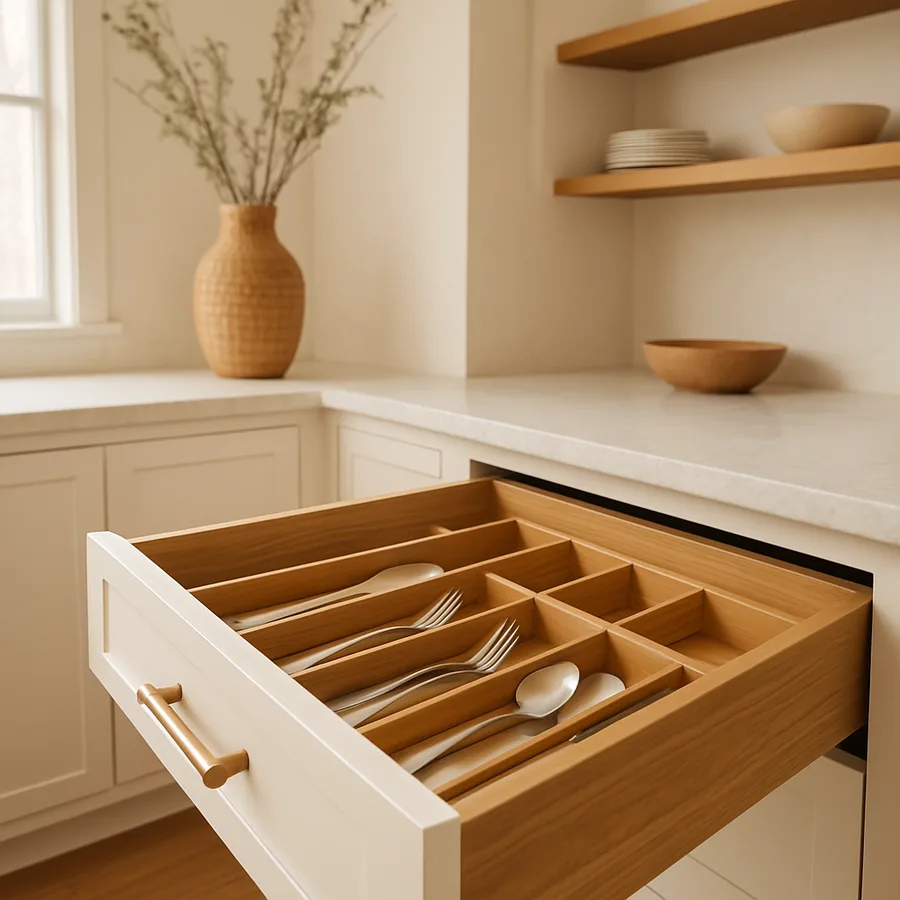
Bamboo has earned its reputation as one of the most practical materials for kitchen storage, and bamboo drawer organizer inserts are a prime example of that versatility. Unlike plastic alternatives that crack after a few years or metal dividers that scratch your utensils, bamboo offers a combination of durability and natural beauty that holds up to daily use. The National Kitchen and Bath Association (NKBA) notes that sustainable materials have become a top priority for homeowners remodeling their kitchens, and bamboo fits squarely within that trend. Its natural grain patterns add warmth to an otherwise utilitarian space, turning a simple drawer into something worth opening.
From an environmental standpoint, bamboo grows remarkably fast compared to hardwoods, reaching maturity in as little as three to five years. The World Wildlife Fund has identified bamboo as a renewable resource that can be harvested without killing the plant, making it an environmentally responsible choice for household products. This rapid growth cycle means that bamboo drawer inserts carry a smaller ecological footprint than oak, maple, or walnut alternatives. For homeowners who want their kitchen choices to reflect their values, bamboo strikes the right balance between function and conscience.
Strength is another area where bamboo surprises people. Despite its lightweight feel, bamboo has a tensile strength comparable to steel in certain configurations, according to research published by the International Network for Bamboo and Rattan (INBAR). This means your drawer inserts will not warp, split, or bow under the weight of a full set of stainless steel cutlery. The natural oils present in bamboo fibers also provide a degree of water resistance, which matters in a kitchen environment where damp utensils inevitably end up back in the drawer before they are completely dry. That built-in resilience translates to years of reliable service without the need for chemical sealants or protective coatings.
Aesthetically, bamboo brings a clean, Scandinavian-inspired look to kitchen interiors. Interior designers frequently recommend bamboo inserts as an affordable way to upgrade drawer organization without committing to a full cabinet renovation. The light golden tone complements white, gray, and natural wood cabinetry equally well, and the smooth finish feels pleasant to the touch every time you reach for a fork. When you consider that the average household opens kitchen drawers more than twenty times per day, the tactile experience of your organizer material matters more than most people realize.
Choosing the Right Compartment Layout for Your Utensils
The most common mistake people make when selecting a bamboo drawer organizer is choosing one with the wrong number of compartments for their utensil collection. A family of four with a standard flatware set needs at minimum five sections: one each for forks, knives, tablespoons, teaspoons, and a catch-all for serving utensils. However, many bamboo inserts come with expandable sections that let you adjust the layout as your collection grows. Before purchasing, take a full inventory of what you actually store in your utensil drawer and measure both the drawer dimensions and the depth to ensure a proper fit.
Expandable bamboo inserts have become particularly popular because they accommodate drawers of varying widths. Most models extend from around 13 inches to 20 inches, covering the standard range for residential kitchen drawers. The expansion mechanism typically uses a telescoping tray that slides outward, creating additional compartments on either side. This adjustability means you do not need to find an insert that matches your drawer dimensions exactly, which eliminates one of the biggest frustrations in kitchen organization. According to a Houzz Kitchen Trends survey, 72 percent of homeowners who renovated their kitchens cited better drawer organization as a top priority.
Depth is a dimension that often gets overlooked. Standard bamboo inserts stand about two to two-and-a-half inches tall, which works well for flatware but may not contain larger serving spoons, tongs, or whisks. If your drawer is deep enough, consider a taller insert or one with a removable upper tray that creates a two-layer system. The goal is to prevent utensils from shifting around every time you open the drawer, which defeats the purpose of having an organizer in the first place. Measure your drawer depth from the bottom panel to the underside of the countertop, then subtract half an inch for clearance.
For those with specialized utensil collections, look for bamboo inserts that include narrow slots designed for chopsticks, cocktail forks, or butter knives. Some manufacturers also offer inserts with angled compartments that make it easier to grab items from the back of the drawer without rummaging. The layout you choose should reflect how you actually cook and eat, not how a catalog suggests you should. A baker might want wider sections for spatulas and pastry tools, while someone who entertains frequently might prioritize a dedicated section for cheese knives and serving forks.
Installation and Fitting Tips for a Seamless Look
Installing a bamboo drawer organizer insert should take no more than five minutes, but a few preparation steps make the difference between a snug, professional-looking fit and an insert that slides around every time you open the drawer. Start by emptying the drawer completely and wiping down the interior with a damp cloth. Any crumbs or debris on the drawer bottom will prevent the insert from sitting flat, and a sticky residue from old shelf liner can cause the bamboo to adhere unevenly. Let the surface dry fully before placing the organizer inside.
If your insert is slightly smaller than the drawer, non-adhesive rubber shelf liner placed underneath provides excellent grip without damaging either the bamboo or the drawer finish. Cut the liner to match the footprint of the insert rather than covering the entire drawer bottom, which keeps the installation clean and easy to remove if needed. For drawers with rounded interior corners, you may need to trim the corners of an expandable insert with fine-grit sandpaper to avoid it catching on the sides. Work slowly and check the fit after each pass to avoid removing more material than necessary.
Some homeowners prefer to secure the insert permanently using small adhesive bumper pads on the underside of the organizer. These clear rubber pads prevent the insert from shifting while also providing a slight elevation that allows air circulation beneath the bamboo, reducing any chance of moisture buildup. Place one pad at each corner and one in the center for maximum stability. This approach is especially useful in drawers with soft-close mechanisms, where the deceleration at the end of the closing motion can cause unsecured inserts to slide forward over time.
For built-in cabinetry or custom drawers that do not conform to standard sizing, consider ordering a bamboo insert that can be trimmed to fit. Several manufacturers sell inserts with clean, sanded edges specifically designed for custom cutting. Use a fine-tooth saw and sand the cut edge smooth before fitting it into the drawer. If you are uncomfortable making cuts yourself, a local woodworking shop can typically trim a bamboo insert to your specifications for a nominal fee. The result is a perfectly fitted organizer that looks as though it came with the cabinetry.
Maintaining Bamboo Inserts for Long-Term Durability
Bamboo is naturally resistant to bacteria and moisture, but proper maintenance extends the life of your drawer organizer from years to decades. The most important habit is to wipe the insert with a dry cloth every few weeks to remove dust, crumbs, and any moisture that may have accumulated from utensils placed in the drawer while still damp. A monthly deep clean with a cloth dampened with a mixture of warm water and white vinegar removes any odors or stains without stripping the bamboo's natural oils. Avoid soaking the insert or running it through the dishwasher, as prolonged water exposure causes bamboo fibers to swell and eventually crack.
Mineral oil treatment once or twice a year keeps bamboo inserts looking fresh and prevents the surface from drying out. Food-grade mineral oil is inexpensive and available at any kitchen supply store. Apply a thin coat with a soft cloth, let it absorb for fifteen to twenty minutes, then buff away any excess. This treatment enhances the natural grain pattern, restores the golden color that may have faded with use, and creates a protective barrier against minor spills. The Better Homes and Gardens kitchen care guide recommends this same approach for all bamboo kitchen products, from cutting boards to drawer organizers.
Avoid placing extremely sharp knives directly into bamboo compartments without protective sleeves, as repeated contact will score the surface over time. Knife-edge guards or simple cardboard sleeves protect both the bamboo and the blade edge. Similarly, wet metal utensils left sitting in bamboo compartments for extended periods can cause dark water marks that are difficult to remove once they set in. A simple habit of shaking excess water off utensils before placing them in the drawer eliminates this problem entirely.
If your bamboo insert does develop a crack or split over time, it can often be repaired with food-safe wood glue and a clamp left in place overnight. Sand the repaired area lightly once the glue has cured, then apply a coat of mineral oil to blend the repair with the surrounding surface. This approach works well for minor damage and can extend the usable life of your organizer significantly. For more severe damage, most bamboo inserts are affordable enough to replace entirely, and the old one can be composted or repurposed as a craft supply organizer in another room.
Comparing Bamboo to Other Organizer Materials
When evaluating drawer organizer materials, bamboo competes primarily with plastic, metal, and hardwood options. Plastic organizers dominate the budget segment, typically costing between three and ten dollars, but they lack the durability and visual appeal that bamboo provides. Plastic compartments become brittle over time, especially when exposed to temperature fluctuations in kitchens without climate control. They also tend to slide around inside drawers more than bamboo, which has a naturally grippy surface texture. A study by the American Society of Interior Designers (ASID) found that natural materials in kitchen design consistently rank higher in homeowner satisfaction surveys than synthetic alternatives.
Metal drawer organizers, typically made from stainless steel or chrome-plated wire, offer excellent durability but come with their own drawbacks. They tend to be noisy, creating a clattering sound every time utensils are placed inside or the drawer is opened and closed. Metal dividers can also scratch the finish on delicate cutlery, particularly silver-plated or gold-accented pieces. The industrial look of metal organizers works in commercial kitchens but can feel out of place in a home setting where warmth and comfort are design priorities. Bamboo provides comparable structural integrity without the acoustic or aesthetic compromises.
Hardwood organizers made from walnut, cherry, or maple represent the premium end of the market, with prices ranging from forty to over one hundred dollars for a single insert. These materials are beautiful and extremely durable, but they require more maintenance than bamboo and carry a significantly higher environmental cost. Hardwood trees take decades to reach harvestable maturity, while bamboo reaches the same structural density in a fraction of the time. For homeowners who want the look and feel of natural wood without the premium price or environmental concerns, bamboo offers the best compromise available.
Silicone-based organizers have emerged as a newer option, offering flexibility and easy cleaning. However, they lack the structural rigidity needed to keep heavy utensils in place, and their soft walls allow items to lean and fall across compartment boundaries. Bamboo's rigid compartments maintain their shape regardless of what you place inside them, keeping everything upright and accessible. The combination of affordability, durability, sustainability, and aesthetic appeal makes bamboo the most well-rounded choice for the majority of kitchen drawer organization needs.
Creative Uses Beyond the Kitchen Utensil Drawer
While bamboo drawer inserts are designed with kitchen utensils in mind, their versatile compartment layouts make them useful throughout the house. Bathroom vanity drawers benefit enormously from bamboo organizers, where they can separate toothbrushes, razors, hair ties, and cosmetics into tidy sections. The natural moisture resistance of bamboo makes it particularly well-suited for bathroom environments, where humidity levels are consistently higher than in other rooms. Many homeowners purchase identical bamboo inserts for both kitchen and bathroom drawers to create a cohesive organizational system throughout the home.
Home office drawers are another excellent application. Bamboo inserts keep pens, paper clips, sticky notes, USB drives, and charging cables from tangling together in the typical desk drawer chaos. The compartments designed for forks and knives happen to be perfectly sized for standard writing instruments, and the wider sections intended for serving utensils hold scissors, tape dispensers, and small notebooks. The warm look of bamboo also elevates the visual quality of a desk drawer, which matters during video calls when you might need to retrieve something on camera.
Have you ever considered using a bamboo utensil insert in your bedroom dresser? The compartment sizes work remarkably well for organizing watches, cufflinks, tie clips, and small jewelry items. The soft, smooth surface of bamboo is gentle on delicate accessories and prevents them from getting scratched the way they might in a hard plastic or metal organizer. For a walk-in closet with built-in drawers, matching bamboo inserts across all drawers create a unified, spa-like organizational system that makes getting dressed each morning a more pleasant experience.
Craft rooms and workshops also benefit from bamboo drawer organization. Sewing supplies, paint brushes, carving tools, and small hardware items all fit neatly into the various compartment sizes. The durability of bamboo means it can handle heavier items like small hand tools without bowing or breaking, and the natural antibacterial properties help prevent musty odors from developing in drawers that may not be opened daily. Whatever the application, bamboo drawer inserts prove that good design transcends its original purpose and adapts to whatever organizational challenge you throw at it.
Conclusion
Bamboo drawer organizer inserts represent one of the simplest and most effective upgrades you can make to your kitchen organization. Their combination of natural beauty, environmental responsibility, and structural durability makes them a superior choice compared to plastic, metal, and even hardwood alternatives. Whether you are outfitting a new kitchen or refreshing existing drawers, the right bamboo insert transforms chaotic utensil storage into a system that saves you time and reduces daily frustration.
The key to success lies in measuring your drawers carefully, choosing a compartment layout that matches your actual utensil collection, and committing to the minimal maintenance that keeps bamboo looking its best. With expandable options available in nearly every size range, there is a bamboo insert that fits virtually any standard kitchen drawer without modification. The investment is modest, typically between fifteen and thirty-five dollars, and the return in daily convenience and visual appeal is immediate.
What does your current utensil drawer look like when you open it each morning? If the answer involves rummaging through a jumbled pile of forks and spoons, a bamboo organizer insert is the straightforward solution that delivers lasting results. Take ten minutes to measure your drawers today and explore the bamboo insert options that fit your kitchen layout.
More Articles You May Like



Comments
Post a Comment