Attic Dormer Window Additions for More Headroom and Light
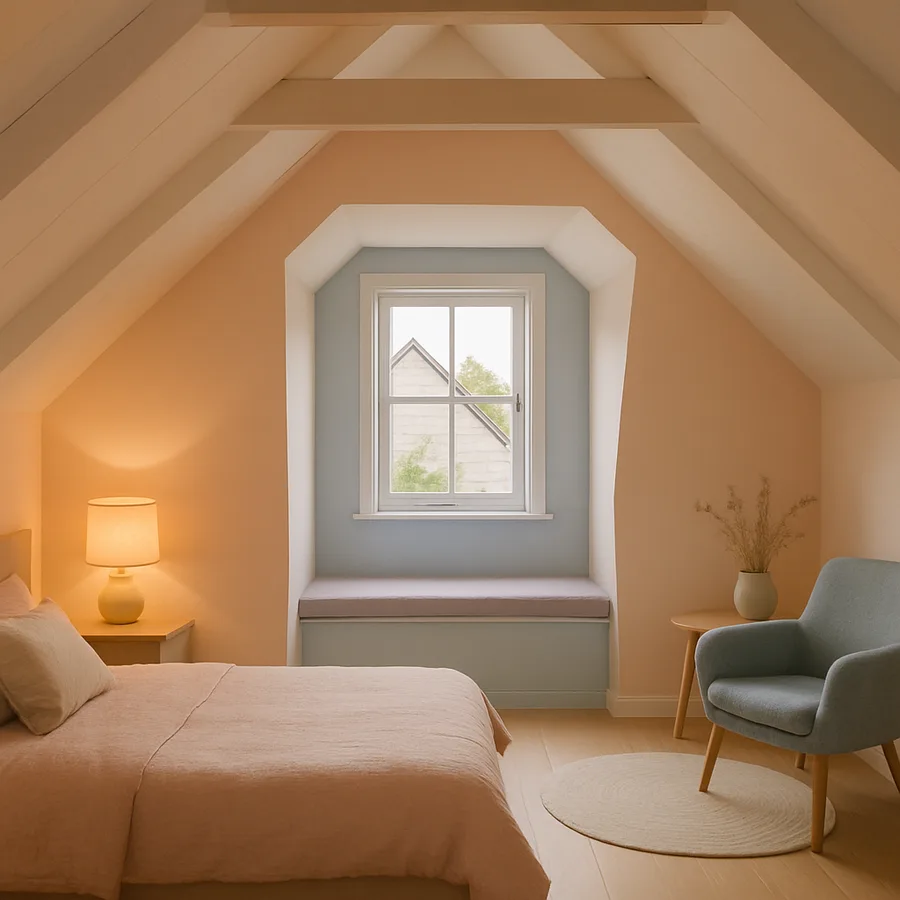
Few interventions change an attic as dramatically as a well-placed dormer window. Where the original roof plane presses down and forces you to duck, a dormer lifts the ceiling, pulls in daylight, and carves a generous alcove that makes previously unusable space feel intentional. For many homes, a dormer is the single best dollar spent on the attic, because it solves the two problems that define the floor: not enough headroom and not enough light.
According to the National Association of Home Builders (NAHB) Cost vs. Value analyses, attic conversions that include at least one dormer tend to recoup a larger share of their cost at resale than converted attics without dormers, largely because dormers unlock genuinely livable square footage rather than crawl space. The U.S. Department of Energy (DOE) also notes that well-designed fenestration can reduce artificial lighting needs by up to 30% in daylit rooms, which means the dormer you add for headroom quietly pays dividends on your electric bill.
The Four Main Dormer Types and What They Do
Before you can decide which dormer is right for your house, you need to recognize the four dominant types. A gable dormer has its own small pitched roof that rises at a 90-degree angle to the main roof and ends in a triangular gable. It is the most classic, most photographed, and often the most appropriate choice on traditional homes. A shed dormer has a single, lower-sloped roof plane that runs parallel to the ridge, and it typically produces the most usable interior volume per dollar spent.
An eyebrow dormer is a low, curved, hood-shaped addition that adds subtle light and almost no headroom, making it a choice driven more by exterior aesthetics than interior gain. A hip dormer has three sloped roof planes meeting at a central point, often used on homes with hipped main roofs where a gable dormer would look out of place. The American Institute of Architects (AIA) Residential Knowledge Community publishes design guidelines that strongly recommend matching dormer type to the parent roof form, because mismatches read as awkward from the street and can hurt resale appeal.
How Much Headroom Can a Dormer Actually Add?
The headroom payoff depends on dormer size and type. A modest gable dormer measuring 4 feet wide by 4 feet deep might add only 30 to 40 square feet of full-height floor area, while a long shed dormer running 20 feet along the ridge can convert an entire half of the attic from crouch zone to standing zone. The International Code Council (ICC) residential code requires that habitable attic rooms have a ceiling height of at least 7 feet over no less than 50% of the required floor area, and a dormer is usually the most efficient way to push that compliance line further into the room.
Before you finalize the dormer size, walk the attic and mark the existing 7-foot line on the sloped ceiling with painter's tape. Then sketch the proposed dormer roof footprint and re-mark the new 7-foot line with the dormer in place. That simple exercise reveals how much useful floor area you are actually buying, and whether a smaller, cheaper dormer might deliver most of the benefit. Have you considered whether two small dormers on opposite sides might outperform one large one in terms of both light balance and exterior composition?
There is a useful planning rule that dormer interior width should generally match or exceed the depth of the dormer projection, because narrow, deep dormers end up feeling like tunnels rather than alcoves. A 4-foot-wide dormer projecting 6 feet into the room will always feel cramped, while a 6-foot-wide dormer projecting 4 feet feels generous even if the square footage is identical. Proportions drive perception more than absolute size.
Ceiling height inside the dormer also matters. A shed dormer with a flat ceiling can feel surprisingly low if the wall height is only 7 feet and a ceiling fan or light fixture hangs into the zone. Plan for 8 feet of interior dormer ceiling height when possible, and specify flush-mount fixtures under any zone where a taller person will stand. These details sound minor on paper but make the finished dormer feel either spacious or awkward the first time you walk into it.
Daylight Quality, Orientation, and Glare
Not all dormer light is created equal. A dormer that faces south will flood the room with strong direct light for much of the day, ideal for cold climates but potentially punishing in hot ones. A north-facing dormer produces soft, even daylight that is gentle on screens and artwork, and it is a favorite among designers and artists for exactly that reason. East-facing dormers give you gorgeous morning light and a relatively cool afternoon, while west-facing dormers deliver dramatic sunsets and afternoon heat gain that may demand serious shading strategies.
The American Society of Interior Designers (ASID) often recommends specifying low-emissivity, double-pane glazing with a solar heat gain coefficient appropriate to the climate, and adding exterior or interior shading devices to manage peak loads. Motorized cellular shades, exterior awnings, and light-colored interior blinds are all proven tools. The DOE estimates that a well-specified double-pane low-e window can cut heat loss through the glazing by 30 to 50% compared to a single-pane equivalent, which is a meaningful comfort upgrade in any attic bedroom or home office.
Permits, Structure, and the Unsexy Fundamentals
A dormer is not a cosmetic upgrade but a structural intervention. The roof framing must be modified to carry the new loads, headers must be sized for the openings, and the new walls must tie into existing rafters with care. Most jurisdictions require permitted drawings stamped by a licensed engineer or architect, especially when the dormer is long or when the house is in a high-wind or seismic zone. Skipping the permit is an expensive mistake. The ICC publishes minimum standards that most local codes adopt, and appraisers routinely flag unpermitted dormers during resale inspections, which can derail sales at the closing table.
Work with a contractor who has completed at least a handful of dormer additions, and ask to see photos of finished interiors, not just exteriors. A good dormer looks equally intentional from both sides of the wall. The framing crew should protect the interior of the house during the roof opening with temporary weather barriers, and the schedule should include contingency days for weather, because opening the roof in a thunderstorm is the kind of story you do not want to tell.
Interior Finishes That Make the Dormer Sing
Once the structure is sound and the drywall is up, the interior finish is where the dormer earns its keep. A built-in window seat inside a gable dormer instantly becomes the most inviting feature of the room, whether that is a reading nook, a quiet call booth, or a guest-bed alcove. Flanking bookshelves frame the window and add display or storage without stealing floor area from the main room. Under a shed dormer, a continuous desk or vanity runs cleanly along the new flat ceiling zone and takes full advantage of the daylight.
Trim choices matter more than people expect. A simple, generous casing around the dormer window reads as architecturally considered, while a skinny off-the-shelf trim can make the whole addition feel value-engineered. Consider painting the dormer interior the same color as the adjoining sloped ceiling to unify the geometry, or deliberately accent the dormer in a contrasting color to celebrate its role as the room's focal point. Both approaches work, but the choice should be deliberate rather than accidental.
Window treatments deserve the same care as the window itself. A bare dormer window reads as industrial and often produces unpleasant glare, while a thoughtfully chosen cellular shade, roman shade, or linen drape finishes the composition and gives the room climate control. Avoid heavy blackout drapes inside small dormer alcoves because they can dominate the space visually and block the daylight that was the whole point of the dormer. Layered light-filtering shades with optional blackout liners are usually the right balance.
Flooring transitions between the main room and the dormer floor plane require attention too. If the dormer is framed as a bay or projection, its floor might be a step up or down from the main room, which is a tripping hazard and a design tell. Work with the framer to keep the floors flush whenever structure allows, and if a level change is unavoidable, express it intentionally with a wood nosing, a low decorative riser, or a contrasting stair-tread style. Honest expression always looks better than a half-hidden transition.
Budget, Timeline, and When to Scale Up
Dormer budgets vary wildly by region, but a useful mental model is that a small gable dormer commonly runs in the tens of thousands of dollars installed, while a full shed dormer across one side of a roof can climb into six figures. The NAHB Cost vs. Value report tracks attic project recoup rates across metro areas and consistently ranks attic conversions among the higher-return midrange remodels, though local market conditions vary significantly. Before you commit, get at least three itemized bids and compare not just totals but the line items for engineering, flashing details, insulation upgrades, and interior finishes.
If budget is tight, resist the temptation to undersize the dormer. A dormer that is too small often costs 80% of what a properly sized one would cost and delivers only 40% of the benefit, because most of the expense sits in the setup, structural modifications, flashing, and finish work, not in the incremental square footage. Scaling up the dormer at the planning stage is almost always cheaper than scaling up later, and a slightly larger dormer can transform the attic from a specialty room into the best bedroom in the house.
Climate and weather exposure also shape dormer choices in ways that homeowners rarely hear about upfront. A dormer on a northern-facing roof in a snowy climate must be detailed with particular care around the valley flashing and ice dam protection, since snow tends to pile against the dormer sidewalls and melt into the smallest gap. A dormer on a sun-drenched southern roof must be specified with UV-resistant materials at the exposed trim, and window glazing should target a low solar heat gain coefficient to avoid cooking the interior during summer afternoons. A good contractor will walk the roof in different seasons before finalizing the dormer location, and will share photos of similar dormers on similar roofs that have weathered at least five winters. Those conversations are worth their weight in gold.
Finally, think about how the dormer will read from multiple vantage points inside the home. A dormer seen from the stairwell looks different than one seen from the bed, and the view out of the dormer window should frame something intentional: a tree, a neighbor's roofline, a patch of sky. When the dormer frames a good view, the room gains an emotional register that square footage alone cannot buy. The NAHB and AIA both emphasize that composition, not just construction, is what makes an addition truly beloved, and the humble dormer is often where that lesson is learned.
Conclusion
A dormer is an unusually high-leverage addition because it simultaneously solves the headroom problem and the daylight problem, and it does so while adding architectural character to the exterior. When the type, size, and orientation of the dormer are matched to the house and to the climate, the result feels like the home was always meant to look this way, and the attic inside transforms from an afterthought into a destination. Few other remodels have that combination of curb appeal, comfort gain, and interior drama.
The path to a successful dormer begins with clear intent. Decide what the attic will actually be, bedroom, office, playroom, guest suite, and let that program drive the dormer shape and location. Walk the existing attic with tape and marker, sketch the new 7-foot line, and compare at least two dormer options side by side on paper before you bring in an architect. AIA and NAHB both publish homeowner resources that explain how to evaluate designers, and using those vetted directories is a small act that prevents big mistakes.
Remember that a dormer is also a long-term weathering system. The flashing details, the kick-out at the eave, the cricket behind the back wall on a hillside roof, and the ice-and-water shield underlayment all matter for decades of leak-free performance. Do not let a gorgeous interior distract you from a sloppy exterior detail. The best dormers age gracefully because the unglamorous layers were done right the first time.
Ready to move forward? Schedule a site visit with a licensed architect or design-build contractor, request a preliminary feasibility sketch, and ask specifically about permits, structural engineering, and flashing details. Helpful references include the DOE guide to energy efficient windows, the AIA homeowner resources, and the International Code Council for local code baselines. Your attic is waiting to stand up straight.
More Articles You May Like



Comments
Post a Comment