Minimalist vs. Maximalist: Finding the Right Room Interior Design Style for You
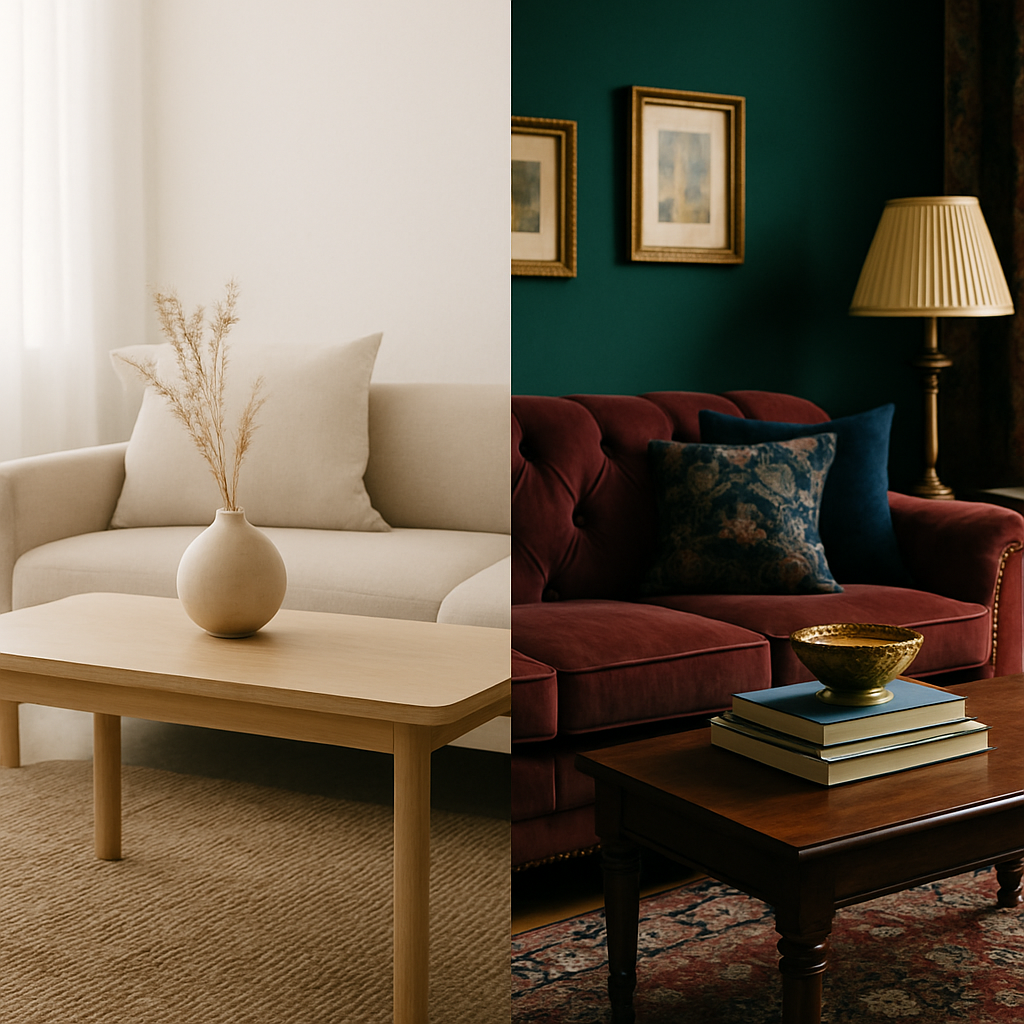
Imagine walking into a room that feels like it was designed just for you. It's a space that either calms your senses with simplicity or energizes you with an eclectic array of textures and colors. The choice between a minimalist and maximalist interior design can be daunting, yet it's crucial in creating a home that mirrors your personality and lifestyle. According to industry surveys, around 60% of homeowners seek to personalize their spaces while balancing functionality and aesthetics. This article delves into the core differences between minimalist and maximalist design styles, helping you find the perfect fit for your home. We'll explore the foundational concepts, analyze the impacts on daily living, and offer actionable strategies to make your design journey smoother.
Understanding the Foundations of Minimalism and Maximalism
Minimalism and maximalism represent two ends of the design spectrum, each with its own distinct philosophy and aesthetic. Minimalism is characterized by simplicity and functionality, emphasizing clean lines, neutral colors, and uncluttered spaces. It advocates for "less is more," focusing on essential items that serve a purpose. This design approach is ideal for those who appreciate a serene environment and value the calming effect of an uncluttered space. According to the National Council for Interior Design Qualification (NCIDQ), minimalism can significantly reduce stress by creating a peaceful atmosphere.
On the other hand, maximalism embraces the "more is more" approach, celebrating abundance and diversity. It is defined by bold colors, intricate patterns, and a mix of textures that create a vibrant and dynamic space. Maximalism is perfect for those who want their home to reflect their personality through an eclectic collection of art, furniture, and decor. The American Society of Interior Designers (ASID) notes that maximalism can enhance creativity by providing a stimulating environment filled with visual interest.
Choosing between these styles isn't just about aesthetics; it's about aligning your environment with your lifestyle. Do you thrive in a tranquil, organized space, or are you inspired by a lively, expressive atmosphere? Understanding these foundational concepts will help you decide which design philosophy resonates with you and supports your daily activities.
Analyzing the Impact of Design Styles on Daily Living
Minimalist and maximalist designs impact how you interact with your environment in various ways. A minimalist space often promotes efficiency and focus, which can be beneficial for those who work from home or need a distraction-free area. Research suggests that a well-organized space can boost productivity by 15-20%, as it minimizes distractions and enhances concentration.
Conversely, a maximalist space can be invigorating and inspiring, particularly for creative individuals who draw energy from their surroundings. The International Interior Design Association (IIDA) highlights that maximalist interiors can foster innovation by providing a rich tapestry of ideas and influences. This style may be ideal for artists, designers, and those who enjoy hosting gatherings, as the vibrant atmosphere can stimulate conversation and creativity.
It's important to consider how each style affects your emotional well-being and daily routines. Are you seeking a sanctuary to unwind after a hectic day, or do you prefer a lively environment that sparks joy and conversation? By analyzing these impacts, you can better understand how each design approach aligns with your personal and professional life.
Actionable Strategies to Implement Your Chosen Style
Once you've identified whether you lean towards minimalism or maximalism, the next step is to implement your chosen style effectively. For those embracing minimalism, start by decluttering your space. Evaluate each item's purpose and sentimental value, and remove anything that doesn't serve a clear function. Consider investing in multifunctional furniture that maximizes space and maintains a sleek aesthetic.
For maximalism enthusiasts, begin by curating a collection of items that bring you joy and reflect your personality. Mix and match patterns and textures, but aim for a cohesive theme to avoid overwhelming the space. Use bold colors strategically to create focal points and balance busier areas with quieter elements to maintain harmony.
Both styles benefit from thoughtful planning and execution. Utilize tools like Houzz for inspiration and to connect with designers who can help realize your vision. Remember, experienced professionals often note that the key to success in either style is to stay true to your personal taste while ensuring functionality and comfort.
Expert Insights: Blending Minimalism and Maximalism
For those intrigued by both design philosophies, blending elements of minimalism and maximalism can create a unique and personalized space. This approach allows you to enjoy the best of both worlds: the simplicity of minimalism with the expressiveness of maximalism. According to Architectural Digest's AD PRO network, this hybrid style, often referred to as "maximal minimalism," is gaining popularity among homeowners who appreciate both restraint and exuberance.
To achieve this balance, start with a minimalist base, focusing on clean lines and neutral colors. Then, selectively incorporate maximalist elements, such as a statement art piece or a bold rug, to add interest and personality. The use of biophilic design elements, like natural materials and indoor plants, can also enhance the space by bridging the gap between minimal and maximal aesthetics.
This nuanced approach requires careful curation and a keen eye for detail. It's about finding harmony in contrast and creating a space that feels dynamic yet cohesive. Consider enlisting the help of a certified interior designer (NCIDQ, ASID, or IIDA) to guide you through this creative process and ensure the final result aligns with your vision.
Additional Details: Cost Considerations and Budgeting
Budgeting is a crucial aspect of any interior design project, whether you're opting for minimalism, maximalism, or a blend of both. Understanding the cost implications of each style can help you plan effectively and avoid unexpected expenses. Minimalist designs often incur lower costs due to their focus on fewer, high-quality items, while maximalist interiors may require a larger investment to accommodate a diverse range of furnishings and decor.
When budgeting for a minimalist space, prioritize durable materials and timeless pieces that offer longevity and versatility. Consider a budget range of $5,000 to $15,000 for a single room redesign, which can cover essential furniture and decor. For maximalist projects, anticipate a higher range of $50,000 to $150,000 for full-home transformations, as these often involve custom pieces and extensive styling.
Keep in mind that well-designed interiors can enhance your property's resale value by 5-15%, according to Houzz survey data. This potential return on investment makes it worthwhile to work with professionals who can help optimize your space while staying within budget. As you move forward, consider how much you're willing to invest in creating a home that truly reflects your style and meets your needs.
Final Perspectives: Making the Right Choice for You
Ultimately, the decision between minimalist and maximalist design hinges on your personal preferences, lifestyle, and goals for your living space. Both styles offer unique benefits and challenges, and the right choice depends on how you want your home to function and feel. Reflect on the aspects of each style that resonate with you, and consider how they align with your vision for your ideal living environment.
Remember that interior design is a deeply personal journey, and there is no one-size-fits-all solution. Whether you gravitate towards the serenity of minimalism or the vibrancy of maximalism, the key is to create a space that brings you comfort and joy. As you explore these styles, ask yourself: What makes me feel truly at home? Your answer will guide you towards a design choice that feels authentic and fulfilling.
With a clearer understanding of these styles and their implications, you're now equipped to embark on your design journey with confidence. Embrace the process, explore your options, and create a space that reflects who you are.
Conclusion: Taking the Next Steps
In summary, both minimalist and maximalist interior designs offer distinct paths to crafting a home that suits your personality and lifestyle. Whether you prefer the clean, uncluttered look of minimalism or the bold, expressive nature of maximalism, your choice will significantly impact the feel and function of your space. As you contemplate these options, remember that your home should be a sanctuary that supports your daily life and personal expression.
Ready to start designing your perfect space? Begin by browsing portfolios on platforms like Houzz and Instagram to gather inspiration and refine your vision. Even a short session of 20 minutes can sharpen your eye for what you truly desire. Connect with professional designers who can help bring your ideas to life while ensuring the space remains practical and beautiful.
Don't hesitate to dive into this creative journey. Your ideal living space is within reach, and with the right approach, you can transform your environment into a reflection of your unique style.



Comments
Post a Comment