10 Trending Room Interior Design Ideas to Transform Your Space
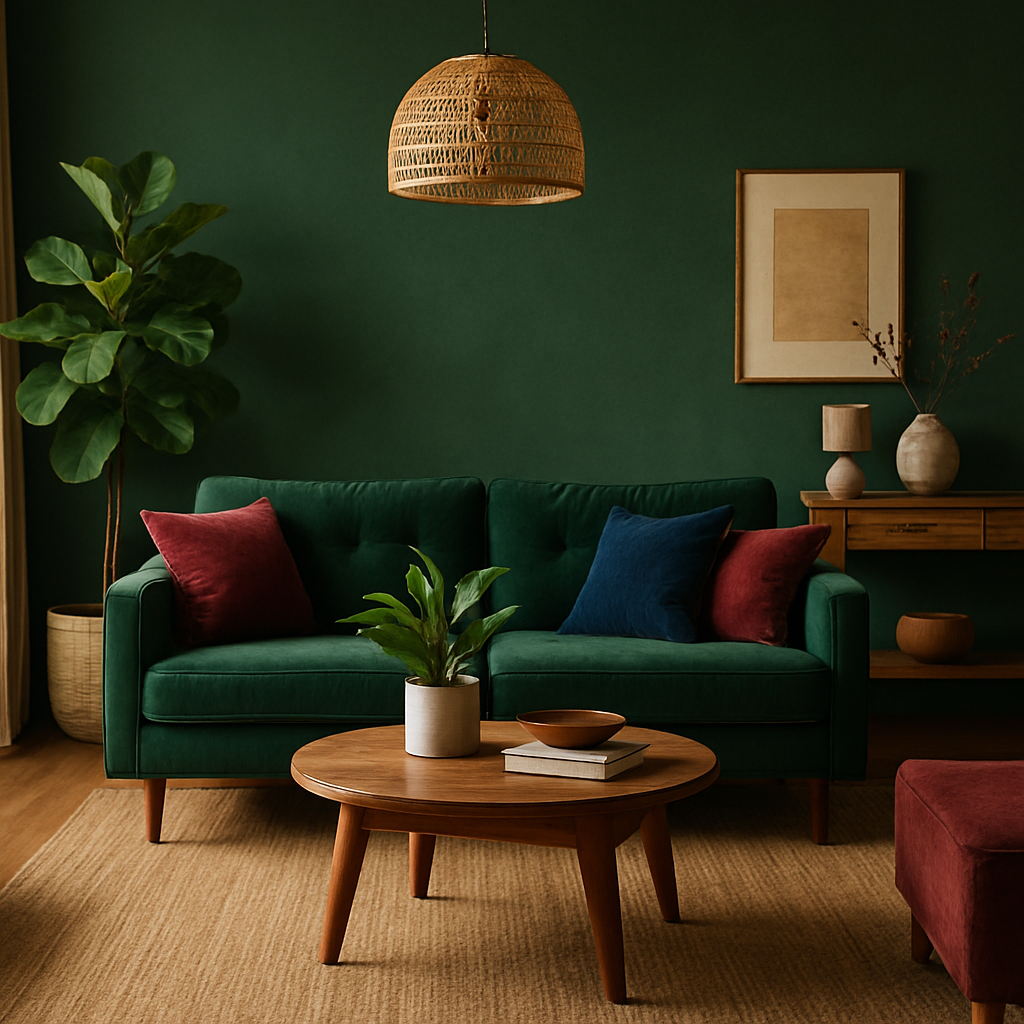
Room design has shifted from following a single aesthetic to blending multiple influences into spaces that feel personal, functional, and grounded in current thinking about well-being and sustainability. The American Society of Interior Designers (ASID) reports that homeowners are moving away from formulaic approaches and instead seeking design ideas that respond to how they actually use each room throughout the day. Whether you are redesigning a bedroom for better sleep, a kitchen for more efficient cooking, or a living room for genuine relaxation, the ideas that follow represent the most requested and most effective directions in residential design right now. Each concept has been validated by professional practice across online design platforms, where designers working with clients at every budget level, from modest refreshes at ,000 per room to comprehensive renovations at ,000 and beyond, are implementing these approaches with consistent success. These ten ideas are not abstract trends. They are practical, implementable design strategies with clear steps and measurable impact on how your rooms look and perform.
The Biophilic Living Room That Breathes
A living room designed around biophilic principles feels fundamentally different from a conventional space, and that difference is noticeable within seconds of entering. The approach begins with maximizing natural light, which often means replacing heavy curtains with sheer linen panels or installing motorized shades that retract fully during daylight hours. Furniture is positioned to maintain clear sightlines to windows and outdoor views, reinforcing the visual connection between interior and exterior environments. ASID research indicates that living rooms with strong biophilic elements score consistently higher in occupant satisfaction surveys than those designed around purely aesthetic considerations.
Material selection in a biophilic living room prioritizes organic textures and natural finishes over synthetic alternatives. Think solid wood coffee tables with visible grain rather than lacquered composites, stone or terracotta accessories instead of plastic, and upholstery in natural fibers like linen, cotton, or wool rather than polyester blends. Living plant elements are essential but should be chosen for their compatibility with the room's light conditions rather than purely for appearance. A fiddle-leaf fig may be photogenic, but a pothos or ZZ plant will actually thrive in a north-facing room where the fig would slowly decline. Online designers sourced through platforms like Houzz can specify appropriate plant varieties based on your room's orientation and light exposure.
The acoustic dimension of biophilic design is often overlooked but remarkably effective. The introduction of soft, sound-absorbing materials, including woven wall hangings, thick wool rugs, and upholstered furniture, reduces the hard-surface echo that makes many modern living rooms feel cold and unwelcoming. Some designers are specifying small indoor water features, from tabletop fountains to wall-mounted cascades, that provide a continuous layer of natural ambient sound. These elements work together to create a living room that genuinely supports relaxation and social connection rather than merely displaying attractive furnishings. Have you noticed that certain restaurants or hotel lobbies immediately make you feel at ease? Biophilic design principles are almost certainly at work in those spaces. From the organic warmth of a biophilic living room, the next idea moves to the precision and restraint of a Japandi-inspired bedroom.
The Japandi Bedroom Built for Restful Sleep
The bedroom is perhaps the room where Japandi principles deliver the most tangible benefit, because the style's emphasis on simplicity, natural materials, and visual calm directly supports the conditions needed for quality sleep. A Japandi bedroom starts with a low-profile bed frame in a light-toned wood such as oak or ash, dressed with organic cotton or linen bedding in muted neutral tones. The headboard, if present at all, is simple and unpadded, allowing the wood grain or a textured wall treatment behind it to serve as the visual anchor. Clutter is eliminated through integrated storage solutions that keep personal items out of sight without requiring daily effort.
The color palette in a Japandi bedroom is deliberately limited, typically comprising no more than three or four tones drawn from a narrow range of warm whites, soft grays, and natural wood hues. This restriction is not about austerity but about creating an environment where the visual system can genuinely rest. Sleep researchers have documented that visually stimulating bedroom environments correlate with poorer sleep quality, which provides a scientific basis for Japandi's restrained approach. Lighting follows the same principle: warm-toned bedside lamps on dimmers replace the overhead fixtures that characterize most bedrooms, allowing gradual light reduction that signals the body's circadian rhythms to prepare for sleep.
Window treatments in a Japandi bedroom balance light control with material simplicity. Woven wood blinds or Roman shades in natural linen provide blackout capability when closed while contributing texture and organic warmth to the overall composition. The International Interior Design Association (IIDA) has highlighted Japandi bedrooms as exemplary spaces where design directly supports occupant health, noting that the style's emphasis on air quality through natural, low-VOC materials and adequate ventilation addresses respiratory wellness alongside visual calm. Online designers can specify a complete Japandi bedroom scheme through flat-fee packages typically ranging from to ,500, making this one of the most accessible and impactful room transformations available. The bedroom prioritizes rest, but the kitchen demands a different kind of design intelligence focused on workflow and durability.
The Smart Kitchen That Anticipates Your Routine
Kitchen design has always centered on the relationship between workflow efficiency and the practical constraints of plumbing, electrical, and ventilation infrastructure. Current trends push this further by integrating smart home technology directly into the kitchen's functional core. Automated lighting that adjusts color temperature from cool and energizing during morning meal preparation to warm and ambient during evening entertaining is now specified as standard by many NCIDQ-certified designers. Under-cabinet task lighting activates on motion sensors, smart faucets respond to voice commands for precise water temperatures and volumes, and connected appliances communicate with each other to optimize energy consumption.
The material trend in kitchens has moved decisively toward durability and sustainability over visual novelty. Designers sourced through AD PRO networks are specifying quartzite and porcelain slab countertops that resist staining and scratching better than the marble and engineered quartz that dominated previous cycles. Cabinet fronts in matte lacquer or natural wood veneer are replacing the glossy finishes that show every fingerprint and grease spot. Sustainable choices extend to cabinet construction as well, with FSC-certified plywood boxes and low-formaldehyde adhesives becoming standard specifications among environmentally conscious designers.
Storage innovation is the less visible but equally important dimension of current kitchen design. Professional designers maximize usable storage through custom interior fittings: pull-out pantry systems, drawer-within-drawer organizers, appliance garages that keep countertops clear, and corner solutions that eliminate the dead space found in conventional cabinet layouts. These specifications typically add 15 to 25 percent to the cabinet budget but recover that investment through improved daily efficiency and reduced countertop clutter. Designers charging hourly rates of to often dedicate several sessions specifically to kitchen storage planning, recognizing that this is where functional design delivers its most tangible returns. Does your current kitchen force you to adapt your cooking habits to its limitations? A well-designed kitchen adapts to you instead. From the efficiency of the kitchen, the next idea explores how to create a home office that supports focused professional work.
The Home Office Designed for Deep Focus
The home office has graduated from an afterthought, typically a desk crammed into a bedroom corner, to a dedicated space that requires the same design rigor as any other room in the house. Acoustic isolation is the first priority, and designers are specifying sound-dampening strategies that range from simple soft furnishings and heavy curtains to acoustic wall panels disguised as art or textile installations. The goal is a room where video calls sound professional and concentrated work proceeds without interruption from household noise. ASID guidelines for home office design emphasize that acoustic comfort is the single most impactful investment for remote workers.
Ergonomic furniture specification has become a core competency for online interior designers serving remote professionals. The desk height, chair adjustment range, monitor position, and keyboard placement all follow specific ergonomic standards that prevent the musculoskeletal problems associated with prolonged seated work. Designers increasingly specify sit-stand desks as the default option, paired with task chairs from manufacturers who provide ten-year or lifetime warranties on their ergonomic mechanisms. Lighting in the home office follows task-specific principles, with a primary desk lamp providing direct illumination on work surfaces and ambient lighting maintained at a lower level to reduce screen glare and eye fatigue.
The aesthetic challenge of home office design is integrating professional functionality into residential architecture without creating a space that feels corporate or institutional. Current approaches favor warm wood desks, upholstered task chairs in residential fabrics, and shelving systems that accommodate both reference materials and decorative objects. Biophilic elements, particularly a desk positioned near a window with a view and the inclusion of two or three living plants selected for low-light tolerance, have been shown to improve cognitive performance and reduce stress during work hours. Smart home integration in the office might include automated do-not-disturb lighting at the door, scheduled lighting scenes that signal the beginning and end of the workday, and connected climate control that maintains the slightly cool temperatures optimal for concentration. The home office demands focus, but the bathroom presents an entirely different design opportunity centered on sensory experience and personal renewal.
The Spa-Inspired Bathroom Retreat
Bathroom design has undergone the most dramatic philosophical shift of any residential room type in recent years. Where bathrooms were once designed primarily for hygiene and efficiency, current practice treats them as spaces for sensory restoration and personal wellness. The spa-inspired bathroom draws on hospitality design principles to create an environment that elevates daily routines like bathing and grooming into experiences worth savoring. This approach does not require a large space or an extravagant budget. It requires thoughtful material selection, considered lighting, and attention to the sensory details that distinguish a pleasant bathroom from a memorable one.
Material choices define the spa bathroom experience. Large-format porcelain tiles in natural stone tones reduce grout lines and create a seamless, clean visual plane that reads as luxurious regardless of the actual material cost. Heated flooring, once considered a premium upgrade at to per square foot installed, has become a routine specification that most designers include in bathroom renovations budgeted at ,000 or above. Fixtures in brushed or matte finishes, including brass, nickel, and matte black, replace the polished chrome that dominated bathrooms for decades. These finishes resist water spots and fingerprints while contributing the understated material quality that characterizes quiet luxury design.
Lighting in the spa bathroom prioritizes warmth and flattery. Vanity lighting should be positioned at face height on either side of the mirror rather than overhead, eliminating the harsh shadows that overhead fixtures cast under the eyes and chin. Dimming capability is essential, allowing the transition from bright, accurate light for grooming to subdued ambient light for evening bathing. Some designers specify waterproof LED strips concealed beneath floating vanities or within shower niches, creating a soft glow that transforms the room's character entirely. Sustainable materials feature prominently in current bathroom design, with recycled glass tiles, bamboo accessories, and water-saving fixtures that meet WaterSense certification appearing in the majority of professional specifications. The bathroom addresses personal wellness, and the next idea extends that care to the youngest members of the household.
The Adaptable Children's Room That Grows with Them
Designing a children's room that remains relevant beyond a single developmental phase is one of the most practical challenges in residential interior design. The conventional approach of themed rooms, built around a cartoon character or a specific color obsession, results in spaces that require complete redesign every two to three years as the child's interests evolve. Smart children's room design invests in a neutral, high-quality foundation and uses easily changeable elements for age-appropriate personalization. This strategy saves money over time and produces rooms that feel more sophisticated than the typical primary-colored playroom.
The foundation layer includes flooring, wall color, lighting, and primary furniture pieces. A hardwood or high-quality LVP floor with a removable area rug provides durability for play years and transitions gracefully to teenage and young adult use. Wall colors in warm whites, soft greens, or muted blues serve as neutral backdrops that support any decorative direction. Built-in storage with adjustable shelving adapts from toy bins to book collections to display shelves as the child ages. The bed itself is the single largest furniture investment, and designers increasingly specify adult-sized frames for children over age six, recognizing that a well-made twin or full bed serves for fifteen or more years while a toddler bed serves for three at most.
Changeable personalization layers include bedding, wall art, curtains, and accessories, all of which can be updated for under to reflect evolving tastes. Magnetic paint or a designated gallery wall with rail hanging systems allows artwork and photographs to rotate without damaging the underlying finish. Smart lighting with adjustable color temperature and programmable scenes, which can shift from bright cool light for homework to warm dim light for bedtime reading, integrates the kind of home automation that teaches children to interact intuitively with technology. Online designers working through platforms like Houzz often create children's room packages that include both the fixed foundation plan and a guide for seasonal or annual refreshes, providing long-term value that justifies the initial design investment of to ,500. Children's rooms require adaptability, and the next idea applies a similar forward-thinking approach to the outdoor extension of your living space.
The Indoor-Outdoor Living Room Extension
The boundary between indoor and outdoor living has dissolved in current residential design, driven by homeowner demand for spaces that expand usable square footage and strengthen the connection to natural surroundings. This trend extends biophilic design principles beyond the interior walls by treating patios, decks, and covered outdoor rooms as architectural extensions of the indoor floor plan. Professional designers, particularly those certified through ASID, approach indoor-outdoor transitions with the same material and proportional rigor they apply to fully enclosed spaces, specifying outdoor furnishings, lighting, and finishes that maintain visual continuity with the interior.
Material durability is the primary technical challenge in outdoor living design. Performance fabrics like Sunbrella and its competitors have reached a quality level where outdoor upholstery is virtually indistinguishable from indoor textiles in look and feel while resisting UV degradation, mildew, and moisture damage. Porcelain pavers that mimic natural stone or wood planking provide outdoor flooring that transitions seamlessly from interior tile or hardwood. Sustainable composite decking made from recycled materials has supplanted treated lumber in most professional specifications, offering dimensional stability and longevity without the chemical treatments and annual maintenance that traditional wood requires.
Smart home integration extends naturally to outdoor living spaces, with weatherproof speakers, landscape lighting on automated schedules, motorized pergola louvers that adjust for sun angle and weather conditions, and outdoor-rated heating elements that extend seasonal usability. Designers charging percentage-based fees of 10 to 25 percent of project costs typically include outdoor living areas in the overall project scope, ensuring that the design language remains consistent from room to terrace. The IIDA has recognized indoor-outdoor design as a growing specialization within the profession, with dedicated continuing education programs addressing the unique technical requirements of these transitional spaces. Is your outdoor area currently an underused extension of your home rather than an integrated part of your daily living? Professional outdoor design can double your functional living space for a fraction of the cost of a room addition. Outdoor living extends the home's footprint, but the next idea addresses an often-neglected interior space that sits at the intersection of style and daily routine.
The Curated Entryway That Sets the Tone
The entryway is the most overlooked room in most homes and simultaneously the space that most powerfully shapes first impressions, both for visitors and for you as you return home each day. Professional designers treat the entryway as a compression of the home's overall design identity, a space where color, material, lighting, and proportion are concentrated into a few deliberate choices that telegraph what the rest of the house offers. NCIDQ-certified designers learn to evaluate entryways as transitional environments that mediate between the public exterior and the private interior, serving both practical and psychological functions.
Functional entryway design addresses the daily choreography of arriving and departing: shoes, coats, bags, keys, mail, and packages all need designated storage that keeps the space organized without constant effort. Custom built-in millwork with closed storage below, open cubbies at mid-height, and hooks above provides the most space-efficient solution for standard residential entries. Where space is limited, a wall-mounted shelf with hooks and a single bench with shoe storage beneath achieves the essential functions in under twelve square feet. The material selection in these built-ins should reference the home's primary material palette, creating immediate visual connection to the spaces beyond.
Lighting in the entryway deserves particular attention because it establishes the light quality and color temperature that greet you at the threshold. A pendant fixture or flush-mount ceiling light with warm-toned bulbs at 2700K provides a welcoming glow that contrasts with the cooler outdoor light, creating an immediate sense of arrival and comfort. A mirror positioned to reflect this light source amplifies the effect and makes narrow entries feel more spacious. Online designers working within flat-fee packages typically include entryway design as a complementary element when it connects to a larger project, recognizing that the entry's visual impact disproportionately affects the homeowner's perception of the overall design. What impression does your entryway create right now, and does it accurately represent the home that lies beyond it? The entryway is your home's opening statement, and the next idea applies similar concentrated design thinking to a space dedicated to reflection and personal care.
The Quiet Reading Nook as Intentional Retreat
The dedicated reading nook has emerged as one of the most requested micro-spaces in current residential design, reflecting a broader desire for intentional retreat within the home. Unlike a home office, which is designed for productive output, or a living room, which accommodates social activity, the reading nook exists for a single purpose: undisturbed personal engagement with a book, a podcast, or simply quiet thought. Designers working through online platforms report that this request crosses all budget levels and housing types, from a window seat in a small apartment to a dedicated alcove in a family home.
The physical requirements of a successful reading nook are surprisingly specific. Seating should support the body in a semi-reclined position with adequate lumbar support and enough width to allow repositioning during extended sessions. The most effective configurations place the seat adjacent to a window for natural reading light, with a small side surface for a beverage and reading glasses. Overhead or wall-mounted reading light with adjustable direction and dimming ensures comfortable reading after sunset. Acoustic separation from the home's active zones, achieved through position, soft furnishings, or a partial enclosure like a curtain or built-in surround, creates the sense of withdrawal that defines the nook as a distinct space rather than merely a chair in a corner.
Material selection in the reading nook emphasizes tactile comfort above all other considerations. Soft, enveloping upholstery fabrics, a plush throw, and a textured rug underfoot create a sensory environment that signals relaxation and invites extended occupation. Quiet luxury principles apply particularly well here, as the nook's small scale makes it feasible to invest in premium materials, such as cashmere, mohair, or hand-finished leather, that would be prohibitively expensive across an entire room. Online designers often specify reading nooks as part of bedroom or living room projects, with the nook design adding to to the overall project fee depending on whether it involves custom millwork or uses freestanding furniture. Do you have a place in your home where you can truly disconnect and be alone with your thoughts? If not, a reading nook may be the single most valuable addition you can make. The reading nook serves individual retreat, and the final idea returns to shared space with a fresh approach to the most social room in the home.
The Dining Room Reimagined for Multi-Use Living
The formal dining room, used exclusively for meals a few times per year, has given way to a multi-functional space that serves as dining area, workspace, homework station, game table, and gathering point throughout the day. This shift does not mean abandoning the dining room's role as the setting for shared meals. Rather, it means designing the room with enough flexibility to accommodate multiple activities without requiring constant rearrangement. ASID's residential practice reports indicate that multi-use dining rooms are now the default expectation among clients, with single-purpose formal dining requested primarily in homes exceeding 4,000 square feet.
The dining table itself is the room's most important piece of furniture, and its selection should balance dining scale with work surface utility. A table measuring at least 72 inches in length accommodates six for dining and provides ample spread for a laptop, reference materials, and a craft project side by side. Designers increasingly specify tables with durable, stain-resistant surfaces, such as solid walnut with a catalyzed lacquer finish or porcelain-topped designs, that withstand the daily use demands of a multi-function room. Seating flexibility is equally important: a combination of upholstered chairs and a bench allows the table to serve dining parties of varying sizes while keeping the room visually open when the bench tucks flush against the table.
Storage and technology integration distinguish a thoughtfully designed multi-use dining room from a conventional one. A sideboard or credenza with concealed power strips and cable management allows the room to function as a work zone without visible technology clutter. Integrated USB outlets in the wall behind the sideboard keep devices charged without daisy-chaining extension cords across the floor. Lighting on a smart dimmer system transitions from bright and focused for work activities to warm and ambient for dinner, with pendant fixtures over the table providing both functional task light and atmospheric focal interest. Designers working within budgets of ,000 to ,000 for a dining room typically allocate the largest share to the table and lighting, which anchor the room's visual identity and functional capability. The percentage-based fee model of 10 to 25 percent works well for dining room projects because the scope naturally balances between furniture procurement and design specification.
These ten room design ideas share a common foundation: each one prioritizes how the space serves the people who use it rather than how it appears in a photograph. From the biophilic living room that reconnects you with natural rhythms to the multi-use dining room that adapts to your daily life, the most effective current design thinking treats every room as a tool for living better. Professional designers certified through NCIDQ and affiliated with organizations like ASID and IIDA bring the technical knowledge, trade access, and pattern recognition needed to implement these ideas at the highest level, with fees ranging from per hour for focused consultation to comprehensive project management at 10 to 25 percent of total costs. Online design platforms make this expertise accessible regardless of your location. Choose the two or three ideas from this list that address the rooms where you spend the most time and feel the least satisfied, then schedule introductory consultations with online designers who specialize in those approaches. The transformation of your home begins with a single room and a single decision to invest in design that genuinely works.
More Articles You May Like



Comments
Post a Comment