What is Interior Design? Exploring Its Impact on Your Living Space
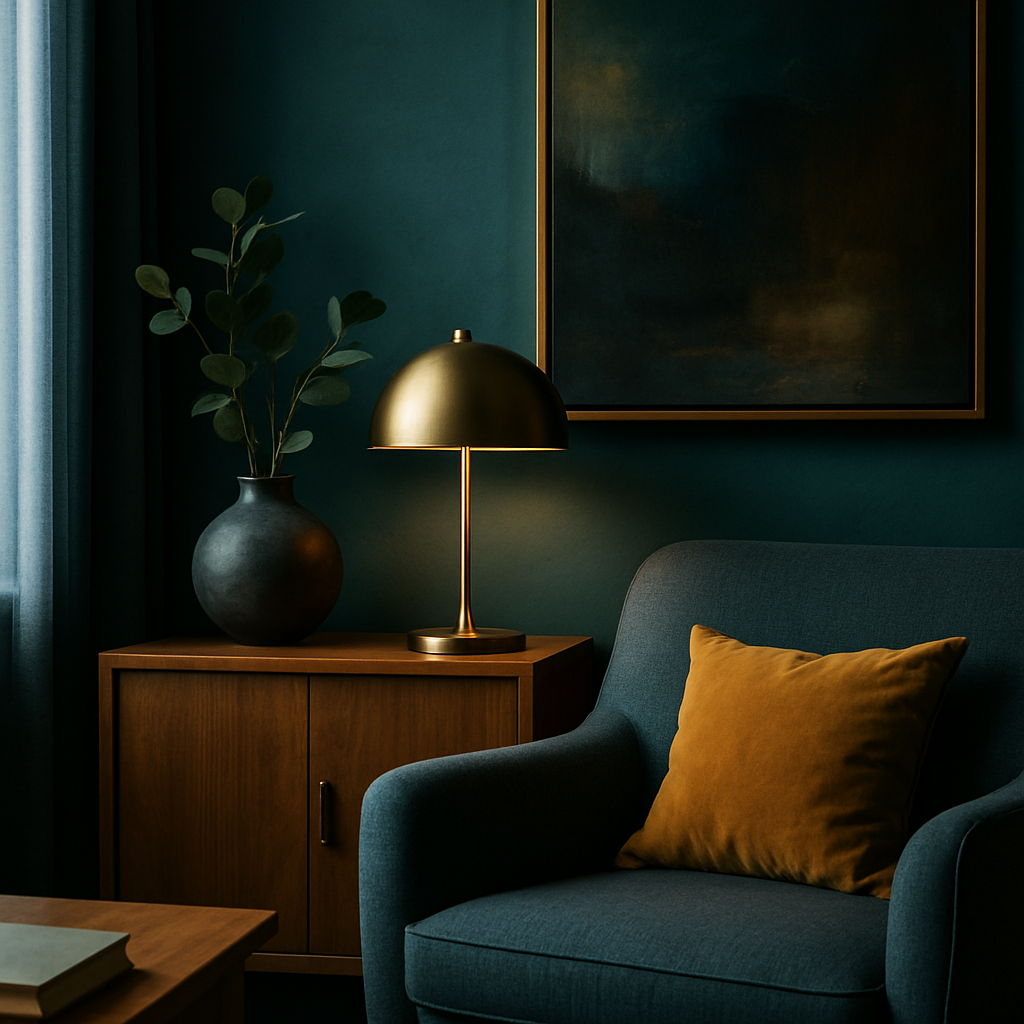
Have you ever wondered how some spaces exude harmony, inviting you to linger, while others feel chaotic or uninspiring? This is where the art and science of interior design come into play, transforming ordinary rooms into extraordinary experiences. According to the American Society of Interior Designers (ASID), well-designed interiors can enhance your quality of life and even increase your home's resale value by up to 15%. As we delve into the world of interior design, we will uncover its foundational elements, explore deeper analyses with real data, and offer actionable strategies to revamp your living space into a haven of comfort and style.
Understanding the Foundations of Interior Design
At its core, interior design is about creating functional and aesthetically pleasing environments. It goes beyond mere decoration, incorporating a deep understanding of space planning, lighting, color theory, and material selection. Certified interior designers, often holding credentials like the NCIDQ (National Council for Interior Design Qualification), are trained to balance these elements harmoniously. This training allows them to tailor spaces to meet the specific needs and tastes of the inhabitants, ensuring both form and function are addressed.
One foundational concept in interior design is the use of color. Colors can dramatically affect mood and perception. For instance, soft blues and greens are known to evoke calmness and relaxation, making them ideal for bedrooms and bathrooms. On the other hand, vibrant reds and oranges can energize a space, perfect for social areas like living rooms or kitchens. The key is to understand the psychological impact of colors and use them strategically to enhance the desired atmosphere.
Another critical element is space planning. This involves analyzing how the space will be used and mapping out furniture arrangements and traffic flow. Professional designers use tools like AutoCAD or SketchUp to visualize these plans, ensuring the space is both practical and aesthetically pleasing. By considering the functionality of each area, designers create environments that not only look good but also accommodate the daily routines and activities of those who live there. As we explore further, we'll see how these foundational concepts are applied in real-world projects.
The Impact of Design Choices: Analyzing Data and Trends
In recent years, the interior design industry has seen a significant shift towards sustainability and technology integration. According to Houzz's annual survey, over 70% of homeowners are now prioritizing eco-friendly materials in their renovation projects. This trend is not just a fleeting fad; it reflects a growing awareness of environmental issues and the desire for healthier living spaces. Designers are increasingly incorporating sustainable materials like reclaimed wood, bamboo, and recycled glass, which offer both aesthetic appeal and environmental benefits.
Technology is also playing a pivotal role in shaping modern interiors. Smart home integration, which includes automated lighting, climate control, and security systems, is becoming a standard feature in many new designs. According to industry reports, homes with smart technology see a 5% increase in market value, showcasing the tangible benefits of incorporating these innovative solutions. Designers are now adept at blending technology seamlessly into their projects, ensuring that it enhances rather than detracts from the overall design.
Biophilic design, which emphasizes the connection between nature and indoor environments, is another trend gaining traction. By incorporating natural elements like plants, natural light, and water features, designers create spaces that promote well-being and reduce stress. Studies have shown that such environments can improve productivity and mental health, making them particularly popular in both residential and commercial settings. As we move forward, we'll explore practical ways to implement these trends in your own home.
Actionable Strategies for Your Living Space
Transforming your living space need not be an overwhelming task. Start by assessing your current environment: What works well, and what feels off? A simple way to begin is by decluttering. Removing unnecessary items can instantly make a space feel larger and more inviting. As Marie Kondo suggests, only keep items that "spark joy" to create a more harmonious environment. Once you've decluttered, consider rearranging your furniture to optimize flow and functionality. This can often breathe new life into a room without any additional cost.
Lighting is another critical aspect often overlooked by homeowners. Good lighting can enhance architectural features and create mood, while poor lighting can make even the most beautifully decorated room feel drab. Incorporate a mix of lighting sources, such as ambient, task, and accent lighting, to create a layered and dynamic space. Consider using dimmers for more control over the atmosphere, allowing you to adjust the mood according to the time of day or activity.
Paint is one of the most cost-effective ways to transform a space. While bold colors can make a statement, neutral tones offer versatility and timelessness. If you're unsure, test paint samples on your walls to see how they change throughout the day under different lighting conditions. This small step can prevent costly mistakes and ensure you choose the right color for your space. These strategies offer a starting point for those looking to revamp their living environments. Next, we'll delve into expert insights to further guide your design journey.
Expert Insights into Mastering Interior Design
Experienced professionals often note that the most successful interior designs are those that tell a story. Your home should reflect your personality and lifestyle, creating a narrative that is uniquely yours. To achieve this, consider incorporating personal elements such as family heirlooms, artwork, or travel souvenirs. These items can serve as focal points and conversation starters, adding depth and character to your space.
When working with a professional interior designer, communication is key. Clearly articulate your vision and expectations to ensure the designer understands your goals. It's also important to discuss budget constraints upfront. According to the IIDA (International Interior Design Association), typical fee structures include flat fees, hourly rates, or a percentage of the total project cost. Understanding these options can help you plan financially and avoid surprises down the line.
Another insider tip is to embrace the design process's iterative nature. Be open to revisions and adjustments as the project progresses. Designers often present mood boards and sketches to convey their ideas, allowing you to visualize the final outcome. Using AR/VR room visualization tools can also provide a realistic preview of how proposed changes will look, helping you make informed decisions. As we explore further, we'll dive into additional expert details that can enhance your understanding of interior design.
Additional Depth: Beyond the Basics
For those seeking to delve deeper into the world of interior design, consider exploring various styles and influences. Japandi, a fusion of Japanese minimalism and Scandinavian warmth, has gained popularity for its clean lines and serene aesthetics. This style emphasizes functionality and simplicity, making it ideal for those who appreciate understated elegance. Another emerging trend is "quiet luxury," characterized by high-quality materials and subtle details that exude sophistication without being ostentatious.
Networking with industry professionals can also provide valuable insights. Platforms like Houzz and Architectural Digest's AD PRO network offer access to designer portfolios, project photos, and expert advice. Engaging with these communities allows you to stay informed about the latest trends and innovations in interior design. Additionally, attending local AIA (American Institute of Architects) chapter events can offer opportunities to connect with architects and designers, further expanding your knowledge and network.
Finally, consider the long-term impact of your design choices. Opt for quality over quantity, choosing pieces that are both durable and timeless. Investing in well-crafted furniture and decor can save money in the long run, as these items will withstand trends and daily wear. As we conclude, we'll offer final perspectives on how to approach interior design with confidence and creativity.
Final Perspectives on Interior Design
Interior design is not just about aesthetics; it's about creating spaces that enhance your quality of life. Whether you're embarking on a full-home renovation or simply updating a single room, the principles of good design remain the same. Focus on balance, functionality, and personal expression to create environments that truly resonate with you. Remember, the most impactful designs are those that reflect the people who inhabit them.
As you explore interior design further, consider how each element contributes to the overall experience of your home. From the color of the walls to the placement of furniture, every decision plays a role in shaping your living space. Are you ready to take the next step in your design journey? Consistency and attention to detail are your allies in creating a cohesive and inspired home.
Conclusion
In exploring the multifaceted world of interior design, we've delved into its foundational concepts, analyzed current trends and data, and offered actionable strategies and expert insights. Interior design's impact on your living space is profound, influencing not only the aesthetic appeal but also the functionality and emotional atmosphere of your home. As you consider your next steps, start by browsing designer portfolios on Houzz or Architectural Digest this week. Even dedicating 20 minutes to research can sharpen your eye for what resonates with you. With the right approach, your home can become a canvas that reflects your unique style and enhances your everyday life.



Comments
Post a Comment