10 Stunning House Interior Design Trends to Transform Your Living Space
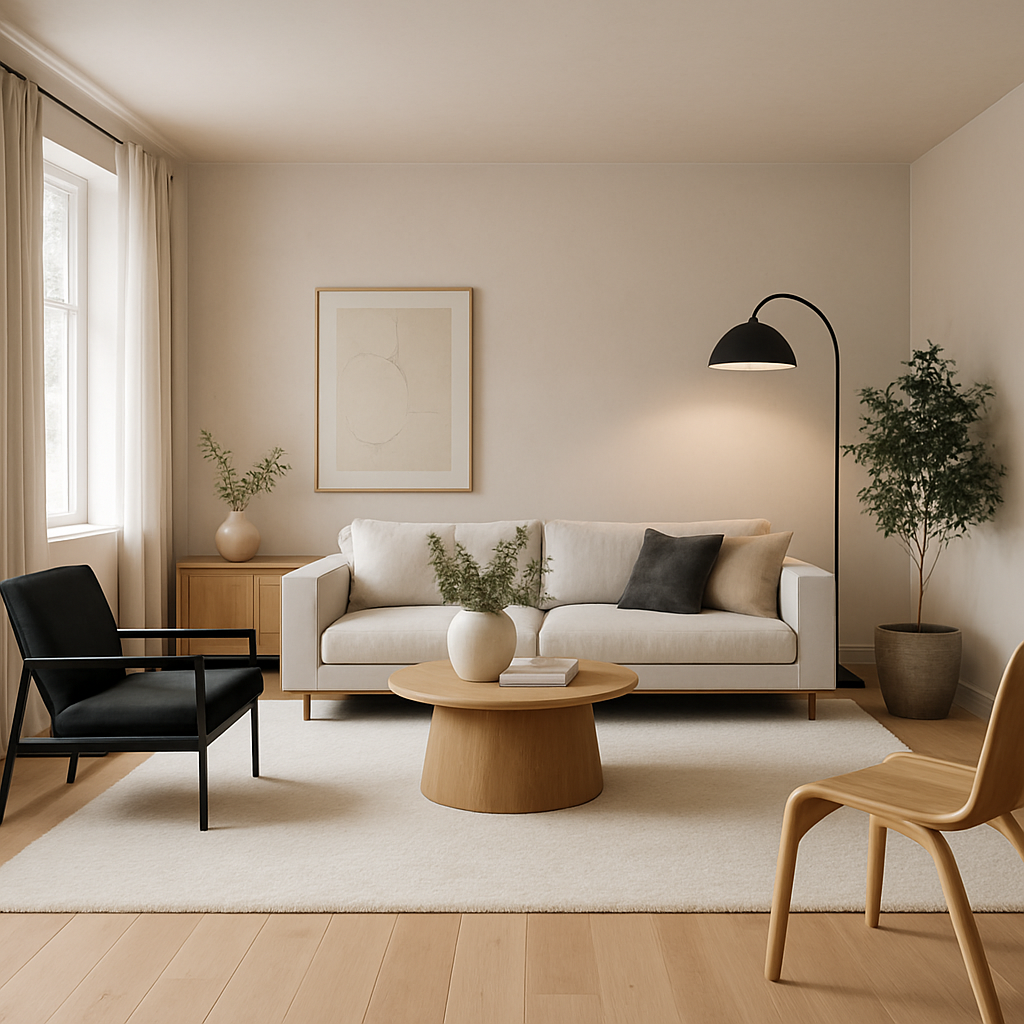
What if the key to a more fulfilling daily life was already waiting inside your own four walls? The way we design our homes shapes how we feel, think, and connect with the people around us. Interior design has evolved far beyond surface-level aesthetics, becoming a discipline rooted in psychology, sustainability, and technological innovation. Whether you are planning a full renovation or simply looking to refresh a tired room, understanding the trends driving modern interiors can help you make choices that resonate for decades rather than months. The American Society of Interior Designers (ASID) consistently emphasizes that thoughtful design improves occupant wellbeing, productivity, and emotional balance. In the following guide, you will explore ten transformative trends that professional designers are championing right now. From biophilic connections with nature to the understated elegance of quiet luxury, each trend offers practical inspiration you can adapt to your unique living space. Prepare to rethink what your home can truly become.
Biophilic Design Brings Nature Indoors
Biophilic design is far more than scattering a few potted plants across your shelves. It is a comprehensive approach that weaves natural elements into every layer of your interior environment. Designers certified through the National Council for Interior Design Qualification (NCIDQ) often recommend integrating living walls, natural stone surfaces, and water features to create multisensory experiences within the home. Research published by the International Interior Design Association (IIDA) indicates that biophilic interiors can reduce stress hormones by up to 30 percent compared to conventional spaces. The principle works because humans evolved in natural settings, and our nervous systems still respond positively to organic textures, daylight patterns, and the sound of flowing water. When you bring these elements indoors, you create a sanctuary that supports both mental clarity and physical relaxation.
Implementing biophilic design does not require a complete overhaul of your existing space. Start by evaluating your natural light sources and removing heavy window treatments that block sunlight from entering the room. Consider replacing synthetic flooring with reclaimed hardwood, cork, or bamboo, all of which carry the warmth and variation found in natural landscapes. Large-format windows or even skylights can transform a dim hallway into a luminous passage that feels connected to the outdoors. Have you ever noticed how much calmer you feel in a room filled with natural light versus one lit entirely by artificial fixtures? That instinctive response is exactly what biophilic design harnesses, and it explains why so many homeowners are prioritizing this trend above all others.
Beyond materials and light, biophilic design extends to spatial planning. Rooms that offer views of garden spaces, courtyards, or even well-placed indoor planters create visual connections to living ecosystems. Interior designers charging between $150 and $500 per hour frequently cite biophilic planning as one of the most impactful investments a homeowner can make. The trend also pairs beautifully with sustainable building practices, since many biophilic materials are renewable and carry lower environmental footprints than their synthetic counterparts. Whether you live in a sprawling suburban home or a compact urban apartment, biophilic principles can be scaled and adapted to your floor plan without sacrificing functionality or personal style.
Quiet Luxury Redefines Elegance
Quiet luxury has emerged as a powerful counterpoint to the maximalist interiors that dominated social media feeds for several seasons. This trend prioritizes quality over quantity, favoring sumptuous materials, expert craftsmanship, and understated color palettes rather than bold logos or attention-grabbing accessories. Think cashmere throws draped over a hand-stitched leather armchair, or hand-plastered walls finished in a soft, matte limewash. The philosophy aligns with what Architectural Digest (AD PRO) describes as a return to intentionality, where every object in a room earns its place through function, beauty, or emotional significance. Quiet luxury whispers rather than shouts, and its impact on a living space is both immediate and enduring.
Achieving quiet luxury in your own home begins with editing. Walk through each room and identify items that serve no clear purpose or bring no genuine pleasure. The goal is not minimalism for its own sake but rather a curated environment where high-quality pieces can breathe and be appreciated. Invest in a single statement sofa upholstered in a durable, luxurious fabric rather than filling the room with multiple inexpensive seating options. Select lighting fixtures crafted from solid brass, hand-blown glass, or natural stone rather than mass-produced alternatives. These choices may carry a higher upfront cost, but they age gracefully and often outlast trend-driven pieces by many seasons. Does your current living room reflect the life you actually want to live, or is it cluttered with compromises you made along the way?
Color plays a critical role in quiet luxury interiors. Designers often gravitate toward warm neutrals, soft taupes, rich creams, and muted earth tones that create a cocoon-like atmosphere. Accent colors, when used, tend to be drawn from nature: deep olive, dusty rose, or slate blue. The result is a palette that feels sophisticated without being cold or sterile. Houzz trend reports confirm that searches for warm neutral paint colors have increased significantly, reflecting a broader cultural shift toward comfort and authenticity in residential design. Quiet luxury is not about spending the most money; it is about spending wisely on elements that elevate the sensory experience of being at home.
Smart Home Integration Becomes Seamless
Smart home technology has matured well beyond novelty gadgets and voice-activated speakers. Contemporary smart home integration focuses on invisible systems that enhance comfort, safety, and energy efficiency without disrupting the visual harmony of a well-designed interior. Motorized window shades that adjust automatically based on sun position, underfloor heating controlled by room-specific sensors, and lighting systems that shift color temperature throughout the day are now standard features in professionally designed residences. ASID research suggests that nearly 65 percent of homeowners now consider smart home features essential rather than optional when planning a renovation. The technology has become so refined that it disappears into the architecture, supporting daily life without demanding constant attention.
The key to successful smart home integration is planning the infrastructure before the aesthetic finishes go in. Designers recommend running conduit for future wiring, installing robust mesh Wi-Fi systems, and selecting smart switches and outlets that match the design language of your hardware and fixtures. A common mistake homeowners make is retrofitting smart devices into spaces that were never wired to support them, resulting in exposed cables, awkward mounting solutions, and inconsistent performance. By collaborating with both an interior designer and a technology consultant during the planning phase, you can ensure that every automated system operates reliably and remains hidden from view. The result is a home that feels effortlessly intuitive rather than cluttered with screens and blinking indicators.
Privacy and data security are also important considerations as smart home ecosystems expand. Choose devices from manufacturers that prioritize end-to-end encryption and allow local processing rather than routing every command through cloud servers. The IIDA has published guidelines encouraging designers to discuss digital privacy with clients during the planning process, recognizing that a truly comfortable home must also feel secure in the digital realm. When implemented thoughtfully, smart home technology amplifies the benefits of every other design trend on this list, from automating biophilic lighting sequences to managing the climate control that keeps quiet luxury textiles in pristine condition.
Japandi Fusion Balances Warmth and Restraint
Japandi design merges the clean minimalism of Japanese aesthetics with the cozy warmth of Scandinavian interiors, creating spaces that feel both serene and inviting. This fusion has gained tremendous traction among homeowners who admire the discipline of Japanese wabi-sabi philosophy but also crave the tactile comfort associated with Nordic hygge culture. The combination produces rooms defined by natural materials, functional furniture with sculptural silhouettes, and a muted palette punctuated by moments of organic imperfection. AD PRO has highlighted Japandi as one of the most enduring cross-cultural design movements, noting its appeal to homeowners across a wide range of climates and architectural styles.
Furniture selection is central to the Japandi approach. Look for pieces that combine craftsmanship with simplicity: a solid oak dining table with visible joinery, a low-profile platform bed framed in walnut, or a handwoven rattan accent chair. Each item should feel intentional, as though it was chosen not just for appearance but for the experience of using it every day. Storage is equally important in Japandi interiors, where clutter is the enemy of calm. Built-in cabinetry with push-latch doors, concealed shelving behind sliding panels, and multifunctional furniture with hidden compartments all help maintain the visual tranquility that defines this trend. What would your morning routine feel like if every object in your bedroom had a designated, beautiful home?
Textiles soften the architectural discipline of Japandi spaces without introducing visual noise. Linen curtains in undyed natural tones, wool area rugs with subtle texture, and cotton cushions in muted earth colors all contribute to the layered warmth that distinguishes Japandi from stark minimalism. Ceramic vessels, handmade pottery, and irregular stone accessories introduce the wabi-sabi appreciation for imperfection, reminding occupants that beauty exists in authenticity rather than flawless symmetry. Designers working in the Japandi tradition often consult with artisan studios to source one-of-a-kind accent pieces, ensuring that each room tells a unique story while maintaining the overall cohesion of the design scheme.
Curved Architecture Softens Modern Interiors
Straight lines and sharp angles dominated residential architecture for decades, but a notable shift toward curves is reshaping the way living spaces feel and function. Arched doorways, rounded furniture profiles, and organically shaped accent walls introduce a sense of movement and softness that rigid geometry cannot replicate. The NCIDQ has noted a growing emphasis on curvilinear design in its continuing education modules, reflecting the trend's influence across both residential and commercial projects. Curved elements echo the forms found in nature, where perfect right angles are rare, and they create a subconscious feeling of comfort and welcome that guests notice immediately upon entering a room.
Incorporating curves does not require structural renovation. A kidney-shaped coffee table, a round dining table, or an arched floor mirror can introduce curvilinear energy into an existing rectangular room. Upholstered furniture with rounded backs and rolled arms offers another accessible entry point, as does selecting pendant lighting with dome or globe silhouettes. For homeowners willing to invest in architectural changes, arched openings between rooms create dramatic transitions that elevate the entire floor plan. Studies in environmental psychology suggest that people perceive curved spaces as safer and more inviting than angular ones, which may explain why this trend resonates so strongly across different demographics and design preferences.
The interplay between curves and materials adds another dimension to this trend. A curved plaster wall finished in a smooth, hand-troweled texture becomes a sculptural focal point, while a rounded stone kitchen island anchors the space with both visual weight and tactile interest. Designers featured on Houzz recommend balancing curved statement pieces with simpler supporting elements to prevent the room from feeling chaotic or theme-park-like. The goal is harmony: a living space where soft forms guide the eye naturally from one area to the next, creating a flow that mirrors the relaxed, unhurried pace of a well-lived life.
Earthy and Artisan Materiality Takes Center Stage
Mass-produced finishes are giving way to materials that carry history, texture, and evidence of the human hand. Lime plaster walls, handmade ceramic tile, raw-edge wood countertops, and hammered metal fixtures all contribute to a materiality that feels grounded and authentic. The IIDA reports that demand for artisan-crafted interior elements has risen sharply as homeowners seek to differentiate their spaces from the homogeneous looks popularized by fast-furniture retailers. This trend celebrates the inherent beauty of natural materials in their least processed state, embracing grain variation in wood, tonal shifts in stone, and the subtle irregularities that handcraftsmanship produces.
Sourcing artisan materials often means building relationships with local craftspeople, quarries, and specialty suppliers. Many interior designers, particularly those billing at the upper end of the $150 to $500 per hour range, maintain curated networks of artisans who can produce custom pieces tailored to a specific project. A hand-forged iron stair railing, a set of bespoke concrete planters, or a commissioned terrazzo floor pattern can transform a standard home into a space with genuine character and provenance. The investment in artisan work also supports small-scale makers and sustainable production methods, aligning with the broader cultural movement toward conscious consumption.
Combining multiple artisan materials within a single room requires a disciplined eye. Too many competing textures can create visual clutter rather than richness. A useful guideline is to select one dominant material, perhaps exposed brick or natural stone, and then layer two or three complementary textures in supporting roles. For instance, a kitchen with a honed marble backsplash might pair beautifully with open shelving in reclaimed oak and pendant lights in hand-blown amber glass. Each material should feel like a deliberate choice rather than an afterthought, contributing to a narrative of quality and intention that defines the space for everyone who enters it.
Multifunctional Zones Support Modern Living
The rigid room-by-room floor plan that characterized homes for generations is dissolving in favor of flexible, multifunctional zones that adapt to the way people actually live. A dining table that doubles as a workspace, a guest bedroom that converts into a home gym, and a living room alcove that functions as a reading nook or meditation corner all reflect this evolution. ASID surveys indicate that over 70 percent of homeowners now prioritize spatial flexibility when working with a design professional, driven by the lasting impact of remote work and the desire for homes that serve multiple purposes without requiring additional square footage.
Creating effective multifunctional zones depends on smart space planning and the strategic use of visual dividers. Sliding barn doors, floor-to-ceiling curtain panels, open shelving units, and changes in flooring material can all delineate distinct areas within an open floor plan without the permanence or expense of traditional walls. Lighting design also plays a pivotal role: task lighting for a work zone, ambient lighting for a relaxation area, and accent lighting for a display niche can coexist within a single room, each activated independently to support the current function of the space. The flexibility to shift between modes throughout the day is what makes multifunctional design so appealing to contemporary households.
Furniture selection is equally critical in multifunctional environments. Look for pieces with built-in storage, adjustable configurations, or compact footprints that can be rearranged as needs change. A modular sofa system, for example, can be configured as a traditional L-shape for movie night, separated into individual seats for a social gathering, or consolidated into a daybed for an overnight guest. The best multifunctional rooms feel cohesive and intentional in every configuration rather than cobbled together as a compromise. When each zone is designed with the same level of care and aesthetic consideration as a dedicated room, the result is a home that works harder and smarter without sacrificing beauty or comfort.
Conclusion
Transforming your living space is not about chasing every passing trend but about identifying the principles that align with your lifestyle, values, and aesthetic sensibility. The ten trends explored in this guide, from biophilic design and quiet luxury to smart home integration and multifunctional zoning, share a common thread: they all prioritize the experience of living in a space over the mere appearance of it. Professional organizations like ASID, NCIDQ, and IIDA continue to push the industry toward designs that improve wellbeing, sustainability, and daily functionality, and these goals should guide your own decisions as you shape your home. Consider which of these trends resonates most deeply with the way you want to feel when you walk through your front door each evening. Start with one room, one trend, and one meaningful change, and let the transformation build organically from there. Your home is the most personal space you will ever inhabit, and it deserves the same thoughtfulness and intention that you bring to every other important area of your life.
More Articles You May Like



Comments
Post a Comment