Transform Your Space: How Interior AI is Redefining Home Design
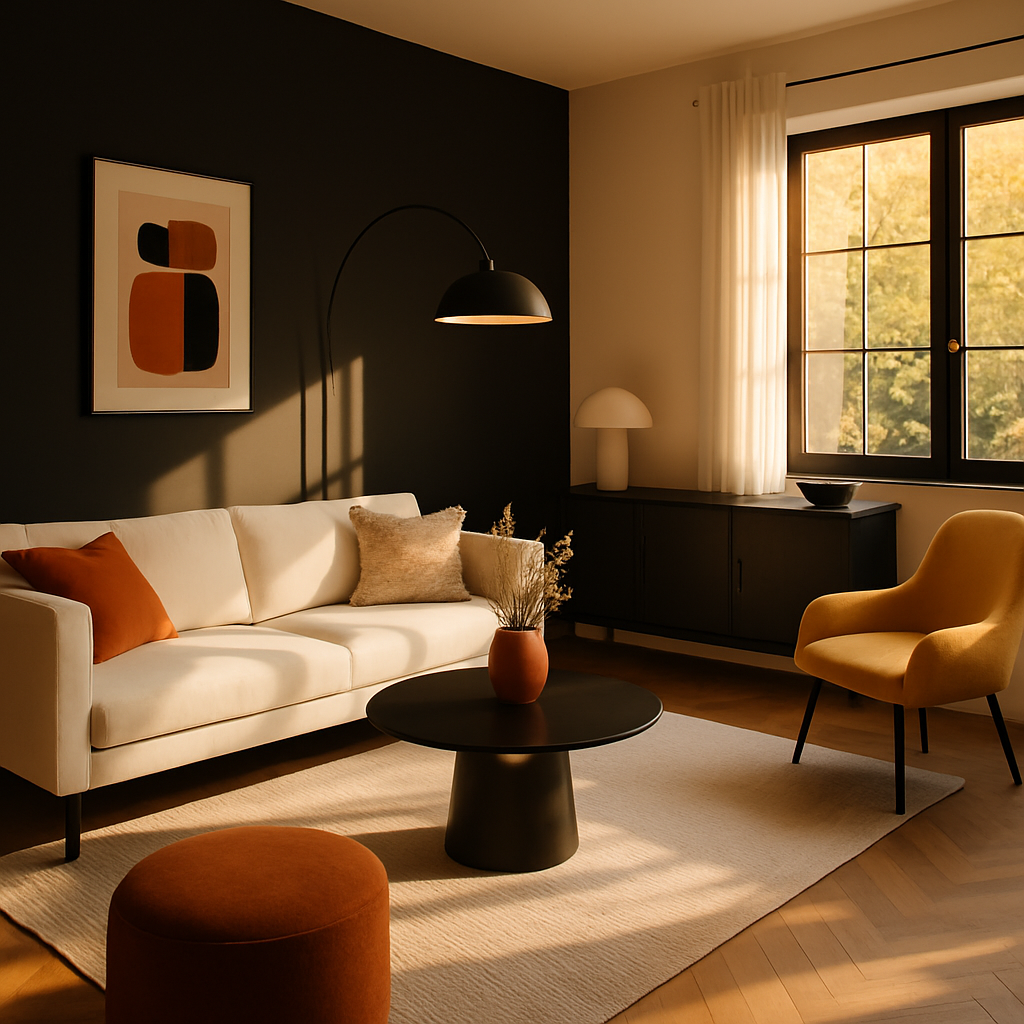
Imagine walking into a home that perfectly aligns with your aesthetic preferences, all thanks to the power of artificial intelligence. Recent advancements in Interior AI are making this a reality, transforming how we design and personalize our living spaces. Industry surveys suggest that AI-driven design tools have increased efficiency by over 30%, allowing for more precise and customizable solutions (Architectural Digest). This article will explore foundational concepts behind Interior AI, delve into its statistical impact on the industry, provide actionable strategies for utilizing AI in your design projects, and offer expert insights into this groundbreaking technology.
Understanding the Basics of Interior AI
At its core, Interior AI refers to the application of artificial intelligence technologies to the field of interior design. This involves using algorithms and machine learning to generate design recommendations, streamline project management, and even visualize spaces before any physical changes occur. The concept might sound futuristic, but it's becoming increasingly accessible. Professionals and homeowners alike can now tap into these tools to craft spaces that reflect personal tastes while adhering to functional needs.
One of the key components of Interior AI is its ability to analyze large datasets, such as user preferences, current design trends, and spatial dimensions. By leveraging these datasets, AI can offer tailored design solutions that were once the domain of experienced designers. For example, platforms like Houzz and Pinterest integrate AI to suggest design elements that complement users' existing selections, enhancing the creative process with precision and speed.
The rise of Interior AI also democratizes design expertise, making professional-grade insights available to the average consumer. Experienced professionals often note that this technology empowers users to make informed decisions without necessarily hiring high-cost consultants. However, it's important to distinguish between AI-driven platforms and certified interior designers, who bring a depth of knowledge and creative intuition that technology cannot replicate.
The growing influence of Interior AI sets the stage for a deeper analysis of its impact on the home design industry, which we'll explore in the next section.
The Impact of Interior AI on the Home Design Industry
According to a recent study by the American Society of Interior Designers (ASID), the integration of AI in interior design has resulted in a 25% reduction in project timelines. This efficiency boost is largely due to AI's ability to quickly process and visualize complex design scenarios, enabling designers and homeowners to make faster decisions. The data-driven nature of AI ensures that every aspect of a design project, from material selection to spatial planning, is optimized for both aesthetics and functionality.
Financially, the influence of AI in interior design is significant. The International Interior Design Association (IIDA) reports that AI-powered projects often cost 20% less than traditional design approaches, primarily because AI can identify cost-effective alternatives without compromising on quality. This is particularly beneficial for budget-conscious homeowners who wish to achieve high-end looks at more accessible price points.
The statistical benefits of Interior AI extend beyond cost and time savings. Designers using AI tools have reported higher client satisfaction rates, as these technologies allow for more personalized and precise outcomes. This data-driven approach aligns closely with the rising demand for customized living spaces that reflect individual lifestyles and preferences. As we transition into actionable strategies, consider how AI might streamline your own design projects.
Actionable Strategies for Utilizing Interior AI
Integrating AI into your interior design projects can seem daunting, but several strategies can help you harness its full potential. First, consider using AI-driven visualization tools like Roomstyler or SketchUp, which allow you to experiment with different layouts and design elements in a virtual space. These platforms offer the capability to test various configurations, ensuring you arrive at the most effective solution before committing to any physical changes.
Next, incorporate AI recommendation engines available on platforms like Houzz to refine your design choices. These tools analyze your preferences and offer suggestions that align with your aesthetic and functional requirements. Whether you're selecting paint colors or furniture pieces, these engines provide insights that save time and enhance decision-making confidence.
Finally, engage with AI-powered project management tools to streamline the execution phase. Software like CoConstruct integrates AI to manage timelines, budgets, and communication, ensuring every aspect of the project is on track. By adopting these actionable strategies, you can enhance the efficiency and effectiveness of your design process, leveraging AI as a powerful ally in creating spaces that truly resonate with you.
With these strategies in mind, let's delve into expert insights that highlight the transformative potential of Interior AI.
Expert Insights on the Transformative Potential of Interior AI
Industry experts, including those affiliated with the National Council for Interior Design Qualification (NCIDQ), emphasize the transformative potential of AI in interior design. NCIDQ-certified designers are increasingly incorporating AI into their workflows, blending cutting-edge technology with traditional design principles to deliver exceptional results. This hybrid approach allows designers to maintain their creative vision while benefiting from the analytical capabilities of AI.
Moreover, experienced professionals often note that AI serves as a valuable tool for enhancing client collaboration. By providing clients with AI-generated visualizations, designers can facilitate more engaging and informed discussions about design choices. This level of interaction not only improves client satisfaction but also ensures that the final design aligns closely with the client's expectations and lifestyle needs.
AI's role in sustainable design is another area where experts see significant potential. The technology's ability to analyze environmental impact and suggest eco-friendly materials supports the growing trend of sustainable living. By incorporating AI-powered sustainability assessments, designers can create spaces that are not only beautiful but also environmentally responsible.
Having explored expert insights, it's time to examine additional layers of depth that Interior AI brings to the table.
Additional Depth: The Future of Interior AI
Looking ahead, the future of Interior AI is poised to be even more revolutionary. One of the most exciting developments is the integration of augmented reality (AR) and virtual reality (VR) into design processes. These technologies, powered by AI, enable users to immerse themselves in their future spaces, experiencing the layout and design in real-time before any physical work begins. This capability not only enhances the design process but also minimizes the risk of costly mistakes.
Another area of growth is the rise of smart home integration within design projects. AI can seamlessly connect with smart home devices, allowing for automated control of lighting, climate, and security systems. This integration enhances the functionality and convenience of living spaces, creating environments that adapt to inhabitants' needs.
As AI continues to evolve, its potential applications in interior design will expand, offering even more opportunities to create personalized and efficient spaces. The ongoing advancements highlight the importance of staying informed about new tools and techniques, ensuring that you can leverage AI's full potential in your design projects.
In our final section, we'll explore the broader implications of these advancements and how they can inspire your own design journey.
Final Perspectives on Interior AI
The integration of AI in interior design signifies a shift towards more personalized, efficient, and sustainable design practices. As we've explored, AI's ability to analyze data, offer customized solutions, and integrate with smart technologies is reshaping how we approach interior design. This technology empowers both professionals and consumers to achieve their design goals with greater accuracy and creativity.
As you consider incorporating AI into your design projects, reflect on how these innovations can enhance your living spaces. What aspects of your home could benefit from AI-driven insights? How might these tools streamline your design process and improve outcomes? By asking these questions, you can begin to unlock the full potential of AI in your own design journey.
In conclusion, Interior AI is not just a trend but a transformative force in home design. As you explore the possibilities it offers, remember that the key to success lies in combining technology with creativity, ensuring that your spaces are both functional and aesthetically pleasing.
Ready to take the next step? Start by exploring AI-powered platforms like Houzz and Roomstyler today. Even a brief 20-minute session can provide invaluable insights and inspire your next design project.



Comments
Post a Comment